Modern consumers operate in an environment where product safety is heavily regulated by government bodies such as the Consumer Product Safety Commission (CPSC) in the United States. Before purchasing an appliance, electronic device, or children’s toy, rigorous laboratory testing ensures the item will not cause catastrophic injury, electrocution, or property damage. However, this regulatory framework is relatively modern. For much of industrial history, bringing a new technology to market was largely unregulated, often leaving consumers to navigate a technological Wild West where severe hazards went unnoticed until tragedies occurred.
A retrospective look at twelve of the most hazardous technology products and consumer goods released prior to modern safety standards reveals a sobering chronicle of oversight, industrial ambition, and the painful evolution of consumer protection laws.
The Evolution of Consumer Protection and the Regulatory Vacuum
Throughout the late 19th and early 20th centuries, rapid industrialization outpaced the development of safety regulations. Manufacturers prioritized convenience, novelty, and cost-efficiency over consumer safety. Electricity, X-rays, and synthetic chemicals were deployed in domestic settings without a comprehensive understanding of their long-term biological or structural impacts.
It was only after decades of industrial accidents, widespread radiation poisonings, and fatal domestic mishaps that lawmakers established robust federal oversight. The establishment of regulatory bodies fundamentally shifted the burden of proof from the consumer to the manufacturer, transforming the marketplace into the safer landscape observed today.
High-Risk Innovations: A Chronological Examination
1. Craftsman Radial Arm Saws (1958–1995)
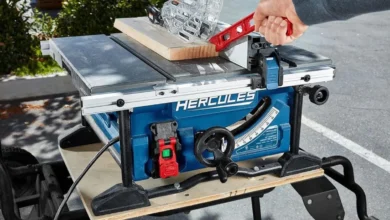
Power tools require careful handling, but mechanical design flaws can transform standard equipment into hazards. In 2000, Emerson Tool Co. issued one of the largest power tool recalls in U.S. history, pulling 3.7 million Craftsman radial arm saws from circulation. Sold through Sears from 1958 to 1995, these saws lacked a complete blade guard. According to CPSC reports, this design failure contributed to approximately 300 severe injuries, including hand and finger amputations, severe lacerations, and facial trauma. The cutting mechanism was prone to "climbing" or biting aggressively into wood, pulling the blade unpredictably toward the operator.
2. Mattel Creepy Crawlers Thing-Maker (1964)
Marketed as a creative outlet for children, Mattel introduced the Creepy Crawlers Thing-Maker in 1964. The toy allowed children to pour a liquid plastic substance called "Plastigoop" into metal molds and cure it using an integrated hot plate. The heating surface reached temperatures between 310 and 440 degrees Fahrenheit, resulting in frequent and severe thermal burns among young users. Furthermore, heating the liquid plastic emitted toxic fumes. Despite these well-documented hazards, the product remained on shelves for years before eventual discontinuation.
3. Early Microwave Ovens (Late 1960s–Early 1970s)
Today’s microwave ovens rely on stringent containment standards, utilizing metallic mesh doors and fail-safe locking mechanisms. During the late 1960s and early 1970s, however, early commercial units suffered from deteriorating rubber seals, worn hinges, and inadequate shielding. This degradation allowed microwave radiation to leak beyond the internal cooking chamber. Additionally, early magnetrons lacked automatic shutoff mechanisms, occasionally continuing to emit energy after the cooking cycle ended. Regulatory oversight by the Food and Drug Administration, initiated in 1971, effectively eliminated these engineering vulnerabilities.
4. Asbestos-Containing Electric Blankets (Pre-1987)
Early electric blankets provided domestic comfort but presented severe fire and health hazards. Prior to 1987, manufacturers frequently utilized asbestos as an insulating material to manage internal heating elements and prevent fires. While intended to mitigate thermal risks, the inclusion of asbestos introduced carcinogenic hazards. Combined with faulty wiring, aging insulation, and defective thermostats, these blankets frequently caused structural house fires and severe thermal injuries. Modern safety standards mandate rigorous electrical testing and strict lifespan limits for heated bedding.
5. A.C. Gilbert U-238 Atomic Energy Laboratory (1950)
Reflecting the atomic fascination of the post-World War II era, the A.C. Gilbert Company released a chemistry kit designed to educate children on nuclear physics and radiation. Retailing in 1950, the kit included a cloud chamber, a spinthariscope, an electroscope, a battery-powered Geiger-Müller counter, and four glass vials containing uranium-bearing ores (carnotite, torbernite, uraninite, and autunite). Although the scientific community already understood the biological hazards of ionizing radiation following atomic bomb development, commercial consumer goods lacked strict federal controls regarding radioactive isotopes.
6. Little Lady Electric Stoves (1930s–1940s)
Miniature domestic toys designed for children have a long history, but early iterations were dangerously inefficient. Pre-electric miniature stoves often operated via liquid fuels like kerosene, leading to catastrophic explosions, such as a fatal 1909 incident involving a six-year-old child. By the 1930s and 1940s, electric models like the Little Lady Stove emerged. Featuring exposed wire heating elements capable of reaching 500 degrees Fahrenheit, these toys caused widespread thermal injuries before being phased out in favor of lower-temperature alternatives like Hasbro’s incandescent-powered Easy-Bake Oven.
7. Shoe-Fitting Fluoroscopes (1920s–1970s)
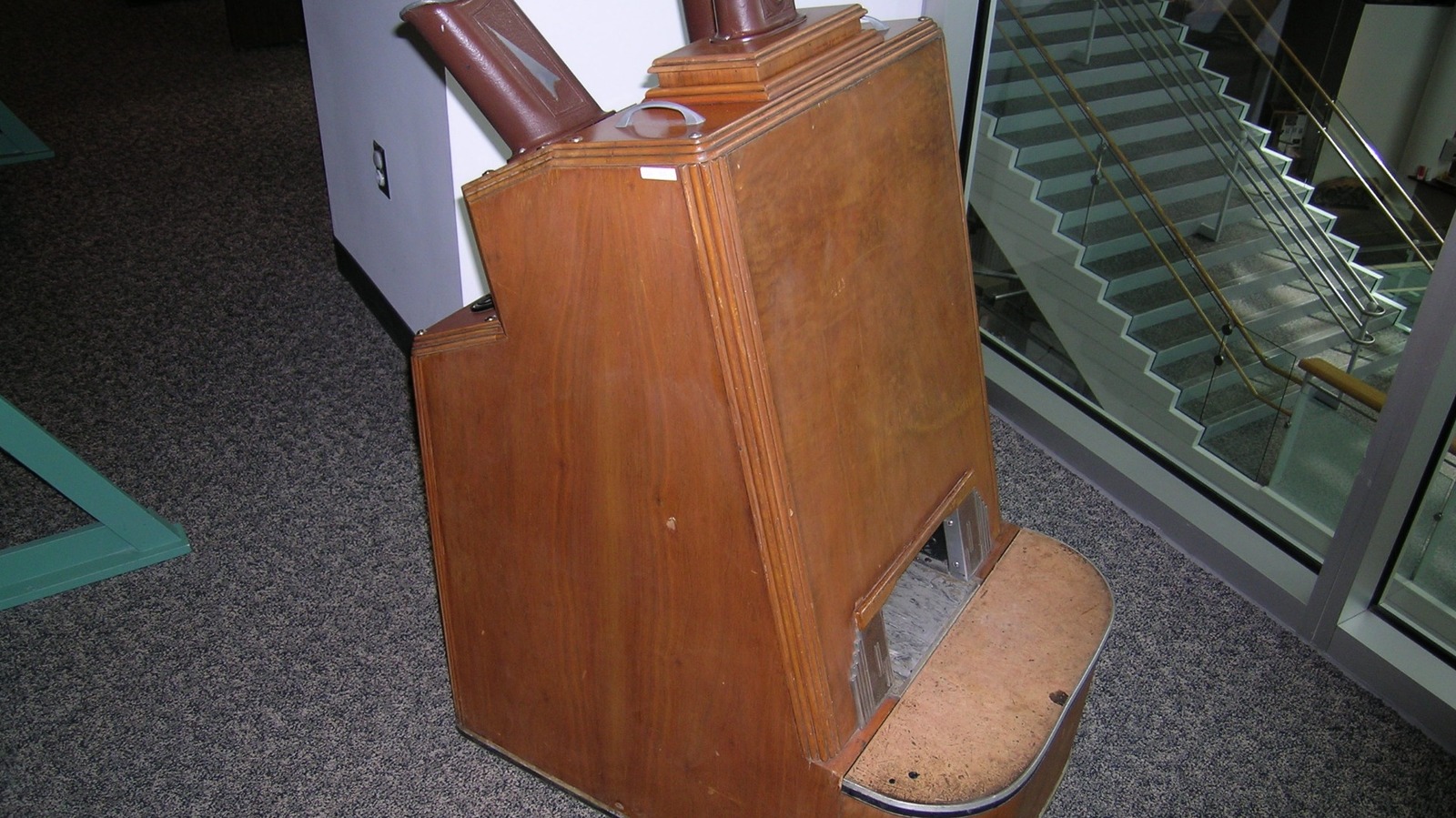
Before standard sizing tools like the Brannock Device became ubiquitous, shoe retailers utilized X-ray fluoroscopes to check the fit of footwear. Customers placed their feet inside a wooden cabinet, exposing their skeletal structure and surrounding tissue to live X-ray imaging. A 1948 study of 43 machines in Detroit, Michigan, revealed radiation outputs ranging from 16 to 75 roentgens per minute—significantly exceeding industrial safety thresholds established at the time. Public health campaigns ultimately curtailed the use of these devices due to cumulative radiation exposure risks.
8. The Tricho System for Hair Removal (1920s–1946)
Commercialized in the 1920s as a permanent cosmetic solution for unwanted facial hair, the Tricho System utilized targeted X-ray radiation in beauty salons. While effective at destroying hair follicles, repeated treatments caused severe cumulative tissue damage. Patients subsequently suffered from radiodermatitis (radiation burns), telangiectasia, skin atrophy, ulcerations, and squamous cell carcinoma. Medical professionals eventually connected these oncological and dermatological pathologies to the device, prompting a federal ban in 1946.
9. Commercial Zeppelin Passenger Service (1909–1937)
For nearly three decades, rigid airships provided luxurious transatlantic and domestic passenger travel. However, commercial operators relied heavily on hydrogen—a highly flammable lifting gas—due to geopolitical restrictions on non-flammable helium. The era of commercial airship travel ended on May 6, 1937, when the Hindenburg ignited over Lakehurst, New Jersey, resulting in 35 fatalities. The disaster permanently undermined public confidence in hydrogen-based aviation, shifting the transportation industry toward fixed-wing aircraft.
10. Early Mechanical Refrigerators (Late 19th Century–1929)
The introduction of mechanical refrigeration transformed food preservation, but early units relied on highly toxic and volatile working fluids. Between the late 19th century and 1929, domestic refrigerators utilized ammonia, sulfur dioxide, and methyl chloride as refrigerants. System leaks frequently filled residential kitchens with lethal gases, causing several fatalities. This crisis prompted automotive engineers and researchers, including Thomas Midgley Jr. at General Motors, to develop synthetic chlorofluorocarbons (CFCs) known as Freon, which eventually introduced subsequent environmental challenges regarding ozone depletion.
11. Electric Tablecloths (1900–1910)
As electrification entered Western households, manufacturers experimented with incorporating electrical components into home furnishings. Electric tablecloths featured unshielded wiring woven directly into fabric to power small surface lamps. Because dining environments routinely involve spilled liquids, these products presented immediate electrocution and fire hazards. Surviving specimens are preserved primarily in museums as cautionary examples of early domestic electrical integration.
12. Radium Watch and Clock Dials (Late 19th Century–Mid 20th Century)
Following the discovery of radioactivity by Marie and Pierre Curie, radium-226 was widely integrated into consumer products, including therapeutic ingestibles and luminous paints. Manufacturers mixed radium with phosphorescent materials to create self-illuminating watch and clock dials. While end consumers faced minimal danger from finished timepieces, the industrial workers—notably the "Radium Girls" who painted dials using fine-tipped brushes—suffered catastrophic occupational exposure, resulting in severe necrosis of the jaw, systemic anemia, and fatal malignancies.
Implications and Industry Legacy
The trajectory of these twelve technologies underscores the necessity of proactive safety frameworks. The transition from unregulated commercial experimentation to modern oversight has saved countless lives. Contemporary product development relies on exhaustive failure mode and effects analysis (FMEA), rigorous third-party testing, and clear accountability standards. The historical missteps involving toxic chemicals, unshielded radiation, and thermal hazards serve as a permanent reminder of the regulatory diligence required to protect public health in a technologically advancing society.