12 Dangerous Tools From Home Depot You Should Never Use Without Reading The Manual First

Power tools and specialized workshop equipment are essential investments for contractors, landscapers, and do-it-yourself enthusiasts alike, yet they remain a leading source of preventable domestic and occupational injuries. According to safety regulators and labor statistics agencies, an estimated one million tool-related accidents occur annually in the United States alone. These incidents range from minor contusions and lacerations to catastrophic trauma, including amputations, severe electrical shocks, and fatalities. While equipment manufacturers implement numerous engineering controls—such as guards, anti-kickback pawls, and electronic brakes—the improper operation of high-velocity, high-torque machinery continues to compromise user safety.
To mitigate these risks, agencies such as the Occupational Safety and Health Administration (OSHA) and the National Fire Protection Association (NFPA) consistently emphasize adherence to foundational safety protocols. Chief among these recommendations is the mandate to utilize equipment precisely as intended by the manufacturer, a directive that begins with thoroughly reading and understanding the owner’s manual. Despite the universal availability of digital documentation on manufacturer websites, many consumers bypass this crucial step, relying instead on intuition or prior experience with similar machinery. This oversight often proves hazardous, as mechanical nuances, torque thresholds, and safety engagement procedures vary significantly across brands and models. Retailers such as Home Depot stock a vast inventory of these potent devices, making consumer education a vital component of workshop injury prevention.
High-Risk Machinery: Table Saws and Circular Saws
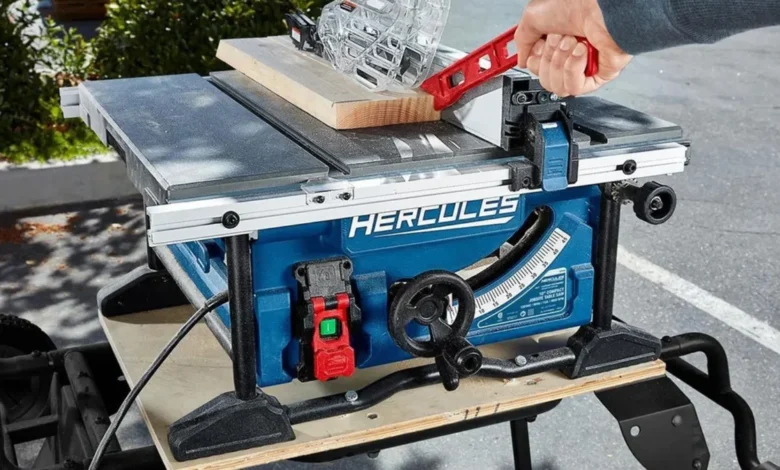
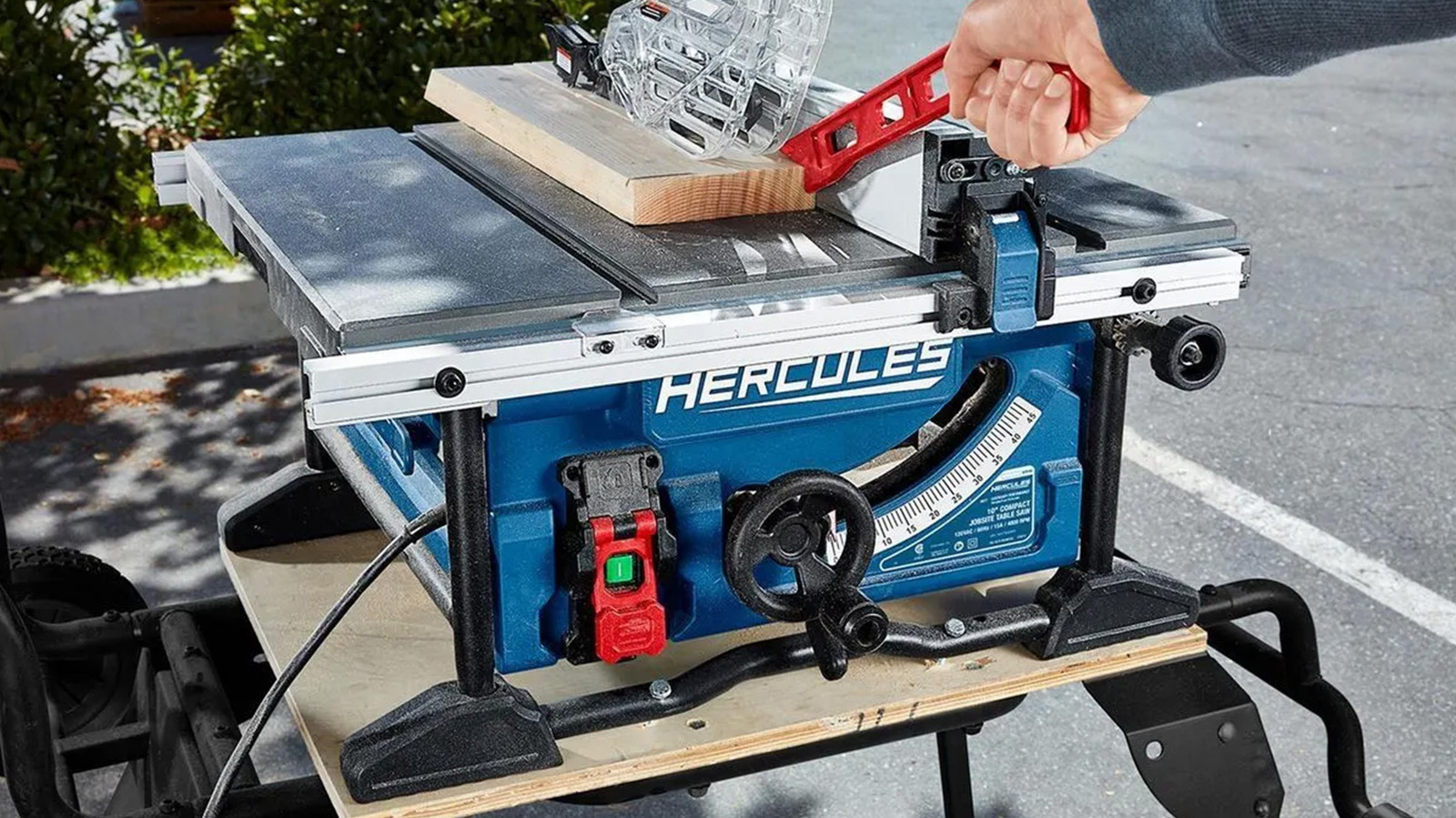
Among the most hazardous categories of workshop equipment are cutting tools, particularly table saws and circular saws. Industry data reveals that approximately 40,000 emergency room visits occur annually as a direct result of table saw accidents. These machines typically feature rapid blade rotation and exposed cutting surfaces that rarely incorporate flesh-sensing technology across standard commercial models. The Ryobi 13-amp 8-1/4-inch Compact Table Saw and its cordless 18V ONE+ counterpart exemplify popular jobsite options that demand strict procedural adherence.
Operating a table saw without consulting the manufacturer’s documentation increases the likelihood of catastrophic kickback, a phenomenon where the workpiece is violently propelled backward toward the operator. Ryobi’s technical manuals outline critical preventative measures, including proper fence alignment, the correct use of anti-kickback pawls, and stance positioning to avoid the direct line of fire. Similarly, handheld circular saws—such as the Milwaukee M18 Fuel 6-1/2-inch Circular Saw, which accounts for a share of the tens of thousands of annual circular saw injuries—require precise blade installation, correct washer placement, and active guard verification before every operational cycle. Ignoring these preliminary checks frequently results in binding, blade shattering, or loss of operator control.
Rotational and Grinding Hazards: Angle Grinders and Band Saws
Rotational equipment introduces a distinct category of mechanical hazard characterized by exceptionally high revolutions per minute (RPM) and the potential for catastrophic structural failure of the abrasive medium. The Milwaukee M18 Fuel Cordless 4-1/2-inch Angle Grinder, capable of operating at 8,500 RPM, is a prime example of a device that commands profound respect from professional operators. Angle grinders generate immense centrifugal forces; if a wheel binds or an improper cutting technique is applied, the accessory can shatter instantly, converting the disc fragments into high-speed shrapnel.
Manufacturer safety guidelines for angle grinders explicitly caution against performing curved cuts, applying lateral pressure to the face of the grinding wheel, and failing to orient the body to deflect potential kickback forces. Neglecting these instructions contributes to the approximately 5,400 angle grinder injuries recorded annually. In a similar vein, benchtop band saws—such as the Wen 2.8-amp 9-inch Benchtop Band Saw—account for roughly 3,550 injuries each year. Because band saws utilize a continuous, thin steel blade moving at high linear speeds, operators must rely on precise tensioning, appropriate blade guides, and immediate cessation of use if tracking anomalies occur. Reviewing the Wen product manual provides essential directives regarding workspace stability, guard maintenance, and safe material feed rates.
Forestry and Outdoor Power Equipment: Chainsaws and Mowers
Outdoor power equipment represents another high-risk domain where the skill gap between professional arborists and residential DIYers often leads to severe trauma. Chainsaws are responsible for approximately 25,000 injuries annually. The DeWalt 20V MAX 12-inch Chainsaw offers a compact, battery-powered alternative to gas-fueled models, yet it retains the fundamental dangers associated with high-speed cutting chains. Maintenance oversights, such as operating a dull or unlubricated chain, drastically increase the risk of kickback. DeWalt’s documentation emphasizes regular inspection and filling of the automatic oil reservoir alongside correct chain replacement protocols to maintain operational integrity.
Lawn maintenance equipment yields even higher incident numbers. According to public health and safety statistics, roughly 85,000 injuries stem from lawn mowing annually, encompassing thousands of severe trauma cases and dozens of fatalities, with a notable percentage affecting minors. The Ryobi 40V HP 20-inch Lawn Mower provides reliable electric performance, but the inherent risks of rotary blade operation require strict adherence to safety margins. Beyond basic operational guidelines, safety advocates consistently advise inspecting lawns for hidden projectiles, avoiding wet terrain to prevent slip-and-fall incidents, and ensuring blades reach a complete stop before performing any inspection or maintenance beneath the deck.
String trimmers present comparable projectile hazards, accounting for roughly 4,600 injuries per year primarily caused by stones and debris propelled at high velocities. Modern attachment-capable systems, such as the DeWalt Flexvolt 60V String Trimmer, introduce additional complexity. Because these power heads accept diverse modular attachments—including edgers, pole saws, and cultivators—operators must consult the distinct instruction manuals for every individual accessory to understand unique operational thresholds and personal protective equipment requirements.
Precision Woodworking and Joining: Planers and Mowers
Woodworking machinery designed for surface preparation and joinery, such as hand-held planers and benchtop equipment, accounts for a little over 10,000 injuries annually. The Makita 6.5-amp 3-1/4-inch Corded Planer is a standard tool found in many residential workshops. While it lacks the aggressive tooth profile of a chainsaw, its high-speed cutter block rotates with enough torque to cause severe soft-tissue damage upon contact.
Manufacturer documentation for planers highlights specialized parameters that extend beyond basic injury prevention into project preservation. These manuals provide critical data concerning electrical cord gauges to ensure adequate power delivery, precise depth-of-cut adjustments to prevent motor stalling, and instructions for integrating dust extraction systems to mitigate airborne particulate hazards. Ignoring these technical specifications can lead to motor burnout, ruined stock, or unexpected mechanical failure during operation.
Thermal Hazards: TIG Welders and Soldering Irons
Thermal and electrical equipment introduces entirely different categories of risk, combining extreme temperatures, ultraviolet radiation, compressed gases, and high-voltage electrical currents. According to the National Fire Protection Association, hot work operations are responsible for thousands of structural fires annually, while total welding-related injuries approach half a million per year globally when accounting for minor burns, flash burns, and respiratory exposure.
The Ridgid 180-Amp Electric TIG Welder is representative of heavy-duty shop equipment that demands exhaustive pre-operational study. The included quick-start guides and comprehensive manuals provide indispensable instructions regarding shielding gas compatibility—specifically restricting usage to approved gases like argon—proper ventilation to avoid toxic fumes, and grounding procedures to prevent fatal electrical shock. Similarly, while smaller thermal devices like the Weller 30W Soldering Iron operate on a vastly reduced scale, they still pose significant burn and fire risks if left unattended near combustible materials or operated at incorrect thermal settings.
Fastening Systems: Pneumatic and Cordless Nailers
Fastening tools, particularly nail guns, present severe puncture and laceration hazards that are frequently underestimated by casual users. The U.S. Bureau of Labor Statistics estimates that a significant percentage of carpentry apprentices sustain nail gun injuries during their training period. Cordless models such as the Ryobi HP 18V AirStrike Brad Nailer offer high-capacity output without pneumatic hoses, but they maintain the same mechanical velocity necessary to drive fasteners through dense hardwoods.
Operating a nail gun without reviewing safety documentation increases the risk of inadvertent firing, ricochets, and accidental contact with the operator’s extremities. Manufacturer manuals explicitly mandate the consistent use of ANSI-approved eye protection, strict trigger discipline—prohibiting resting fingers on the trigger during transport or positioning—and positioning safety tips perpendicular to the work surface to prevent glancing shots.
Methodology and Industry Implications
The selection of these specific tools is grounded in an empirical analysis of incident reports compiled by OSHA, the U.S. Bureau of Labor Statistics, academic safety studies, and the NFPA. Rather than serving as brand endorsements, these models represent widely adopted, commercially viable options within their respective categories that demonstrate high sales volumes and extensive user engagement at major retailers like Home Depot. The inclusion of these devices highlights the statistical reality that high-frequency usage directly correlates with a higher volume of reported accidents when proper protocols are ignored.
The broader implication of these findings underscores a persistent gap between product accessibility and consumer safety literacy. Modern retail channels make advanced, high-power industrial machinery easily accessible to the general public, often without requiring formal certification or verified mechanical competency. Consequently, the owner’s manual remains the primary line of defense bridging consumer intent and safe operational execution. Industry experts and safety advocates uniformly advise that dedicating time to review these technical documents before energizing any new tool is a vital practice for safeguarding physical well-being and preserving property in both domestic and professional environments.