The Reality of YouTube Clipping: A Strategic Analysis of Content Repurposing and Creator Economics

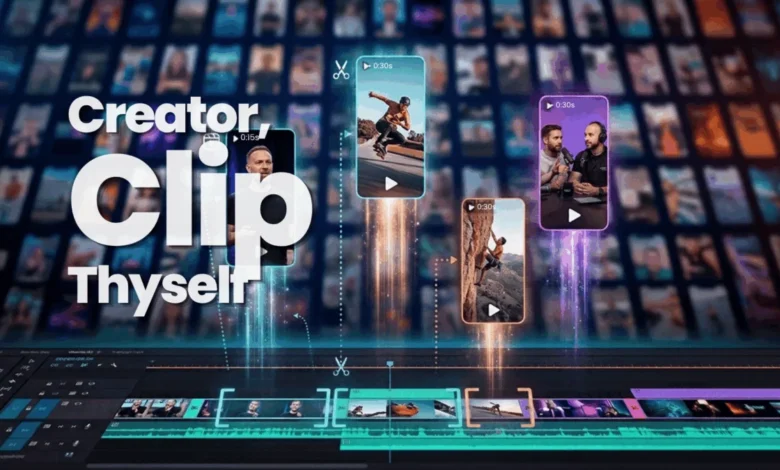
The practice of clipping—taking highlight segments from long-form content and repurposing them as standalone videos or YouTube Shorts—has evolved from a grassroots community behavior into a contentious pillar of the modern creator economy. While the digital landscape is saturated with influencers promising "untold riches" through simple clipping strategies, the actual mechanics of the industry are governed by complex copyright laws, shifting platform algorithms, and diminishing returns for those operating outside of official creator ecosystems. For established creators, clipping represents a vital tool for audience retention and growth; for casual participants, it is a high-volume, low-margin pursuit that has become significantly more challenging following major policy shifts implemented by YouTube throughout 2026.
A Chronology of Platform Changes
The landscape for YouTube clipping shifted dramatically in 2026, marking a departure from the platform’s previous experimental features. In April 2026, YouTube officially retired the "Clip" button, a tool that had allowed viewers to manually isolate and share specific segments of a video. While the feature was intended to facilitate community-driven promotion, its removal signaled a shift in how YouTube handles content fragmentation.
Following the retirement of the native clipping tool, YouTube pivoted toward deeper integration of the "Start at" timestamp feature within its sharing menu. By October 2026, the platform introduced a significant algorithmic update aimed at curbing the proliferation of low-effort content. The update specifically adjusted the Shorts recommendation engine to deprioritize re-uploaded content that lacked original commentary or unique creative value. This move served as a direct response to the rise of automated or "faceless" channels that relied exclusively on the unauthorized redistribution of third-party content.
The Mechanics of Internal Content Repurposing
For professional creators, the strategy of clipping one’s own back catalog remains a highly effective method for maximizing the utility of long-form assets. This process—often referred to as the "Flood Method"—involves systematically auditing long-form archives to identify high-engagement segments.
The primary advantage of self-clipping is the total ownership of intellectual property. Unlike third-party clippers, the original creator faces no risk of copyright strikes or demonetization due to the "reused content" policy, provided the output adheres to standard community guidelines. To streamline this workflow, many creators are turning to automated discovery tools, such as TubeBuddy’s "Suggested Shorts," which utilizes analytical data to identify the exact moments within a video that historically retained the highest viewer attention. By isolating these peaks of engagement, creators can generate a consistent pipeline of short-form content that acts as a funnel for their primary, long-form channel.
The Economics of Third-Party Clipping
The perception that clipping is a passive income stream is largely fueled by marketing campaigns for paid courses. In reality, the financial structure of the third-party clipping industry is highly commoditized. Most independent clippers operate through decentralized marketplaces like Whop’s Content Rewards.
Data regarding these marketplaces reveals a stark economic reality. According to figures shared by industry stakeholders, the average compensation for a clipper hovers around $1.00 per 1,000 views, with some promotional campaigns offering as little as $0.30 per 1,000 views. When accounting for the 10% service fee typically charged by these platforms, the take-home pay for an average user is marginal. Analysis of platform payout data indicates that the vast majority of participants earn less than $10 per month, with the top tier of "power users" accounting for the bulk of distributed revenue.
This model requires high-volume output and constant vigilance regarding trending topics. Consequently, it functions less as a passive income stream and more as a piecework labor model. Because the algorithm now favors original content, the barrier to entry for third-party clippers has risen, as they must now compete with native, high-quality, and algorithm-favored shorts.
Copyright, Monetization, and Legal Implications
The legal and regulatory framework surrounding clipping is defined by the tension between "Fair Use" and the "Reused Content" policy. While many individuals view the transformative nature of a clip as a legal defense, fair use is a judicial determination made after a claim is filed, making it an unstable foundation for a business model.
YouTube’s official policy is clear: the "reused content" restriction applies even if a clipper has obtained explicit permission from the original creator. This creates a trap for many aspiring entrepreneurs; a creator may authorize the use of their footage, but YouTube’s automated systems may still flag the channel for demonetization if the content is deemed to lack sufficient narrative value.
For those looking to engage with others’ content, the platform provides the "Remix" and "Cut" features. These tools allow for the legal sampling of videos, with YouTube automatically handling the metadata and credit linking. However, creators retain the right to opt their content out of these features, further limiting the inventory available for legitimate clipping.
Implications for Creators Hiring Clippers
Creators who choose to hire third-party clippers to promote their brand must exercise rigorous oversight. While community-led clipping can effectively introduce a channel to new demographics, a poorly managed campaign can result in brand dilution or potential policy violations.
When establishing a clipping program, creators should:
- Define Clear Guidelines: Establish rules regarding the length, pacing, and editorial style of the clips.
- Prioritize Quality Over Volume: Ensure that the clips maintain the integrity of the original brand identity.
- Formalize Agreements: Use clear contracts that specify ownership and revenue sharing, while being mindful that these agreements do not override YouTube’s internal monetization policies.
- Monitor Performance: Use analytics to determine if the clipping strategy is actually converting viewers into subscribers for the long-form channel, rather than merely generating superficial view counts.
Strategic Outlook: The Future of Clipping
As the YouTube ecosystem matures, the focus is shifting away from simple replication toward additive content creation. The "clip-first" channel model, which prioritizes raw, unedited footage from other creators, is increasingly viewed as a legacy strategy that is being systematically phased out by algorithmic updates.
For the individual creator, the most sustainable path forward is to view clipping as a secondary output of their primary production cycle. By leveraging data to identify high-performing segments of their own work, creators can utilize the short-form format to bolster their existing authority and reach. The era of the "low-effort" clipper is effectively closing; in its place, we are seeing the rise of a more sophisticated approach where editing skills are used to build, rather than borrow, an audience.
Ultimately, the data suggests that the skills required to make third-party clipping profitable—namely high-speed editing, trend analysis, and platform-specific optimization—are better utilized in building a proprietary brand. Those who master the art of the "self-clip" not only avoid the legal and monetization pitfalls of the industry but also build a digital asset that compounds in value over time. As YouTube continues to refine its stance on content provenance, the creators who prioritize original, additive, and high-quality storytelling will maintain the strongest position within the platform’s evolving economy.