Manchester Animation Festival announces ban on generative AI content for 2027 edition alongside 2026 award winners announcement

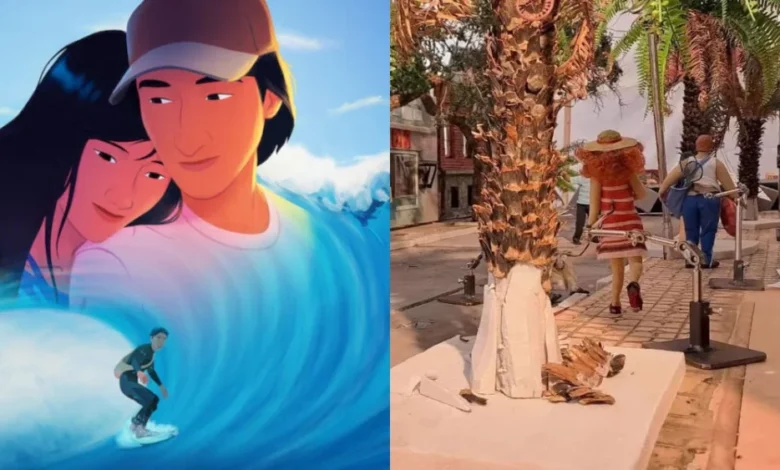
The Manchester Animation Festival (MAF), the United Kingdom’s premier gathering for the animation industry, concluded its 2026 edition this week with a dual focus on celebrating artistic achievement and setting a definitive course for the future of digital content. As the festival announced its list of award winners, director Steve Henderson simultaneously unveiled a major policy shift: starting with the 2027 edition, the festival will no longer accept submissions containing generative artificial intelligence. This decision places MAF at the forefront of a growing movement among major film festivals to protect human-led craftsmanship in the face of rapid technological disruption.
A Landmark Policy Shift in the Creative Sector
The announcement follows months of intense industry debate regarding the role of AI in creative workflows. By formally excluding generative AI from its competition categories, MAF is aligning itself with a growing consensus among prestigious institutions that prioritize traditional animation techniques—such as hand-drawn, stop-motion, and 2D/3D digital artistry—which are deeply rooted in human labor and creative intent.
Festival director Steve Henderson framed the decision not as an act of technophobia, but as a commitment to the preservation of animation as a distinctively human endeavor. "As we open our call for entries for MAF 2027, we wanted to stand by the creatives that make animation the incredible, human artform that it is," Henderson stated in a press release. "Our new Gen AI policy puts artists first and continues our mission to showcase the very best animation has to offer, making it clear for audiences and artists where MAF stands."
This policy is expected to have a significant impact on the festival’s submission process. By requiring transparency and manual verification, the festival aims to safeguard its reputation as a space for original, authored works. Industry observers note that while AI tools for post-production or efficiency exist, the "generative" aspect—which often relies on scraping proprietary data from existing artists without consent—is the primary point of contention for labor unions and independent creators alike.
Record-Breaking Attendance at the 2026 Edition
The policy announcement served as a sobering conclusion to a week of record-breaking success for the festival. The 2026 edition of the Manchester Animation Festival drew nearly 12,000 admissions, the highest attendance in the event’s history. This surge in interest underscores the enduring popularity of independent animation and the importance of physical, community-focused festivals in an era of digital streaming dominance.
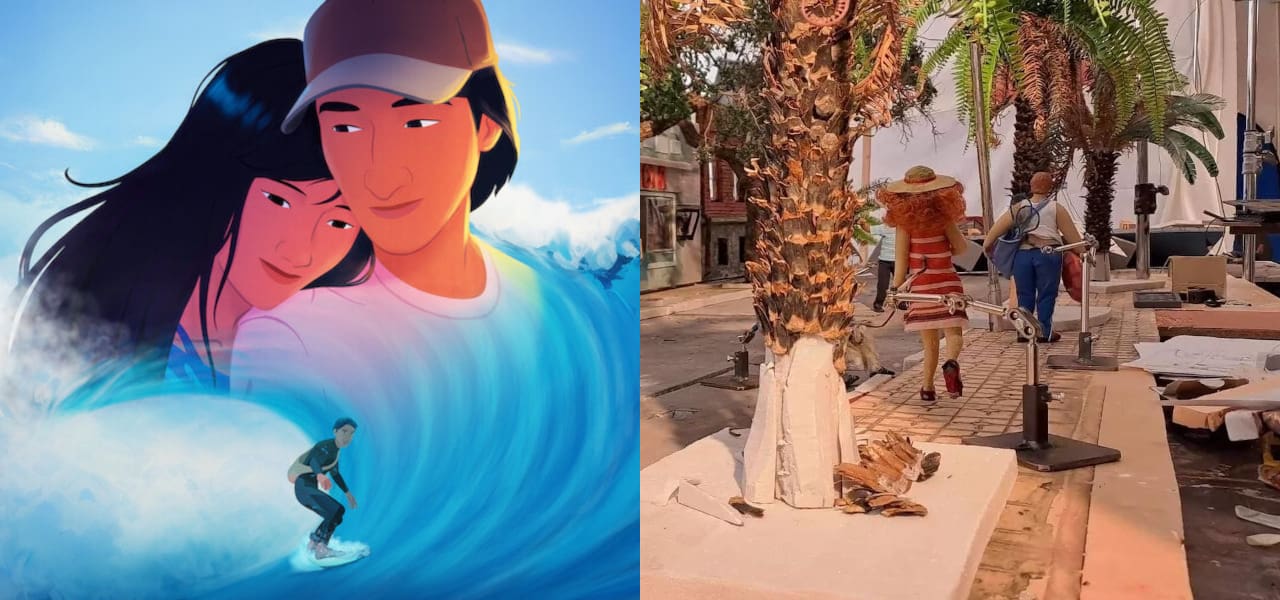
The festival’s five-day program was packed with industry masterclasses, screenings, and panel discussions that addressed the state of the industry, including discussions on international co-productions, the rise of anime in Western markets, and the persistent challenges of funding independent shorts.
Celebrating the Winners: A Showcase of Human Craft
The MAF awards serve as a vital barometer for the international animation scene, often highlighting projects that go on to receive wider acclaim, including Academy Award nominations. The 2026 awards ceremony highlighted a diverse range of styles and storytelling approaches.
Phuong Mai Nguyen’s In Waves secured the top prize for Feature Film. The film, which marked a major acquisition for Netflix following its strong reception at Cannes earlier this year, has been praised for its emotional depth and distinct visual style. The festival also recognized the global appeal of Japanese animation by awarding a special mention to Kōhei Kadowaki’s We Are Aliens, a standout project that has captivated critics with its narrative complexity.
In the highly competitive shorts category, the Oscar-qualifying award was presented to Mamuka Tkeshelashvili for When the Sea Was Calm. The film was lauded by the jury for its technical precision and evocative storytelling. Meanwhile, the British short film category saw a win for A Little Death, directed by Leto Meade and Jonathan Rockefeller. The audience-voted award, often seen as a reflection of popular sentiment, went to Antonin Niclass for Into the Forest, which also received a special mention in the children’s competition, highlighting the film’s cross-generational appeal.
Contextualizing the Industry Landscape
The decision by the Manchester Animation Festival to ban generative AI does not happen in a vacuum. For the past two years, the global animation industry has been grappling with the implications of large language models and image-generation software. Unions such as The Animation Guild and various international creator advocacy groups have campaigned for stricter regulations on how AI is used in the workplace, citing concerns over job displacement and copyright infringement.
By implementing this ban, MAF joins a growing list of prestigious festivals taking a firm stance. Earlier in 2026, several other European festivals initiated similar discussions, though MAF’s policy is among the most clearly defined. For independent creators, this provides a "safe harbor" where their work will not be judged alongside content generated by machines, ensuring that the competition remains a contest of human imagination rather than technical prompting capabilities.

The Broader Implications for Festival Circuits
The movement toward "AI-free" festival categories is likely to influence how independent studios and individual animators prepare their work for public release. As festivals increasingly demand proof of authorship, the production pipeline for short and feature films may become more transparent. This shift is expected to bolster the value of traditional craft and reinforce the status of animators as essential creative workers whose labor cannot be easily replicated by algorithmic processes.
Furthermore, the focus on human-centric storytelling at MAF 2026 suggests that audiences remain deeply invested in the personal narratives that have defined animation for decades. The success of In Waves and other awardees demonstrates that, despite the technological noise surrounding AI, high-quality, author-driven storytelling remains the most viable path to critical and commercial success.
Looking Ahead to 2027
As the dust settles on the 2026 edition, the organizers are already pivoting toward the next iteration of the festival. Manchester Animation Festival is scheduled to return from November 14 to 18, 2027. The upcoming cycle will be the first to operate under the new regulatory framework, and many eyes in the industry will be on the festival to see how the implementation of the ban affects the quality and variety of submissions.
The festival’s move is viewed by many as a necessary step to maintain the integrity of its awards. By distancing itself from the controversy of generative AI, MAF is signaling to the global animation community that its priorities lie in supporting the next generation of human artists. As Steve Henderson noted, the festival remains a "wonderful way to reflect on the skills and talent we champion."
In the coming months, the festival will likely issue detailed guidelines for entrants, clarifying the definitions and the verification processes that will ensure compliance with the new policy. For now, the animation industry views the Manchester Animation Festival’s decision as a significant milestone in the ongoing struggle to define the role of technology in the arts—a struggle that will likely continue to shape the festival circuit for years to come. With nearly 12,000 attendees backing the event, the festival’s mandate to "put artists first" appears to be in alignment with the desires of its core audience, setting a strong precedent for the future of international animation.