Animation Industry Braces for San Diego Comic-Con Amid Disney Layoffs and Major Production Announcements

The global animation landscape is currently defined by a sharp contrast between creative expansion and corporate contraction as the industry prepares for the opening of San Diego Comic-Con (SDCC) 2026. While fans and creators gather to celebrate high-profile trailer debuts and prestigious documentary clips, the mood is tempered by news of a third significant round of layoffs at The Walt Disney Company. This dual reality—one of artistic innovation and the other of fiscal austerity—serves as the backdrop for this year’s major industry developments, ranging from the reimagining of classic pulp sci-fi to the shifting strategies of international film festivals and digital distribution platforms.
High-Profile Debuts at San Diego Comic-Con 2026
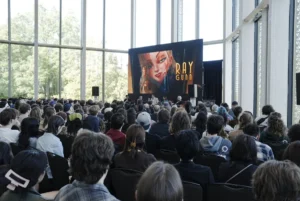
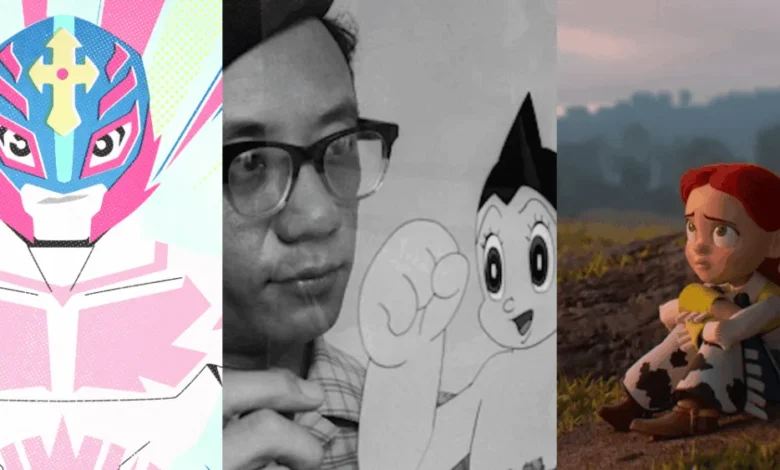
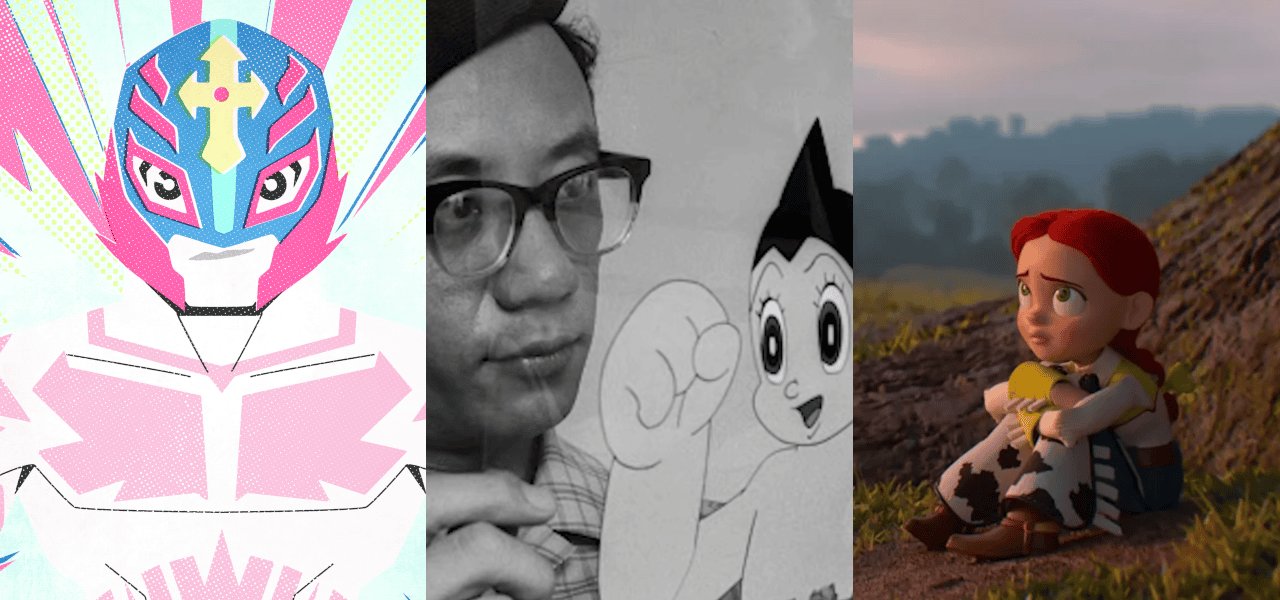
As the gates prepare to open for San Diego Comic-Con, the animation community has focused its attention on two major exclusive reveals that highlight the diversity of the medium. The first is the U.S. trailer debut for Rey Mysterio vs. the Darkness, an ambitious project from the Mexican studio ¡Viva Calavera!. The series, which features the legendary WWE superstar Rey Mysterio, represents a significant bridge between professional wrestling culture and supernatural action-adventure storytelling. Produced with a visual style that pays homage to Mexican graphic traditions and the vibrant aesthetic of Lucha Libre, the series follows Mysterio as he battles ancient forces of evil.
The project has been in development for several years, and its presence at SDCC 2026 marks a pivotal moment for Latin American animation on the global stage. Industry analysts note that the series is part of a broader trend of "culture-first" storytelling, where regional folklore is blended with established global brands to reach a wider demographic.
In addition to the Mysterio trailer, Comic-Con attendees will be treated to a first look at TEZUKA! God of Manga. This documentary explores the life and enduring legacy of Osamu Tezuka, the visionary often referred to as the "Father of Manga" and the "Godfather of Anime." The film aims to provide an exhaustive look at Tezuka’s contributions to the medium, from the creation of Astro Boy to his pioneering techniques in limited animation that defined the industry’s aesthetic for decades. The inclusion of this documentary at a major Western convention underscores the continued reverence for Japanese animation history and its foundational influence on modern global media.
Turmoil at Disney: The Third Wave of Layoffs
Despite the excitement surrounding upcoming releases, the industry is grappling with the latest internal restructuring at The Walt Disney Company. Under the leadership of CEO Josh D’Amaroo, Disney has initiated its third major round of layoffs in 2026. This move is part of an ongoing "efficiency mandate" aimed at streamlining the company’s film and television divisions following several years of volatile streaming performance and rising production costs.
Reports indicate that Pixar Animation Studios will bear the brunt of these latest cuts. This is particularly notable given Pixar’s historical status as the crown jewel of Disney’s creative portfolio. While Disney has not released specific numbers, internal sources suggest that the layoffs will affect both production staff and mid-level management. The move follows a pattern established earlier in the year where Disney sought to consolidate its animation pipelines, often merging resources between Disney Television Animation, Disney Animation Studios, and Pixar.
The "D’Amaroo Era" has so far been characterized by a ruthless focus on the bottom line, with the CEO emphasizing "quality over quantity" in public statements. However, critics within the industry argue that the frequent rounds of layoffs are damaging morale and could lead to a "brain drain" of top-tier talent to competing studios like Sony Pictures Animation, Netflix, or independent outfits.
The Return to Barsoom: Mark Andrews and John Carter
In a development that has excited fans of classic science fiction, Oscar-winning director Mark Andrews has officially signed on to co-showrun a proposed animated series adaptation of John Carter, Warlord of Mars. Andrews, best known for directing Pixar’s Brave and his work on The Incredibles, is seen as a natural fit for the high-adventure, gravity-defying world created by Edgar Rice Burroughs.
The John Carter IP has had a tumultuous history at Disney, most notably with the 2012 live-action film directed by Andrew Stanton. While that film gained a cult following over time, its initial box-office failure led Disney to distance itself from the franchise for over a decade. The shift to animation for this new adaptation is viewed by many as a strategic correction. Animation allows for a more faithful representation of the Martian landscapes and the diverse alien species of Barsoom without the prohibitive costs and technical limitations of live-action visual effects.
Andrews’ involvement suggests a tone that will be both epic and character-driven. The project is currently in the early stages of development, but it signals a renewed interest in utilizing established literary properties to bolster the streaming catalogs of major platforms.
Shifting Distribution Models: Disney Jr. and the YouTube Frontier
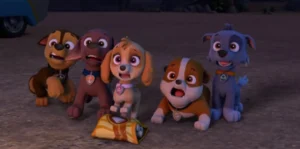
In a quieter but equally significant move, Disney Jr. has released Ozzy Fox, a new series targeted at kids and families. What makes this release noteworthy is its distribution method: it is a "YouTube-native" series. Produced by the French studio Animaj, Ozzy Fox represents Disney’s growing recognition of the power of social video platforms in reaching younger audiences.
For years, traditional broadcasters viewed YouTube as a secondary platform for clips and marketing. However, the success of "Kid-Tech" companies like Animaj, which specialize in scaling high-quality animation through data-driven insights on digital platforms, has forced a shift in strategy. By launching Ozzy Fox directly on YouTube, Disney is attempting to capture the "digital-first" generation of viewers who may not have traditional cable subscriptions or even active Disney+ accounts. This hybrid approach to distribution—blending traditional brand prestige with modern platform accessibility—is expected to become a standard model for children’s content in the coming years.
International Animation: Spain and Kosovo
The European animation scene is also seeing major shifts, particularly in the festival circuit. Spain’s Weird Market, one of the most important events for animation, video games, and new media in the country, has announced a new partnership. The event will now be hosted as part of the Sitges International Fantastic Film Festival of Catalonia.
.png)
Sitges is one of the world’s most prestigious festivals for the "fantastic" genre (horror, sci-fi, and fantasy), and the inclusion of Weird Market into its ecosystem is a strategic move. This partnership is expected to foster greater collaboration between animators and live-action genre filmmakers, potentially leading to more cross-media projects. It also elevates the profile of Spanish animation, which has been on a steady rise with the success of films like Klaus and Robot Dreams.
Further east, the Anibar International Animation Festival in Kosovo has concluded its 2026 edition by unveiling its winners. Anibar has grown into a vital hub for animation in the Balkan region, providing a platform for voices that are often marginalized in the broader European market. The 2026 awards highlighted a diverse array of independent shorts and features, emphasizing themes of social justice, environmentalism, and personal identity. The festival’s success is a testament to the democratization of animation tools, allowing creators in emerging markets to produce world-class work.
Chronology of Events: July 2026
- July 14, 2026: Disney CEO Josh D’Amaroo hints at "organizational adjustments" during a quarterly earnings call.
- July 17, 2026: Anibar International Animation Festival concludes in Kosovo, announcing a record number of submissions from 40 countries.
- July 19, 2026: Mark Andrews is confirmed as co-showrunner for John Carter, Warlord of Mars.
- July 20, 2026: Internal memos at Disney and Pixar confirm the third round of layoffs for the fiscal year.
- July 21, 2026: Cartoon Brew debuts the U.S. trailer for Rey Mysterio vs. the Darkness and the TEZUKA! documentary clip.
- July 22, 2026: San Diego Comic-Con officially opens to the public.
Broader Implications and Industry Analysis
The current state of the animation industry is one of profound transition. The layoffs at Disney and Pixar are indicative of a broader market correction. After the "streaming wars" of the early 2020s led to an explosion of spending and production, studios are now facing a reality where profitability must be prioritized over subscriber growth. This has led to a more conservative approach to greenlighting new projects, with a heavy reliance on established IPs like John Carter or high-profile collaborations like the Rey Mysterio series.
However, the growth of festivals like Anibar and the strategic moves by Weird Market suggest that the independent and international sectors remain vibrant. While major studios are tightening their belts, independent creators and regional hubs are finding new ways to collaborate and distribute their work. The rise of YouTube-native content, as seen with Ozzy Fox, also suggests that the barriers to entry are changing, allowing for more agile production models that do not rely on traditional television gatekeepers.
As San Diego Comic-Con 2026 unfolds, the industry will be watching closely to see how audiences respond to these new offerings. The success of projects like Rey Mysterio vs. the Darkness and the Tezuka documentary will be a litmus test for whether high-concept, culturally specific content can thrive in an era of corporate consolidation. For now, the animation world remains a field of immense creative potential, even as it navigates the harsh realities of a changing economic landscape.