The De-acceleration of a Powerhouse: Ánima Estudios Under Pressure
Ánima Estudios, a studio that has long served as the cornerstone of the Mexican animation industry, has officially paused its production slate. This decision comes amidst a broader corporate restructuring effort that has resulted in significant layoffs and a wave of allegations regarding unpaid wages to creative staff. For over two decades, Ánima has been the primary engine for Mexican IP, producing hits such as the Las Leyendas (The Legends) franchise and Top Cat: The Movie. Its current crisis represents a monumental shift for the region, as the studio was often viewed as the primary bridge between Latin American talent and global distributors like Netflix, Disney, and Warner Bros. Discovery.
The restructuring is reportedly a response to shifting market demands and the rising costs of maintaining large-scale traditional animation pipelines in a volatile economy. Industry analysts suggest that the pause in production may be a strategic attempt to pivot toward a leaner, more outsourced model, though the human cost has been immediate. Reports from former employees indicate that the layoffs were abrupt, and the delay in final compensation has sparked a heated debate within the Mexican creative community regarding labor protections and the sustainability of "boom" periods in regional animation hubs.
The crisis at Ánima is particularly significant given the studio’s role in the "Mexican Animation Boom" of the 2010s. By securing international co-productions and leveraging local folklore for global audiences, Ánima proved that Mexican animation could compete on a world stage. If the studio fails to resolve its financial obligations and stabilize its operations, the ripple effect could stifle investment in other Latin American studios that rely on the infrastructure and confidence built by Ánima over the last 22 years.
Netflix and the Normalization of Generative AI
While traditional studios struggle with overhead, Netflix has signaled a massive shift in production methodology. During the first half of 2026, the streaming giant revealed that generative AI workflows were utilized in the production of nearly 300 titles. This disclosure marks the first time a major studio has quantified the extent of AI integration across its library, suggesting that the technology is no longer in an experimental phase but is now a standard component of the streaming pipeline.
The AI surge at Netflix appears to focus on efficiency in background rendering, color grading, and localized dubbing processes. By implementing these automated workflows, the company has been able to accelerate its release schedule while managing the rising costs of content creation. However, this revelation has reignited tensions between the tech-heavy streaming model and creative guilds. Critics argue that the "AI surge" poses an existential threat to entry-level roles in the animation and VFX sectors, particularly for "in-betweeners" and background artists whose tasks are most susceptible to automation.
Netflix’s data suggests that the integration of AI is not limited to high-concept science fiction or animated features but is increasingly present in live-action post-production and international localization. As the company continues to refine these tools, the industry expects other major players like Amazon and Apple to follow suit, potentially leading to a permanent reduction in human-led labor hours for large-scale episodic content.
Spain’s State-Backed Animation Expansion
In contrast to the private-sector volatility in Mexico, the Spanish government is doubling down on its commitment to becoming a global animation powerhouse. The Ministry of Culture recently announced a $7.4 million investment in Amuse Animation, a producer based in the Canary Islands. This follows a previous, more substantial injection of nearly $30 million into Anima Kitchent, which was recently acquired by the global VFX giant DNEG.
The Spanish strategy is built on a foundation of aggressive tax incentives and direct state subsidies. The Canary Islands, in particular, have become an attractive "hub" due to the Special Low Tax Zone (ZEC), which offers a corporate tax rate of just 4% to authorized entities. By funding studios like Amuse Animation, Spain is attempting to secure long-term intellectual property rights and high-value technical jobs. This state-led model stands in stark contrast to the market-driven struggles of Ánima Estudios in Mexico, highlighting how government intervention can provide a safety net for creative industries during periods of global economic cooling.
Franchise Reimagining: From Influencers to Revivals
The middle of 2026 has also seen a flurry of activity regarding legacy intellectual properties. One of the most notable shifts is the reimagining of Alvin and the Chipmunks. No longer confined to traditional television or film formats, the characters are being rebranded as "digital-first influencers." This pivot aims to capture the attention of Gen Alpha by integrating the Chipmunks into short-form video platforms and interactive social media content. This strategy serves as a bridge to a planned 2028 feature film, reflecting a new industry trend where IP must prove its "viral" viability before receiving a theatrical greenlight.
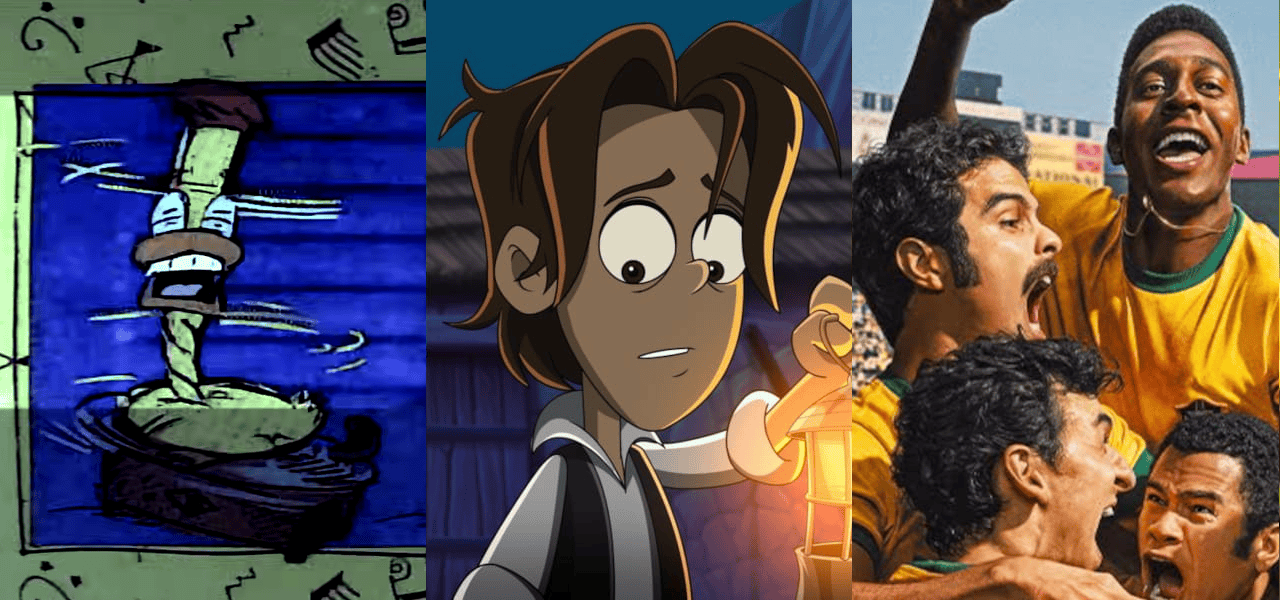
In the realm of adult animation, Gábor Csupó, co-founder of Klasky Csupo, recently shared a proposed opening sequence for a Duckman revival. The footage, described as both visually striking and intentionally grotesque, has generated significant social media engagement. While a full series has yet to be greenlit, the reaction underscores a growing appetite for the "ugly-chic" aesthetic of the 1990s, as streamers look to tap into millennial nostalgia through edgy, creator-driven content.
Paramount’s Niche Theatrical Strategy for Avatar
Paramount’s approach to the Avatar: The Last Airbender franchise has raised eyebrows among distribution experts. The studio recently unveiled a "token" two-theater release for Avatar Aang: The Last Airbender, a move that many interpret as a contractual or awards-qualifying formality rather than a traditional theatrical run. This "niche" release strategy reflects the growing divide between blockbuster theatrical releases and content destined primarily for the Paramount+ streaming ecosystem.
.png)
To complement this limited theatrical presence, Paramount is leaning heavily into experiential entertainment. A live concert tour for The Legend of Korra has been announced, following the success of similar orchestral events for the original series. This indicates a shift in how major studios monetize fanbases; when theatrical returns are uncertain, live events and "boutique" screenings offer a way to maintain brand engagement without the massive marketing spend required for a wide cinema release.
Art House Animation and International Adaptations
Amidst the corporate restructuring and AI debates, the art of traditional animation continues to find a home through specialized distributors. GKIDS has debuted the trailer for Cocoon – One Summer of Girlhood, directed by Yukimitsu Ina. The film is an adaptation of Machiko Kyo’s acclaimed manga, which explores the lives of young girls during the final days of World War II.
The release of Cocoon highlights the enduring demand for serious, adult-oriented animation that tackles historical and social themes. While major studios like Netflix and Paramount focus on AI and legacy franchises, independent distributors like GKIDS remain the primary pipeline for culturally significant works that prioritize hand-drawn aesthetics and auteur-driven storytelling.
Implications and Future Outlook
The current state of the industry, as evidenced by the crisis at Ánima Estudios and the AI surge at Netflix, suggests a bifurcated future for animation. On one side, the "industrial" model of animation is becoming increasingly automated and data-driven, with streamers prioritizing cost-efficiency and social media integration. On the other side, the "state-supported" and "independent" models are focusing on regional stability and artistic preservation.
For Mexico, the situation at Ánima Estudios is a cautionary tale about the fragility of private-sector animation in the absence of robust government support or diversified revenue streams. For the global workforce, the rise of AI at Netflix serves as a signal that the skills required for a career in animation are shifting away from manual execution toward the oversight of automated systems. As the industry moves toward 2027, the success or failure of Ánima’s restructuring and the public reception of AI-assisted content will likely dictate the next decade of animation production.