From Classroom to Feature Film: How Matt Jones Transformed Remote Animation Education Through the YOKAi Project

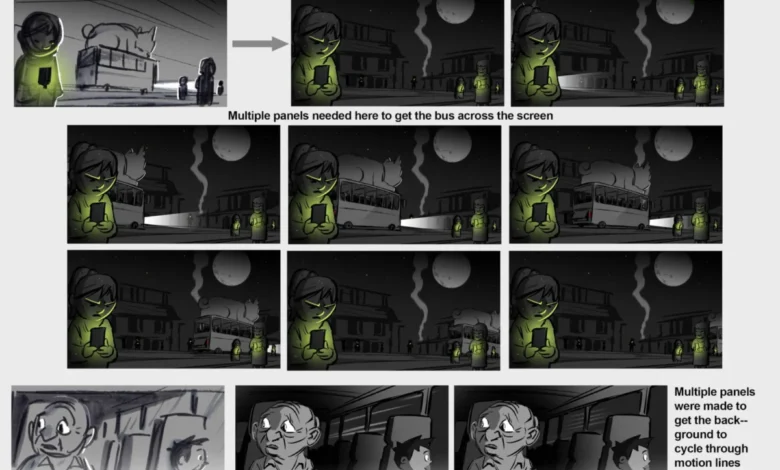
When the global pandemic forced a sudden cessation of in-person instruction in 2020, animation educators were thrust into an unprecedented pedagogical crisis. The traditional art school model, which relies heavily on shoulder-to-shoulder mentorship and collaborative studio environments, struggled to translate into the digital grid of Zoom calls and remote learning platforms. For Matt Jones, a veteran story artist whose credits include industry milestones such as Spider-Man: Across the Spider-Verse, Pixar’s Inside Out, and Aardman’s Chicken Run: Dawn of the Nugget, the challenge was twofold: maintaining student engagement during grueling four-hour video sessions and ensuring that graduates entered a fractured job market with competitive, industry-ready portfolios.
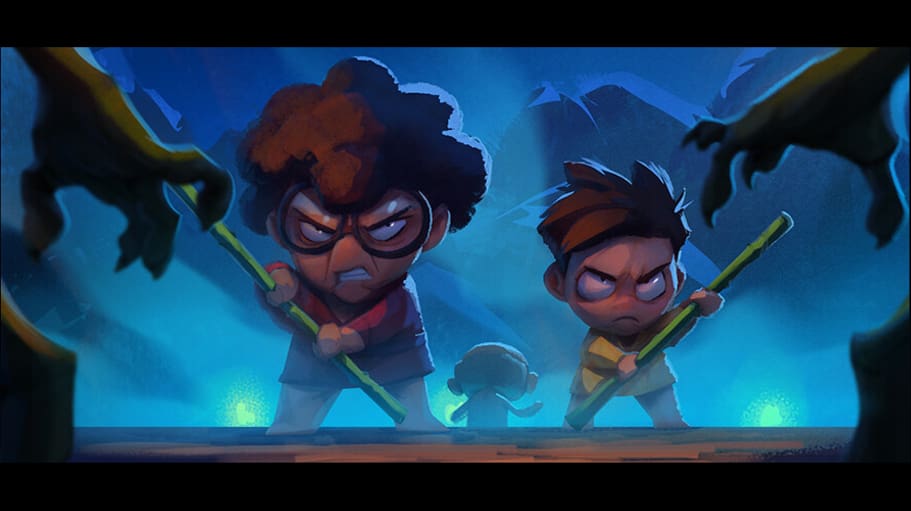
The solution Jones devised was YOKAi, an ambitious, anime-inspired horror feature aimed at children. Rather than assigning traditional short-form exercises, Jones orchestrated a collaborative production environment where his students storyboarded an entire feature-length film under his direction. The resulting animatic, which includes voice acting, sound design, and musical scores, serves as both a proof of concept for a new model of animation education and a testament to the resilience of the creative community during the COVID-19 lockdowns.
The Genesis of a Virtual Production House
The transition to remote teaching began when Jones was instructing at the Concept Design Academy in Los Angeles. As the lockdown persisted, he launched his own independent online classes. Initially, Jones adhered to the conventional art-school philosophy of encouraging students to write and direct their own short films. However, he quickly encountered the limitations of this approach in a remote setting. Managing dozens of disparate projects led to what he described as "chaos," with students often becoming protective of their individual visions and resistant to the rigorous note-taking process essential for professional development.
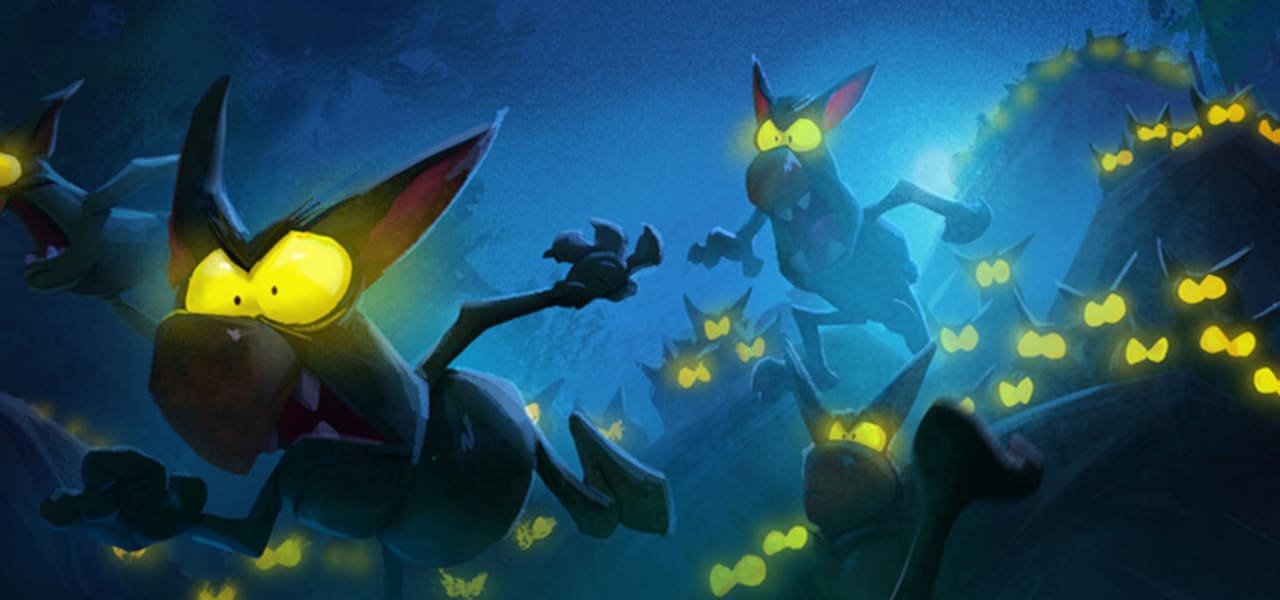
The breakthrough came from the students themselves, who suggested a unified project. By working on a single narrative, the class could function as a professional story room. This shift allowed Jones to simulate the actual pipeline of a major studio like Pixar or Sony. To facilitate this, Jones spent the final months of 2021 drafting a script and outlining Act 1 of YOKAi. By the time the first class launched in January 2022, he was writing subsequent acts in real-time as students boarded the opening sequences.
This "just-in-time" production schedule created a high-stakes environment. Jones utilized his decades of experience in the story departments of Pixar and Aardman to provide a structure that balanced creative freedom with the harsh realities of production deadlines. Students were assigned specific sequences, and group feedback sessions replaced traditional lectures, mimicking the collaborative "braintrust" model used by top-tier animation houses.
Navigating the Ethics of Student Labor
A central challenge of the YOKAi project was the ethical implication of students contributing to a project owned by their instructor. In the animation industry, where labor disputes and intellectual property rights are frequently contested, the prospect of a teacher benefiting from student work is a sensitive topic. Jones addressed this by framing the project as a strictly noncommercial educational exercise.
The primary "payment" for the students was the high-quality, credited material they could add to their professional portfolios. In an industry where entry-level roles often require years of experience, having a credit on a feature-length animatic—complete with professional-grade sound and editing—provided a significant advantage. Jones ensured that every artist received on-screen credit during their specific scenes in the final YouTube release.
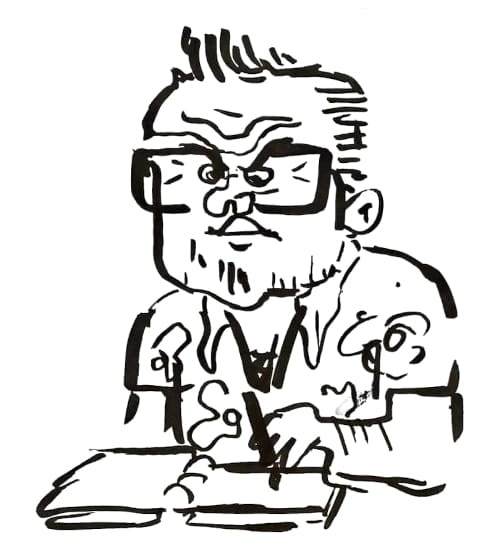
Furthermore, Jones has since advocated for a "profit-share" model for future iterations of this educational format. He suggests that if such projects were to become commercially successful, the ownership should be shared among all participants. This vision aligns with a growing movement within the indie animation scene that seeks to move away from the traditional corporate-owned model toward a more equitable, creator-driven ecosystem.
A Comprehensive Curriculum: Beyond the Drawing Board
The YOKAi project was not merely a technical exercise in storyboarding; it was a holistic masterclass in professional survival. Jones recognized that technical proficiency is only one aspect of a successful career in animation. Consequently, the curriculum was expanded to include "honest education" regarding the industry’s less-glamorous realities.
Sessions were dedicated to physical health, addressing the common ergonomic injuries associated with long hours at a Cintiq. Mental health and the psychological stamina required to sustain a multi-decade career were also prioritized. Perhaps most importantly, Jones integrated financial literacy into the course, teaching students about budgeting, freelance taxes, and the economic structure of the animation business.
Jones also shared his own experiences with the "failure" of pitching. Despite his high-profile career, he spoke candidly about the difficulty of getting original projects greenlit in a risk-averse studio system. This transparency was intended to prepare students for the rejection and professional hurdles that are often omitted from academic brochures. By demystifying the pitching process, Jones aimed to empower students to look beyond the "corporate cog" model and consider founding their own independent studios.
Chronology and the Path to Release
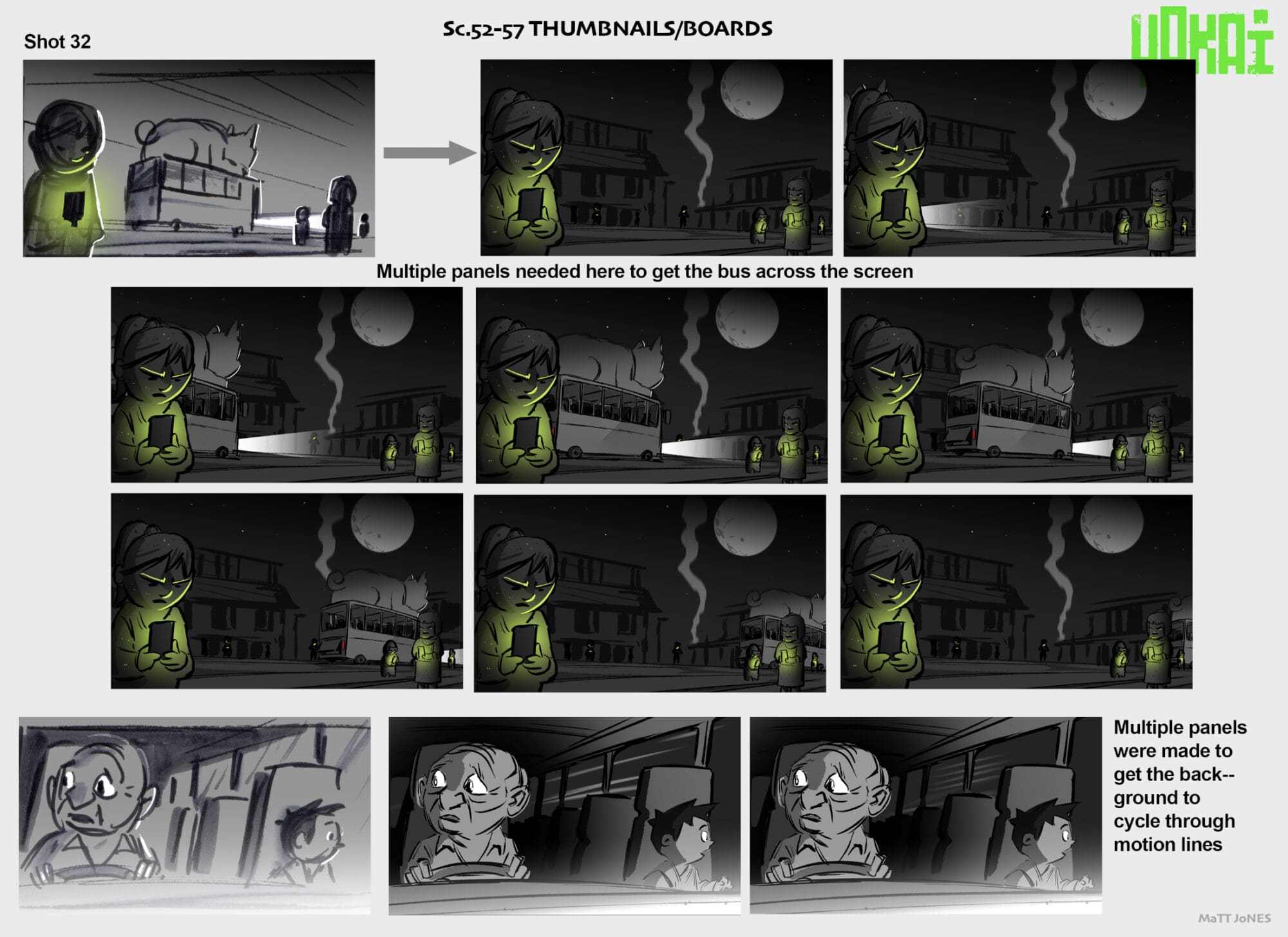
The timeline of YOKAi reflects the labor-intensive nature of animation, even in its pre-visualization stage:
- Late 2021: Matt Jones develops the concept and script for YOKAi, drawing on his background in horror and anime.
- January 2022: The first 10-week course begins. Students are assigned sequences and begin boarding under Jones’s supervision.
- 2022 – 2023: Multiple iterations of the class are held. Jones begins the grueling task of editing the disparate sequences into a cohesive whole. Ukrainian artist Kate Fedorchuck provides striking color keys to establish the film’s visual tone.
- Early 2024: After nearly two years of post-production—much of it handled by Jones personally—the finished feature-length animatic is uploaded to YouTube.
- Mid-2024: The project gains traction within the animation community, serving as a showcase for the participating students, many of whom have already secured positions at Netflix, Disney, and Sony.
Technical and Creative Achievements
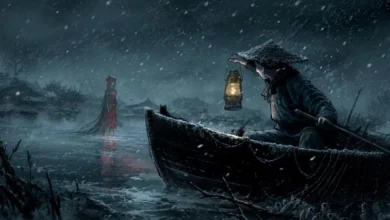
Visually, YOKAi bridges the gap between Western storyboarding techniques and the cinematic language of Japanese anime. The film’s "horror for kids" tone required a delicate balance of atmosphere and accessibility. The involvement of Kate Fedorchuck was instrumental in this regard; her color keys provided a roadmap for how the final film might look, adding a layer of professional polish rarely seen in student animatics.
The technical complexity of the project also involved coordinating voices and sound effects to ensure the animatic functioned as a "watchable" film. Jones received assistance from industry colleagues, but the bulk of the assembly fell to him. This process highlighted the potential for "virtual studios" where assets are tracked and managed across a decentralized network of contributors.
Broader Impact and the Future of Animation Education
The success of the YOKAi project raises significant questions about the future of animation training. Jones’s model suggests that the traditional divide between "student work" and "professional production" is blurring. As high-end production tools become more accessible, the barriers to creating feature-length content are lowering.
Industry analysts suggest that this "studio-school" model could be the key to revitalizing the animation sector. By teaching production management and finance alongside creative skills, schools could produce graduates who are not just employees, but entrepreneurs. Jones envisions a future where government financing supports these student-led indie features, allowing for a diverse range of voices to bypass the traditional studio gatekeepers.
The placement data from Jones’s classes provides a compelling argument for this approach. Students who participated in the YOKAi project have successfully transitioned into roles at major studios, citing the collaborative experience as a primary factor in their hiring. The project proved that learning how to function within a larger narrative framework is as valuable as mastering individual artistic techniques.
Conclusion: A New Wave of Independent Animation
Matt Jones has since returned to his native Wales, where he continues to focus on independent shorts and personal projects. He views the YOKAi experiment as part of a larger "exciting wave of industry change." This movement, characterized by indie features, boutique schools, and creator-owned content, is reshaping how animation is produced and consumed.
While YOKAi may not have achieved the viral viewership of a major studio trailer, its value lies in its role as a blueprint. It demonstrated that a virtual classroom could be more than a place for passive learning; it could be a functioning production house capable of building something massive. As the animation industry continues to navigate a period of contraction and transformation, the lessons learned from a pandemic-era horror film about Japanese spirits may very well light the way for the next generation of filmmakers.