MusicRadar Monthly Guitar Gear Roundup October 2026: ft. Kim Gordon with her Jazzmaster, the Zoom Neurig, Gibson HiFi DNA acoustics and more


The October 2026 guitar gear market witnessed an extraordinary convergence of heavy metal anniversaries, high-performance instrument launches, and cutting-edge digital modeling innovations. As manufacturers pivoted toward the final quarter of the year, major brands and boutique builders alike unveiled milestone products designed to capture the attention of both traditionalists and modern tone-shapers. From signature electrics honoring alternative icons to groundbreaking signal routing solutions and state-of-the-art modelers, the industry demonstrated robust activity across every category of stringed instrumentation and amplification.

High-Performance Metal and Signature Series Expansion
The heavy metal community experienced an early influx of high-performance releases, spearheaded by Epiphone’s comprehensive overhaul of its Prophecy Series. Engineered for modern shredders, the updated range introduces high-output, custom-voiced Fishman humbuckers alongside extended baritone scale lengths, most notably showcased in the new baritone Les Paul model designed to deliver deep, articulated low-end chug. Complementing this metal-centric momentum, Jackson unleashed its Legend Series, a meticulously curated collection honoring four of the most influential signature models in heavy metal history, paying tribute to Randy Rhoads, Scott Ian, Marty Friedman, and David Ellefson.
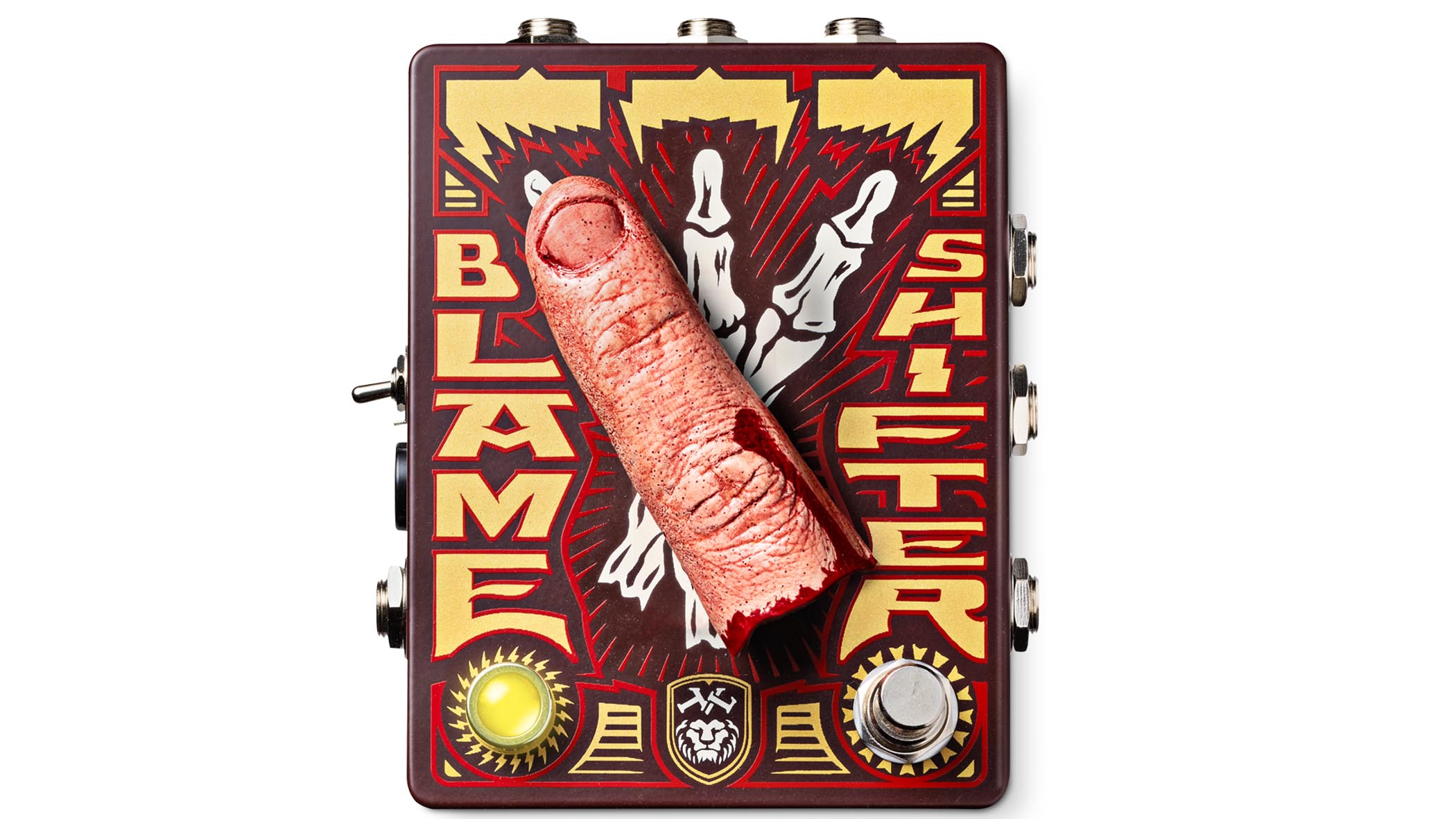
Fender also made significant waves in the signature arena with the introduction of John 5’s signature Phantom and Ghost Telecasters, blending aggressive aesthetics with high-speed playability. Meanwhile, Seymour Duncan catered directly to traditional and modern metal guitarists by releasing dedicated signature pickup sets for Iron Maiden stalwarts Dave Murray and Janick Gers, alongside a limited-edition 50th Anniversary Duncan Distortion Custom Shop set. These releases reflect a broader industry trend of celebrating legacy artists while providing contemporary players with vintage-inspired tone combined with modern reliability.
Boutique Routing and Advanced Effects Innovations
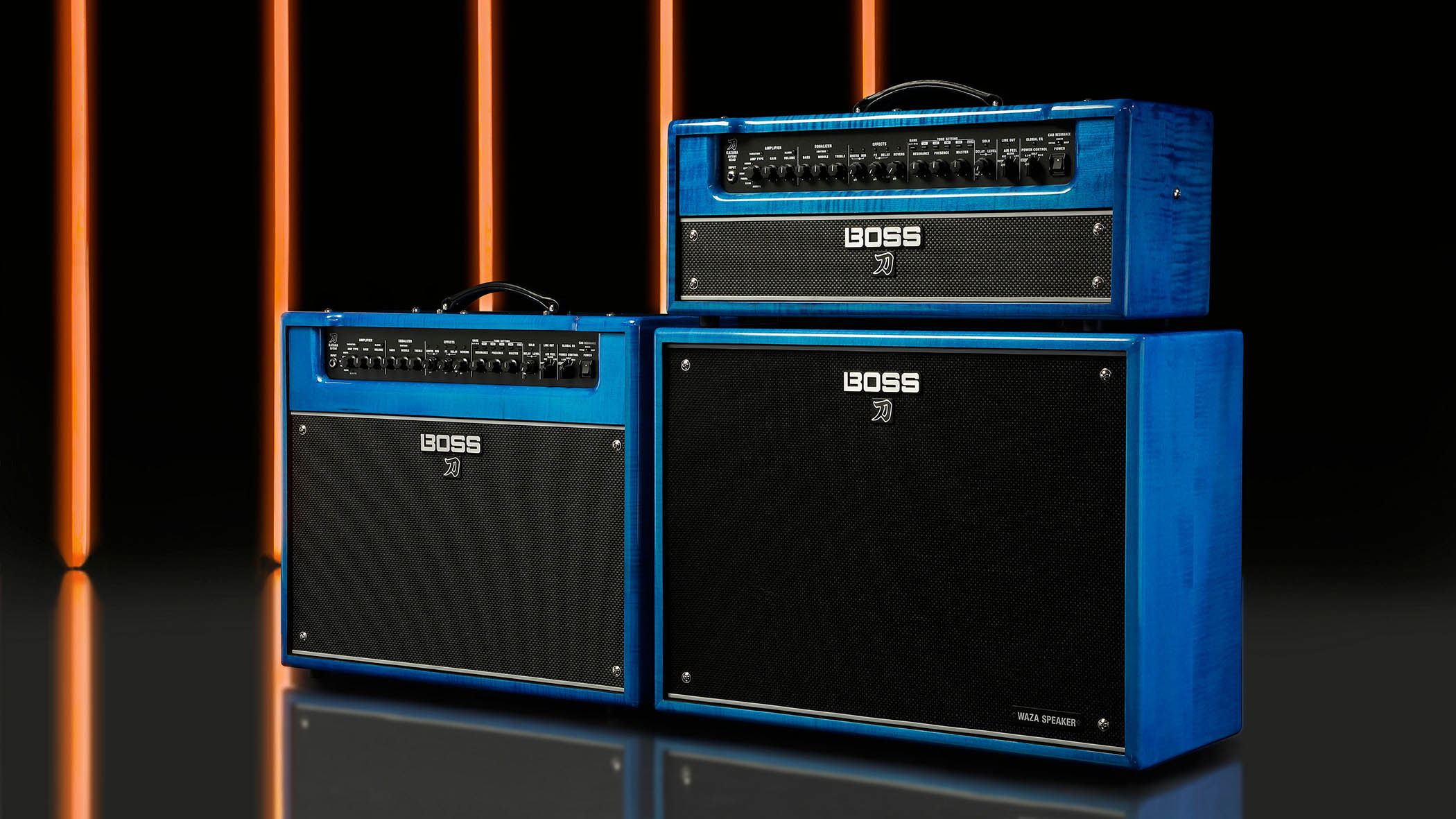
In the realm of stompboxes and signal processing, October 2026 delivered unexpected utility alongside boutique eccentricity. Dr No Effects partnered with Queens of the Stone Age guitarist Troy Van Leeuwen to create the Blameshifter, a high-end buffering and routing box celebrating a decade of collaboration. Designed to solve complex live rig integration challenges, the Blameshifter features a single input, active buffering, and four switchable outputs packaged in a limited-edition collector’s format.
Concurrently, mainstream and boutique pedal builders expanded their sonic footprints. JHS Pedals introduced the Wanderer, combining the iconic Morning Glory and NOTAKLÖN circuits into a single dual-footswitch enclosure, alongside the 3 Series Pherb, which injects a phaser circuit into a reverb platform. EarthQuaker Devices modernized its staple overdrive pedals by releasing the Plumes Jr and Blumes Jr featuring a third Mosfet clipping stage, engineered to provide a harmonically rich, dynamic response reminiscent of a high-end tube amplifier. Fulltone reinforced its market presence with the introduction of the OCD’Lux, merging dual switchable circuits to expand the classic overdrive’s legendary headroom and clipping capabilities.

Digital Modeling and FRFR Evolution
The digital amp modeling and speaker market experienced substantial advancements, driven by new hardware releases and comprehensive firmware updates. Zoom introduced the Neurig, a next-generation hardware modeler featuring advanced neural modeling, NAM A2 Lite integration, and AI-driven tools aimed at challenging established heavyweights in the modeler space.
Line 6 rolled out the Helix Stadium 1.4 firmware update, officially dubbed "The Eras Update." This software release introduced stem-separation technology, allowing users to isolate individual tracks—such as drums, bass, guitar, and vocals—from audio sources to mute desired elements and practice alongside them. The update also incorporated three new Agoura amplifiers and four distinct distortion models, further solidifying the platform’s versatility.
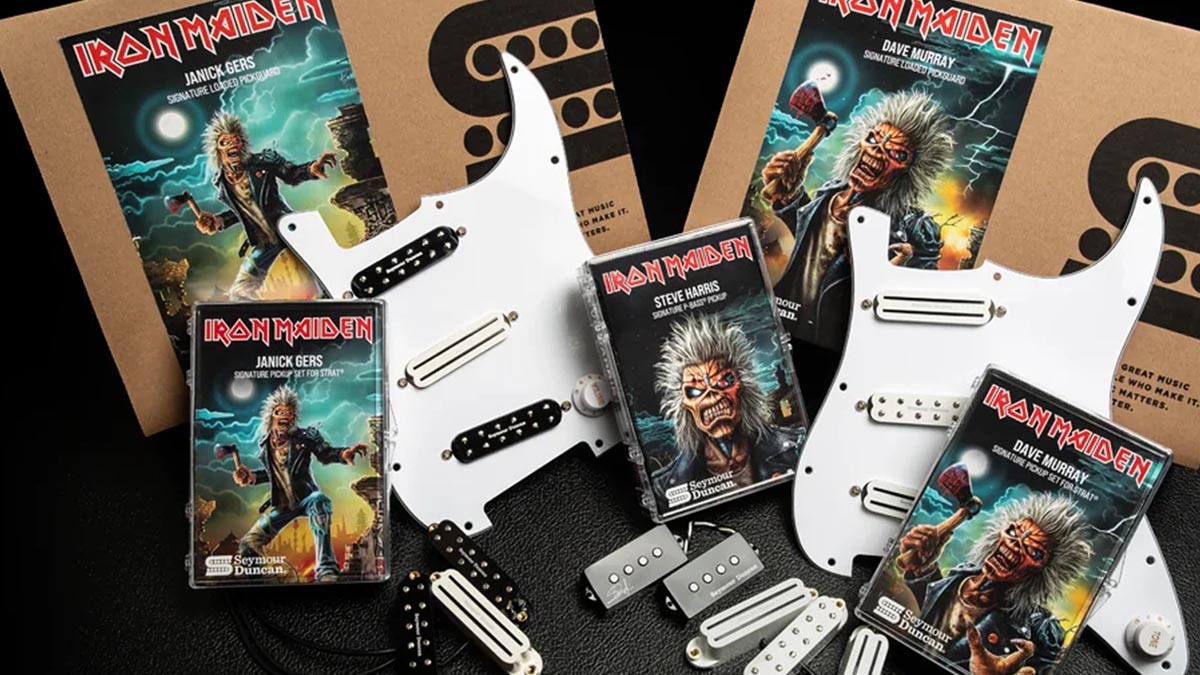
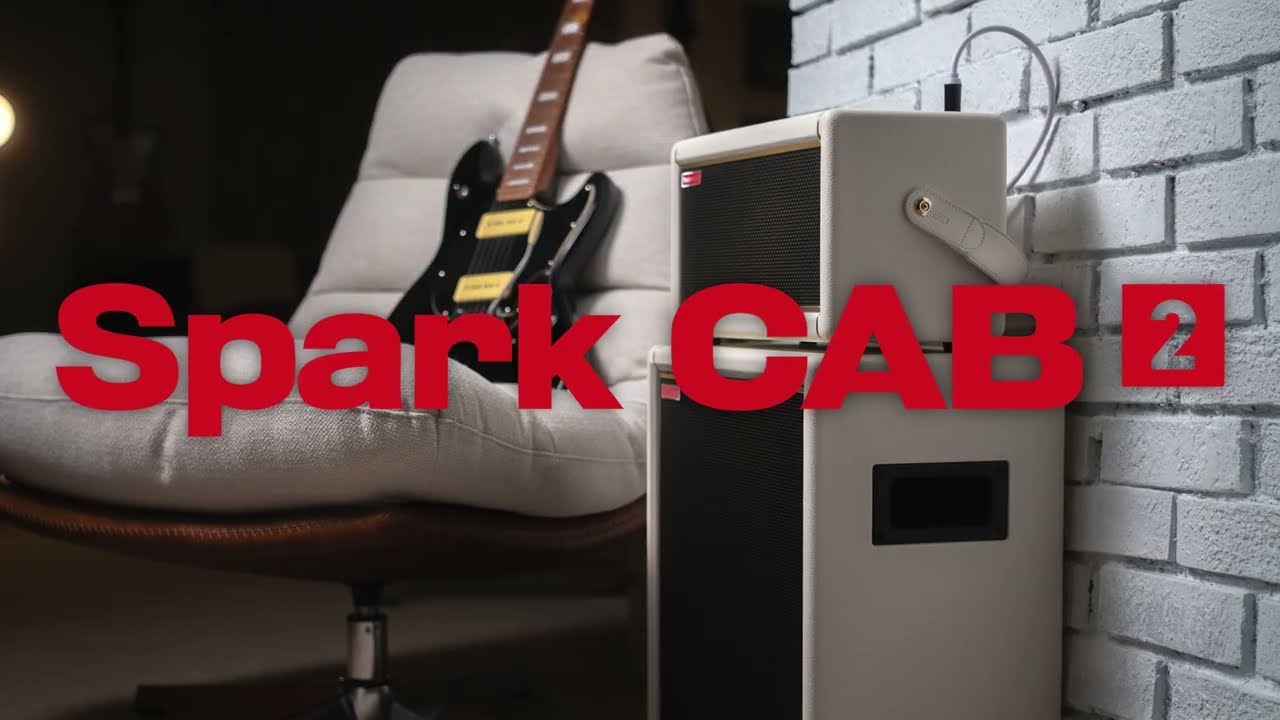
To support these modern modelers, Positive Grid unveiled the Spark Cab 2. Delivering 140 watts of power through retuned, FRFR-compliant acoustics, the cabinet offers stereo XLR/TRS inputs, balanced XLR outputs, and integrated DC and USB power distribution capabilities designed to power various Spark amplifiers and pedals seamlessly.
Acoustic Masterpieces and Carbon-Fiber Innovation
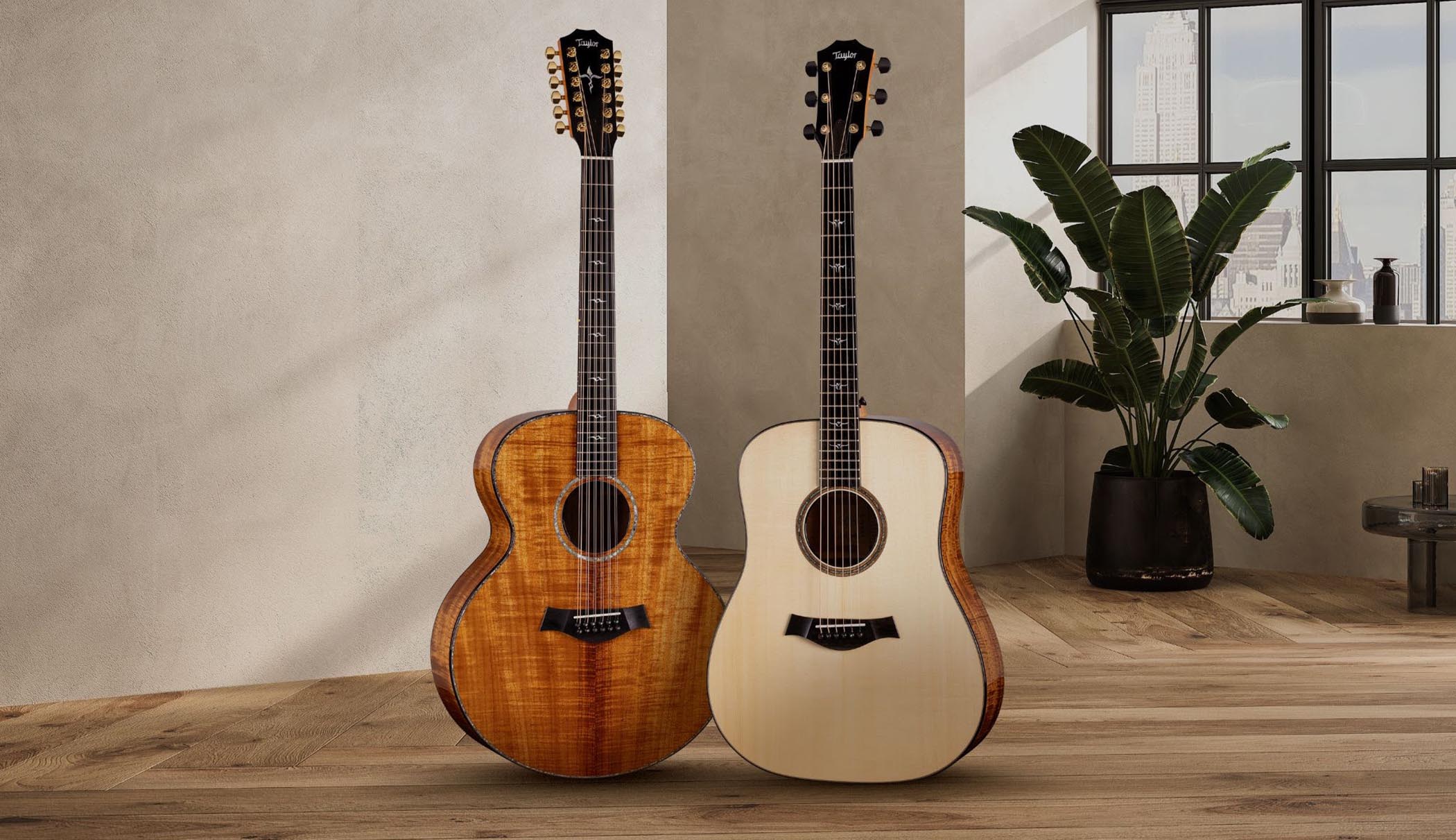
Acoustic guitar manufacturing saw premium offerings focused on high-grade tonewoods and technological integration. Taylor Guitars expanded its Legacy Series by incorporating Hawaiian Koa for the first time, limiting production to 52 instruments per model to commemorate the brand’s 52nd anniversary. The release features the highly figured, all-koa Legacy K65e LTD 12-string jumbo and the spruce-topped Custom Legacy K10 LTD dreadnought, showcasing the visual and tonal characteristics of premium tropical hardwoods.
Gibson turned its focus toward live performance amplification by rolling out its collaboration with acoustic pickup specialist Baggs. The newly integrated HiFi DNA system was introduced across quartet instruments within the Original Collection, including the J-45 Original, J-45 60s Original Fixed Bridge, Southern Jumbo 40s Original, and Country Western 60s Original. This unobtrusive bridge-plate transducer system preserves the traditional internal bracing and acoustic resonance of classic Gibson flat-tops while delivering pristine amplified tone.
Emerald Guitars demonstrated its commitment to futuristic design by refreshing its carbon-fiber lineup, led by the versatile X20 model available in steel-string, nylon-string, and 12-string configurations. These composite instruments provide exceptional structural stability and resistance to environmental fluctuations without compromising acoustic projection or ergonomic comfort.

Market Implications and Future Outlook
The breadth of October 2026 releases illustrates a mature guitar gear industry that successfully balances nostalgia with technological progression. By pairing high-end analog developments—such as germanium-infused compression and MOSFET overdrive modifications—with sophisticated digital tools like stem-separation firmware and neural modelers, manufacturers are effectively catering to a diverse consumer base.
As supply chains stabilize and technological integration deepens, brands are increasingly focusing on collector-grade limited runs alongside accessible, feature-rich production models. The commercial success of these diverse product lines indicates sustained consumer demand for innovation, reaffirming the guitar market’s resilience and capacity for reinvention heading into the final stretch of the decade.