Dutch Design Week 2026: Exploring Rebel Authentic Worth and the Future of Experimental Design

The 26th annual edition of Dutch Design Week (DDW) transformed Eindhoven into a global epicenter of creative experimentation, welcoming more than 2,500 established designers, emerging talents, and major international brands. Running across various industrial hubs, cultural centers, and public plazas throughout the city, this year’s festival operated under the thematic banner of Rebel Authentic Worth, commonly abbreviated as R.A.W. This overarching concept was chosen to underscore the vital social, cultural, and economic importance of design that deliberately creates space for unpolished material research, radical imagination, and physical prototyping.
In an era increasingly dominated by automated optimization, standardized manufacturing, and algorithmic visual perfection driven by artificial intelligence, the 2026 edition of DDW positioned itself as a deliberate counter-narrative. The festival directly addressed a growing societal anxiety surrounding rapid technological acceleration. Rather than accepting technology as an infallible or passive utility, the showcased projects challenged these developments, offered alternative perspectives, and investigated how physical design can help humanity navigate an increasingly complex global landscape. From institutional critiques and material science breakthroughs to interactive public installations and playful home goods, the festival highlighted eleven standout projects that defined the trajectory of contemporary design in 2026.
Institutional Systems and Next-Generation Talent at Design Academy Eindhoven
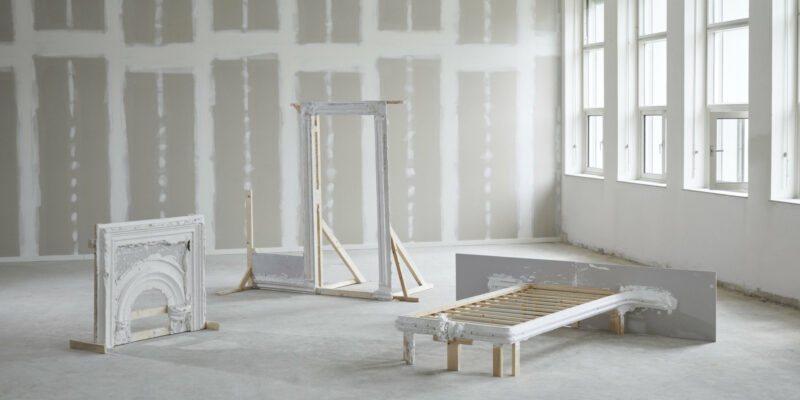
As a cornerstone of Dutch Design Week, the annual Graduation Show hosted by Design Academy Eindhoven (DAE) offered a comprehensive and critical look at the future of the discipline. Spanning ambitious objects, room-scale installations, and deeply empirical research, the student works mapped the contradictions of the modern world. According to Nadine Botha, head of the Social Design Master’s program at DAE, the projects served as navigational tools for graduates coming to terms with structural shifts, colonial histories, economic uncertainties, and institutional realities.
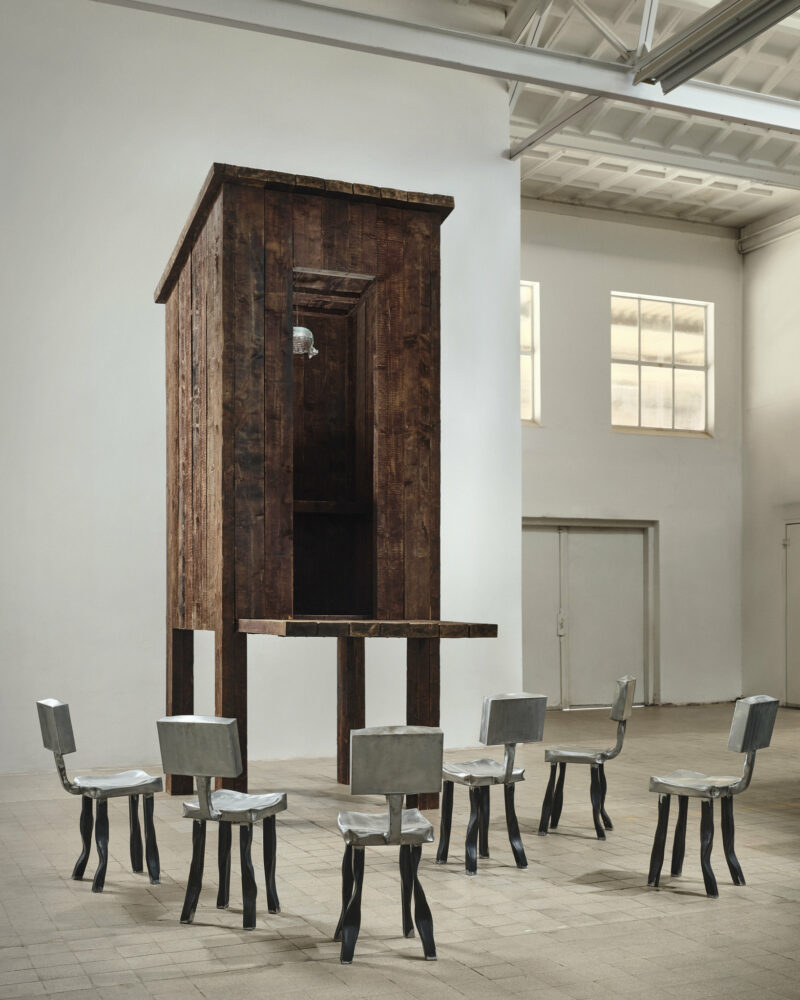
This focus on systemic evaluation carried added resonance during the 2026 edition. The exhibition’s internal dialogue regarding institutional structures coincided with active student protests at DAE concerning persistent overcrowding, inadequate studio space, and restricted access to physical workshops. Notable graduation projects, such as Dirk Duif’s evocative Safe House and Yann Thiel’s architectural exploration Excess Cornice, demonstrated how emerging creators are confronting the limitations of both architectural spaces and historical legacies. By turning an analytical lens inward, DAE graduates emphasized that design education itself must adapt to the evolving demands of material scarcity and student welfare.
Public Safety, Surveillance, and Spatial Interventions
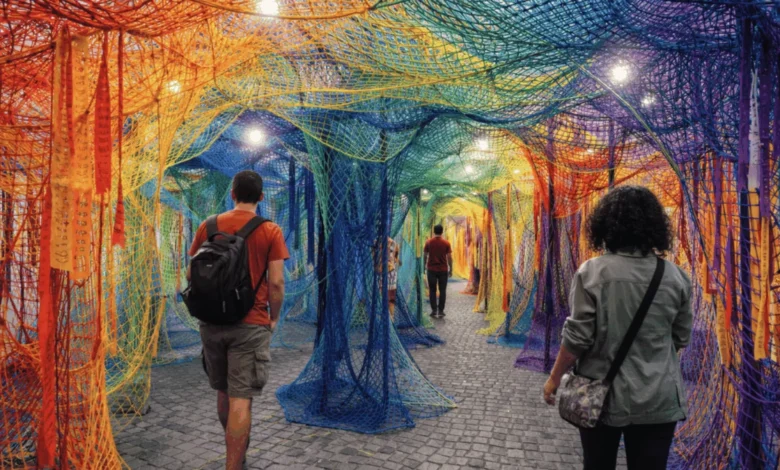
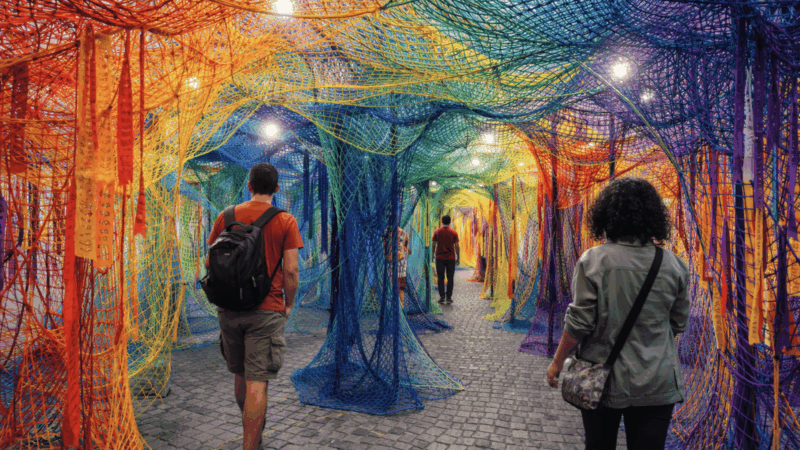
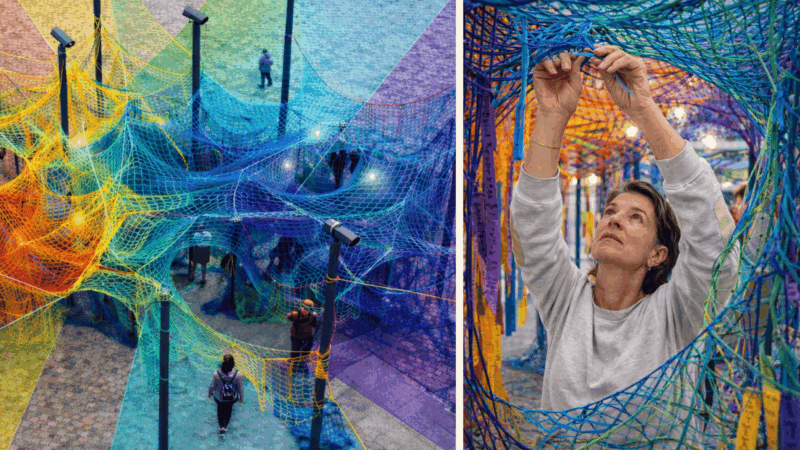
Urban interventions played a crucial role in bringing the themes of DDW 2026 directly to the citizens and visitors of Eindhoven. Among the most prominent public installations was Blind Spots, a collaborative project realized by Fairspace, Studio Shruthi Venkat, and Sagitta Creatives. Posing the fundamental question, "Who is safety built for?", the installation utilized ubiquitous symbols of urban control—including surveillance cameras, digital screens, and heavy construction netting—to interrogate the uneasy relationship between protection and surveillance.
Participants navigated a disorienting maze constructed from layered, multicolored mesh that purposefully obscured sightlines. Throughout the walkthrough, an ambient soundscape featuring recorded voices provided multiple viewpoints on urban safety and vulnerability. Visitors were invited to document their personal reflections on tags and tie them directly to the netting. As the days progressed, the installation evolved into a living, crowd-sourced archive mapping the vast disparities in how different communities experience public space and security.
Material Innovation and Symbiosis with the Natural World
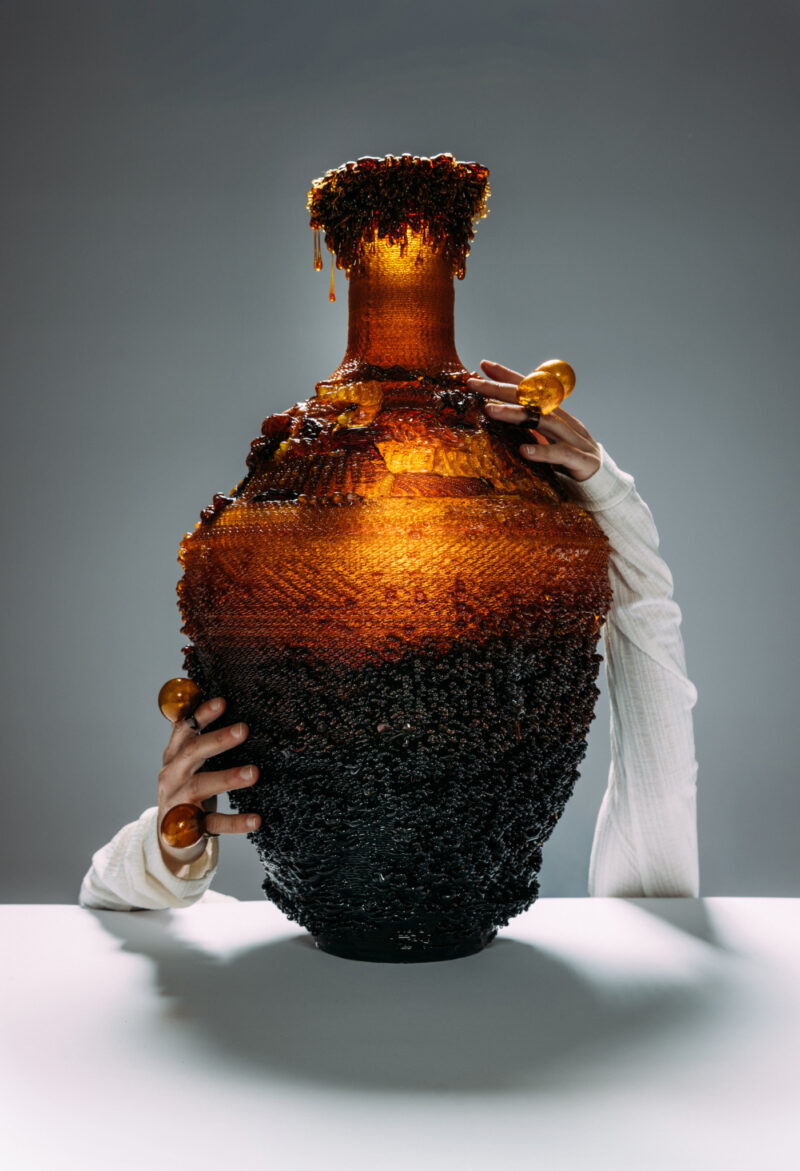
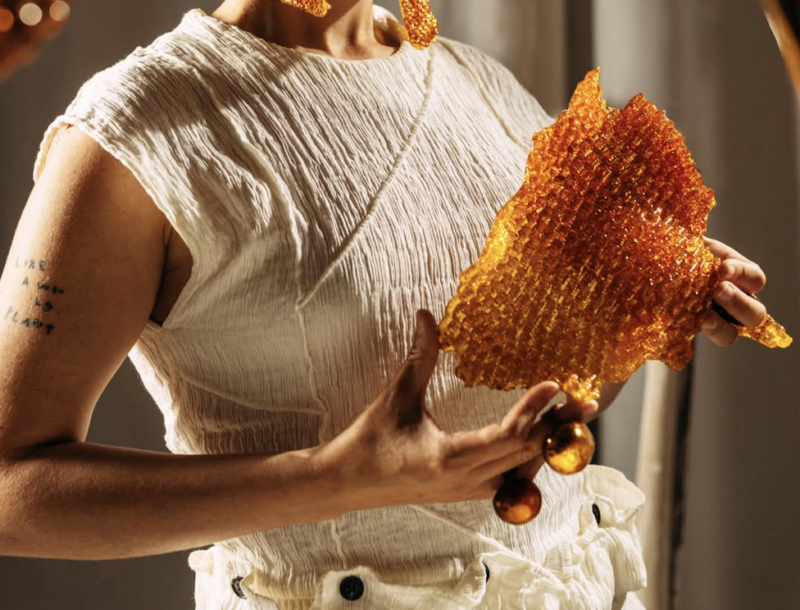
Material research stood out as a dominant paradigm at DDW 2026, with several designers blurring the lines between human manufacturing and biological growth. In Woven Landscapes, artist and material researcher Ori Orisun Merhav presented an intricate dialogue between human infrastructure, land ecosystems, and non-human organisms. Merhav, the founder of the ongoing research practice Made by Insects, showcased sculptural vessels constructed from woven palm fibers coated and bound by lac—a natural resin secreted by insects.
Merhav’s practice treats scientific research as the primary output, positioning the resulting artifacts as temporal physical traces of a broader environmental journey. By combining traditional hand-weaving techniques with insect-derived biomaterials, the work proposed a symbiotic framework where manufactured objects coexist harmoniously with ecological processes, offering a sustainable alternative to petrochemical plastics and synthetic resins.
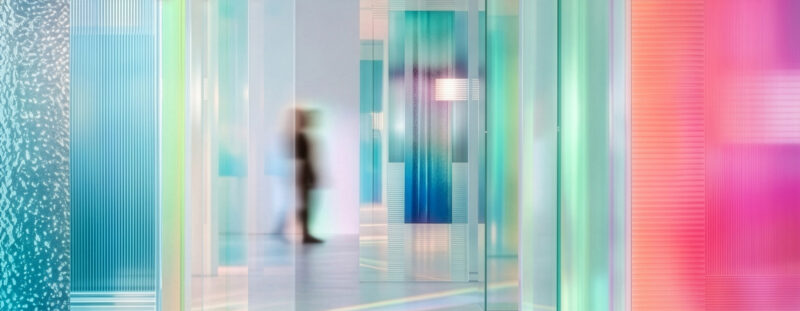
Similarly, Amsterdam-based design duo Rive Roshan explored emotional reassurance and material tactility through Beacons of Hope. Responding to the psychological weight of the contemporary news cycle and technological saturation, the installation utilized textured glass, reflective metal surfaces, and kinetic light to create an immersive sanctuary. By treating light as a primary structural material, the designers engineered an environment designed to foster contemplation, mental respite, and collective human connection.
Reimagining Domestic Life, Industrial Automation, and Sustainability
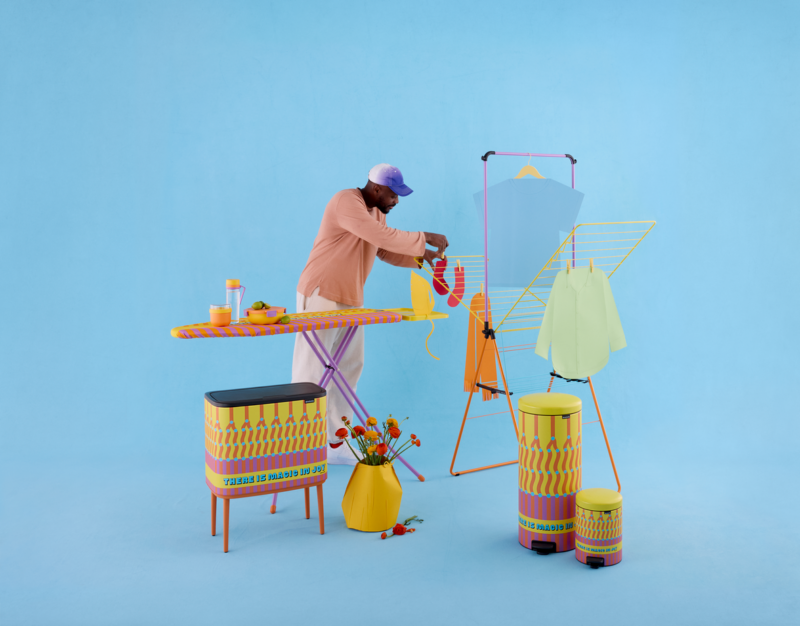
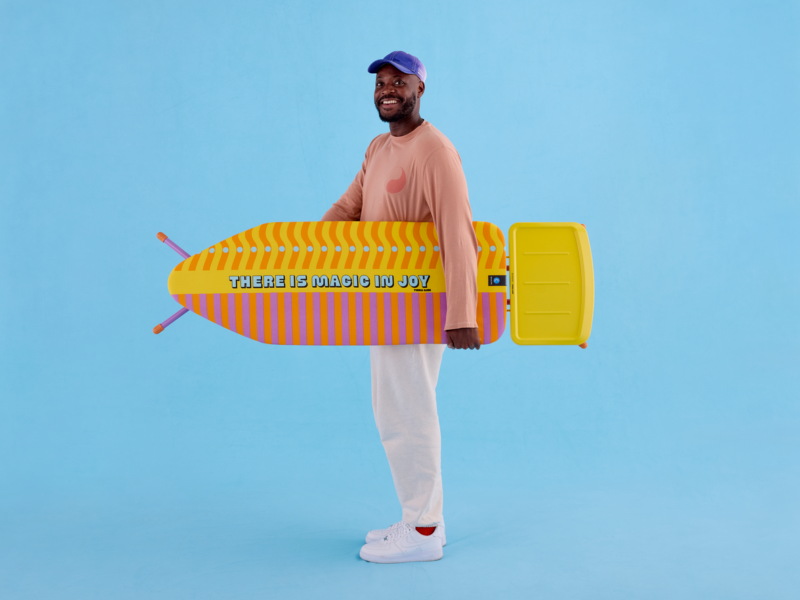
Commercial collaborations and industrial technologies also found fresh expression through the lens of R.A.W. British-Nigerian multidisciplinary artist Yinka Ilori partnered with Dutch housewares manufacturer Brabantia for a limited-edition collection titled There Is Magic in Joy. Bringing his signature exuberant color palette—characterized by sherbet orange, lemon yellow, raspberry, and bold aqua graphics—to mundane household chores, Ilori transformed everyday items like waste bins and ironing board covers into playful, expressive design objects. The collaboration reinforced the designer’s core philosophy that art and functional design should be accessible, community-oriented, and capable of generating positive emotional impact.
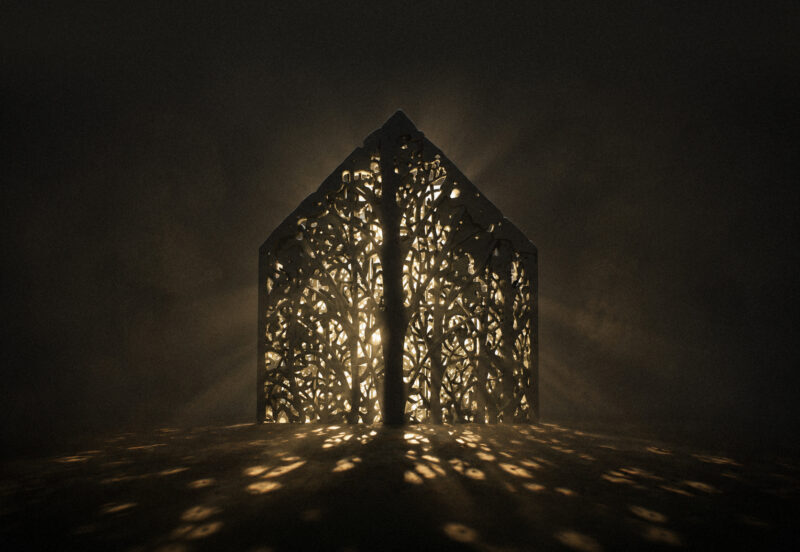
In the realm of advanced manufacturing, Eindhoven-based TAM Industries demonstrated the architectural potential of large-scale robotic construction with House of Lights. Moving away from the monotony historically associated with prefabricated housing, the installation showcased how 3D printing can achieve expressive, organic forms without sacrificing industrial efficiency. Printed entirely from recycled plastic using proprietary machinery developed by TAM, the structure integrated color directly into the raw filament, thereby eliminating the secondary requirement for paint. Integrated lighting animated the facade after dark, while the entire assembly was engineered for complete material recovery at the end of its lifecycle.
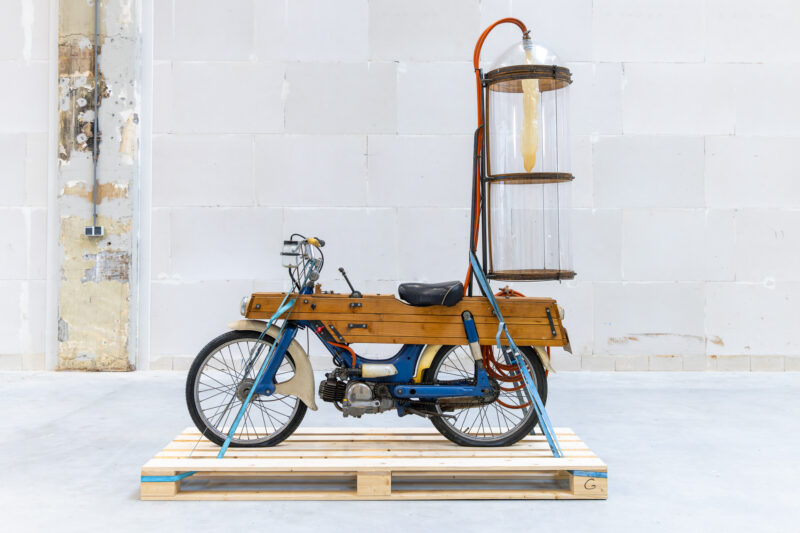
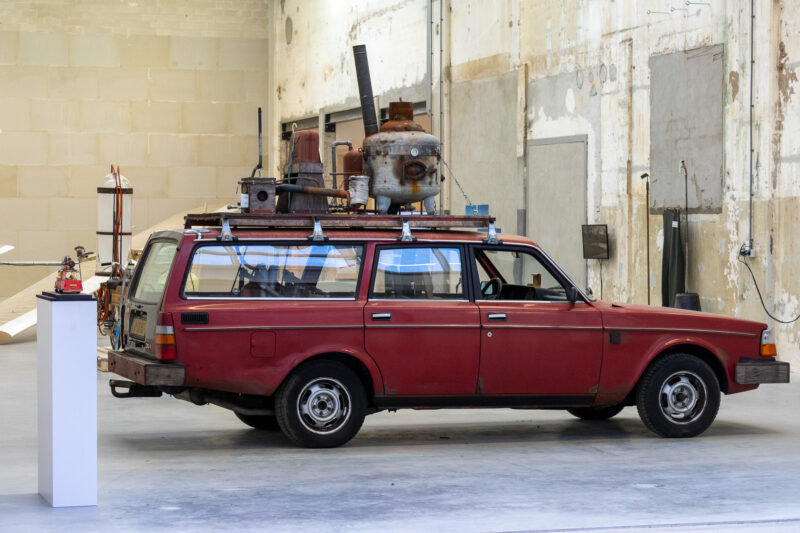
Pushing the boundaries of mobility and mechanical dependency, artist Gijs Schalkx presented Onderweg naar een toekomst (On the Way to a Future). Featuring a functioning collection of unconventional vehicles—including a motorcycle powered by swamp gas, a car running on waste plastic, and an experimental electric flying bicycle—Schalkx directly challenged modern consumer complacency regarding energy infrastructures. Rather than rejecting technology outright, the artist rearranged familiar mechanical components to expose society’s deep-seated vulnerabilities and dependencies on complex supply chains.
Memory, Materiality, and the Digital Intimacy Debate
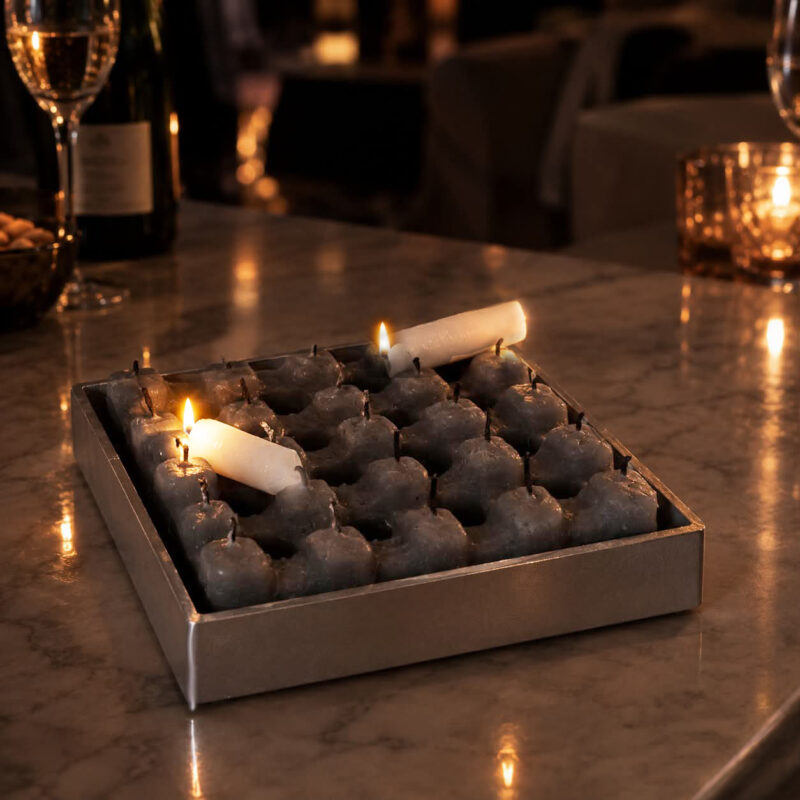
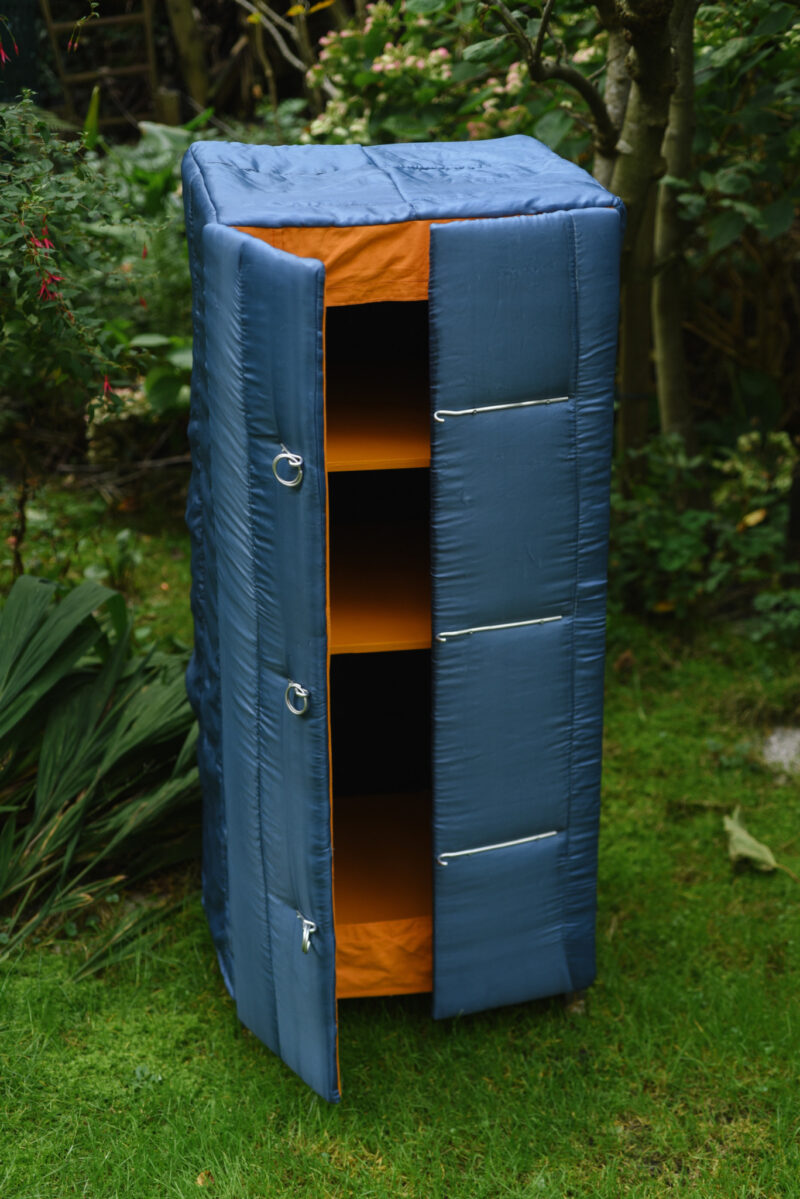
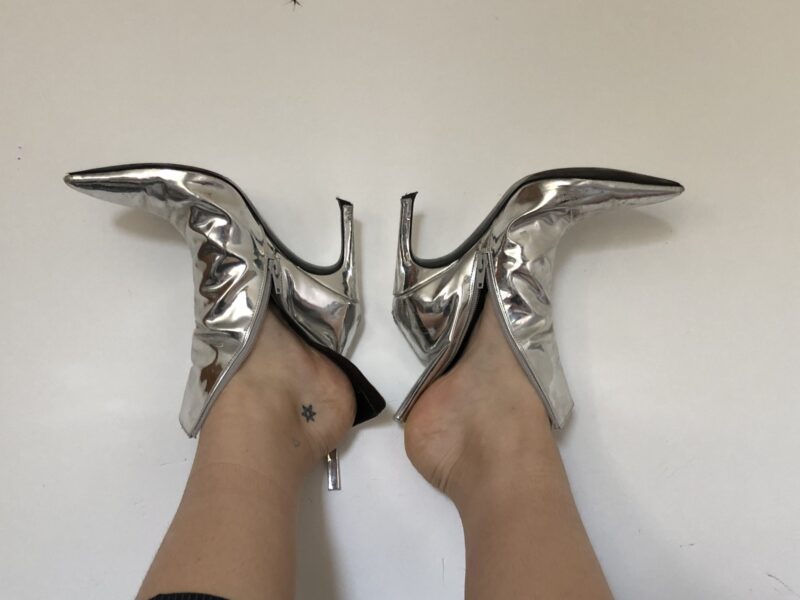
The emotional resonance of everyday possessions formed the thematic core of The Ashtray, the Cupboard, and the Leather Boots, an exhibition curated by Florine van Rees and Jeroen Dijkstra of The DIRT (The Dutch Institute of Royal Taste). Based on in-depth interviews regarding cherished personal items with little monetary value, the exhibition featured reinterpretations by three contemporary designers. Stina Henriksson’s Ritual Remains examined the shared sensory traces of lighting candles and cigarettes; Lotte Raida’s Slaapzak Kast transformed childhood camping memories into a quilted storage unit; and Astrid Vagner’s Make Me Fit used sculptural footwear to interrogate bodily standards, femininity, and identity.
Meanwhile, textile innovation took center stage at Exit26, presented by students from the Swedish School of Textiles. Works such as Viola Schmidt’s The Jeweld Hand and Phlox van Oppen’s Weaving Life Stories of Resilient Women used advanced jacquard weaving and mixed-media techniques to explore biography, resilience, and the blurring boundaries between physical textiles and digital sculpture.
Finally, DDW 2026 confronted the invisible architectures of the digital age through Code 2026: Terms of Intimacy, organized by Impakt – Centre for Media Culture. Featuring seven distinct works—including Simon Pillaud’s The Affirmation Machine—the exhibition investigated the commercial harvesting of human voices, attention, and biometric data. By addressing the psychological implications of AI companionship and algorithmic surveillance, the participating artists forced audiences to question whether tools promising absolute convenience and digital intimacy are quietly compromising human autonomy.
Broader Implications and Legacy of Dutch Design Week 2026
The 2026 edition of Dutch Design Week demonstrated that contemporary design is undergoing a profound philosophical shift. By pivoting away from purely polished, market-driven optimization, designers are increasingly embracing material honesty, ecological collaboration, and radical social critique. As institutions face internal restructuring and technological advancements accelerate questions around privacy and labor, DDW has cemented its status as a crucial incubator for actionable, imaginative solutions to global uncertainties. The legacy of the 26th edition will likely be measured by its insistence that the value of design lies not in perfection, but in its capacity to provoke thought, foster empathy, and imagine alternative futures.