Apple unveils the MacBook Pro with PROLED XDR Display and touchscreen capabilities as a significant departure from long-standing design philosophy.

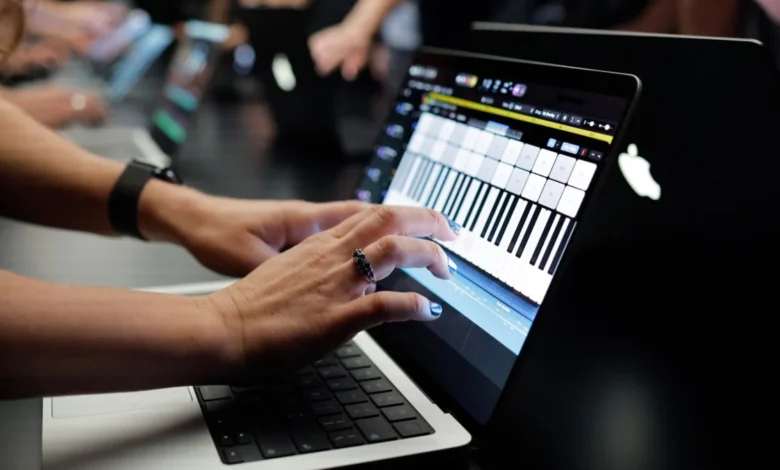
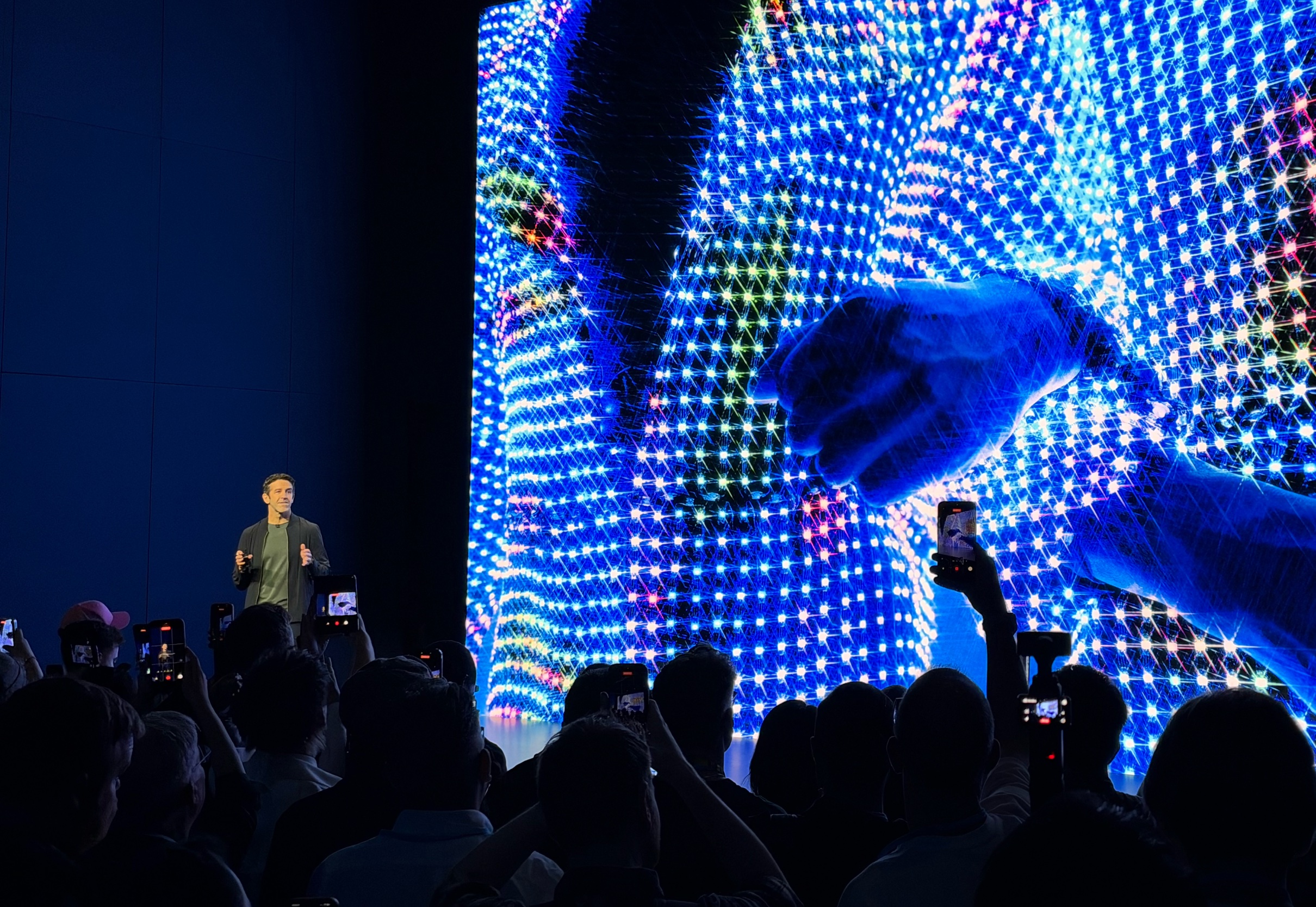
In a landmark shift that marks the end of a fourteen-year era of resistance, Apple has officially introduced the MacBook Pro with PROLED XDR Display, a device that integrates touchscreen functionality into its professional-grade laptop line. The announcement, delivered at a high-profile event in Los Angeles, effectively reverses the company’s long-standing stance on the utility of touch interfaces for vertical display surfaces.
A Historical Reversal: From Jobs to Present Day
The debate surrounding the touchscreen Mac dates back to 2010, when co-founder Steve Jobs famously dismissed the concept during an Apple event. Jobs argued that touch surfaces were ergonomically unsustainable for laptop users, citing the physical fatigue associated with holding an arm in a vertical position for extended periods. For over a decade, Apple adhered to this philosophy, positioning the iPad as its primary touch-capable device while maintaining a strict boundary between macOS and touch input.
However, the industry landscape has shifted significantly. With competitors like Microsoft and Dell having normalized touchscreens in the professional laptop market, the demand from power users—specifically those in creative industries—has grown. Apple’s decision to implement this technology appears to be a calculated response to this market pressure, focusing on "augmented" input rather than replacing traditional peripherals.
Hardware Specifications and Technical Advancements
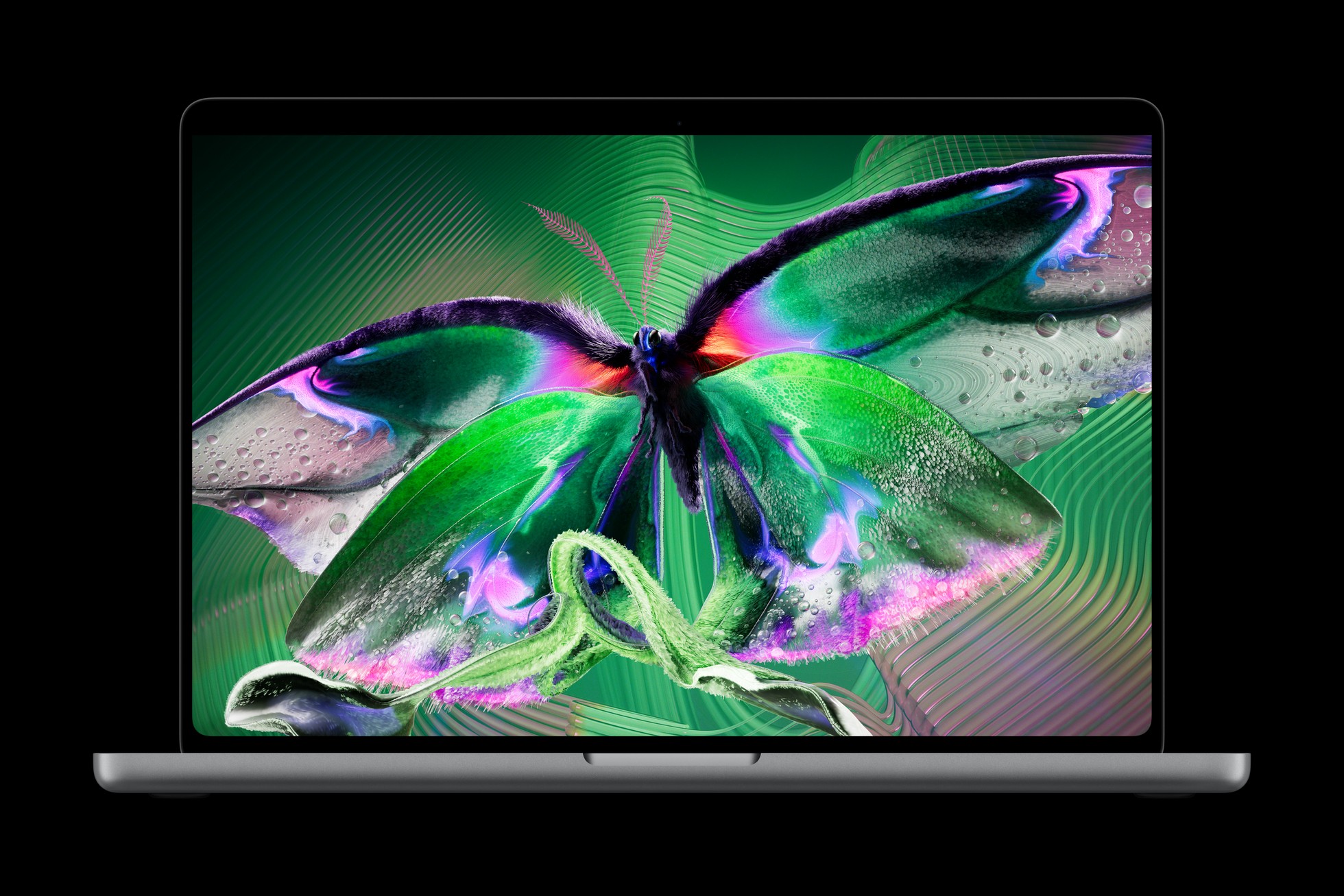
The new MacBook Pro is defined by its PROLED XDR display, a proprietary advancement in screen technology that balances extreme brightness with high contrast ratios. The integration of touch is not merely an overlay but a hardware-level redesign. To mitigate the structural concerns inherent in a touchscreen laptop, Apple has engineered a reinforced hinge mechanism designed to withstand the pressure of finger input while minimizing screen "wobble."
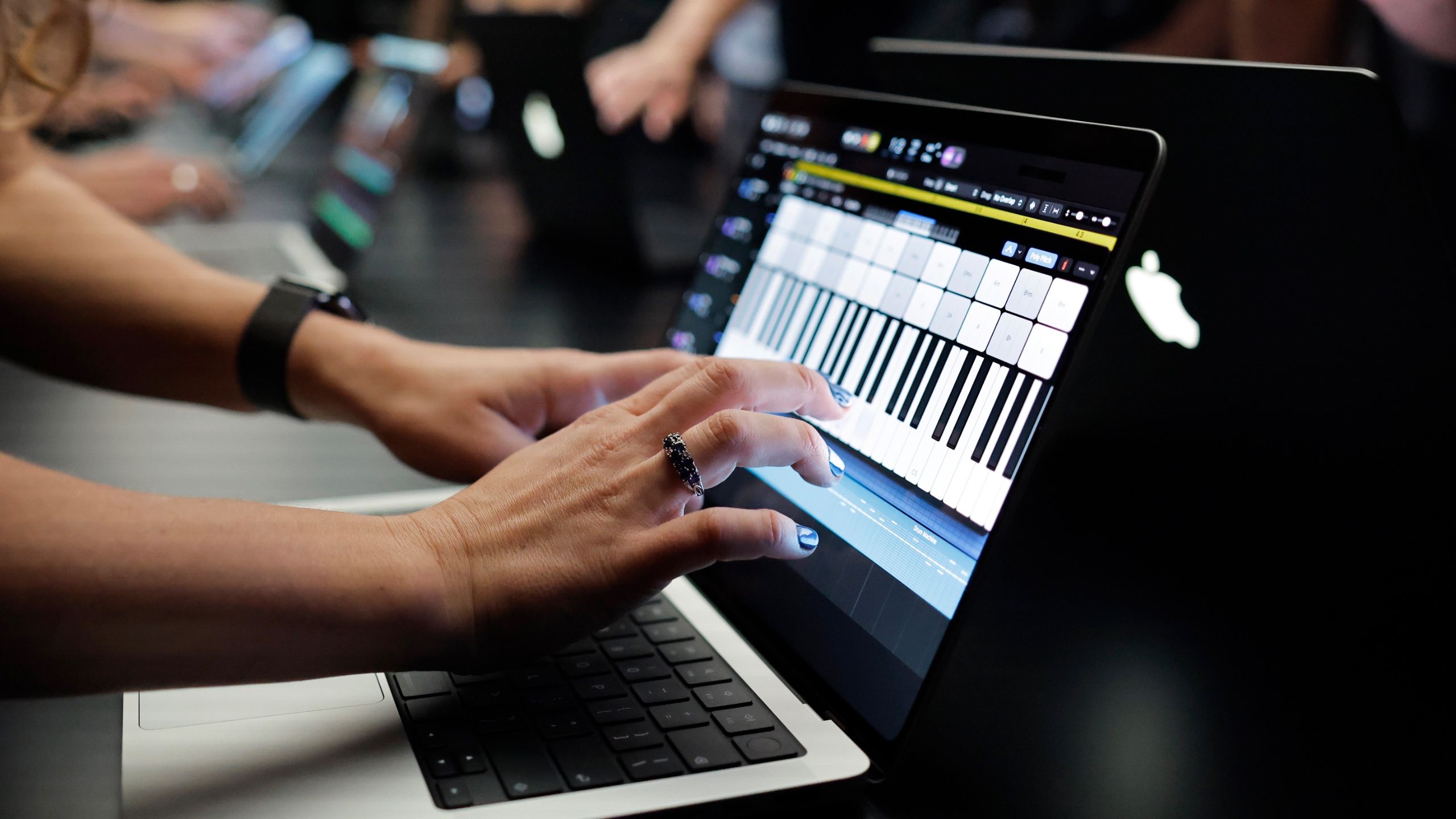
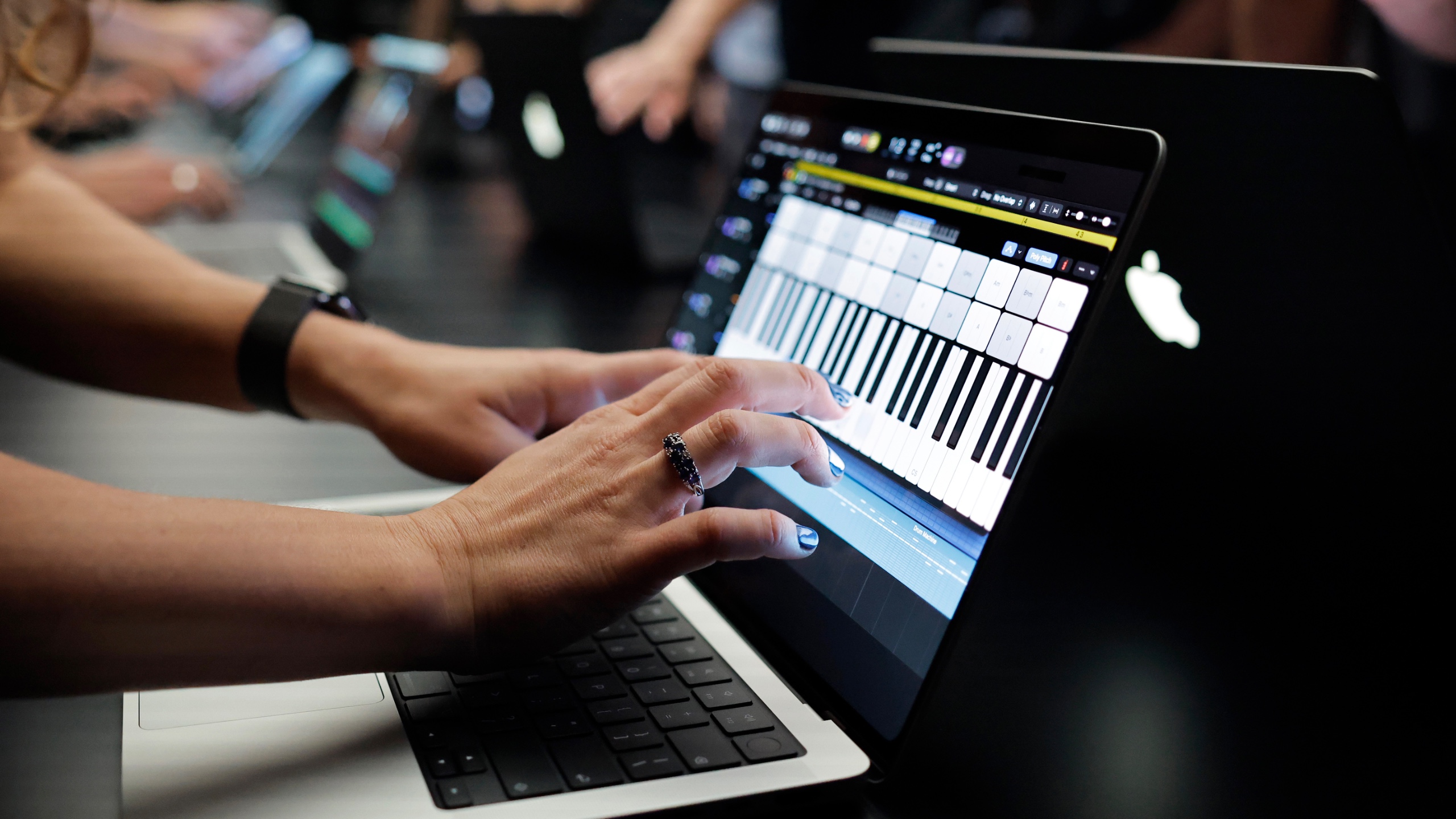
Preliminary technical specifications highlight a highly responsive digitizer layer. During demonstrations at the LA launch, the display exhibited minimal latency, allowing for fluid interaction with software such as Final Cut Pro and Logic Pro. Apple has introduced specific software refinements in the latest iteration of macOS to accompany the hardware, including UI elements that scale dynamically when touch input is detected. For instance, close and minimize buttons expand upon contact to accommodate the inherent lack of precision in human finger input compared to a mouse cursor.
Chronology of Development
The path to this launch was marked by several critical development phases within Apple’s Cupertino headquarters:
- 2010-2015: Strict adherence to the "Touch is for iPads" doctrine, with the company focusing on evolving the MacBook trackpad with Force Touch technology.
- 2016-2020: The introduction of the Touch Bar, widely viewed by critics as a halfway measure to bridge the gap between physical keyboards and touchscreen utility. Its eventual removal suggested a retreat from the concept.
- 2021-2023: Internal prototyping of high-resolution, low-latency display layers suitable for professional creative workflows.
- 2024: Final validation of the PROLED XDR display architecture and the decision to integrate touch, not as a primary navigation tool, but as a secondary input mechanism for specialized tasks.
Market Positioning and Creative Utility
Apple’s marketing strategy for the device is notably restrained. The naming convention, "MacBook Pro with PROLED XDR Display," intentionally avoids highlighting the touch capability as the primary selling point. This indicates a strategic choice to market the device to professionals who value the hardware’s performance, with touch being framed as an auxiliary benefit rather than a foundational change to the computing experience.
Industry analysts suggest this positioning is intended to avoid alienating long-term users who prefer the traditional mouse-and-keyboard workflow. By framing touch as a "nice-to-have" feature, Apple protects its brand image from the potential perception that it is moving toward a "hybrid" OS—a move that has historically been criticized when attempted by competitors.
The Professional Perspective: Implications for Workflow
For creative professionals, the implications of this release are nuanced. In applications like Logic Pro, the touch interface allows for the manipulation of virtual instruments, providing a more tactile experience than a standard trackpad. In video editing, the ability to scrub through timelines with a finger offers a level of intuition that mouse-based scrubbing lacks.
However, the fundamental ergonomic concerns raised by Jobs remain relevant. The device is not a "touch-first" machine; it remains a laptop at its core. Professionals are unlikely to replace their mouse with a finger for prolonged text editing or spreadsheet management. Instead, the screen acts as a secondary control surface, similar to a physical control deck or a specialized input peripheral.
Data and Financial Context
The MacBook Pro with PROLED XDR Display enters a market saturated with high-end Windows-based laptops that have long featured touch capabilities. Apple’s pricing strategy remains aggressive, with the base model starting at $2,899. This price point reinforces the device’s position as a premium tool for enterprise and creative users.
Early reports from the supply chain suggest that the integration of the PROLED technology significantly increases the per-unit manufacturing cost compared to previous Liquid Retina XDR displays. The decision to include touch, therefore, represents a substantial investment in high-margin hardware intended to justify the premium price tag.
Official Response and Industry Reception
While Apple executives have remained largely focused on the display quality during the launch, the reception from the developer community has been largely positive. Software developers are already exploring ways to optimize existing applications for touch, noting that the "bonus" nature of the feature allows for a low-risk integration of new input methods.
"The device isn’t trying to be a tablet," noted one industry observer at the event. "It is a professional workstation that happens to have a responsive surface." This distinction is critical to Apple’s brand identity. By refusing to compromise the core macOS experience, Apple has attempted to solve the "ergonomic trap" of touchscreens by making it a supplemental, rather than a mandatory, interaction.
Broader Impact on the Laptop Industry
The release of this device is expected to have a cascading effect on the laptop market. Other manufacturers may feel compelled to refine their own touchscreen implementations to match the low-latency and high-resolution standards set by Apple’s PROLED display. Furthermore, the industry will likely see a surge in software applications designed to accommodate both traditional and touch-based inputs, effectively ending the era where macOS and Windows were defined solely by their input paradigms.
As the device reaches consumers, the true test will be its long-term reliability. The durability of the screen surface under constant physical pressure and the effectiveness of the anti-smudge coating will be scrutinized by power users. For now, the launch stands as a watershed moment in personal computing, signaling that even the most deeply held corporate dogmas are subject to change in the face of evolving user requirements and technological capability.
The MacBook Pro with PROLED XDR Display is currently available for pre-order, with initial shipments expected to reach professional studios and retail partners in the coming weeks. Whether this move effectively bridges the gap between the desktop and the tablet remains to be seen, but it is undoubtedly the most significant hardware evolution for the MacBook line in the last decade.
Related posts: