The Simpsons Treehouse of Horror XXXVII Brings Stop-Motion Horror to Fox for the 38th Season

The Simpsons, the long-running animated juggernaut that has defined American television comedy for nearly four decades, returned to its annual tradition of ghoulish satire with the broadcast of Treehouse of Horror XXXVII. Aired on October 25, 2026, the episode marks the fourth installment of the show’s 38th season. As the series continues to navigate the evolving landscape of modern animation and audience expectations, this latest Halloween special stands out as a technical milestone, blending traditional hand-drawn animation with an elaborate, bespoke stop-motion opening sequence.
A Legacy of Halloween Innovation
The Treehouse of Horror franchise has served as a creative sandbox for the writers and animators of The Simpsons since its debut in the second season. Over the decades, these specials have evolved from simple spoofs of classic horror literature into sophisticated experiments in form and medium. The production team, led by co-showrunner Tim Long, faces the perpetual challenge of balancing the expectations of a legacy fanbase with the necessity of constant aesthetic reinvention.
The 38th iteration of the special is particularly notable for its high production value and the strategic use of external partnerships. By collaborating with Stoopid Buddy Stoodios, a Burbank-based animation house renowned for its expertise in stop-motion, the production team has signaled a commitment to maintaining the "quality bar" that has kept the show relevant in a saturated streaming market. Long acknowledged that the pressure to produce a standout Halloween episode is immense, given that these installments frequently outperform standard episodes in viewership ratings and cultural impact.

The Anatomy of the Nightmare Opening
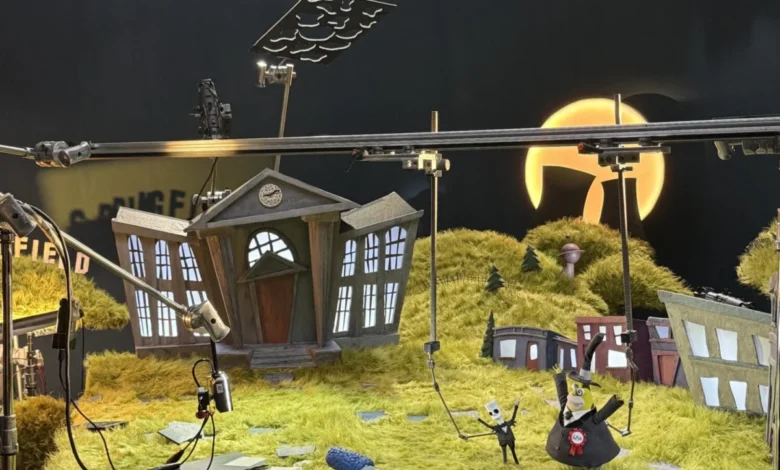
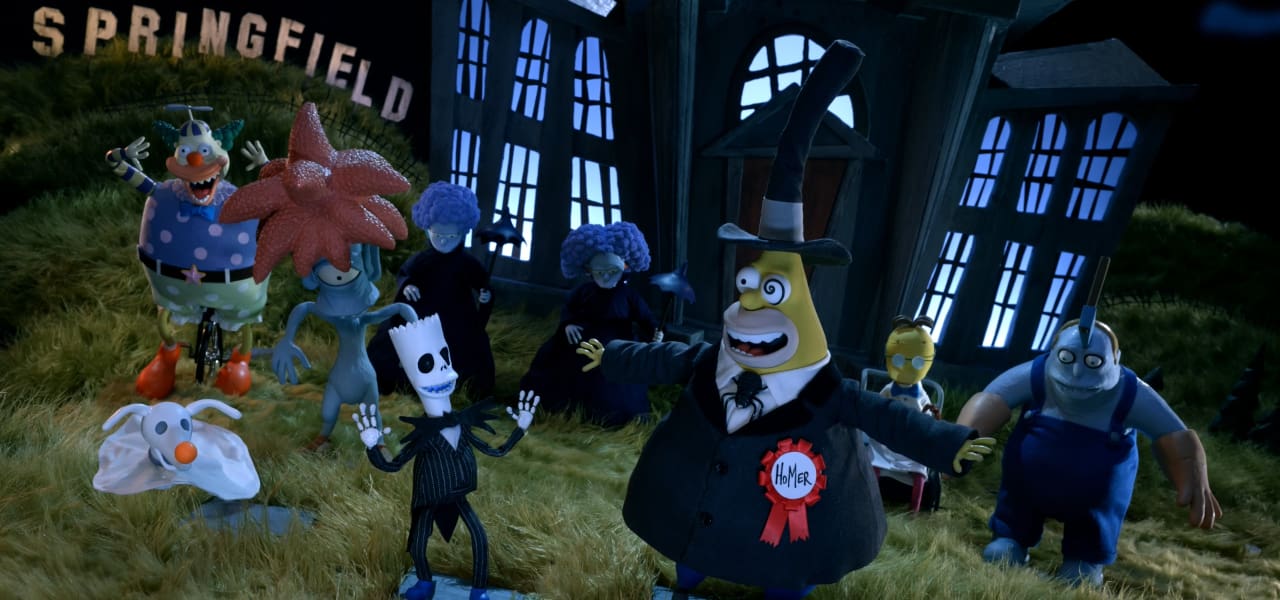
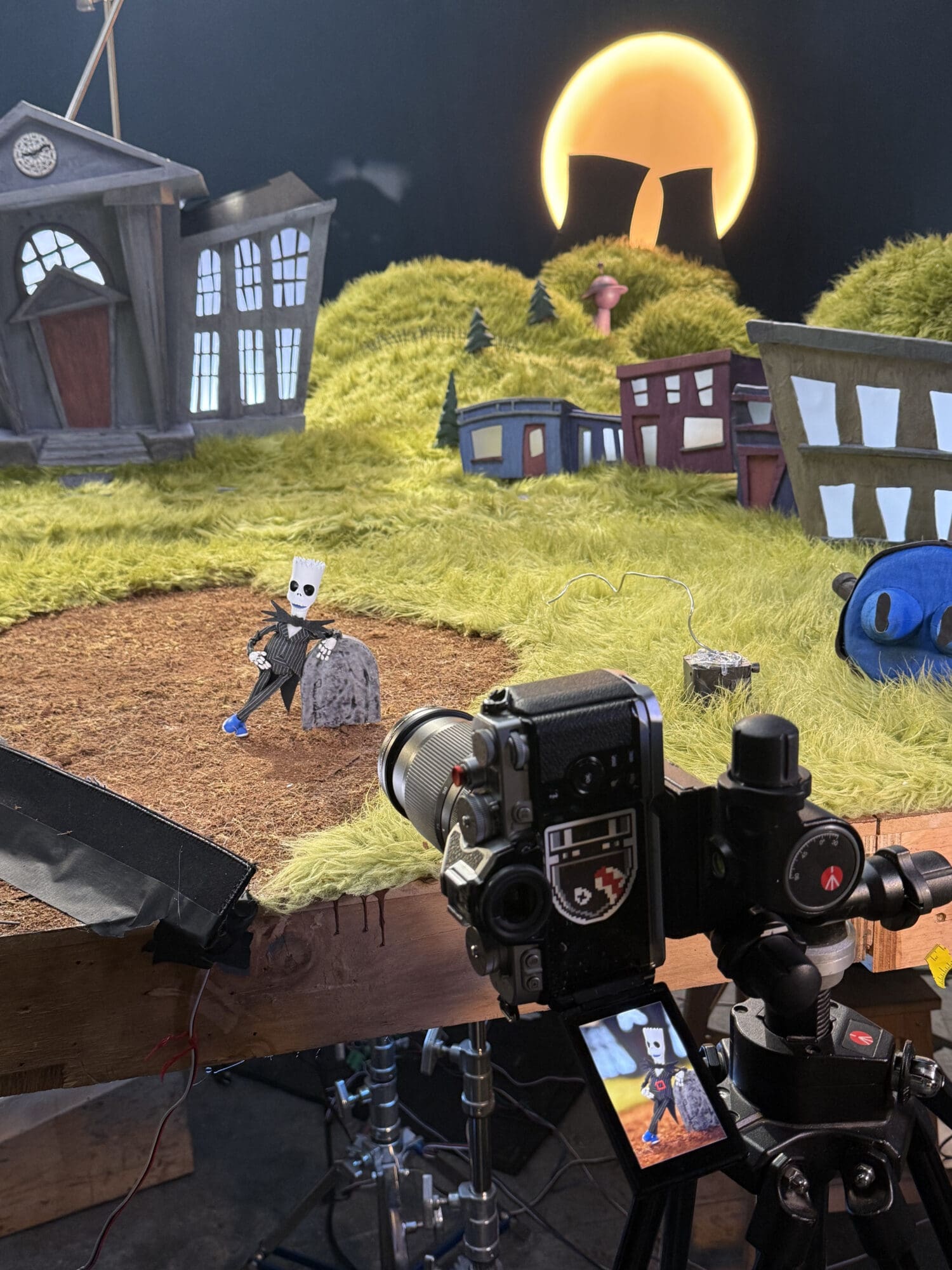
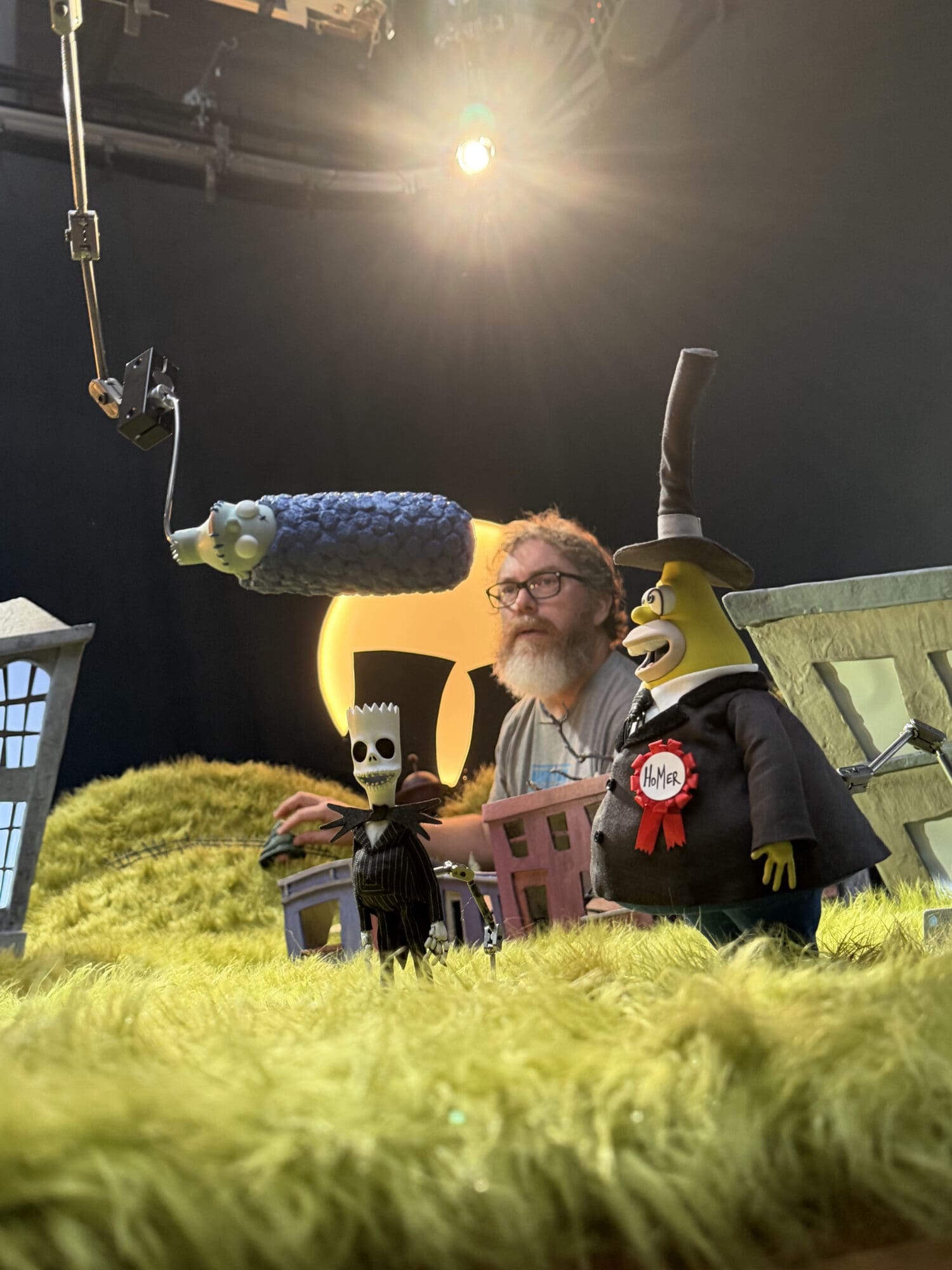
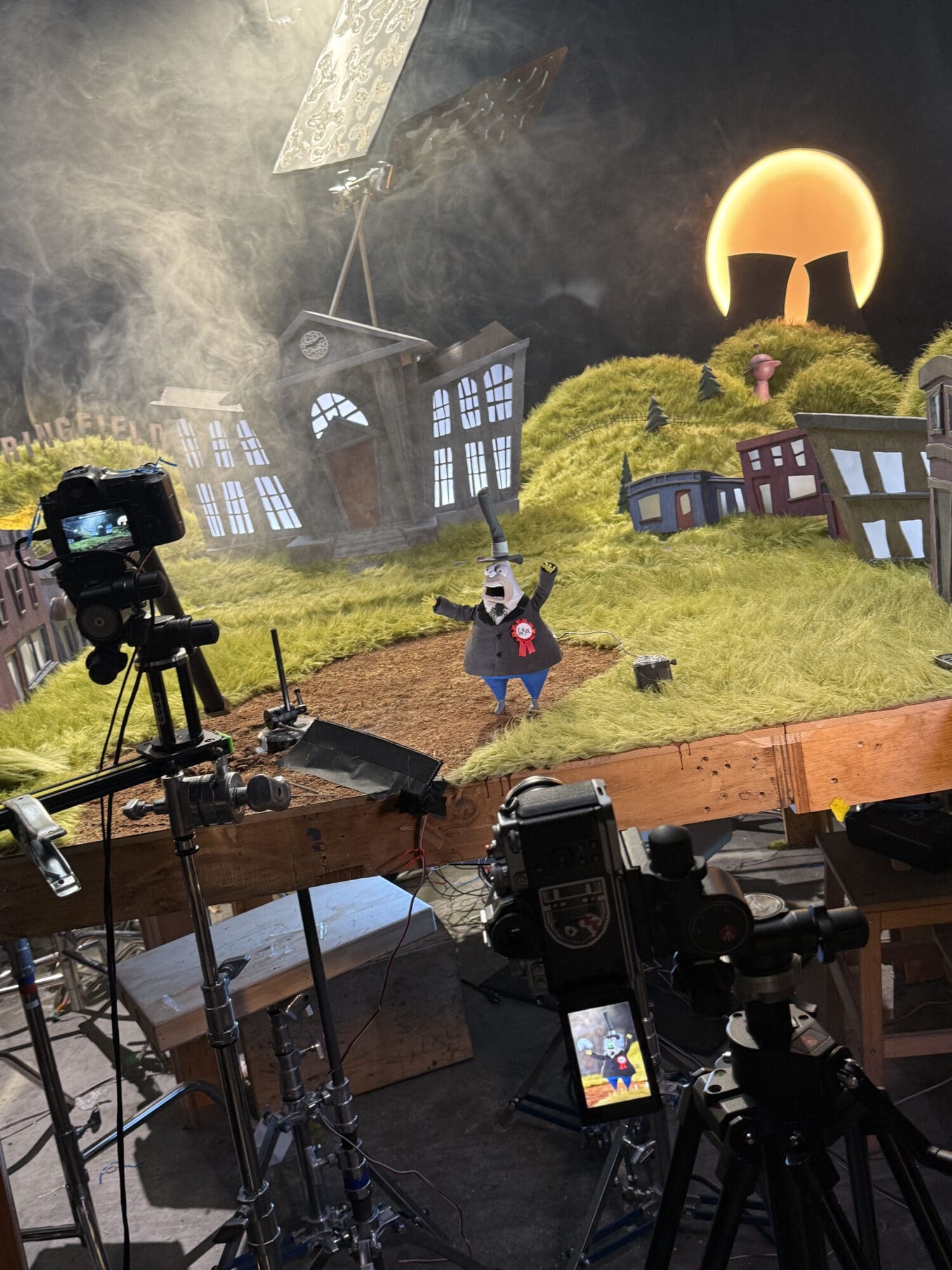
The centerpiece of this year’s special is a highly stylized homage to Henry Selick’s 1993 stop-motion classic, The Nightmare Before Christmas. The sequence, which features parody lyrics set to the film’s iconic musical themes, required an intensive production schedule. According to John Harvatine, the director of the segment, the project’s timeline was compressed significantly, with the final greenlight arriving only three months prior to the broadcast.
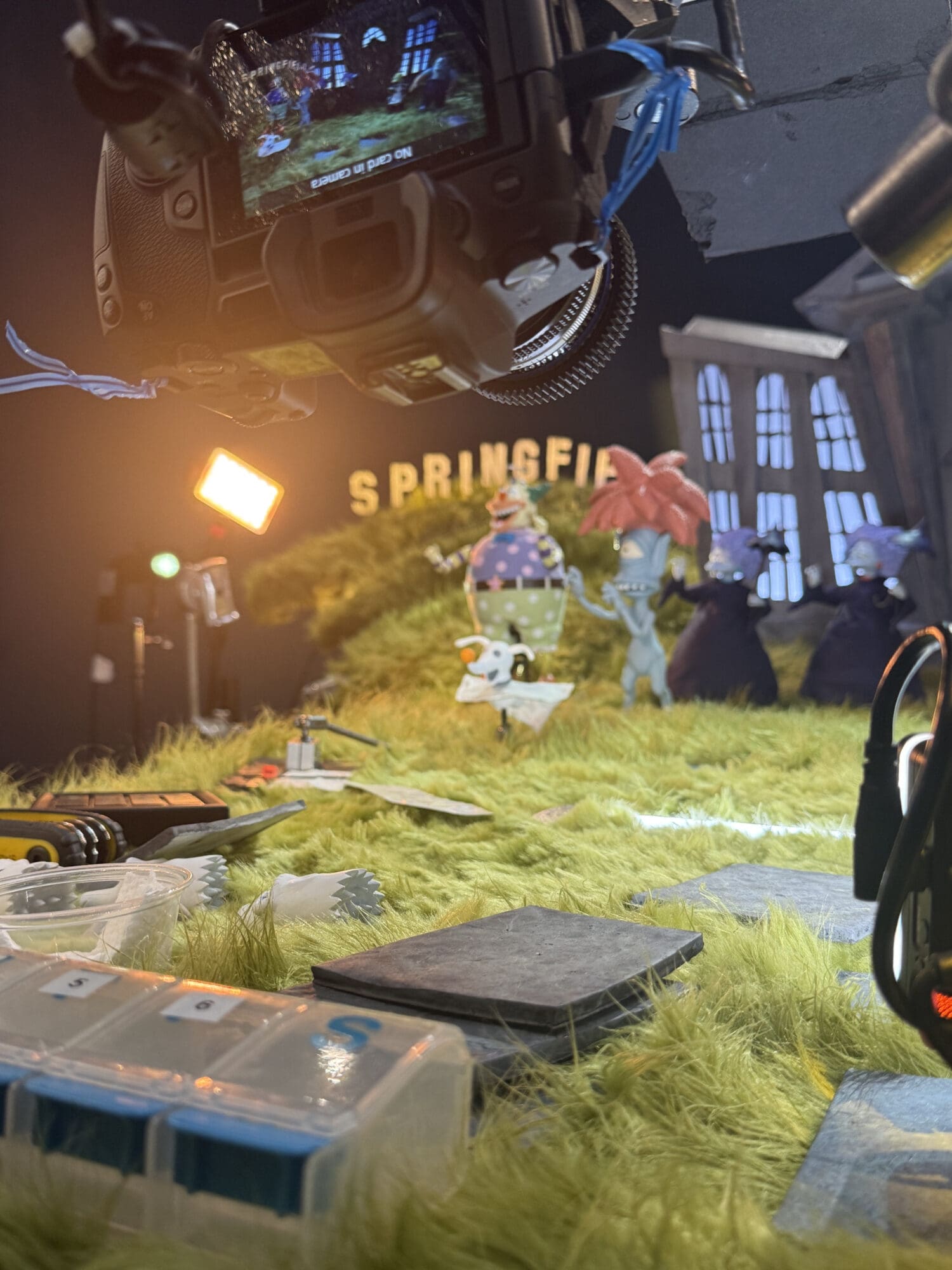
The production of the opening sequence involved the fabrication of 16 distinct puppets, each representing a member of the Springfield ensemble reimagined through the lens of Tim Burton’s gothic aesthetic. The fabrication process was a monumental task for the team at Stoopid Buddy Stoodios, requiring hand-sewn costumes and complex sculpting.
Harvatine emphasized that the goal was not merely to mimic the look of the original film but to integrate the spirit of The Simpsons into the stop-motion medium. Working alongside veteran Simpsons director David Silverman, the team utilized a rapid iterative process, moving from rough animatics provided by the writing staff to final, frame-by-frame puppet performance. The inclusion of claymation titles, where letters were physically sculpted and "splattered" into place, served as a deliberate nod to the tactile, imperfect charm of traditional stop-motion animation, a medium often overshadowed by the efficiency of digital workflows.
Narrative Structure and Thematic Evolution
The episode consists of three distinct narrative segments: "Bride’s Shed Revisited," "Dog Boy Afternoon," and "Vehicular Dad Slaughter." These stories were developed under a mandate from executive producer Matt Groening, who requested a return to the "genuinely scary" tone that characterized the early years of the franchise.
"Bride’s Shed Revisited," written by Joel H. Cohen, explores a surrealist premise inspired by Holly Gramazio’s novel, The Husbands. In this segment, Marge Simpson discovers a portal in the family’s backyard shed that leads to alternate realities, allowing her to interact with various versions of her life where she is married to someone other than Homer. The segment features a guest appearance by Survivor host Jeff Probst, a casting choice intended to subvert the expectation of a "supermodel" cameo.
"Dog Boy Afternoon," written by Jessica Conrad, shifts the tone toward the grotesque. The segment, which draws inspiration from Pet Sematary, centers on the family’s pet, Santa’s Little Helper. The story is characterized by a high-intensity, dark comedic approach, utilizing graphic visual gags to shock the audience, such as a physical altercation between Homer and his pet.
"Vehicular Dad Slaughter," the final segment, was penned by Tim Long and draws thematic inspiration from the grim, cautionary driver’s education films shown in high schools during the mid-20th century. By positioning Patty and Selma Bouvier as the primary antagonists, the story highlights a rare narrative choice to place the sisters in a villainous role, providing a fresh dynamic for long-time viewers.
Technical and Industry Implications
The production of Treehouse of Horror XXXVII highlights a significant shift in the animation industry: the strategic integration of boutique, high-specialization animation houses into the workflow of major network television. While The Simpsons has historically relied on a core team of traditional animators, the increasing complexity of special episodes necessitates the involvement of experts in specific niches like stop-motion and claymation.
From a data perspective, the success of these episodes is crucial for the network. As traditional linear television viewership declines, the "event" status of the Halloween special remains a vital anchor for Fox and its streaming partner, Hulu. The ability to generate "Easter eggs"—such as the hidden details in the claymation title sequence—encourages repeat viewing and social media engagement, which are critical metrics in the modern digital ecosystem.
The dedication shown by the animators, particularly in the creation of puppets without complex tie-downs, reflects a high level of craftsmanship that is increasingly rare in an era dominated by CGI. By prioritizing the "rawness" and "imperfection" of physical animation, the production team has successfully managed to honor the cinematic traditions they are parodying while reinforcing the brand identity of The Simpsons as a show that continues to innovate visually.
Conclusion and Broader Impact
Treehouse of Horror XXXVII serves as a microcosm of the show’s ongoing strategy: respect for established legacy combined with a willingness to experiment with the medium of animation. By balancing the "gnarly" horror elements requested by the show’s creators with the high-concept visual artistry provided by Stoopid Buddy Stoodios, the producers have ensured that the Halloween special remains a defining pillar of the series.
As the show enters the remainder of its 38th season, the success of this episode suggests that there is still significant creative runway for a show that has, for nearly four decades, defined the boundaries of the animated sitcom. Whether through the inclusion of guest stars, the subversion of traditional tropes, or the technical mastery of stop-motion, The Simpsons continues to adapt to the demands of a changing entertainment landscape, proving that even a show with 38 years of history can still find new, frightening ways to captivate its audience.