Buffer Transforms Team Collaboration With Major Real-Time Updates to its Social Media Management Platform

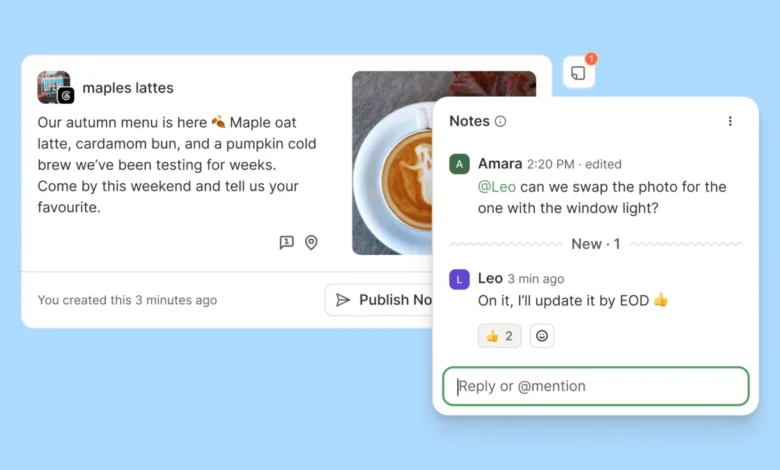
Managing social media workflows across growing teams has historically been a fragmented exercise, often requiring constant context-switching between project management tools, email threads, instant messaging platforms like Slack, and native social media application notifications. This operational friction—often described as the "red thread" problem—creates significant hurdles for agencies and marketing teams tasked with maintaining brand consistency while scaling their digital output. To address these inefficiencies, Buffer has launched a comprehensive update to its internal collaboration feature, "Notes," transforming it from a static commenting tool into a dynamic, real-time workspace designed to centralize the social media production cycle.
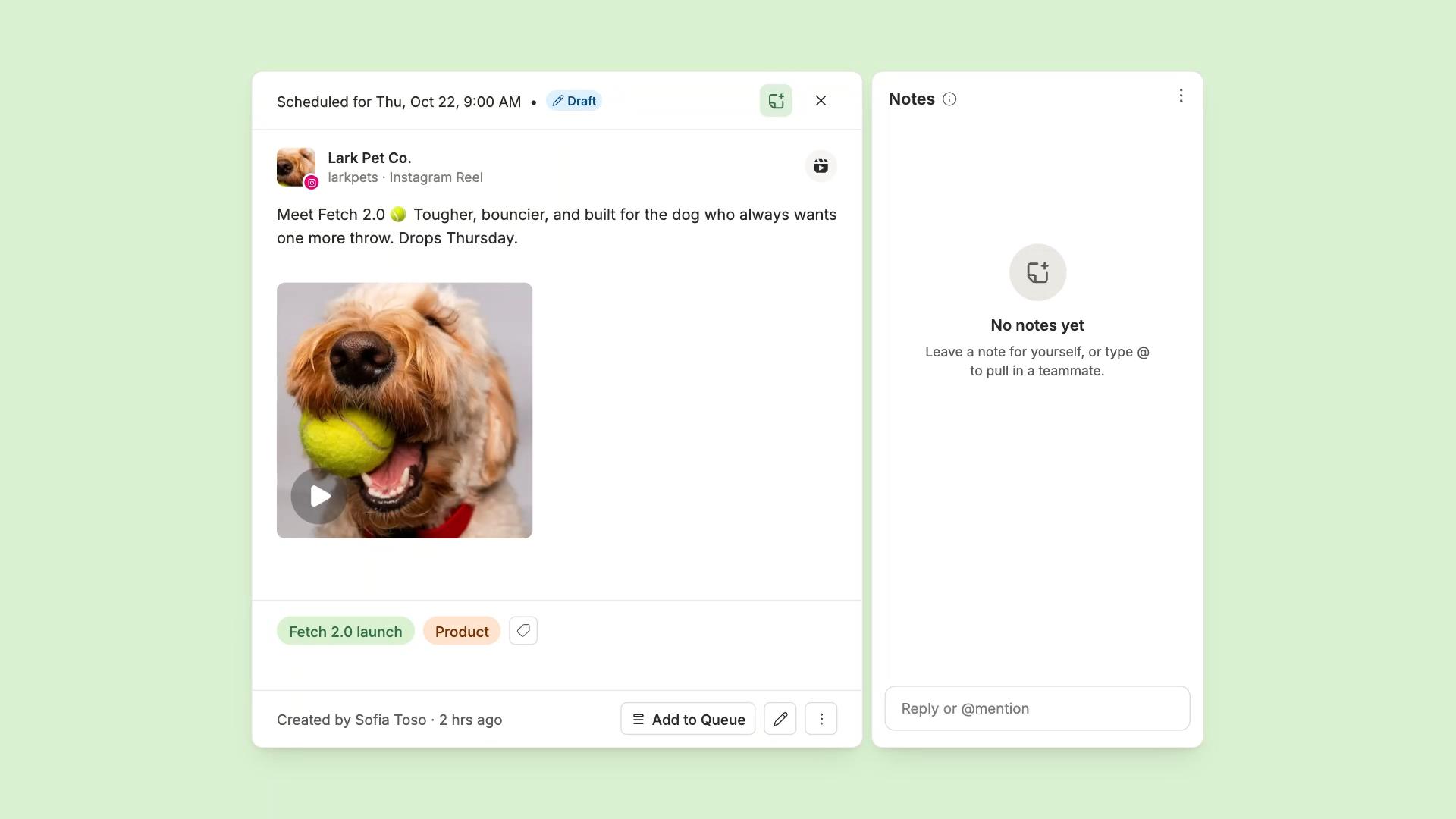
The updated feature suite introduces @mentions, live-updating comment threads, Markdown support, and interactive emoji reactions. These changes represent a strategic shift for Buffer, moving the platform closer to a collaborative workspace model rather than acting merely as a scheduling utility. By integrating these communication layers directly into the post-creation process, the company aims to reduce the reliance on third-party communication tools, thereby streamlining the path from ideation to publication.
The Evolution of Workflow Management in Social Media
The demand for integrated collaboration tools has risen sharply as social media marketing has matured into a team-based discipline. According to industry data, nearly 70% of marketing teams report that managing feedback loops is the most time-consuming aspect of their daily operations. Historically, social media managers have had to export draft links to external project management software or rely on asynchronous communication channels to secure approval for posts.
Buffer’s decision to revamp its Notes feature stems from an internal analysis of how its user base—ranging from solo creators to mid-sized marketing agencies—utilizes the platform. In early 2026, Buffer’s product team identified that users were frequently leaving comments on posts, but the lack of real-time functionality necessitated constant manual page refreshes. Furthermore, the absence of notification systems meant that feedback was often missed until a user actively checked the dashboard, leading to delays in approval workflows.
Chronology of the Development Cycle
The development of the current iteration of Notes began in mid-2026, driven by a need to reconcile the disparity between the speed of social media trends and the sluggishness of traditional approval processes.
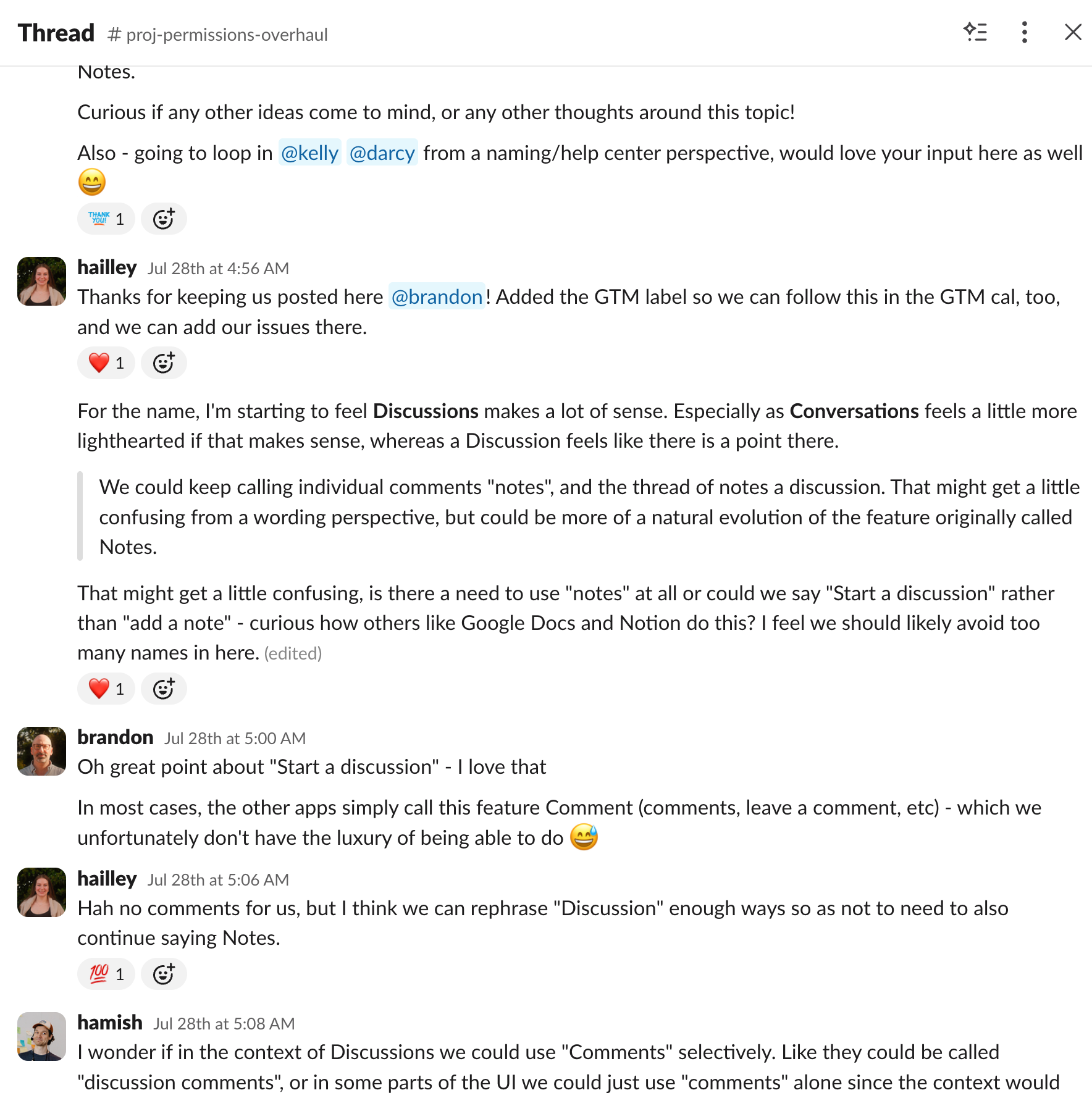
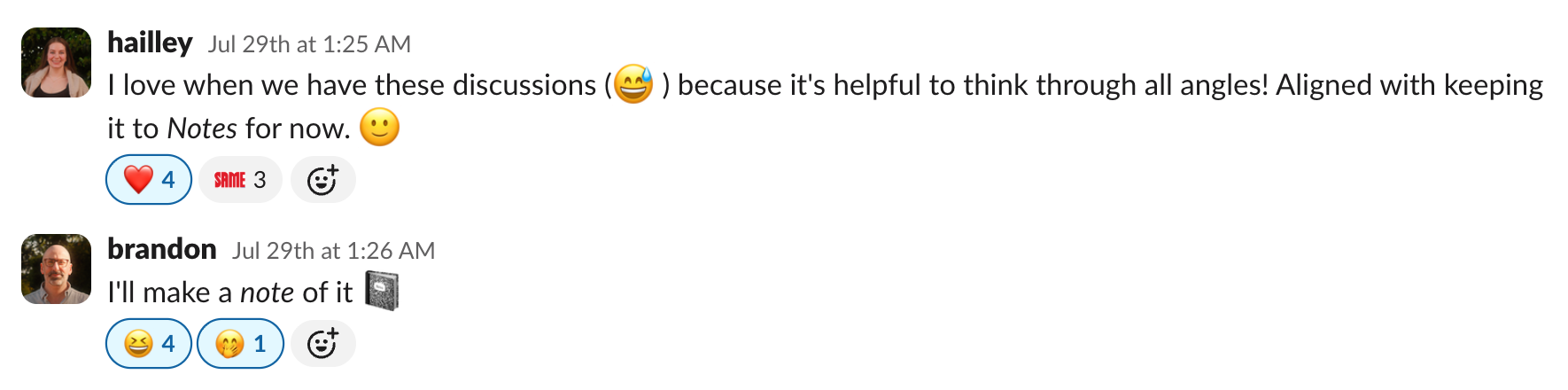
- August 2026: The product team initiated a formal audit of existing collaborative tools within the Buffer ecosystem. During this phase, internal debates surfaced regarding the branding of the feature. The team considered renaming it "Discussions" or "Conversations" to better reflect the back-and-forth nature of the new, real-time functionality.
- September 2026: Engineering teams finalized the implementation of real-time socket connections, allowing notes to appear instantly without requiring a page refresh. This was a critical technical hurdle that ensured parity with modern project management software.
- October 2026: The feature was deployed to all user tiers, including the Free plan, following a period of internal testing among Buffer’s remote staff.
The decision to retain the name "Notes" was ultimately a calculated linguistic choice. Through user research, the company determined that "leaving a note" is a more intuitive, low-pressure action than "starting a discussion," which can imply a more formal or lengthy commitment. By maintaining the nomenclature, Buffer intends to keep the user interface approachable for small business owners who may be new to formal team-based social media management.
Key Functionality and Technical Specifications
The updated Notes feature integrates several sophisticated communication tools designed to minimize context-switching:
- Mentioning and Notifications: Users can now trigger notifications by tagging teammates using the @ symbol. When a user is tagged, or when a note is added to a post they created, an automated email is dispatched immediately. This ensures that communication remains fluid even when stakeholders are not currently logged into the Buffer application.
- Live-Sync Architecture: The system utilizes persistent, low-latency connections to reflect changes in real-time. This allows multiple team members to engage in a synchronized conversation about a specific post, essentially functioning as an integrated chat client within the post editor.
- Rich Formatting: By supporting Markdown, the feature allows users to organize complex feedback with headers, bullet points, and hyperlinked references. This is particularly valuable for agency settings where lengthy brand guidelines or specific client requests need to be attached to a post draft.
- Emoji Reactions: Recognizing that not every piece of feedback requires a written response, Buffer has introduced a reaction system. This mirrors the behavior seen in modern enterprise communication platforms like Slack or Microsoft Teams, allowing for faster, non-verbal acknowledgment of tasks.
Strategic Implications for Marketing Agencies and Teams
The implications of this update are most significant for teams of two or more. For agencies managing multiple client accounts, the ability to maintain an immutable record of feedback and approvals within the same platform as the content itself serves as an audit trail. This reduces the risk of miscommunication regarding who authorized a post and when that authorization occurred.
For small businesses, the integration of Notes provides a low-cost, high-efficiency way to delegate tasks. As a business grows from a solo founder to a team, the "Notes" feature acts as a foundational project management layer, allowing the owner to provide oversight without needing to subscribe to separate, expensive enterprise-grade software.
Industry analysts observe that this move is indicative of a broader trend in the Software-as-a-Service (SaaS) sector: the "platformization" of niche tools. By expanding the utility of their core product, Buffer is increasing user "stickiness"—the likelihood that a customer will remain with the platform because their entire workflow is now embedded within it.
Future Roadmap and Market Positioning
Buffer has signaled that this release is the first step in a larger push toward deeper collaboration features. The current real-time infrastructure serves as the technological groundwork for future releases. While the company has not provided a specific timeline for subsequent updates, they have indicated that they are prioritizing tools that assist in handovers between team members working across different time zones.
For remote-first companies, these features are essential. By leaving contextual notes on drafts, a social media manager in one time zone can effectively "hand off" a project to a colleague in another, ensuring that the next person to log in has the full history of the post’s development without having to search through email chains or Slack channels.
The decision to include these features in the Free plan is a strategic maneuver designed to lower the barrier to entry for smaller teams. By offering a robust collaborative toolset at no cost, Buffer incentivizes users to bring more teammates onto the platform, thereby increasing the network effects of their user base.
Conclusion
The evolution of Buffer’s Notes feature is a testament to the changing demands of social media management. As platforms become more complex and the volume of content continues to scale, the ability to coordinate effectively is becoming as important as the content creation itself. By bridging the gap between social media scheduling and team communication, Buffer is positioning itself as a comprehensive workspace rather than a siloed utility. As the company continues to iterate on this real-time collaborative foundation, the focus will likely remain on reducing the administrative burden on marketers, allowing them to redirect their focus toward strategy and audience growth. For the 200,000+ creators and businesses currently utilizing the platform, these updates provide a much-needed remedy to the fragmented workflows that have long plagued the industry.