Decoding the Instagram Algorithm: A Comprehensive Guide to Content Distribution and Reach

In the modern digital landscape, few subjects are as shrouded in mystery—and as vital to commercial success—as the mechanics of the Instagram algorithm. For years, creators, businesses, and influencers have treated the platform’s ranking systems as a black box. However, recent transparency initiatives led by Head of Instagram Adam Mosseri have provided a clearer view of how the platform organizes content across its various surfaces. Understanding these systems is no longer just about social media management; it is a fundamental requirement for any entity looking to maintain a digital presence.

The core realization for users is that Instagram does not operate under a single, monolithic algorithm. Instead, the platform utilizes a suite of distinct ranking systems for the Feed, Stories, Explore, and Reels. While they share a unified objective—to predict user behavior and maximize platform engagement—their operational priorities differ significantly based on the user’s intent within each specific section of the application.
The Evolution of Algorithmic Ranking
Historically, Instagram functioned as a chronological feed, showing posts in the exact order they were published. As the user base expanded, this model became unsustainable. The platform observed that users were missing up to 70 percent of their followers’ posts. By shifting to a ranked model, Instagram aimed to prioritize content deemed most relevant to the individual user.

This transition occurred in stages. In 2016, the shift from chronological to ranked feeds sparked public outcry but marked the beginning of a data-driven era for the platform. By the early 2020s, with the rise of short-form video, Instagram integrated Reels into the ecosystem, further diversifying the ranking logic. Today, the ranking process is driven by complex machine learning models that analyze thousands of signals per second to generate a personalized content experience.
The Four Pillars of Content Ranking
In recent communications, Adam Mosseri identified four fundamental principles that influence how Instagram assesses the quality and reach of content. These principles serve as the bedrock for all algorithmic decisions:

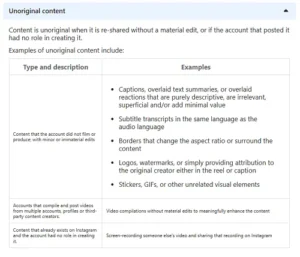
- Originality: Instagram has aggressively deprioritized "aggregator" accounts—those that repost content without adding significant value. The platform’s systems now identify original creators through historical data and signal patterns, rewarding those who produce unique work with higher distribution.
- Recency: While the feed is no longer strictly chronological, time remains a critical factor. Data indicates that a significant share of daily impressions is captured by content published within the last 24 hours. Consequently, timeliness is a major driver of reach.
- Breaking Content: To foster a more equitable ecosystem, Instagram implements an "auditioning" process. When a smaller account publishes high-quality content, the algorithm tests that content with a small segment of non-followers. If the initial response is positive, the reach is scaled, allowing new creators to break through to massive audiences.
- Model Size: As artificial intelligence capabilities have advanced, Instagram has transitioned to larger, more sophisticated neural networks. This evolution allows the platform to understand content topics and user preferences with greater nuance, rendering "hacks" or manual optimization tricks largely obsolete.
Key Engagement Signals: The Data That Matters
While thousands of signals are monitored, three metrics have been identified as the most consequential for ranking: watch time, likes, and shares (sends).
- Watch Time: This is the primary metric for Reels and video-heavy content. If a user spends a significant duration viewing a clip, the algorithm interprets this as a high-intent signal.
- Likes: These are primarily used to gauge the relationship between a creator and their followers. A higher ratio of likes-to-reach signals that a creator’s existing audience finds the content valuable.
- Sends (Shares): In the current ecosystem, shares are arguably the most important metric for reaching non-followers. When a user sends a post to a friend via Direct Message (DM), it is viewed by the algorithm as a high-trust endorsement.
Surface-Specific Strategies
Each section of the Instagram app requires a tailored approach to maximize performance:

The Feed: This is the primary home for staying visible to existing followers. Success here is driven by interaction history—specifically, how often a user has liked or commented on a specific account’s posts in the past. To maintain visibility, brands are encouraged to utilize carousels, which allow for multiple touchpoints. If a user does not swipe through a carousel on the first viewing, the algorithm will show them the second slide later, effectively doubling the chance for engagement.
Stories: Stories are designed for community deepening. Because they appear at the top of the app, they are the most effective way to engage a loyal audience. The algorithm ranks stories based on the user’s history of watching and replying to a specific creator. Interactive elements—such as polls, question stickers, and "Add Yours" prompts—are statistically the most effective ways to trigger the signals required to remain at the front of a user’s story tray.
Explore and Reels: These surfaces are the primary discovery engines for non-followers. The Explore page is interest-based, matching users with content similar to what they have previously engaged with. Reels, conversely, are discovery-focused and rely heavily on watch time and virality. For Reels, creators must focus on the "hook"—the visual or auditory element in the first three seconds that prevents a user from scrolling away.
Algorithmic Control and User Agency
In an effort to provide greater transparency and user satisfaction, Instagram introduced the "Your Algorithm" feature. This tool allows users to view an AI-generated summary of the topics they are interested in and, crucially, provides the ability to "reset" recommendations or explicitly state "not interested" in specific themes.

For creators, this has significant implications. If a creator’s content is consistently labeled by the system as belonging to a specific niche (e.g., "Running" or "Tech"), and a user flags that topic as irrelevant, that creator’s content will be deprioritized for that user. Therefore, maintaining a clear, consistent niche is no longer just a branding exercise; it is an algorithmic necessity to ensure the content is served to the correct audience.
Best Practices for Sustainable Growth
Despite the complexity of these systems, the advice from the platform and industry analysts remains consistent. The most sustainable strategy involves prioritizing "authentic engagement."

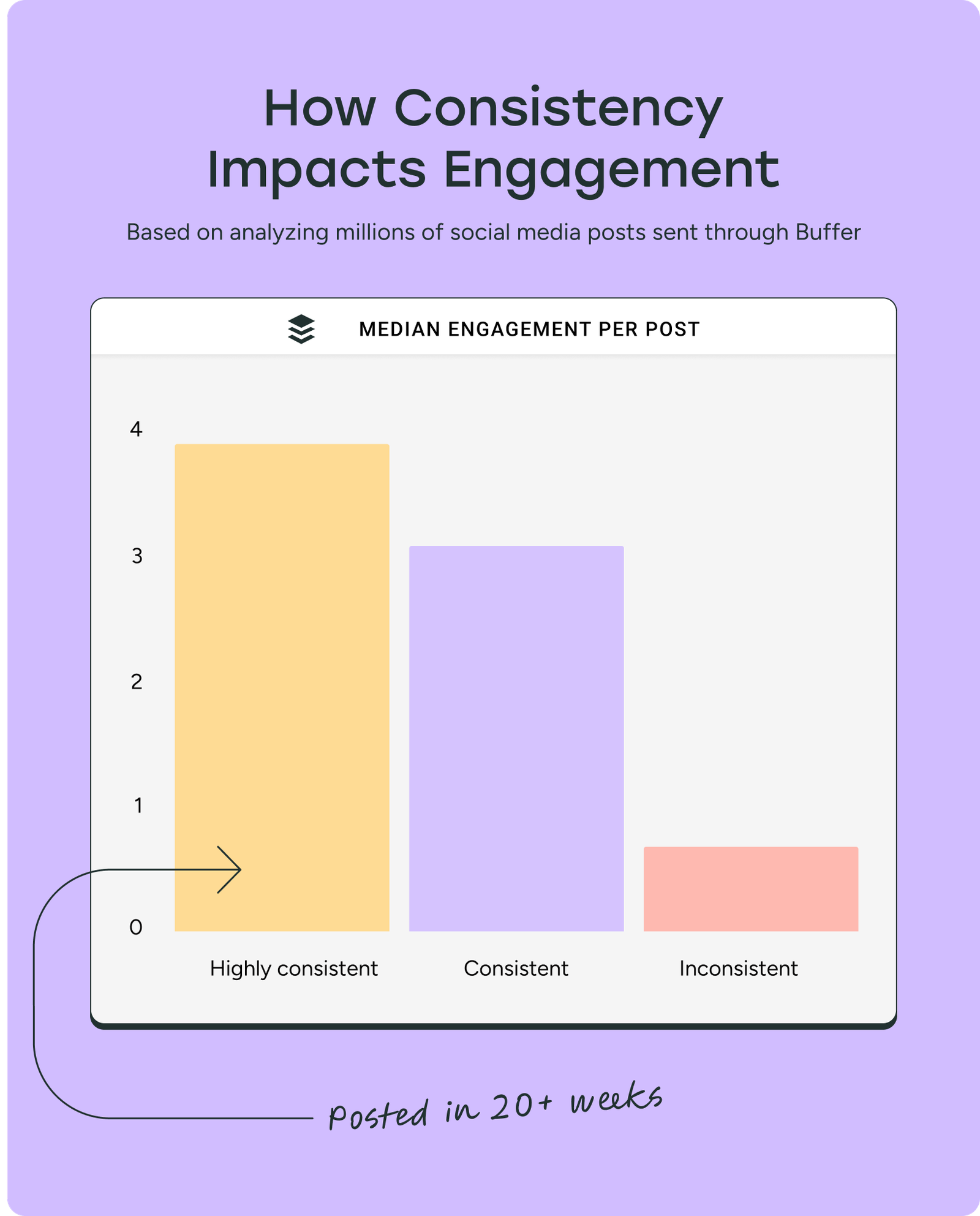
- Consistency: Data from over 100,000 accounts suggests that consistent posting—defined as regular, predictable activity—results in significantly higher engagement rates compared to sporadic bursts of activity.
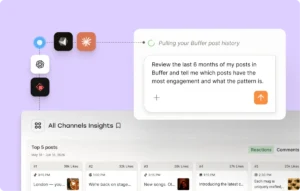
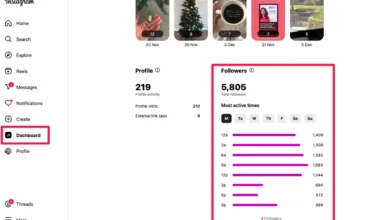
- Data-Driven Decisions: Creators are encouraged to shift their focus from "vanity metrics" (total follower count) to "engagement rates." By calculating the percentage of reached users who engage with a post, creators can identify which content formats resonate most effectively.
- Strategic Repurposing: While repurposing content is recommended, creators must be wary of third-party watermarks. Instagram explicitly states that it deprioritizes content containing logos or watermarks from rival platforms, such as TikTok. Content should be produced and exported in its native format to avoid these penalties.
- The Power of Keywords: As SEO becomes increasingly relevant on social media, the focus has shifted away from hashtag stuffing. Current best practices suggest using no more than five highly relevant, specific hashtags, while focusing the bulk of effort on incorporating descriptive keywords into captions. This makes the content more discoverable through Instagram’s internal search engine.
Implications and Outlook
The transition toward a recommendation-heavy, AI-driven model suggests that Instagram is moving away from a social network based on friendship toward a "content interest graph." For businesses, this means the platform is becoming less of a static catalog and more of a discovery-based media channel.
The overarching lesson for any professional entity on the platform is that the algorithm is not an adversary to be tricked, but a feedback loop to be studied. By focusing on producing high-retention content, maintaining a consistent niche, and fostering genuine interactions through shares and DMs, creators can align their strategy with the platform’s long-term objectives. While the technical specifics of the ranking systems will continue to evolve, the fundamentals—creating content that is engaging, original, and relevant—remain the most reliable path to growth.