When Paul McCartney Taught Elvis Presley the Bass: Inside the Historic 1965 Rock and Roll Encounter

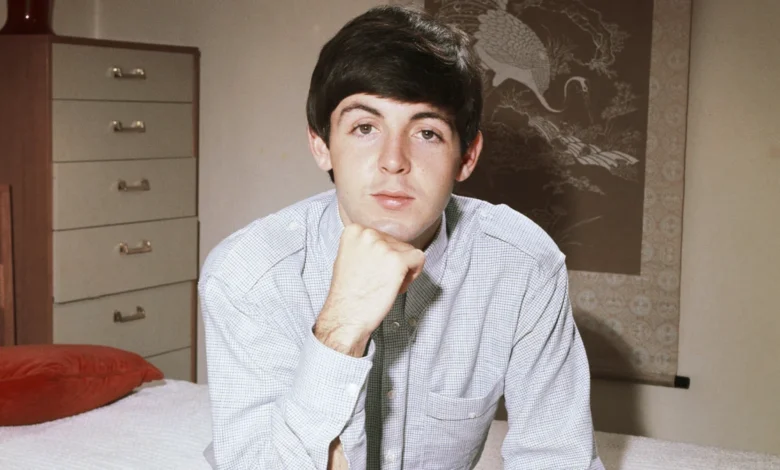
The intersection of two monumental eras in popular music occurred on a warm evening in August 1965, inside a sprawling Bel Air mansion in Los Angeles. The Beatles—then at the white-hot apex of global Beatlemania—finally came face-to-face with their ultimate musical idol, Elvis Presley. Decades later, newly resurfaced archival interviews and historical accounts have shed fresh light on this legendary summit, revealing a surprisingly domestic and musician-to-musician dynamic. Among the most enduring anecdotes from the historic gathering is Paul McCartney casually offering bass-playing pointers to the King of Rock and Roll, transforming a potentially intimidating summit of titans into a relaxed jam session among peers.
The anecdote, originally captured during a 1994 interview conducted by writer Tony Bacon for Bass Magazine and subsequently revisited by MusicRadar, offers a rare glimpse into McCartney’s evolving relationship with his instrument. While McCartney is now universally celebrated as one of the most melodic and influential bassists in rock history, his initial assignment to the low-end frequencies was met with youthful resistance. However, as McCartney matured into his role within the Beatles and later with Wings, his perspective on the power dynamics of a rhythm section shifted dramatically.
From Reluctant Low-End Novice to Master of the Groove
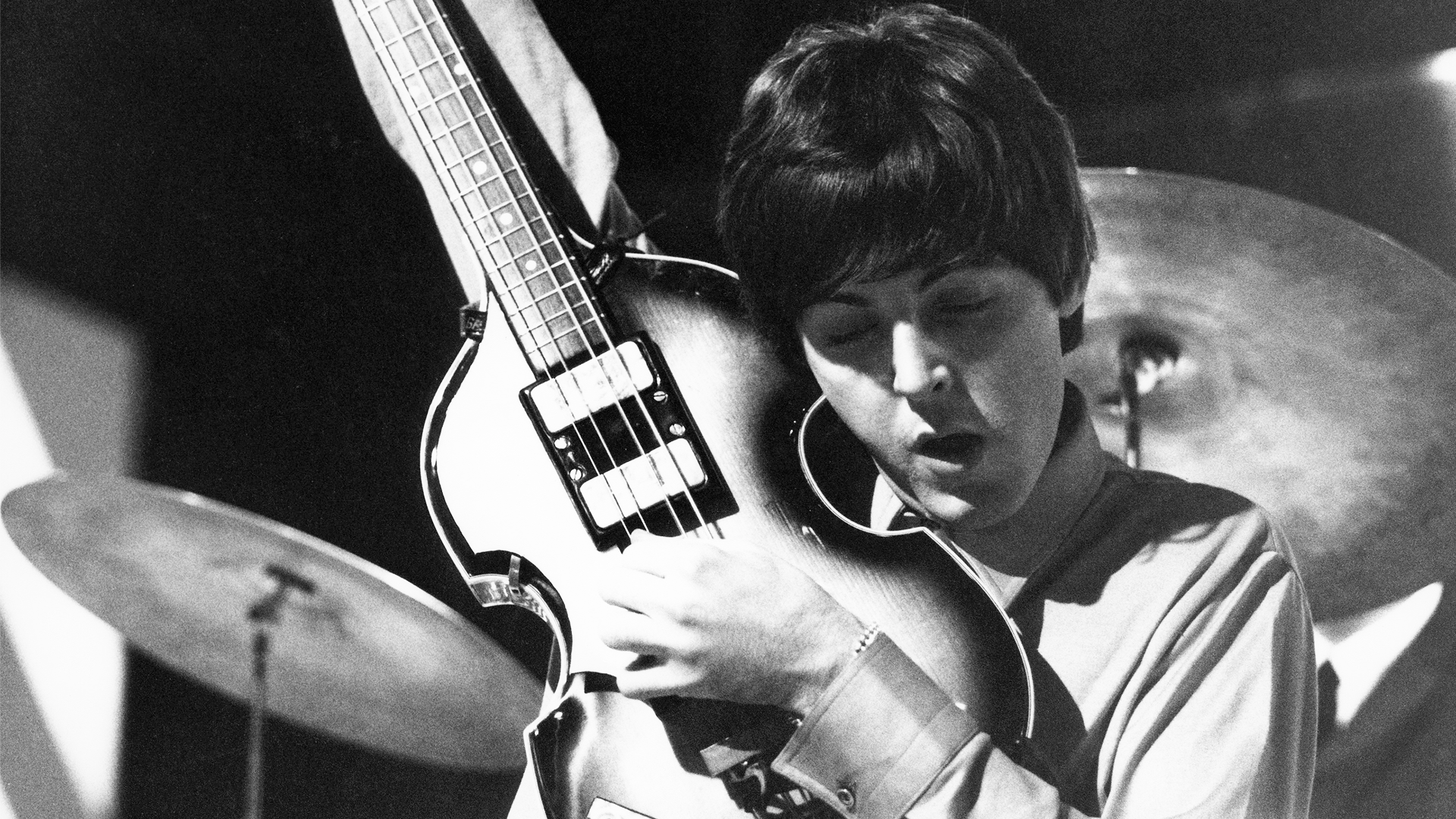
When Stuart Sutcliffe left the Beatles in 1961, McCartney was reluctantly pushed from the rhythm guitar to the Hofner violin bass. Initially, the future icon viewed the instrument as a burdensome chore thrust upon him by circumstance.
"From the word go, once I got over the fact that I was lumbered with the bass, I did get quite proud to be a bass player, quite proud of the idea," McCartney recalled in the archival interview. "Once you realised the control you had over the band, you were in control. They can’t go anywhere, man. Ha! Power!"
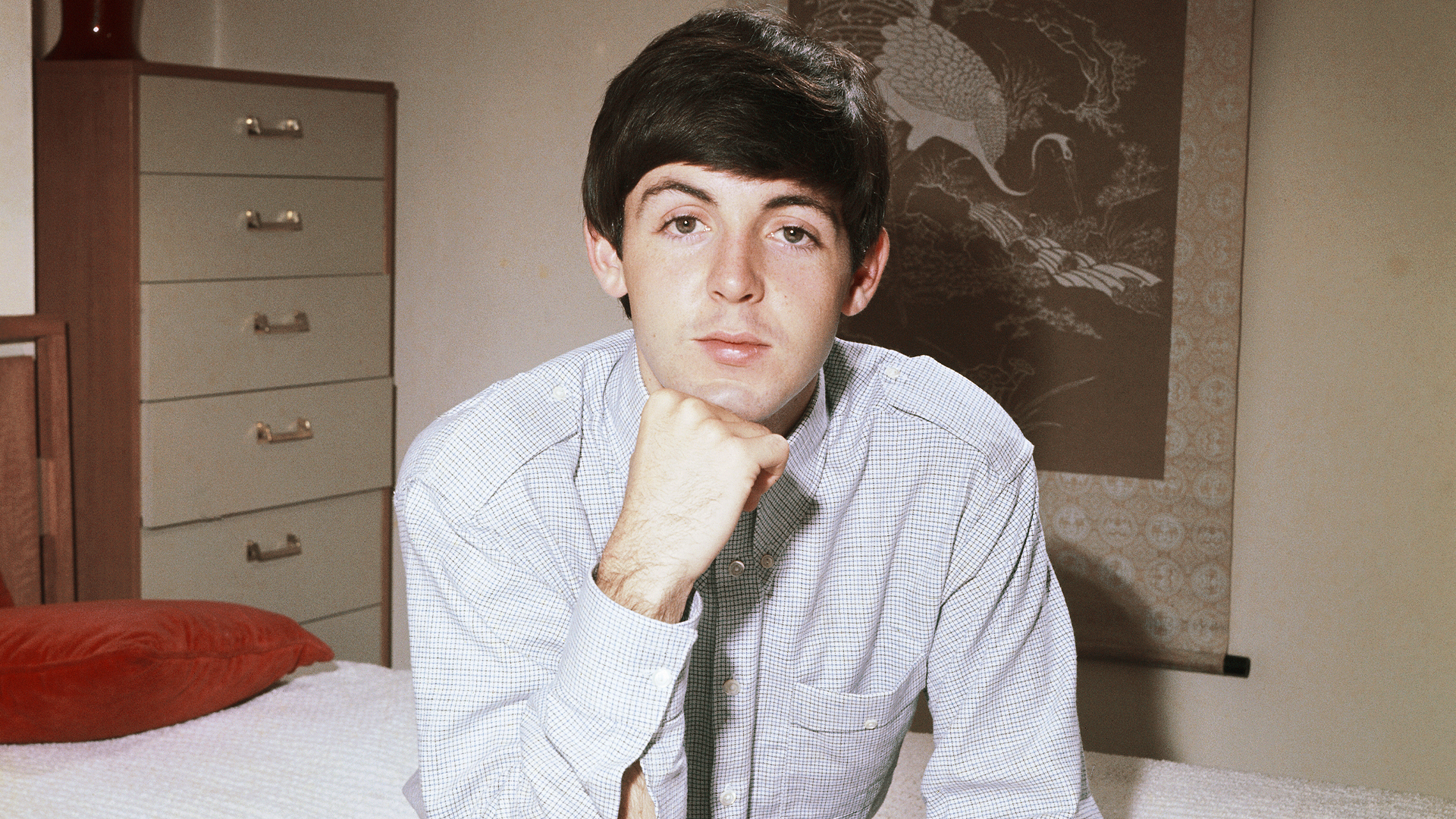
This newfound appreciation for the rhythmic anchor of a band fundamentally altered McCartney’s musical identity. He began analyzing the work of contemporaries, identifying with other foundational bassists, and elevating his instrument from a mere background rhythm keeper to a melodic voice in its own right. By the summer of 1965, that newfound confidence manifested in one of the most surreal moments of rock history: schooling Elvis Presley on the fundamentals of the bass guitar.
The Buildup to August 27, 1965: Chasing the King
The meeting between the Beatles and Elvis Presley was not a spontaneous chance encounter; it was the result of years of lobbying by the British band’s inner circle. Ever since the Fab Four exploded onto the international stage, meeting Presley—the man who famously bridged rhythm and blues with country to ignite the rock and roll revolution—was the ultimate ambition. John Lennon famously remarked that "before Elvis, there was nothing."
By August 1965, the Beatles were in the midst of their second major North American tour, which included a historic, record-shattering performance at Shea Stadium in New York. While resting in Los Angeles between tour dates, negotiations led by Presley’s shrewd manager, Colonel Tom Parker, finally bore fruit. The Beatles were invited to Elvis’s sprawling headquarters on Perugia Way in Bel Air, a property characterized by its bustling, albeit chaotic, atmosphere, often shared with an entourage of road managers and their families.
Despite the initial anticipation, the atmosphere upon arrival was reportedly stilted. Presley was sitting on his couch watching television with the sound muted, while a flickering set played in the background. John Lennon, who held complex, idolizing views of Presley, later described the meeting as somewhat of a damp squib due to the initial awkwardness and language barrier of mutual awe.
Yet, as the evening progressed, the ice melted. Instruments were brought out, and a casual jam session ensued, featuring a spontaneous run-through of the Beatles’ recent hit "I Feel Fine."
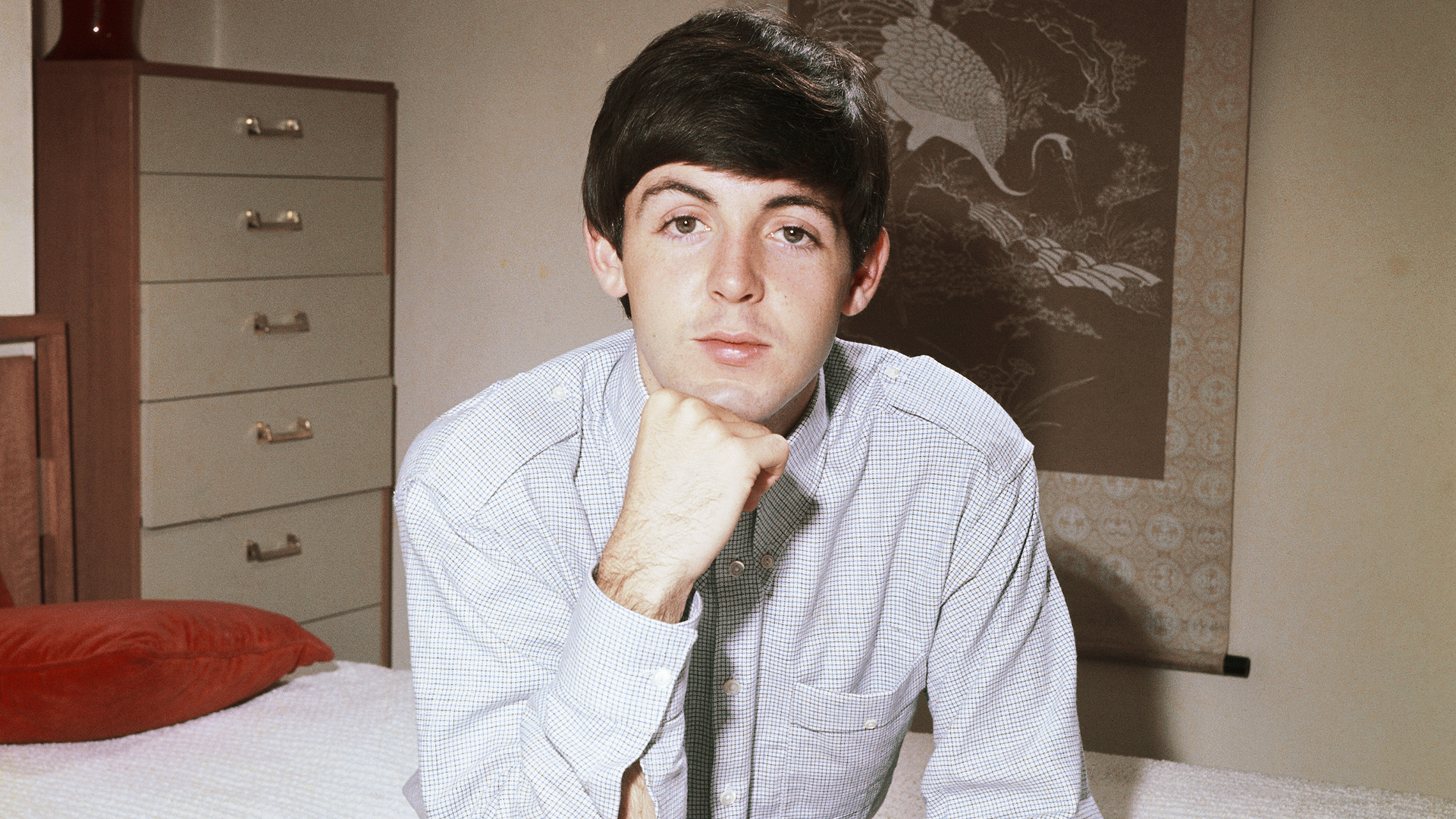
A Musician-to-Musician Bond
While Lennon and George Harrison experienced moments of quiet intimidation, McCartney found immediate common ground with Presley through their shared interest in instrumentation. At the time, Presley was experimenting with the bass guitar, trying to grasp its mechanics and nuances.
"I then started to identify with other bass players, to talk bass with the guys in the band," McCartney recalled in The Beatles Anthology. "In fact, when we met Elvis, he was trying to learn bass, so I was like, ‘You’re trying to learn bass, are you… son? Sit down, let me show you a few things.’ So I was very proud of being the bass player."
McCartney noted that once they moved past the initial star-struck tension, Presley proved to be warm, communicative, and disarmingly shy. "Suddenly he was a mate," McCartney reflected. "It was a great conversation piece for me: I could actually talk about the bass, and we sat around and just enjoyed ourselves. He was great—talkative and friendly, and a little bit shy. But that was his image: we expected that; we hoped for that."
The Shifting Tides of Popular Music
The significance of the 1965 summit extends far beyond a humorous anecdote about bass tutorials. Culturally and commercially, the meeting marked a profound passing of the torch in the global music landscape.
Throughout the late 1950s, Elvis Presley held an uncontested monopoly on youth culture and global rock and roll dominance. However, by the mid-1960s, the British Invasion spearheaded by the Beatles had fundamentally re-mapped the musical topography. When the two forces collided in Bel Air, the commercial momentum was unmistakably shifting across the Atlantic.
Reflecting on the meeting years later, McCartney expressed a sense of melancholy regarding how subsequent events unfolded. "It was one of the great meetings of my life. I think he liked us," McCartney said. "I think at that time he may have felt a little bit threatened, but he didn’t say anything. We certainly didn’t feel any antagonism."
"I only met him that once, and then I think the success of our career started to push him out a little; which we were very sad about, because we wanted to co-exist with him. He was our greatest idol, but the styles were changing in favour of us. He was a pretty powerful image to British people."
Legacy and Historical Impact
Though Presley retreated into the Hollywood film industry for much of the mid-1960s before his legendary 1968 comeback special, the brief intersection of his world with the Beatles remains a watershed moment in music history. It captured the exact pivot point where the pioneers of American rock and roll handed the cultural baton to the innovators of the British Invasion.
For McCartney, the encounter underscored a lifelong journey that began with resentment toward a four-string instrument and culminated in global dominance—allowing a young man from Liverpool to sit down in a Bel Air mansion and casually offer lessons to the King himself.