YouTube Releases Comprehensive Creator Capital Report Highlighting Major Concerns and Economic Impact Across European Union Member States

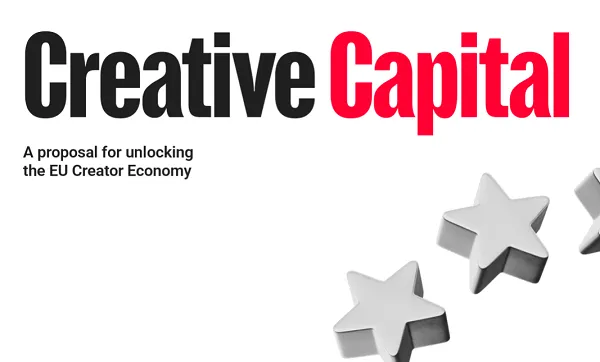
YouTube has released expanded insights and comprehensive data regarding the primary challenges, anxieties, and economic contributions of digital content creators operating across the European Union. The initiative follows the publication of the video-sharing platform’s landmark European Creator Consultation report, which surveyed 20,000 independent creators spanning all 27 EU member states. By synthesizing extensive qualitative feedback and quantitative metrics, YouTube aims to provide policymakers, regulatory bodies, and industry stakeholders with a granular understanding of the modern digital creative economy. The findings arrive at a critical juncture for European tech regulation, as policymakers navigate the complex intersection of digital sovereignty, intellectual property, algorithmic transparency, and economic growth.
The newly revealed data offers a deeper look into the systemic pressures felt by Europe’s digital entrepreneurs. While the digital landscape offers unprecedented opportunities for global reach and monetization, creators face a labyrinth of operational hurdles. These range from fragmented regional tax laws and compliance burdens to the psychological toll of content moderation policies and algorithmic volatility. By elevating these direct testimonies, YouTube hopes to foster a more collaborative regulatory environment that safeguards creator livelihoods while maintaining open, safe digital spaces for European audiences.
Background and Context of the European Creator Consultation
The genesis of YouTube’s recent analytical push dates back to the platform’s broader strategy to engage directly with regional creator ecosystems outside of its headquarters in Silicon Valley. Over the past decade, the European Union has positioned itself as a global pacesetter in digital governance. Landmark legislative packages—such as the Digital Services Act (DSA), the Digital Markets Act (DMA), and the updated Audiovisual Media Services Directive (AVMSD)—have fundamentally transformed how digital platforms operate, moderate content, and monetize advertising within the bloc.
However, independent creators often feel that sweeping regulatory frameworks, while designed to protect consumers and curb the market dominance of Big Tech, inadvertently create burdensome compliance requirements for small businesses and individual entrepreneurs. Recognizing this disconnect, YouTube commissioned an extensive consultation process. By surveying 20,000 creators across 27 diverse linguistic, cultural, and regulatory jurisdictions, the platform sought to capture an accurate cross-section of the European digital economy. The resulting 17-page Creative Capital report serves as a foundational document designed to bridge the communication gap between grassroots digital creators and the halls of institutional power in Brussels and national capitals.
Chronology of the Creator Consultation and Insight Rollout
The rollout of YouTube’s creator consultation insights has followed a structured, multi-phase timeline designed to maximize public awareness and policy engagement:
- Phase One (Early Planning and Survey Execution): YouTube deployed comprehensive digital surveys targeting verified creators of varying channel sizes, genres, and monetization tiers across all 27 EU member states. The objective was to aggregate quantitative data on revenue stability, operational expenses, and regulatory bottlenecks.
- Phase Two (Initial Publication of the Creative Capital Report): Last month, YouTube officially published its European Creator Consultation findings via the Creative Capital report. This document outlined the broad strokes of creator anxiety, categorizing primary concerns into distinct operational and psychological pillars.
- Phase Three (Deep-Dive Video Interviews and Targeted Insights): Building upon the initial report, YouTube released targeted video interviews and multimedia resources addressing specific pain points identified in the survey. This phase aimed to put a human face to the statistical data, allowing individual creators to articulate their lived experiences directly to viewers, industry peers, and policymakers.
- Phase Four (Ongoing Stakeholder and Policy Engagement): The current phase involves disseminating these findings directly to European lawmakers, trade associations, and economic development agencies. The goal is to inform upcoming policy debates and demonstrate the tangible economic footprint of the creator economy.
Detailed Breakdown of Core Creator Concerns
The comprehensive data gathered from the 20,000 surveyed creators reveals several recurring themes that dominate the professional lives of European digital entrepreneurs. Far from being mere hobbyists, these individuals operate sophisticated media enterprises that face unique structural vulnerabilities.
Algorithmic Volatility and Discovery Mechanics
One of the most pervasive concerns highlighted in the Creative Capital report centers on algorithmic predictability. Content creators invest substantial capital, time, and creative energy into producing serialized or high-production-value media. However, shifts in recommendation algorithms can dramatically alter a channel’s visibility almost overnight. Creators report feeling a persistent sense of precarity, knowing that their revenue streams—tied directly to view counts, watch time, and ad impressions—depend on proprietary systems over which they have zero direct control.
Regulatory Complexity and Administrative Burdens
Operating a digital business across multiple EU member states exposes creators to a fragmented matrix of tax regulations, Value Added Tax (VAT) compliance rules, and consumer protection laws. Unlike large multinational corporations with dedicated legal and accounting departments, individual creators often manage these complex administrative duties single-handedly. The consultation revealed widespread anxiety regarding compliance errors, cross-border payment friction, and the sheer administrative bandwidth required to remain legally compliant while scaling operations.
Monetization Stability and Economic Pressures
While digital advertising remains the bedrock of creator revenue, fluctuations in global ad spend, seasonal dips, and varying regional CPMs (Cost Per Mille) create financial instability. Creators expressed a strong desire for diversified monetization tools—such as channel memberships, digital merchandise, and brand sponsorships—while simultaneously calling for greater predictability in ad-revenue-sharing models. Furthermore, macroeconomic pressures across Europe, including rising inflation and increased production costs, have squeezed profit margins for independent digital studios.
Mental Health, Burnout, and Creative Fatigue
The relentless demand for fresh content in a hyper-competitive attention economy takes a severe psychological toll. The survey data underscored an alarming prevalence of burnout, chronic stress, and creative fatigue among European creators. The pressure to maintain consistent upload schedules to appease recommendation algorithms, combined with the emotional labor of managing public online communities and dealing with negative feedback or harassment, creates an unsustainable work environment for many solo entrepreneurs.
Quantifying the Economic Footprint: YouTube’s Impact on the EU Economy
To contextualize the urgency of addressing these creator concerns, YouTube has emphasized the immense macroeconomic value generated by its platform across the European Union. According to expanded economic assessments released by the platform, YouTube contributed over $9.3 billion to the European economy in 2025 alone. Furthermore, the platform’s ecosystem supported more than 220,000 full-time equivalent jobs across the continent.
This economic footprint extends far beyond traditional digital media sectors. The ripple effects of a thriving creator economy stimulate growth across numerous auxiliary industries, including:
- Professional Production Services: Independent creators routinely contract local videographers, sound engineers, lighting technicians, set designers, and editors, injecting capital into local creative service markets.
- Marketing and Public Relations: Brands—ranging from local European small-and-medium-sized enterprises (SMEs) to global conglomerates—increasingly rely on creator-led marketing campaigns, driving business for specialized talent agencies and public relations firms.
- Technology and Software Development: Creators are heavy consumers of advanced hardware, editing software, cloud storage solutions, and analytical tools, supporting Europe’s broader tech and software sectors.
- Travel, Hospitality, and Tourism: Many travel, lifestyle, and culinary creators directly boost regional tourism by showcasing European destinations, cultural heritage sites, and local businesses to millions of international viewers.
Given these figures, the health of the creator economy is no longer a niche cultural concern; it is a vital component of Europe’s broader economic vitality and digital transformation agenda.
Implications for European Policy and Regulatory Collaboration
The release of the Creative Capital report and its subsequent deep-dive insights carry profound implications for the future of European digital policy. As the European Union continues to refine its regulatory framework for the digital single market, the insights provided by YouTube underscore the necessity of a collaborative approach between tech platforms, creators, and lawmakers.
Policy analysts note that future legislation must carefully balance consumer protection and content safety with the economic viability of independent digital businesses. Overly rigid compliance mandates or broad liability frameworks could inadvertently stifle innovation, imposing disproportionate financial burdens on micro-enterprises and independent creators who lack the legal infrastructure to absorb heavy regulatory shocks.
Conversely, the data highlights areas where proactive regulatory cooperation could yield positive outcomes. For instance, standardizing cross-border digital tax frameworks, enhancing transparency regarding algorithmic content moderation, and establishing robust support systems for digital entrepreneurship could significantly alleviate the systemic pressures faced by creators.
Furthermore, raising awareness among policymakers is a critical first step. By translating qualitative creator anxieties and quantitative economic data into actionable insights, initiatives like YouTube’s consultation report provide lawmakers with the empirical foundation necessary to craft balanced, forward-looking policies.
Looking Ahead: The Future of the European Creator Ecosystem
As the digital landscape continues to evolve at a rapid pace—driven by advancements in generative artificial intelligence, shifting consumer consumption habits, and changing regulatory baselines—the role of the independent creator within the European economy will only grow in significance.
YouTube’s ongoing efforts to highlight these creator concerns signal a shift toward more transparent, data-driven advocacy. By bridging the gap between grassroots digital entrepreneurs and institutional decision-makers, the platform hopes to foster a resilient ecosystem where European creators can not only survive regulatory and economic headwinds but continue to innovate, create jobs, and enrich the global cultural landscape for years to come.