YouTube Playables Introduces 24 New Accessibility Tags in Collaboration with the Accessible Games Initiative to Improve Game Discovery

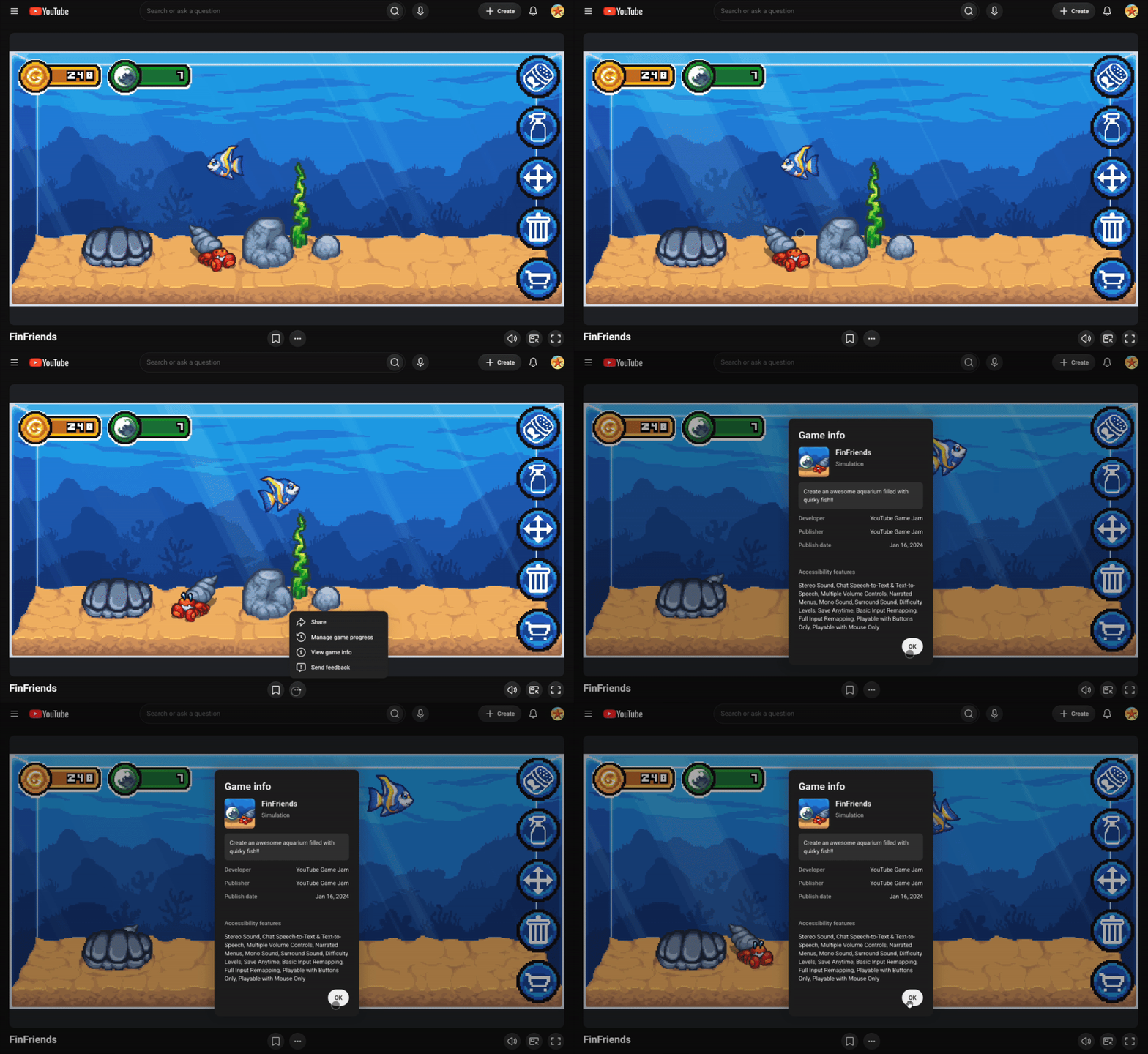
YouTube is enhancing its gaming ecosystem by integrating twenty-four new accessibility tags into YouTube Playables, its hub for lightweight, browser-based games. Available immediately across both mobile devices and web browsers, this feature allows users to access comprehensive information panels detailing a game’s supported accessibility features before they begin playing. The initiative represents a significant step toward standardizing accessibility metadata across the broader digital entertainment industry, aligning directly with the established framework of the Accessible Games Initiative.
The introduction of these tags addresses a long-standing challenge in digital gaming: the fragmentation of accessibility information. Historically, players with disabilities have had to rely on incomplete descriptions, third-party wikis, or trial-and-error methods to determine whether a specific title accommodated their physical, cognitive, or sensory needs. By incorporating these standardized indicators directly into the YouTube Playables interface, Google aims to streamline game discovery, ensuring that inclusivity is a transparent and front-facing element of the user experience.
Background Context and the Push for Industry Standardization
The integration of these tags on YouTube Playables is not an isolated development; it is the culmination of years of advocacy, research, and technical collaboration among industry leaders, advocacy groups, and developers who comprise the Accessible Games Initiative. For over a decade, disability advocates and accessibility specialists have pushed for a unified taxonomy in gaming. Unlike film and television, which long ago established universally recognized rating systems and captioning standards, the video game industry has struggled with decentralized metadata. A feature labeled one way on a personal computer storefront might carry a different definition or be omitted entirely on a mobile gaming platform.
The Accessible Games Initiative was formed to resolve this exact friction. By establishing a shared industry standard, the initiative seeks to create a universal dictionary of accessibility features. When a player encounters an Accessible Games Initiative tag—whether on YouTube Playables, a dedicated home console dashboard, or a PC digital storefront—that tag carries a precise, unchanging definition. This consistency reduces cognitive load for players, eliminates ambiguity, and establishes a baseline of trust across different gaming ecosystems.
The rollout on YouTube Playables brings this standardization to casual and browser-based gaming, a sector that has historically lagged behind AAA console and PC markets in formal accessibility documentation. Because YouTube Playables hosts a diverse array of titles accessible to millions of active users worldwide, introducing these tags on the platform exposes a massive audience to the concept of standardized accessibility metrics.
Detailed Breakdown of the 24 New Tags
The newly introduced tags span several key categories designed to cover the broad spectrum of player needs. While specific categories range from visual assistance options to motor control alternatives and auditory accommodations, the overarching goal is to provide granular details rather than broad generalizations.
For instance, visual categories address colorblindness accommodations, scalable user interfaces, high-contrast modes, and screen reader compatibility. Motor and input categories highlight features such as remappable controls, single-input support, adjustable game speed, and elimination of rapid button-mashing sequences. Auditory categories focus on visual sound cues, subtitles with speaker identification, and independent volume sliders for dialogue, music, and sound effects.
By categorizing these features into twenty-four distinct tags, YouTube Playables enables players to filter and evaluate games based on their individual requirements. When browsing the platform, users can open any game’s info panel to view the complete list of supported tags in a single, centralized location. This immediate visibility empowers players to make informed decisions before investing time into a title, thereby reducing frustration and enhancing overall user satisfaction.
Actionable Guidelines and Portal Updates for Developers
For developers publishing content on YouTube Playables, the integration of accessibility tags has been designed to be frictionless. Rather than requiring complex coding or extensive documentation rewrites, the tagging system has been integrated directly into the existing developer portal under the Game Details section.
Publishers and independent developers can apply the relevant accessibility tags to their titles in just a few clicks as part of the standard publishing workflow. The platform encourages developers to audit their games accurately against the criteria outlined by the Accessible Games Initiative. Complete definitions, technical requirements, and best practices for compliance are publicly available via the official portal at accessiblegames.com.
Industry analysts note that placing the responsibility of tagging into the hands of developers via a simplified interface ensures high adoption rates. By streamlining the process, YouTube minimizes administrative burdens while maximizing the accuracy of the metadata presented to the public.
The Business Case for Accessibility: Data and Market Implications
Beyond the clear ethical and social imperatives of making games accessible to all players, industry data increasingly demonstrates a strong economic incentive for transparent accessibility reporting. Market research indicates that digital products featuring clear upfront accessibility details experience significantly higher user retention and engagement metrics.
Data highlights a direct correlation between transparent accessibility implementation and customer loyalty, with studies showing that comprehensive accessibility support can lead up to a 60% boost in repeat players. When players can easily identify titles that accommodate their specific needs, they are far more likely to return to the platform, build long-term loyalty with specific developers, and recommend the platform to others within the disability community.
Furthermore, the demographic realities of the gaming audience underscore the necessity of these updates. Gamers span all age groups, and accessibility needs often intersect with temporary injuries, situational limitations (such as playing without audio in a public space), and age-related changes in vision or dexterity. By providing a robust tagging system, YouTube Playables expands its addressable market, making its gaming catalog more welcoming to a broader cross-section of consumers.
Official Responses and Industry Reception
Industry partners and accessibility advocates have widely praised the integration of the Accessible Games Initiative tags into YouTube Playables. Representatives from the initiative highlighted the milestone as proof that cross-platform collaboration is viable and effective.
"The inclusion of these standardized tags on a platform as ubiquitous as YouTube marks a major turning point for game discovery," noted a spokesperson close to the initiative. "When major technology companies adopt shared standards, it signals to the entire industry that accessibility is no longer an afterthought or a niche feature, but a core component of digital design."
Game developers publishing on YouTube Playables have similarly expressed approval, noting that clear metadata helps their titles reach the exact audiences that will appreciate them most. Independent creators, who often lack the marketing budgets of major studios, benefit immensely from granular tagging, as it allows players searching for specific accommodations to discover niche titles organically.
Broader Impact and Future Outlook for Digital Game Discovery
The deployment of accessibility tags on YouTube Playables reflects a broader evolution in how digital platforms handle metadata and user experience. As the gaming landscape continues to expand across mobile browsers, cloud streaming, and traditional hardware, the demand for unified information standards will only intensify.
The success of this rollout may serve as a blueprint for other digital content hubs seeking to improve inclusivity and user trust. By adopting established industry frameworks rather than creating proprietary, platform-specific solutions, Google has contributed to a more cohesive digital ecosystem.
Looking ahead, industry observers expect the Accessible Games Initiative to continue expanding its taxonomy as new gaming technologies—such as virtual reality, augmented reality, and advanced haptic feedback systems—mature. As these technologies evolve, the foundational work being established today on platforms like YouTube Playables will ensure that accessibility remains an integral, standardized pillar of the future of interactive entertainment.
Developers looking to review the complete taxonomy, explore technical implementation guides, or verify compliance requirements are encouraged to visit accessiblegames.com and consult the updated documentation within the YouTube Playables developer portal.