Viral Formula 1 Fan Film Highlights the Evolution of Digital Motion Graphics and the Rise of Independent 3D Artistry

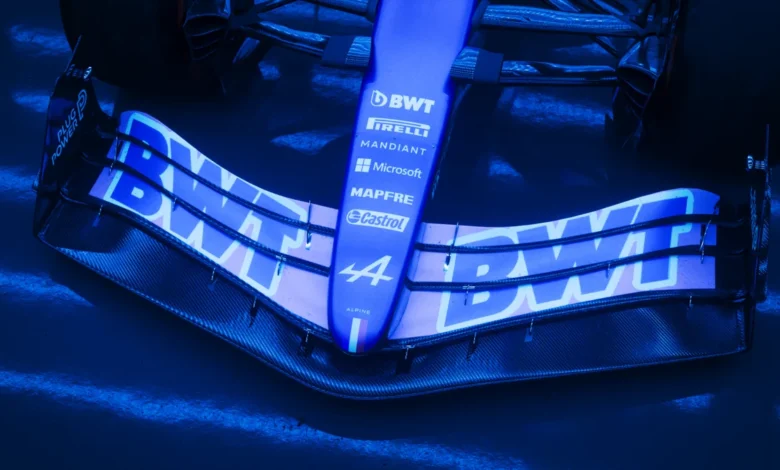
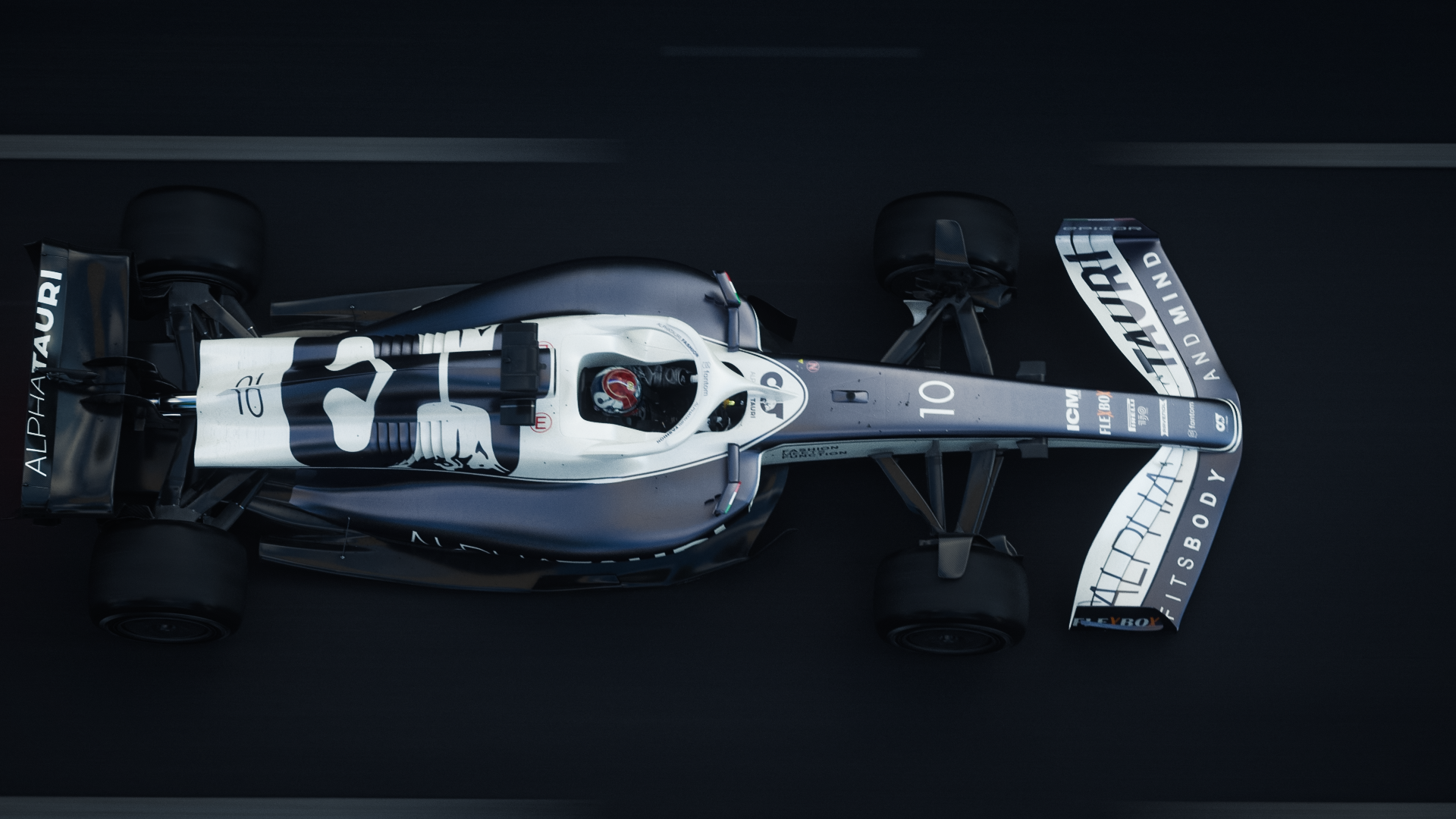
The intersection of high-octane motorsport and cutting-edge digital artistry has reached a new milestone with the viral success of a fan-made Formula 1 film produced by Dutch 3D artist Tim Kikkert. Originally conceived as a technical exercise in automotive rendering, the project has garnered international attention, illustrating a broader trend in the media industry: the narrowing gap between individual creators and high-budget production houses. Utilizing a sophisticated pipeline of Cinema 4D, Substance Painter, and After Effects, Kikkert’s work exemplifies how democratization in software tools is allowing independent artists to produce broadcast-quality content that rivals official promotional materials from global sporting entities.
The Genesis of a Digital Phenomenon
Tim Kikkert, a professional 3D artist specializing in motion graphics, began his journey in the creative sector with a focus on traditional filmmaking and editing. Based in the Netherlands, Kikkert transitioned into the realm of 3D animation during his collegiate years, initially viewing the medium as a secondary passion. However, the rapid development of his technical proficiency led to an early entry into the professional industry, securing a contract while still a student.
The viral Formula 1 project was not the result of a commercial commission but rather a spontaneous creative endeavor. Inspired by the visual aesthetic of automotive rendering, Kikkert sought to experiment with lighting setups using F1 chassis models. The initial tests, shared on social media platforms such as Reddit, resonated deeply with the Formula 1 community, which has seen an unprecedented surge in digital engagement over the last five years. Following the positive reception of his preliminary work, Kikkert embarked on a rigorous seven-month production cycle to create a comprehensive "aftermovie" for the 2022 Formula 1 season.
Technical Chronology and Production Pipeline
The development of the film was structured into distinct phases, mirroring the workflow of professional visual effects (VFX) studios. Kikkert’s process underscores the importance of automation in solo productions, where the artist must balance high-fidelity output with the constraints of limited manpower.
-
Phase One: Rigging and Automation (One Month)
The foundation of the project relied on the mechanical accuracy of the vehicles. Kikkert utilized a car rig preset developed by Matteo Forghieri but significantly expanded its capabilities through Cinema 4D’s XPresso—a node-based system used for creating automated relationships between objects. Kikkert’s enhancements included automated suspension geometry, reactive steering, and a driver character rig that synchronized hand movements with the steering wheel. By automating these physics-based elements, Kikkert ensured that the cars would react realistically to the digital track surface without requiring manual keyframing for every vibration or turn.
-
Phase Two: Shading and Studio Environment (Two Weeks)
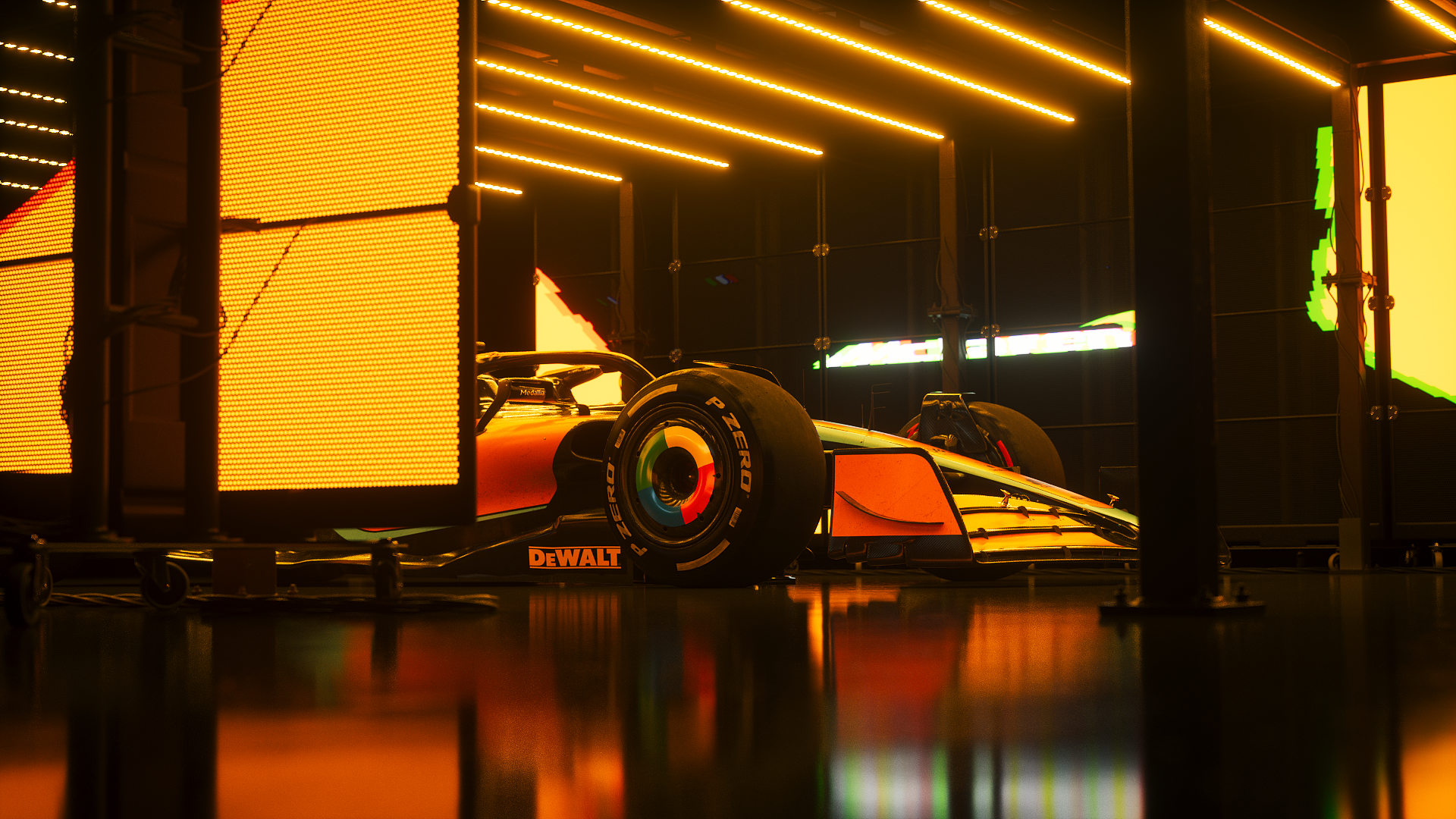
To achieve a high-end commercial look, Kikkert focused on the material properties of the cars. Using Substance Painter, he developed complex shaders that replicated the carbon fiber, high-gloss paint, and rubber textures unique to Formula 1 machinery. The lighting strategy for the studio sequences was inspired by modern music festivals, employing abstract black-and-white animated masks to drive overhead LED panels. This technique provided a dynamic, evolving reflection on the cars’ aerodynamic surfaces, a method frequently used in high-budget automotive photography. -
Phase Three: Animation and Scene Assembly (Six Months)
The most labor-intensive portion of the project involved the creation of ten distinct animation sequences. Kikkert analyzed official F1 TV broadcasts frame-by-frame to study the nuances of camera movement, such as the slight delay in a cameraman’s pan or the vibration of a long-lens shot. By replicating these real-world "imperfections," he was able to bypass the "uncanny valley" often associated with CGI racing. -
Phase Four: Post-Production (One Week)
The final stage involved color grading and sound design, crucial components in conveying the visceral power of internal combustion engines. Kikkert performed these tasks outside of standard professional hours, emphasizing the "passion project" nature of the work.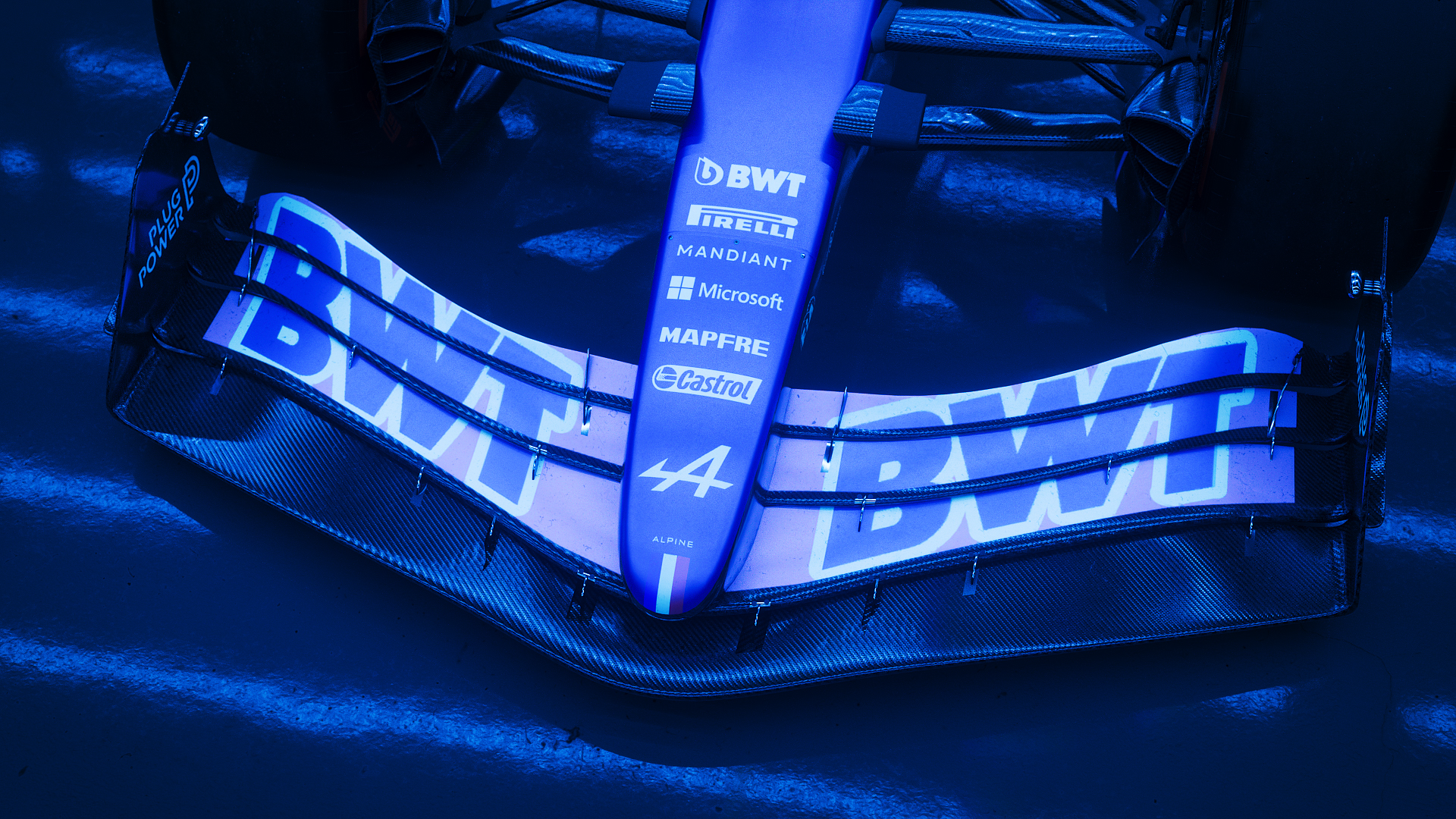
Supporting Data: The Formula 1 Digital Boom
Kikkert’s success is situated within a larger context of Formula 1’s explosive growth in the digital sphere. Since Liberty Media’s acquisition of the sport in 2017, F1 has prioritized digital-first content to attract a younger, tech-savvy demographic. According to industry data, Formula 1 has been the fastest-growing major sports league on social media for several consecutive years.
In 2022, the year Kikkert’s film focuses on, Formula 1 reported a total social media following of over 60 million, a 23% increase from the previous year. Digital engagement—measured by likes, shares, and comments—surged to 1.1 billion. This environment has created a fertile ground for "prosumer" content. Fan-made films like Kikkert’s often act as unofficial marketing, maintaining fan engagement during the off-season and providing a visual language that mirrors the high-production values of the Netflix docuseries Drive to Survive.
Analysis of Implications for the VFX Industry
The professional quality of Kikkert’s work carries significant implications for the future of the motion graphics and VFX industries. Traditionally, the creation of five minutes of high-fidelity CGI would require a team of specialists, including riggers, animators, lighters, and compositors. Kikkert’s ability to execute this independently highlights several key shifts:
- Software Accessibility: Tools like Cinema 4D have become more intuitive, allowing a single generalist to handle multiple stages of the pipeline that were previously siloed.
- The Rise of the "Generalist": There is an increasing demand for artists who possess a holistic understanding of the production process. Kikkert’s journey from filmmaking to 3D suggests that a background in traditional cinematography is becoming a vital asset in the digital space.
- The Democratization of Assets: The use of third-party rigs and presets (like the Forghieri rig) allows artists to skip the "grunt work" of basic construction and focus on the artistic nuances of lighting, pacing, and storytelling.
Industry observers note that major brands are increasingly looking toward independent creators for inspiration. The "viral" nature of Kikkert’s project serves as a portfolio piece that demonstrates not just technical skill, but an understanding of brand identity and audience psychology.
Broader Impact and Future Directions
The reception of Kikkert’s Formula 1 film by both the 3D community and racing enthusiasts suggests a growing appetite for "hyper-real" digital content. While Kikkert has expressed a desire to move into even more complex software ecosystems, such as SideFX’s Houdini—the industry standard for procedural simulations—his work in Cinema 4D remains a benchmark for what can be achieved by a dedicated individual.
The project also highlights a shift in how creative professionals learn. Kikkert noted that while resources like GreyscaleGorilla were foundational, much of his advanced knowledge was self-taught through iterative experimentation and community-driven platforms like YouTube and Reddit. This "open-source" learning culture is accelerating the pace of innovation within the 3D community, as artists share techniques and troubleshoot complex problems in real-time.
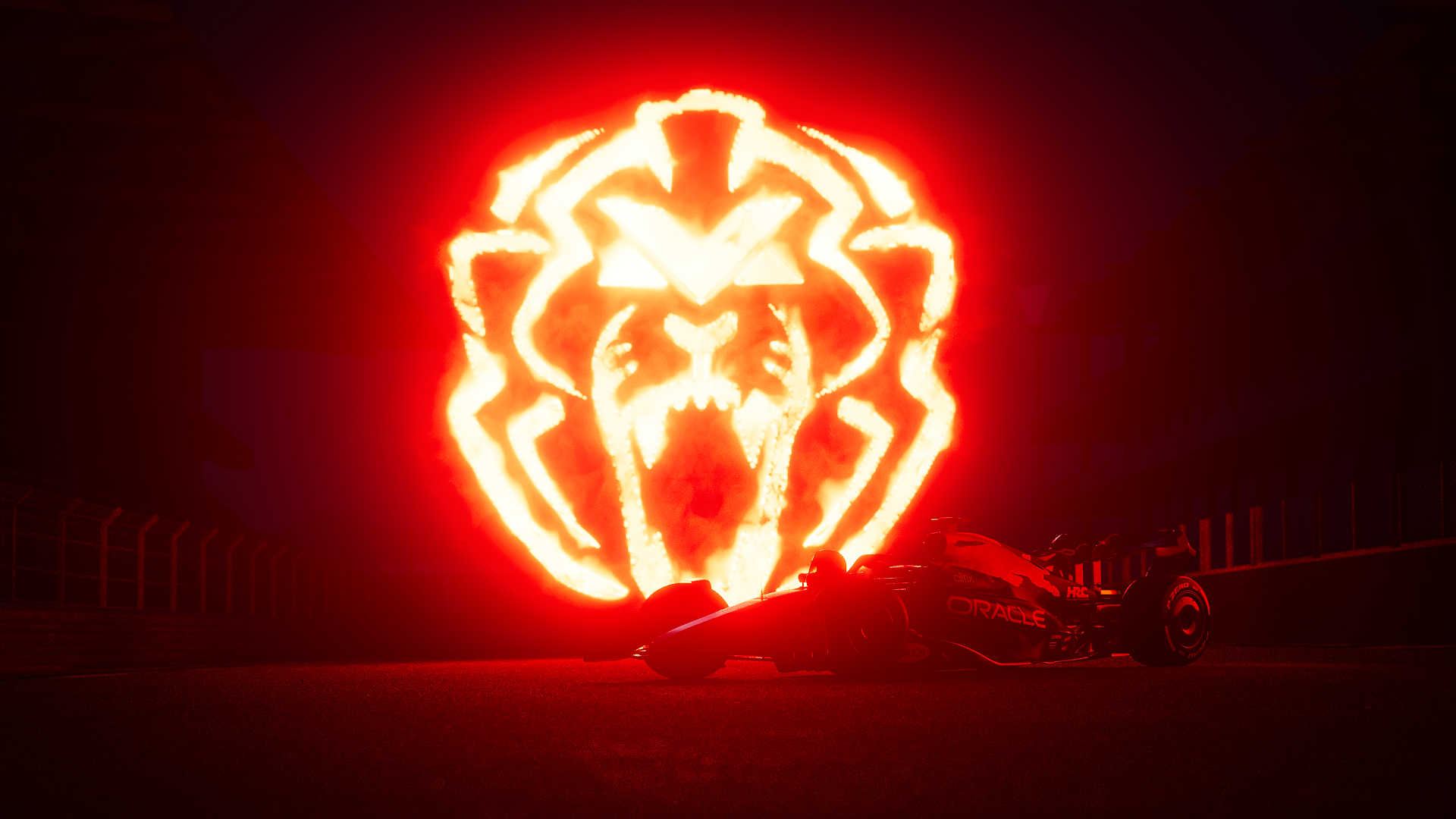
As Formula 1 continues to expand its global footprint, particularly in the United States, the demand for high-quality digital content is expected to rise. Independent artists like Tim Kikkert are no longer just fans; they are key players in the digital ecosystem of the sport, providing fresh perspectives that occasionally surpass the creative output of established broadcast entities.
Conclusion
Tim Kikkert’s viral Formula 1 fan film is more than a tribute to a sport; it is a testament to the current state of digital artistry. By combining a deep passion for racing with a sophisticated mastery of 3D tools, Kikkert has produced a work that stands as a case study in modern motion graphics. As software becomes more powerful and information more accessible, the distinction between "fan content" and "professional production" continues to blur, ushering in a new era where the quality of the work is limited only by the artist’s vision and dedication. Kikkert’s transition into more advanced simulation software suggests that the next generation of digital content will be even more immersive, further closing the gap between the virtual and the physical worlds of motorsport.