Tokyo International Film Festival Dispatch: Analyzing the $28.2 Billion Anime Boom and the Future of Theatrical Animation

The Tokyo International Film Festival (TIFF) and its associated content market, TIFFCOM, have long served as the primary barometer for the health of the Japanese animation industry. As the 2026 iteration of these events draws to a close, the data emerging from the proceedings underscores a transformative era for anime, defined by unprecedented global market penetration, the professionalization of industry accolades, and a strategic pivot toward theatrical distribution models. With the anime market now valued at a staggering $28.2 billion—a figure where international spending has officially surpassed domestic consumption—the industry finds itself at a critical crossroads between traditional studio craftsmanship and the demands of a globalized entertainment economy.
The Economic Landscape: A $28.2 Billion Global Powerhouse
Preliminary figures presented at TIFFCOM reveal a seismic shift in the economic structure of the anime industry. For the first time, overseas spending has accounted for more than half of the $28.2 billion total valuation. This milestone marks the culmination of a decade-long push by major Japanese studios to bypass traditional licensing hurdles in favor of direct digital distribution, global simulcasting, and aggressive international merchandising.
Industry analysts at the festival noted that this growth is not merely a byproduct of increased volume, but a reflection of the "premiumization" of anime content. High-fidelity animation, once considered a niche television product, has now achieved parity with live-action blockbusters in terms of cultural cachet. Representatives from Nippon Animation and Production I.G highlighted that the primary challenge for the next five years will be the transition from transactional viewer relationships—where fans purchase content intermittently—to long-term, subscription-based, and community-driven engagement. This involves building deeper, more enduring connections with international audiences through localized community management and multi-platform storytelling.

The Nippon Anime Awards: Standardizing Recognition
One of the most anticipated announcements to emerge from the festival was the introduction of the Nippon Anime Awards. Designed to serve as a comprehensive industry-standard recognition body, the initiative aims to bring a higher degree of prestige and critical infrastructure to the anime sector. Unlike existing fan-voted polls, the Nippon Anime Awards are intended to mirror the rigorous selection processes seen in international film festivals, emphasizing technical craft, narrative innovation, and artistic contribution.
Leaders from industry stalwarts, including Studio Chizu, A-1 Pictures, and Toho, have expressed strong support for the project. In roundtable discussions held during the festival, these executives emphasized that as anime becomes a global lingua franca, it requires an institutional framework that supports the next generation of creators. By establishing clear criteria for excellence, the awards seek to encourage studios to invest in auteur-driven projects rather than relying solely on established franchises or sequels. This initiative is expected to play a pivotal role in identifying and elevating emerging talent who might otherwise be lost in the high-pressure environment of mass-market production.

The Theatrical Renaissance: A Strategic Pivot
Perhaps the most significant strategic discussion at TIFF 2026 revolved around the theatrical exhibition of animation. Fathom Entertainment CEO Jason Brenek, participating in a keynote on the future of cinema, articulated a compelling case for the continued relevance of the "eventized" theatrical experience. Despite the dominance of streaming platforms, Brenek argued that animation possesses a unique ability to mobilize online communities into physical spaces.
The strategy discussed involves a hybrid distribution model: leveraging the hyper-engaged, digitally native fanbases that form around independent works and niche titles, and providing them with a premium, limited-run theatrical window. This model does not seek to replace streaming but rather to augment it, creating "appointment viewing" that generates buzz and reinforces the value of the animation as an artistic product. By integrating theatrical releases with global fan events, studios are finding that they can drive higher engagement on streaming platforms post-release, effectively turning a theatrical run into a powerful marketing tool for the home-viewing release.

Chronology of Market Evolution
To understand the current state of the industry, one must look at the timeline of the last five years of Japanese animation growth:
- 2021–2022: The post-pandemic surge in digital consumption leads to record-breaking revenue for anime streaming, establishing the "Global Simulcast" as the industry standard.
- 2023: Major studios begin to integrate AI-assisted workflows for background and asset production to meet the unprecedented global demand for content.
- 2024: The first major wave of co-productions between Japanese studios and international streamers (Netflix, Disney+, Crunchyroll) begins to show dividends in production value.
- 2025: Discussions around sustainable production practices gain momentum at TIFFCOM, focusing on the welfare of animators and the need for standardized labor practices.
- 2026: The official realization of the $28.2 billion market valuation, with overseas revenue outpacing domestic figures, leading to the launch of the Nippon Anime Awards.
Broader Implications and Industry Challenges
The data presented at this year’s festival is not without its caveats. While the $28.2 billion figure is undeniably positive, it masks significant structural challenges. The labor market for animators remains strained, and the high volume of content production has led to concerns regarding burnout and the long-term sustainability of the current output rate.

Furthermore, the shift toward internationalization brings with it the complexity of cultural adaptation. Studios are increasingly tasked with navigating the nuances of global censorship, local cultural sensitivities, and the expectations of diverse audiences who may not share the same cultural context as the Japanese creators. The consensus among the panels at TIFF 2026 was that transparency and collaborative partnership will be the keys to success. As Production I.G representatives noted, the era of simply "shipping" content to overseas distributors is over; the future lies in deep, integrated partnerships where Japanese studios are involved in the entire lifecycle of their intellectual property, from creative inception to international marketing.
Spotlight on Independent and Emerging Works
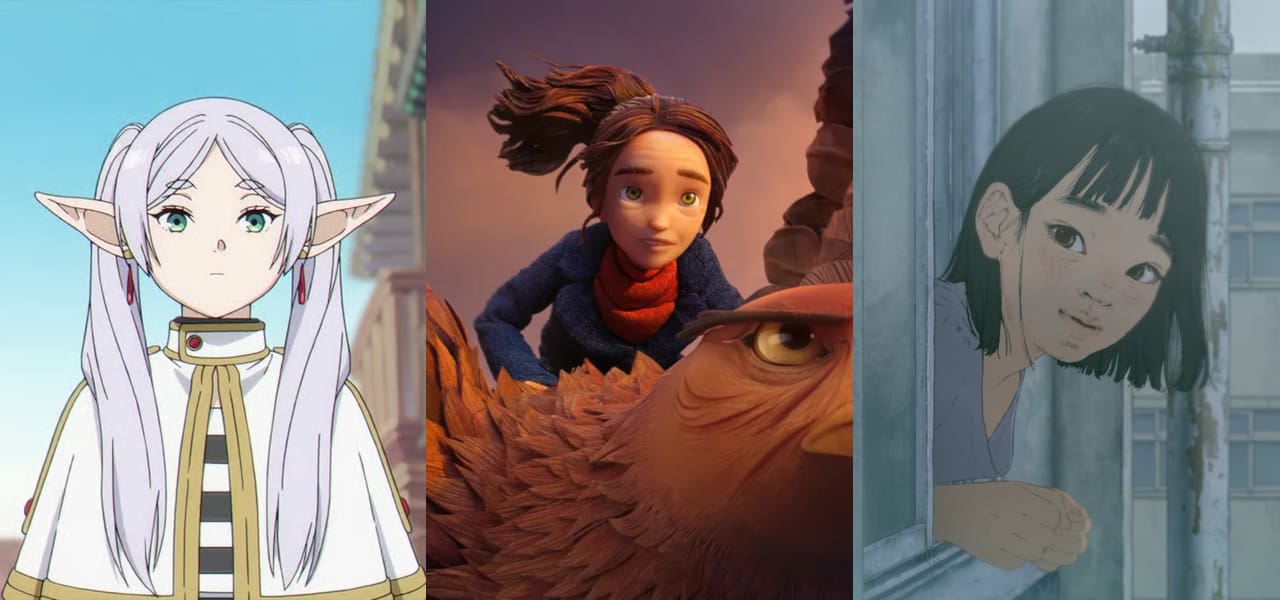
Beyond the macroeconomic discussions, the festival provided a platform for individual projects that define the creative range of the current landscape. Works such as Iron Boy, Son of a Bitch, Walking With Animators, and We Are Aliens were highlighted as examples of the diverse storytelling currently coming out of the Japanese ecosystem.

These films represent the "other side" of the anime industry—projects that may not command the multi-billion dollar budgets of mainstream franchises but are vital for the health of the medium. Interviews with the filmmakers behind these titles revealed a common thread: a commitment to personal expression and a willingness to challenge the formal conventions of animation. These projects serve as the "R&D" of the industry, pushing the boundaries of what animation can look like and what stories it can tell.
Conclusion
As the Tokyo International Film Festival 2026 concludes, the prevailing narrative is one of managed, ambitious expansion. The industry is no longer just a Japanese cultural export; it is a global entertainment pillar that commands the attention of investors, theater chains, and audiences worldwide. With the establishment of the Nippon Anime Awards and a refined strategy for theatrical engagement, the sector is well-positioned to leverage its $28.2 billion valuation into a period of creative and commercial stability. The focus now shifts to the implementation of these initiatives and the industry’s ability to maintain its unique cultural identity while navigating the pressures of a truly global market. For the animation world, the path forward is clear: integrate, innovate, and maintain the artisan quality that has made anime a global phenomenon.