The Legacy of the Sony MDR Series
To understand the cultural weight of the MDR-3R, one must look back at the late 1970s and early 1980s, a period defined by the democratization of portable music. When Sony introduced the Walkman TPS-L2 in 1979, it fundamentally changed how society interacted with audio. However, the hardware was only as good as the peripherals that delivered the sound to the listener.
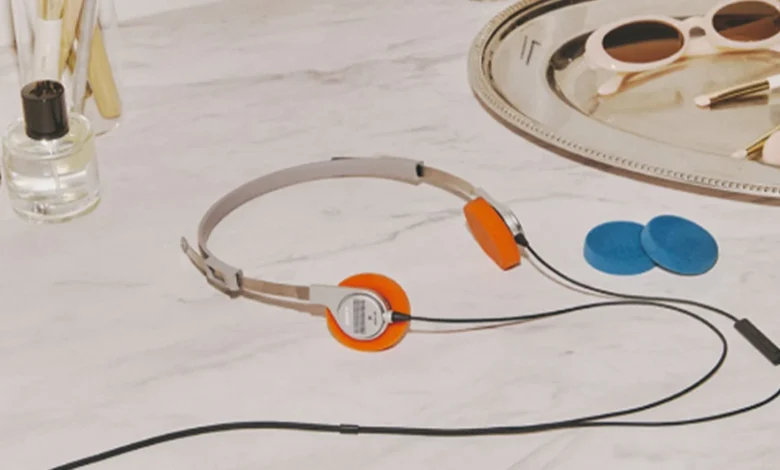
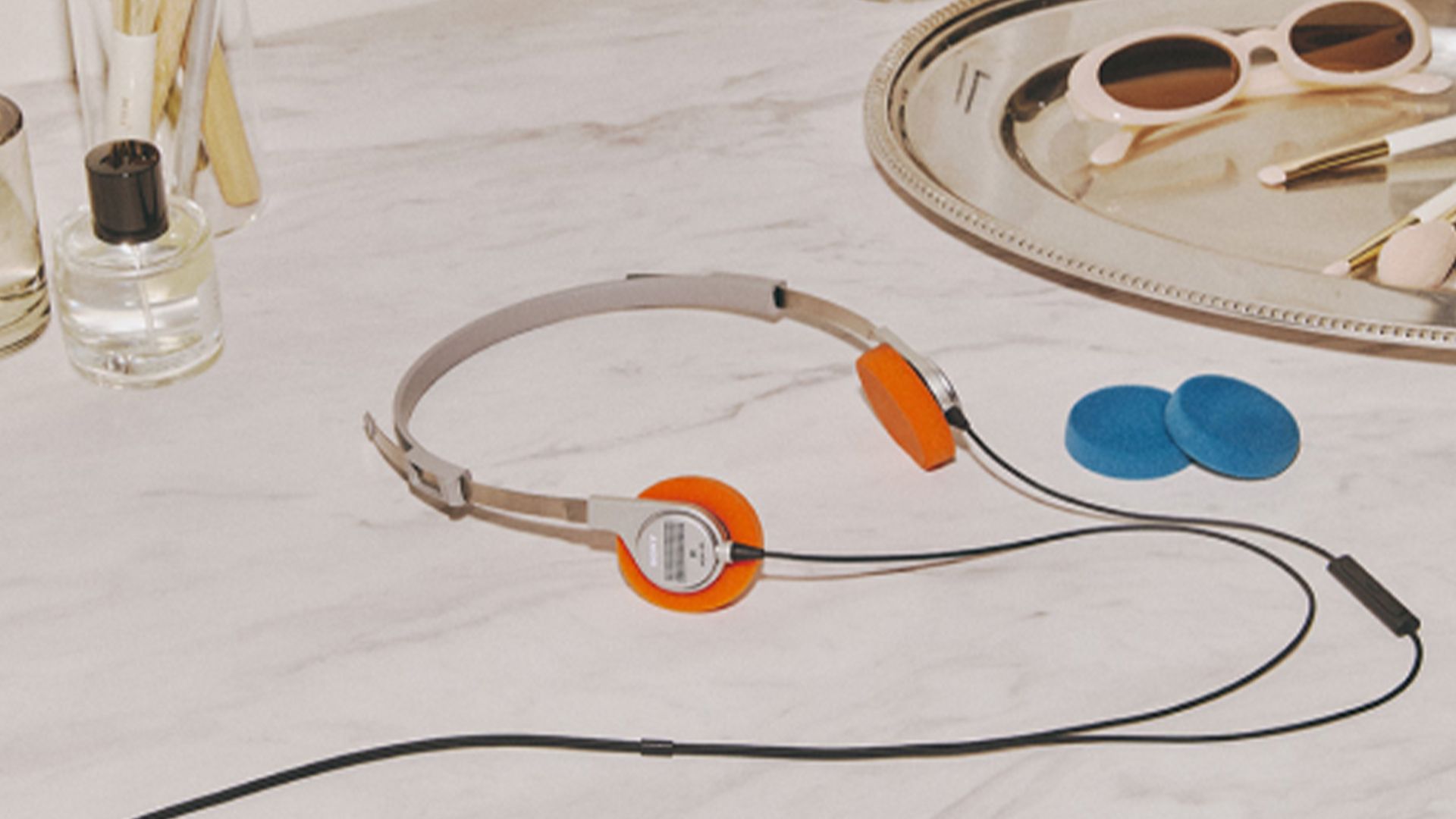
The original MDR-3 headphones were released in 1980 as a successor to the MDR-3L2. They were revolutionary for their time, offering a level of clarity and frequency response that had previously been reserved for bulky, studio-grade equipment. The MDR design philosophy centered on lightweight comfort and an open-air architecture that allowed for a natural soundstage, a stark contrast to the closed-back, bulky cans of the era. By the mid-80s, these headphones had become synonymous with the "on-the-go" lifestyle, appearing in countless films, advertisements, and street-style photographs that solidified their status as a design icon.
Chronology of the Return
The path to the re-release of the MDR-3R was not an overnight decision but rather a culmination of a decade-long trend toward "retro-tech."
- 2014–2018: The decline of the 3.5mm headphone jack on flagship smartphones began to trigger a niche movement among audiophiles, who argued that wired connections provided superior bitrates and latency-free audio compared to early Bluetooth implementations.
- 2020–2022: During the global pandemic, there was a measurable surge in interest for vintage consumer electronics. Online marketplaces saw a 40% increase in searches for "vintage audio" and "wired headphones," as consumers sought out gear that felt more tangible and reliable for long-term use.
- 2023: Sony began testing the waters by subtly referencing their design heritage in marketing materials for newer wireless products.
- Early 2024: Industry leaks suggested that Sony was working on a modernized version of their "classic" aesthetic, aimed at a younger demographic that values both the minimalist look of the 80s and the convenience of modern connectivity.
- Mid-2024: The official unveiling of the MDR-3R confirmed the rumors. By incorporating a USB-C connection, Sony effectively bridged the gap between legacy aesthetics and modern hardware requirements.
Supporting Data and Market Trends
The "wired renaissance" is not merely anecdotal; it is reflected in broader industry data. According to recent market reports from analysts focusing on consumer hardware, the wired headphone sector has seen a modest but consistent year-over-year growth of approximately 4.5% since 2022.
The primary driver behind this trend is twofold: the rise of "lossless" audio streaming services, which require a wired connection to be fully appreciated, and a growing fatigue with battery management. As consumers juggle more wireless devices—smartwatches, tablets, phones, and earbuds—the "battery anxiety" associated with another device needing a charge has made the "plug-and-play" nature of wired headphones increasingly attractive.
Furthermore, the price point of the MDR-3R, positioned at approximately £49, reflects a strategic move by Sony. By keeping the price accessible, they are targeting both the "nostalgia buyers"—those who remember the original 80s models—and the "Gen Z trendsetters" who view the wired aesthetic as a fashion statement rather than a technological necessity.
Official Perspectives and Industry Reaction
While Sony has not released specific sales figures for the MDR-3R, the fact that the initial inventory sold out within days suggests that their marketing strategy hit a nerve. Industry observers note that Sony’s decision to maintain the "classic" look while updating the internal drivers and connectivity is a masterclass in brand heritage management.
"What Sony has done here is successfully leverage their intellectual property to solve a current pain point," says Marcus Thorne, a lead analyst for audio hardware at TechInsight. "They didn’t try to reinvent the wheel. They recognized that the original MDR form factor was ergonomically perfect for its time and simply gave it a contemporary connection. It’s a low-risk, high-reward strategy that builds brand loyalty across generations."
Critics in the audio community have also weighed in, noting that while the MDR-3R may not compete with high-end, multi-thousand-dollar audiophile monitors, they offer a "warm, non-fatiguing sound signature" that is often lacking in modern, bass-heavy wireless earbuds. The consensus is that the MDR-3R is not intended to be an audiophile-grade studio tool, but rather a high-quality "daily driver" that excels in everyday scenarios.
Broader Impact and Implications
The return of the MDR-3R signals a larger shift in the consumer electronics landscape. For years, the industry was focused solely on the "wireless revolution," pushing consumers toward Bluetooth at the expense of sound quality and battery longevity. The success of this re-release suggests that there is a significant, underserved segment of the market that values design longevity over "smart" features.
This trend has implications for other manufacturers as well. We are seeing a pattern where companies are looking into their archives to find designs that are inherently "timeless." When hardware is designed to be simple, durable, and aesthetically clean, it doesn’t suffer from the same "planned obsolescence" that plagues software-heavy devices.
Moreover, the popularity of these headphones has sparked a secondary market boom. As original MDR-3s become harder to find in working condition, the demand for "dupes" or compatible third-party replacements has increased. This creates an ecosystem where the core product—the headphones—becomes the anchor for a wider range of accessories, including high-end aftermarket cables and ear pads, further deepening the hobbyist community.
Looking Ahead
The sell-out status of the MDR-3R is a clear indicator that the market is ready for more retro-inspired hardware. As manufacturers monitor the success of this launch, it is likely that we will see a wave of similar products hitting the shelves. The question remains whether this is a fleeting trend driven by a specific aesthetic—the "Y2K" or "80s revival" style—or a permanent change in how consumers choose their audio equipment.
For now, Sony has secured a win by honoring its past while acknowledging the realities of modern connectivity. The MDR-3R serves as a reminder that good design, once established, rarely goes out of style. As consumers become more discerning about their tech, the value proposition of high-quality, reliable, and stylish wired audio will likely continue to grow. Whether one is a seasoned audiophile or a casual listener, the return of such an iconic piece of hardware is a welcome development in an industry that often prioritizes feature-bloat over functional elegance.
As stock levels stabilize, the true test for the MDR-3R will be its long-term reliability and how it fares against the inevitable influx of competitors looking to capitalize on the same nostalgia-driven market. For the time being, however, the message is clear: wired is not just back; it is better than ever.
Related posts: