Concerns Emerge Over Potential Generative AI Usage in Sylvain Chomet’s New Dior Advertising Campaign

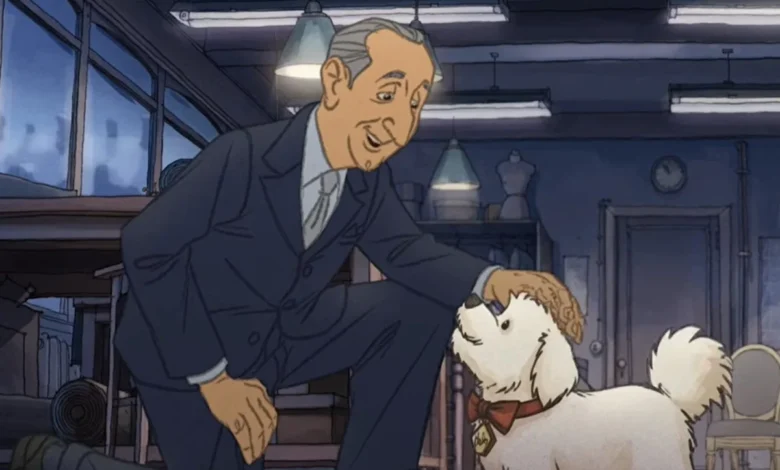
The intersection of traditional animation and generative artificial intelligence has become a focal point of intense industry scrutiny following the release of a high-profile advertising campaign for the luxury fashion house Dior. The project, helmed by the acclaimed four-time Academy Award-nominated filmmaker Sylvain Chomet—known for his distinct, artisanal approach to hand-drawn animation in films such as The Triplets of Belleville and The Illusionist—was initially presented to the public as a product of traditional craftsmanship. However, close observation by digital media analysts and animation enthusiasts has raised significant questions regarding the integrity of these claims, as visual evidence suggests the integration of generative AI tools in the creation of the short film’s final assets.
Chronology of the Campaign Launch and Subsequent Scrutiny
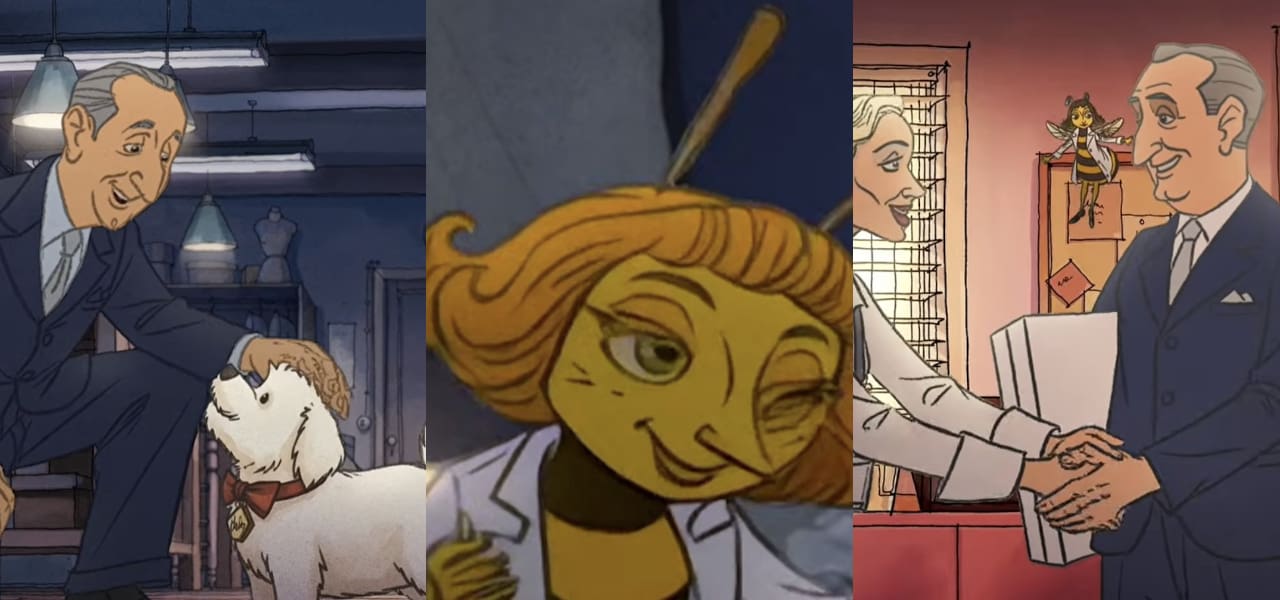
The controversy began shortly after the promotional materials for the collaboration were disseminated earlier this week. The marketing push was accompanied by a narrative emphasizing "hand-crafted" artistry, a branding strategy consistent with both Dior’s image and Chomet’s reputation as a master of traditional animation. By mid-week, however, social media platforms, including X (formerly Twitter) and various dedicated animation forums, began to host side-by-side comparisons of frames from the film.
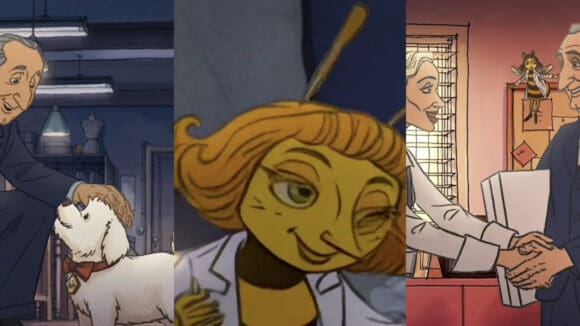
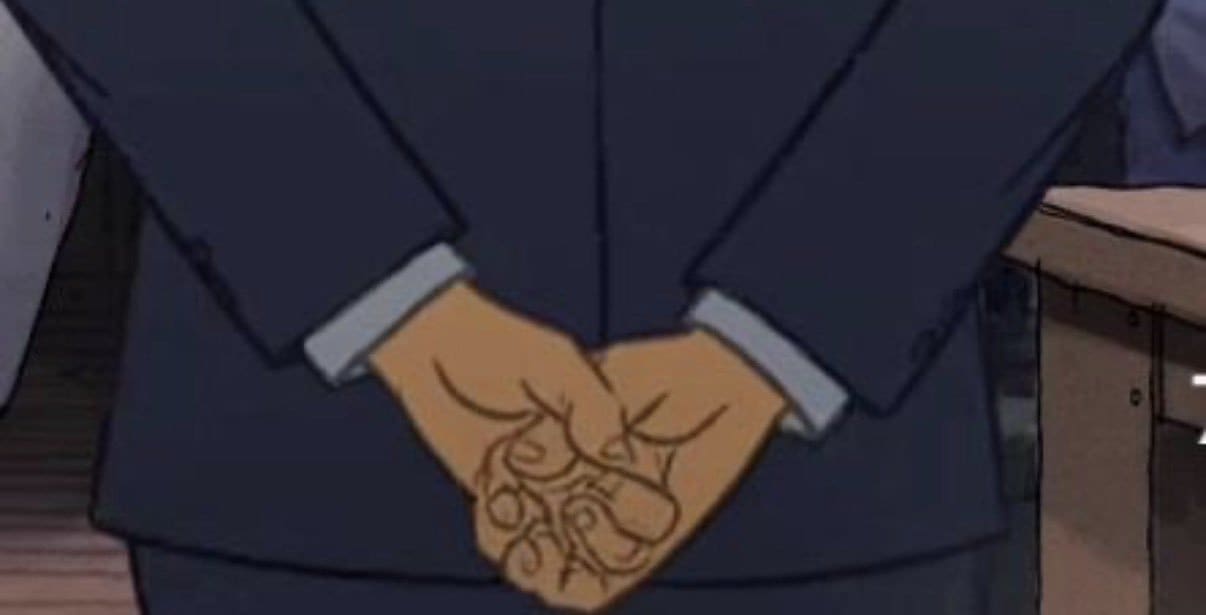
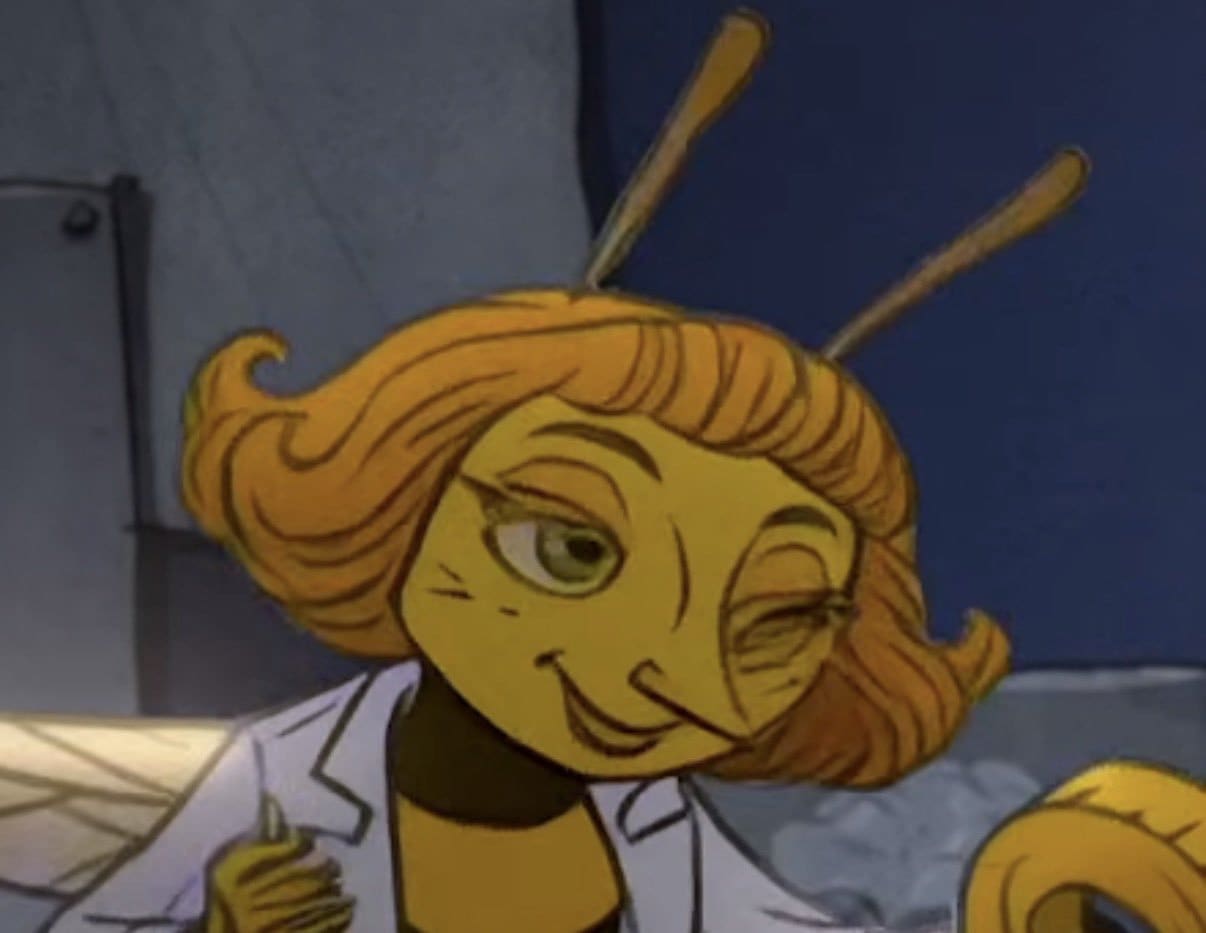
Critics and digital forensics observers pointed to specific visual artifacts—common signatures of current generative AI models—that were allegedly present in the final output. These indicators include inconsistent anatomical rendering, texture shifting between frames, and "hallucinated" details that do not align with the deliberate, controlled aesthetic usually associated with Chomet’s studio workflow. While initial reporting on the project accepted the promotional materials at face value, the mounting visual evidence has prompted a re-evaluation of the production process, leading to widespread calls for transparency from the fashion house and the production team involved.

Technical Analysis and Visual Discrepancies
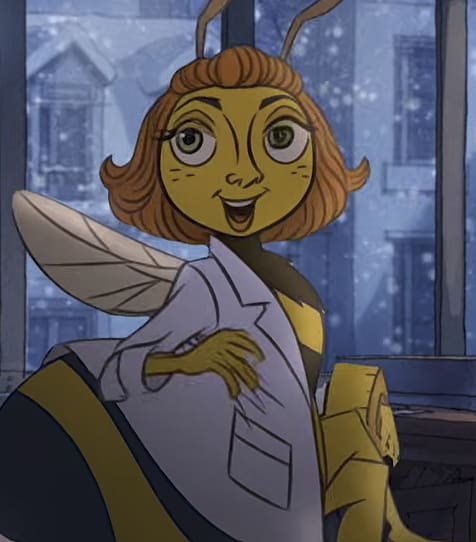
The visual evidence cited by observers focuses on frame-by-frame anomalies that are characteristic of neural network-based video generation. In several segments of the Dior short, background elements appear to morph or "shimmer" in ways that are inconsistent with traditional cel animation or digital 2d layering. Furthermore, complex textures, such as fabric patterns on the garments, show a lack of temporal consistency; the patterns appear to drift or evolve in a manner suggesting that the frames were generated or interpolated via AI rather than drawn or composited by human animators.
In the world of professional animation, these artifacts are often identified as "latent space drift." When an artist uses traditional methods, the line work and color blocking remain anchored to the intent of the animator. In contrast, generative AI often struggles to maintain object permanence across multiple frames, leading to the "melting" or "sliding" effects observed in the provided screenshots. While these visual cues do not constitute an absolute technical confession of AI usage, they represent a significant departure from the level of precision expected from an auteur of Chomet’s stature, fueling the current discourse on the authenticity of the project.
The Context of AI in Commercial Animation
The tension surrounding this campaign is symptomatic of a larger shift in the advertising industry. Over the past twenty-four months, major brands have increasingly turned to generative AI to lower production costs and shorten turnaround times. This trend has placed creative directors and veteran animators in a precarious position. The use of AI in advertising is often masked under terms like "digital enhancement" or "advanced post-production," phrases that rarely disclose the extent to which human labor has been replaced by machine-generated imagery.
Data from recent industry surveys suggests that nearly 40% of advertising agencies are now experimenting with generative video tools. However, the ethical divide remains sharp. While corporations prioritize efficiency, the animation community maintains that there is a fundamental difference between utilizing digital tools to assist a human artist and utilizing generative models that scrape existing datasets to produce final imagery. The lack of transparency in the Dior campaign is being viewed by industry watchdogs as a missed opportunity to set a standard for ethical disclosure in the luxury sector.
Silence from the Stakeholders
As of this reporting, neither Sylvain Chomet nor the representatives for Dior have issued a formal statement addressing the allegations. The absence of a response has only served to intensify the speculation. PR strategies in the luxury goods sector often emphasize the "human touch" as a core value proposition, which may complicate any potential admission of AI involvement. If the project was indeed produced using AI, the company must weigh the potential backlash from traditionalists against the internal benefits of having adopted these new technologies.
The silence is particularly notable given the explicit nature of the original marketing claims. By highlighting the "hand-drawn" nature of the work, the campaign positioned itself as a defense of classical animation in an increasingly automated world. Should it be proven that the work was augmented or generated by AI, it would represent a significant case of "artwashing"—the practice of using the prestige associated with traditional art forms to mask the use of automated or controversial production methods.
Industry Implications and Future Disclosure Standards
The incident serves as a bellwether for the future of commercial creative work. The potential fallout from this controversy may force agencies and brands to adopt stricter disclosure policies. Much like the food industry requires labeling for synthetic ingredients, there is a growing movement within the creative sector to mandate "AI-disclosure" tags for commercial media.
If a filmmaker as respected as Chomet is found to have utilized, or allowed the utilization of, generative AI without proper attribution, it could lower the threshold for accountability across the entire industry. Conversely, if the project is revealed to be entirely human-made, the incident highlights the fragility of public trust in the era of deepfakes and generative media. As the lines between human effort and algorithmic output continue to blur, the burden of proof will increasingly fall on production houses to provide verifiable "making-of" documentation.
Ultimately, the Dior controversy is not merely about a single advertisement; it is a clash between the legacy of fine craftsmanship and the rapid, often opaque, integration of new technology. For the animation industry, the priority remains the protection of the artistic process. Whether through the implementation of blockchain-based verification of creative files or simple contractual requirements for transparency, the demand for clarity will only grow as AI tools become more sophisticated and harder to distinguish from human work.
As this story develops, it is clear that the artistic community will continue to monitor the work of established directors with renewed skepticism. The incident underscores the necessity of institutional transparency, as audiences become increasingly sophisticated in their ability to detect the subtle, unnatural signatures of generative AI. The failure to disclose the use of such tools—if indeed they were used—risks not only the reputation of the individual artists but also the credibility of the institutions that commission them. The call for an honest accounting of the production process remains the central demand from critics, observers, and the broader animation community alike.