VirtuCamera 2 Revolutionizes Virtual Production with Advanced Pro Feature Set and Expanded Software Compatibility

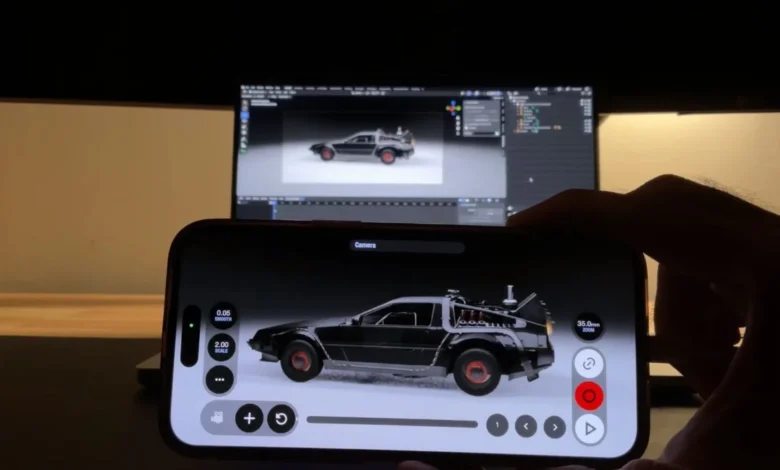
The digital filmmaking landscape has undergone a seismic shift over the last decade, transitioning from traditional post-production workflows to real-time, iterative creative processes. At the heart of this evolution is the ability to bridge the gap between physical cinematography and computer-generated imagery (CGI). The recent launch of VirtuCamera 2, developed by the Madrid-based software house The Weird Byte, marks a significant milestone in this trajectory. By transforming standard mobile devices into professional-grade physical camera controllers for 3D environments, the software offers a sophisticated solution for previs, layout artists, and virtual production teams. With the introduction of a new Pro tier alongside the v2 release, the platform is positioning itself as an essential tool for high-end studio pipelines.
The Evolution of Virtual Cinematography
Virtual cinematography is the process of using digital tools to simulate the behavior of physical cameras within a 3D environment. Historically, this required expensive, proprietary hardware—often involving motion-capture rigs or bulky, specialized controllers. VirtuCamera disrupted this model by leveraging the internal sensors of smartphones and tablets (accelerometers, gyroscopes, and AR tracking capabilities) to translate physical movement into digital camera animation.
The transition from the original VirtuCamera to version 2 represents a maturation of this technology. While the first iteration focused on establishing the core connection between mobile hardware and 3D viewports, version 2 introduces a more robust infrastructure capable of handling the high-fidelity demands of modern animation studios. The software effectively allows a director or cinematographer to "shoot" a scene in a virtual space just as they would on a physical soundstage, allowing for naturalistic camera movement that is often difficult to replicate using traditional mouse-and-keyboard manipulation.
Technical Capabilities and Feature Sets
VirtuCamera 2 maintains the core functionality that made the original software popular, including real-time camera motion capture, playback control, and the ability to switch between active cameras instantaneously. These features are critical for rapid iteration, allowing teams to block out scenes and develop cinematic shots without the lag time associated with traditional keyframing.
The standard feature set remains a cornerstone for independent artists and small teams, offering:
- Focal Length Recording: Allowing for the precise replication of lens characteristics in the virtual world.
- Movement Scaling: Giving users the ability to translate small, controlled movements into large-scale camera pans or sweeps within the 3D viewport.
- Translation Locks: Providing stability when capturing specific camera moves.
- Real-time Steady-cam Smoothing: Reducing the jitter often associated with handheld mobile device usage.
- High Frame Rate Operation: Supporting up to 60 FPS, ensuring that the visual feedback in the viewport is fluid and responsive, which is essential for maintaining a sense of presence while working in virtual production environments.
The newly introduced Pro version expands this, offering advanced tools specifically tailored for filmmakers and teams managing complex production workflows. While the standard version provides the "how," the Pro version focuses on the "precision," providing professional-grade synchronization and data management capabilities that are necessary when integrating into larger, multi-departmental CG pipelines.
Broad Pipeline Compatibility
A significant challenge in virtual production is software fragmentation. Major studios often utilize a heterogeneous mix of tools, including Blender, 3ds Max, Maya, and Houdini. The Weird Byte has prioritized broad integration, ensuring that VirtuCamera 2 is compatible with the latest industry standards.
The current support matrix includes:
- Blender: Versions 5.2 LTS, 5.1, 5.0, and 4.5 LTS.
- 3ds Max: 2027 and 2026.
- Autodesk Maya: 2027 and 2026 (with Pro Business versions for 2023/2024 forthcoming).
- Houdini: 22, 21, and 20.5 (leveraging QT6).
- Cinema 4D: 2026.
- Nuke: 17 and 16.
This wide-ranging compatibility is a calculated move to ensure that VirtuCamera can be adopted by studios regardless of their primary DCC (Digital Content Creation) software. By supporting long-term support (LTS) versions of software like Blender, the developers acknowledge the stability requirements of large-scale production pipelines, where upgrading software versions mid-project is often prohibitively risky.
The Business Model: Scaling for Accessibility
The pricing strategy for VirtuCamera 2 is designed to lower the barrier to entry for independent creators while providing a scalable solution for corporate entities. The standard version remains available for a one-time perpetual license fee of €17.99. This low-cost entry point allows individual artists to incorporate professional-grade camera tracking into their personal workflows for less than the price of a typical streaming service subscription.
Conversely, the Pro version utilizes a rental-based model starting at €9.99 per month. This subscription approach is standard for professional creative software, allowing studios to scale their license counts based on the size of their production crew. By shifting to a subscription model for the Pro tier, The Weird Byte can ensure consistent development funding, which is essential for maintaining compatibility with the rapidly evolving versions of major 3D packages.
Industry Implications and Future Outlook
The impact of tools like VirtuCamera 2 on the animation and VFX industries cannot be overstated. By democratizing access to motion-tracking hardware, the software enables a more organic approach to digital storytelling. Traditionally, "blocking" a scene—the process of determining where actors and cameras are placed—was a tedious, technical task. With mobile-based virtual camera tools, this becomes an intuitive, physical process.
Industry analysts suggest that the future of virtual production lies in the convergence of consumer hardware and professional software. As mobile devices continue to integrate more sophisticated LiDAR sensors and improved AR tracking, the fidelity of the data captured by VirtuCamera is likely to increase. This creates a virtuous cycle: as hardware improves, software developers like The Weird Byte can push the boundaries of what is possible within a viewport, eventually moving closer to the "what you see is what you get" (WYSIWYG) ideal of real-time filmmaking.
However, the adoption of such tools is not without challenges. The reliance on mobile hardware means that production teams must account for connectivity stability and battery management during long filming sessions. Furthermore, integrating these tools into existing studio pipelines requires a degree of technical setup, particularly regarding network communication between the mobile device and the workstation running the 3D application. The Weird Byte’s commitment to frequent updates and wide software support suggests they are actively working to mitigate these friction points.
Conclusion
VirtuCamera 2 represents a significant step forward in the democratization of virtual production technology. By combining a user-friendly, mobile-first interface with robust compatibility across the industry’s most powerful 3D software, the tool is well-positioned to become a staple in studios ranging from small independent boutiques to large-scale animation houses. As the industry continues to prioritize real-time workflows and faster iteration cycles, the role of accessible, high-performance tools like VirtuCamera will likely only grow in importance, bridging the final gap between the physical intuition of a filmmaker and the boundless potential of the digital canvas. For those looking to integrate these capabilities, the transition to version 2 offers a compelling combination of refined performance, expanded professional features, and a scalable pricing model that reflects the diverse needs of today’s creative market.
Related posts: