The Magic of Mystery: Why What You Don’t Show in Photography is Often More Powerful Than What You Reveal

In an era defined by instantaneous digital sharing, algorithm-driven feeds, and high-definition saturation, contemporary photography frequently falls into the trap of absolute transparency. Modern digital sensors, advanced autofocus systems, and computational photography are engineered to capture every minute detail, rendering subjects with clinical precision. Yet, as noted in acclaimed wildlife and travel photographer Richard Bernabe’s recent essay, "The Magic of Mystery"—published in the latest edition of Photography Destinations Magazine by Muench Workshops—the most enduring and evocative images often rely on the exact opposite principle: withholding information.
By deliberately concealing elements of a scene, photographers tap into fundamental human psychology, transforming literal documentation into evocative, narrative-driven art. This approach challenges the prevailing industry trend toward over-explanation and positions ambiguity as a vital, sophisticated compositional tool.
The Cognitive Psychology of the Unseen
Human perception is fundamentally wired to seek closure. When presented with an incomplete visual pattern—such as an animal’s face partially obscured by dense foliage, a winding pathway disappearing into a dense fog, or a silhouette swallowed by a heavy shadow—the human brain instinctively attempts to fill in the blanks. This psychological phenomenon, rooted in Gestalt principles of perception, generates cognitive tension.
When a photograph provides immediate, total visual gratification, it satisfies initial curiosity but rarely sustains viewer engagement. Conversely, images that withhold critical information demand active participation. Viewers linger, construct mental narratives, and project their own emotions, fears, and expectations onto the frame. According to visual arts analysts, this participatory dynamic is precisely what elevates a technically proficient snapshot into a memorable piece of fine art.
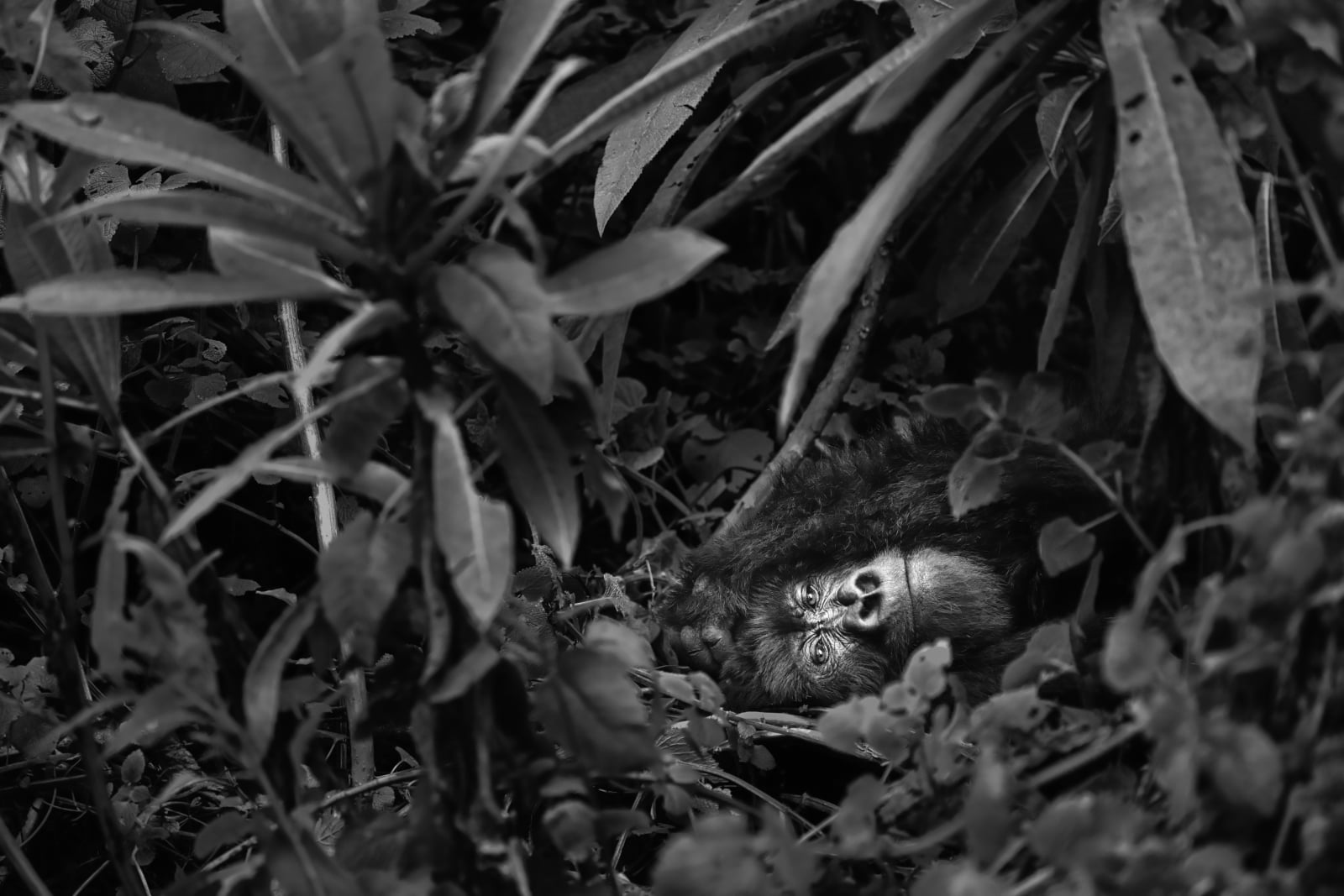
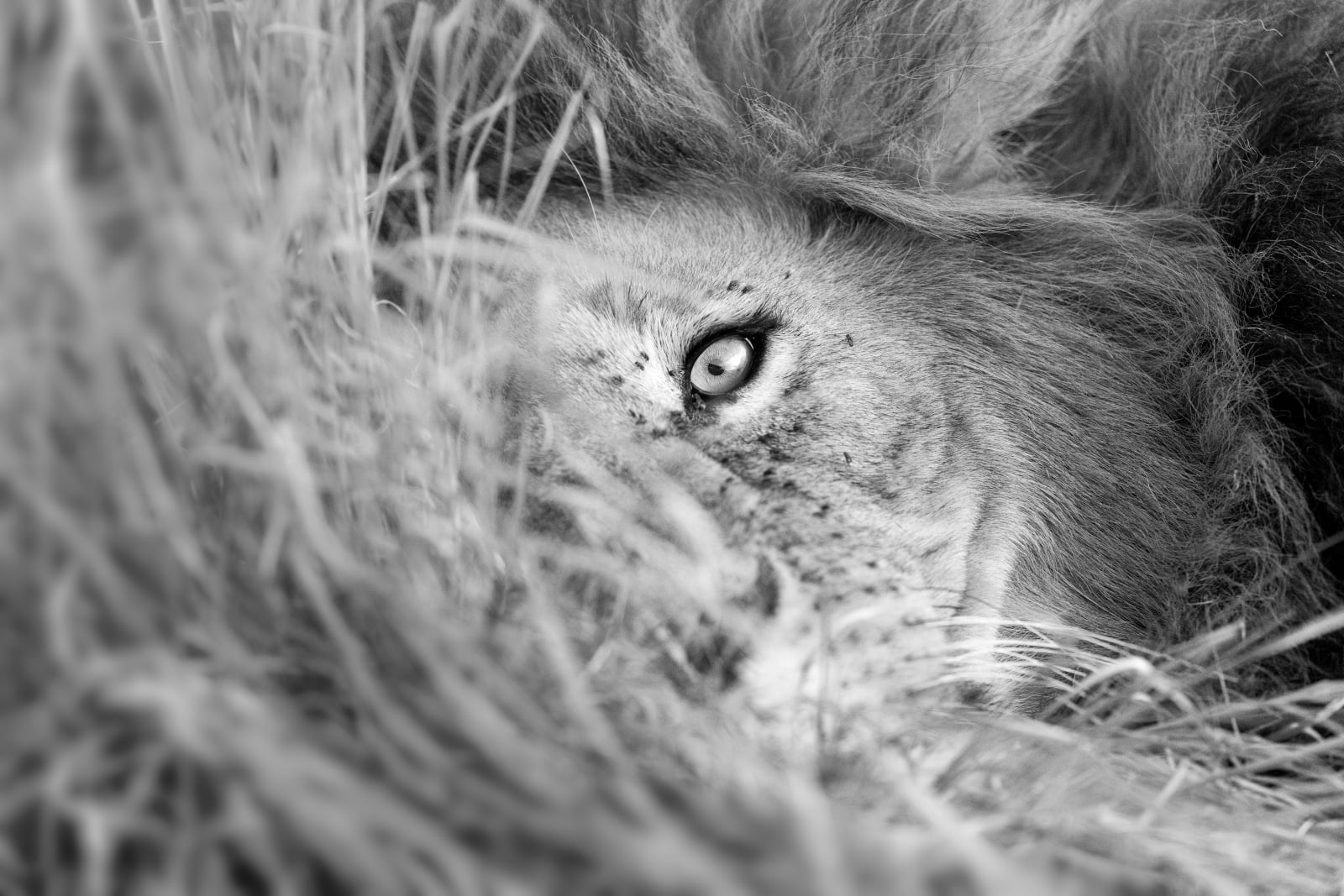
Bernabe’s portfolio, captured across global expeditions from the Maasai Mara to the Arctic, heavily utilizes this psychological trigger. Whether depicting a mountain gorilla nestled deep within the verdant undergrowth of Rwanda’s Volcanoes National Park or the piercing eye of a male lion peering through towering blades of dry grass, the compositions leverage partial framing to generate dramatic tension. By showing less of the subject, the photographer amplifies its emotional weight, proving that the human imagination often constructs entities far more formidable than what any lens can fully resolve.
Historical Precedents Across Artistic Disciplines
The deliberate use of mystery is not exclusive to photography; it is a foundational pillar across centuries of artistic expression. Literature, cinema, and music have long recognized that suggestion carries greater resonance than explicit exposition.
In literature, Ernest Hemingway’s famed "iceberg theory" posited that the deeper meaning of a narrative should remain unwritten, resting just beneath the surface for the reader to deduce. In visual arts, Leonardo da Vinci’s Mona Lisa has maintained its cultural grip for over 500 years largely due to the ambiguity of her expression—a deliberate lack of emotional clarity that invites endless interpretation.
Cinematic history offers similar milestones. Steven Spielberg’s 1975 blockbuster Jaws famously relied on scarcity, keeping the titular shark hidden for the majority of the film due to mechanical malfunctions. This enforced restraint transformed a troubled production into a masterclass in suspense, proving that fear of the unknown eclipses visible terror. Similarly, in music, the strategic use of silence, unresolved chords, and poetic ambiguity allows listeners to internalize the emotional landscape of a composition rather than passively consume a definitive message. Photography, as Bernabe illustrates, inherits this rich tradition when practitioners treat the frame’s boundaries not as a perimeter to be filled, but as a boundary of suggestion.
Conceptual Tools and Technical Execution
Translating the concept of mystery into photographic practice requires specific technical and compositional strategies. Rather than relying on standard documentary approaches, photographers seeking to evoke ambiguity often employ a curated toolkit of lighting, exposure, and framing techniques.

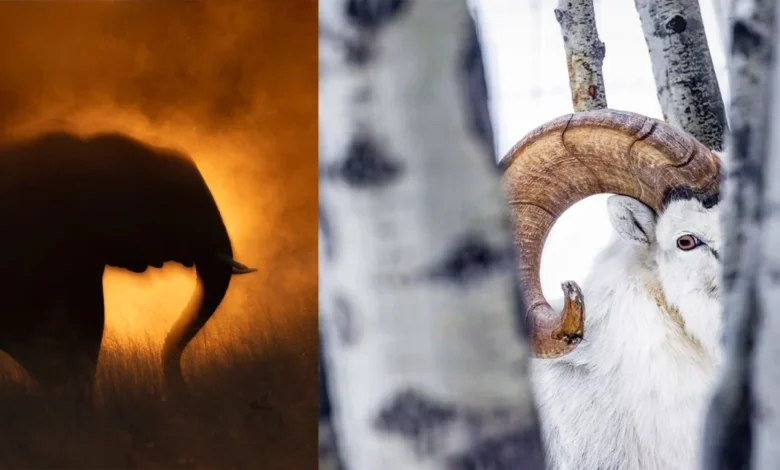
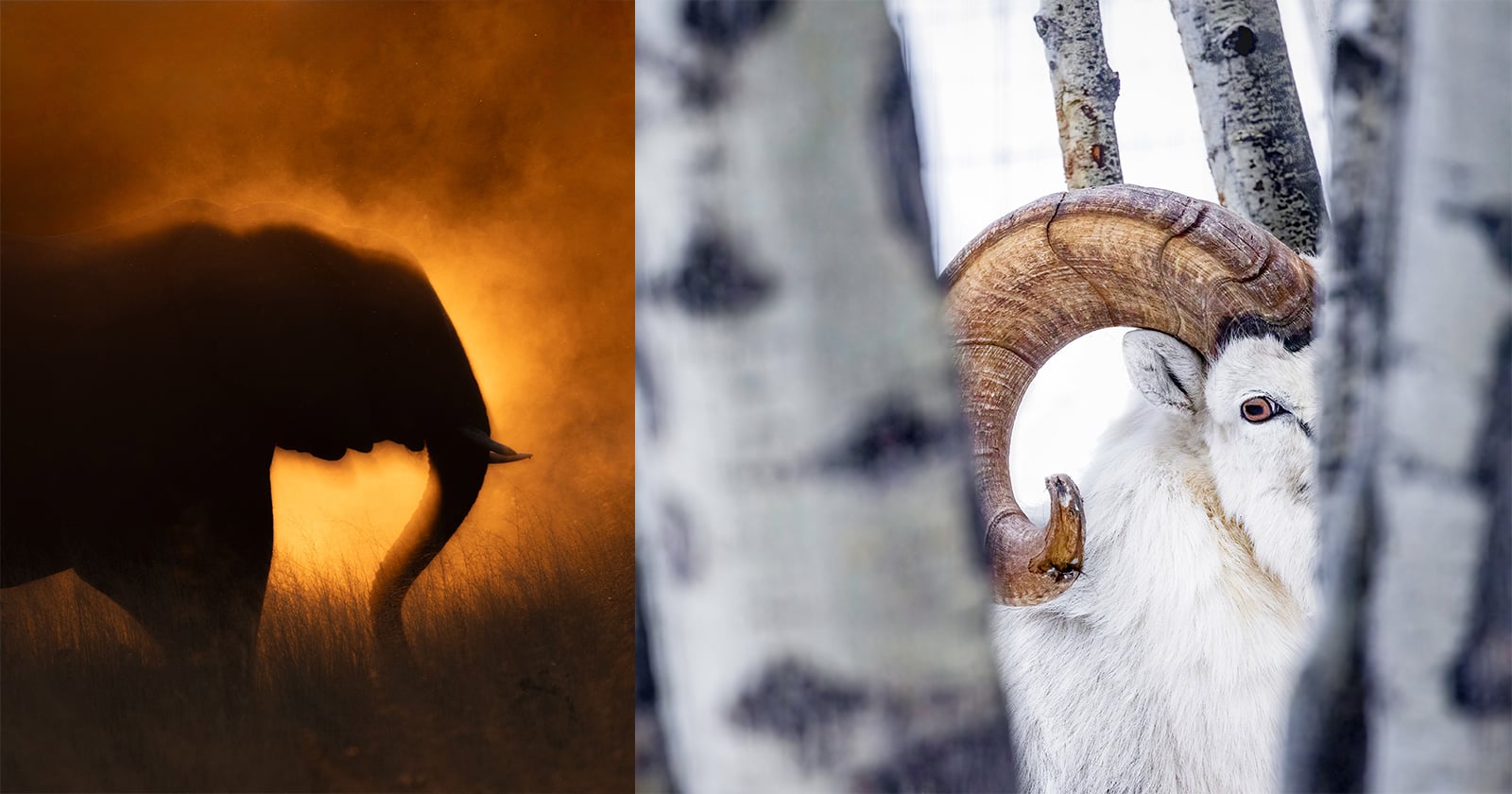
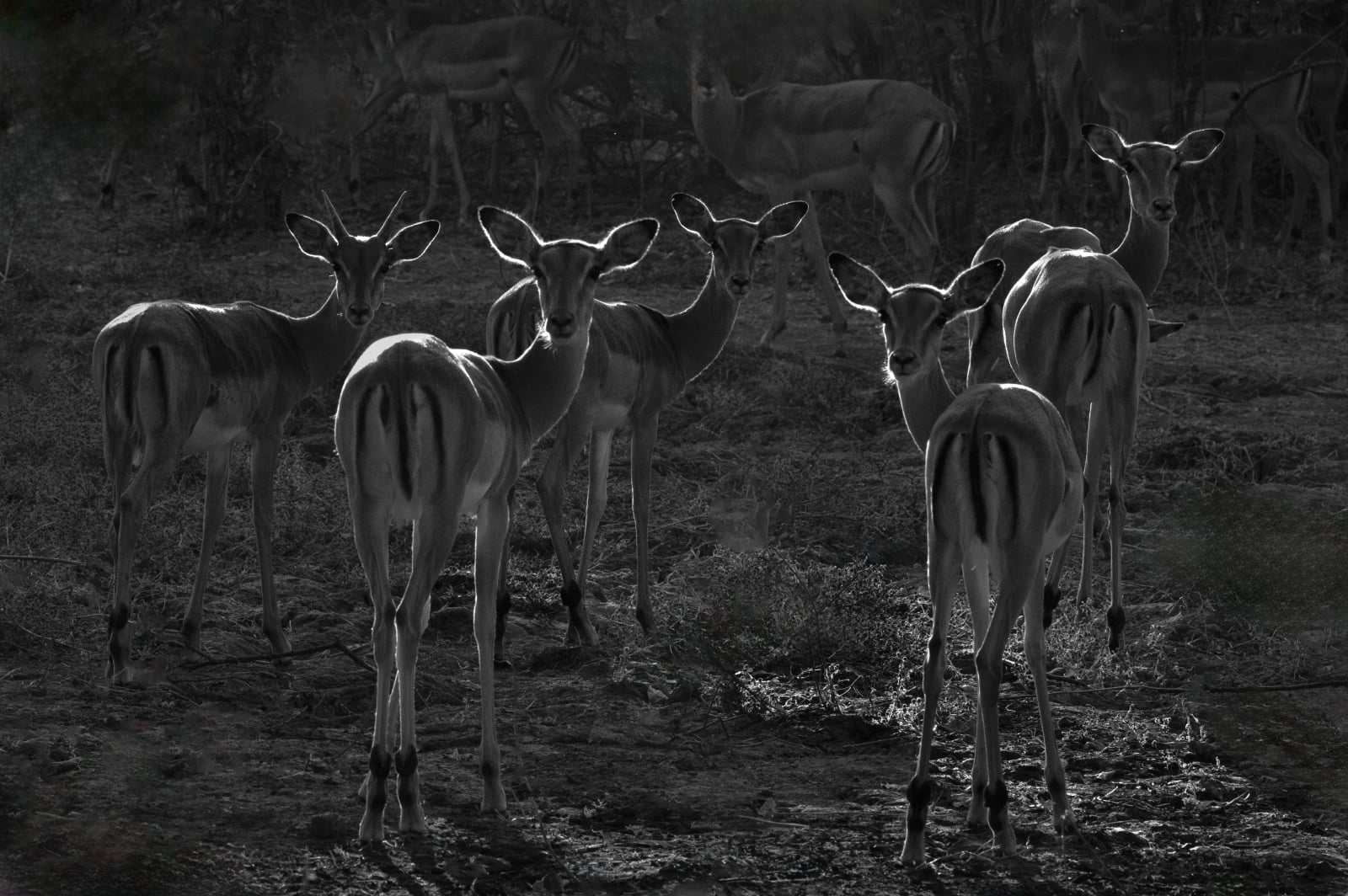
- Shadows and Backlighting: Utilizing deep shadows or backlighting effectively reduces a subject to form and silhouette. By plunging parts of a subject into darkness, the photographer preserves outline and structure while obscuring defining details, as demonstrated in Bernabe’s captures of caimans in the Pantanal Wetlands or silhouetted elephants in the Okavango Delta.
- Shallow Depth of Field and Atmospheric Conditions: Elements such as heavy fog, driving rain, dust storms, or dense vegetation act as natural veils. Coupled with a shallow depth of field, these conditions soften backgrounds into impressionistic washes of color and light, suggesting context without providing literal definitions—a technique visible in his portrayals of polar bears navigating Svalbard’s misty expanses.
- Long Exposures: Slow shutter speeds transform dynamic subjects into ghostly apparitions. By blurring the motion of wildlife, such as flamingos in Namibia or crashing surf at California’s Bowling Ball Beach, the photographer bridges the gap between the objective physical world and internal imagination.
- Synecdoche and Extended Narrative: Sometimes, the primary subject is entirely absent. Footprints left in the sand of an Alaskan riverbank or the collective gaze of a herd of impalas staring intently beyond the frame edge imply action, movement, and an ongoing story that exists entirely outside the physical boundaries of the photograph.
Mystery Versus Confusion: A Critical Distinction
A frequent pitfall in avant-garde or experimental photography is the conflation of mystery with confusion. Industry experts emphasize that while confusion acts as a barrier that alienates and repels the viewer through visual chaos, true mystery acts as an invitation.
Mystery provides a structured path of breadcrumbs. It offers enough contextual information to spark genuine intrigue while withholding just enough to activate the imagination. It guides the viewer’s eye purposefully through the composition, allowing for multiple valid interpretations without descending into impenetrable abstraction. Achieving this balance requires precise intentionality—knowing exactly what to include, what to exclude, and where to draw the line between revelation and concealment.
Artistic Defiance in the Age of Artificial Intelligence
The discourse surrounding mystery in photography has taken on heightened urgency with the rapid proliferation of generative artificial intelligence (AI) in visual culture. AI imaging systems are fundamentally optimized to produce hyper-detailed, technically flawless representations that cater to immediate recognition and consumption. They are designed to explain everything within a frame instantly.
However, industry critics and traditional artists argue that AI-generated imagery consistently lacks genuine human intentionality, consciousness, and the capacity for true artistic restraint. The deliberate choice to leave a subject unresolved—to embrace the unknown and acknowledge the inherent limits of visual documentation—is a distinctly human trait.
By leaning into ambiguity, photographers assert a counter-narrative against the digital age’s obsession with hyper-visibility and data completeness. In doing so, they align their work with the fundamental reality of human experience: that nature, human emotion, and the world at large are inherently complex, elusive, and impossible to fully categorize.
Broader Industry Impact and Availability
The essay "The Magic of Mystery" forms the core editorial feature of the latest print edition of Photography Destinations Magazine, produced by Muench Workshops. As educational platforms within the photography community continue to pivot away from purely technical instruction toward conceptual depth, discussions surrounding visual philosophy are finding a renewed audience among both amateur enthusiasts and seasoned professionals.

For practitioners looking to refine their portfolios beyond standard travel and wildlife documentation, the integration of mystery offers a viable pathway toward timeless imagery. As Bernabe’s work demonstrates, the photographs that ultimately endure are those that refuse to surrender all their secrets at first glance, preserving a core of unknowability that invites the viewer back time and time again.
Copies of Photography Destinations Magazine featuring Richard Bernabe’s complete essay and associated field guides are currently available through Muench Workshops.