The Evolution of Halloween Costume Culture and the Shift Toward Viral Digital Expression

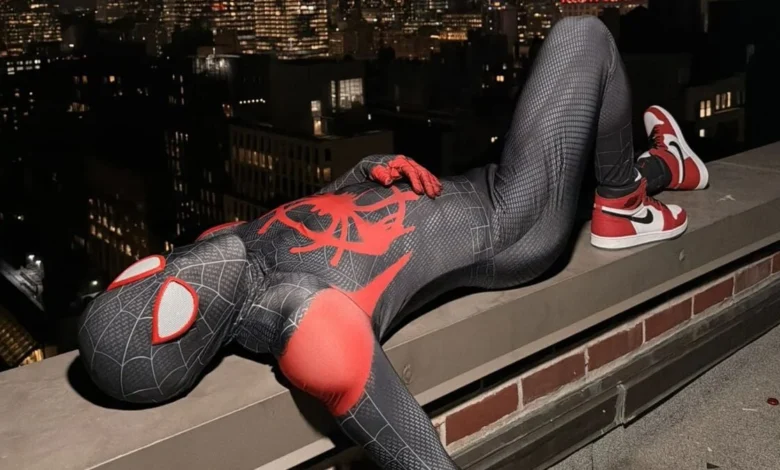
While the contemporary celebration of Halloween has transcended the traditional boundaries of door-to-door trick-or-treating, it has firmly established itself as a significant cultural phenomenon driven by digital participation and creative ingenuity. For adults, the holiday has shifted from a neighborhood-based activity to a multifaceted social event, characterized by costume parties, community gatherings, and an expansive online showcase of artistic expression. This transformation reflects broader trends in consumer behavior and social media engagement, where the digital curation of one’s identity—even for a single night—has become a hallmark of modern festive engagement.
The Economic and Cultural Context of Halloween
Halloween, historically rooted in the ancient Celtic festival of Samhain, has evolved into a massive economic driver in the United States and abroad. According to the National Retail Federation (NRF), annual spending on Halloween-related goods, including costumes, decorations, and candy, regularly exceeds $10 billion. The rise of social media platforms has amplified this spending, as individuals are increasingly incentivized to procure high-quality, photo-ready costumes that can be shared across global networks.
The shift toward adult-centric celebrations is evident in consumer data. Unlike decades past, where the focus was primarily on youth participation, current statistics indicate that a significant portion of costume sales are aimed at the 18-to-34 demographic. This group is heavily influenced by "pop culture moments," turning the holiday into a real-time reflection of the year’s most viral trends, internet memes, and cinematic releases.
A Chronology of Costume Trends
The methodology of costume selection has undergone a profound evolution over the last two decades. In the early 2000s, commercial costumes—often packaged in plastic bags and sold at big-box retailers—dominated the market. By the mid-2010s, the rise of the "DIY" (Do-It-Yourself) aesthetic, bolstered by tutorials on platforms like Pinterest and YouTube, allowed for greater customization.
The present era is characterized by the "Viral Moment" costume. As seen in recent social media cycles, users are now prioritizing costumes that reference niche internet subcultures, classic children’s programming nostalgia, and high-production-value character studies. This shift indicates a departure from generic archetypes—like witches or ghosts—toward highly specific character tributes that act as social signals within digital communities.
Analysis of Digital Participation and Social Media Impact
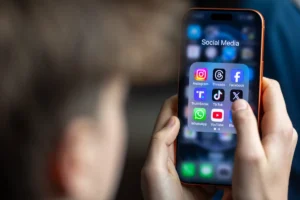
The role of platforms like X (formerly Twitter), Instagram, and TikTok cannot be overstated. These platforms serve as the modern equivalent of a global stage, where the "best" costumes are curated and amplified by viral algorithms. This creates a feedback loop: individuals dress up, document the look, and share it to gain social capital.
For many, the process begins months in advance. The logistics of assembling a professional-grade costume involves sourcing materials, prosthetic application, and lighting design, mirroring the effort found in professional cosplay circles. This heightened standard has forced retailers to pivot as well; the demand for "fast fashion" costumes has waned in favor of more durable, authentic-looking garments that can be re-worn or sold in secondary markets.
The Psychology of Costume Performance
Sociologists have long noted that Halloween offers a unique space for "identity play." By adopting a persona, individuals can navigate social environments with a heightened sense of freedom. In the digital age, this play extends to the virtual realm. A costume is no longer just a physical garment; it is a piece of digital content.
The reaction of online communities to these costumes—ranging from praise for intricate craftsmanship to humor regarding absurd concepts—serves as a barometer for current cultural zeitgeists. When an individual creates a tribute to a cult-classic television show or an iconic film character, they are effectively participating in a conversation that bridges the gap between traditional entertainment and digital interactivity.
Corporate and Retail Perspectives
Retailers have recognized this shift in consumer behavior and have adjusted their inventory accordingly. The decline of the "one-size-fits-all" costume has led to a surge in demand for specialized theatrical components, such as high-quality wigs, professional-grade makeup, and specific props that were once only available to industry professionals.
"We are seeing a move away from the traditional, mass-produced items," noted one industry analyst, who requested anonymity. "Consumers are looking for authenticity. They want their costume to be a conversation starter. If they are going to spend money, they want an item that reflects their personal taste and their awareness of the current cultural discourse."
This demand has created a robust secondary economy. Independent designers, selling through platforms like Etsy, now command a significant portion of the market, offering bespoke pieces that cannot be found in traditional retail outlets. This move toward artisanal production marks a significant milestone in the maturity of the Halloween industry.
Broader Implications for Social Connectivity
Beyond the surface-level fun of dress-up, the evolution of Halloween costume culture highlights a deep-seated human need for communal storytelling. Whether an individual is dressing as a character from a 90s animated series or a contemporary pop culture icon, they are engaging in a shared history.
This sense of connection is perhaps the most significant implication of the modern Halloween. In an increasingly polarized and digitized world, the ability to come together—physically or virtually—to celebrate a common interest provides a much-needed social adhesive. The "magical" nature of the holiday, as often cited by those who participate, is less about the act of collecting candy and more about the temporary suspension of reality in favor of communal joy.
Looking Toward the Future
As we look toward future iterations of the holiday, it is likely that the integration of augmented reality (AR) and other immersive technologies will play a larger role. Imagine a Halloween where costumes are enhanced by digital filters that interact with a user’s environment in real-time. The trajectory of the last few years suggests that as technology advances, so too will our capacity to express ourselves through creative costuming.
Furthermore, the environmental impact of costume production is becoming a focal point of discussion. With the rise of "slow fashion," there is growing pressure for costumes to be made from sustainable materials and designed for longevity. This shift will likely define the next decade of Halloween, moving the holiday from a cycle of mass consumption toward a more sustainable and intentional practice.
In conclusion, the practice of dressing up for Halloween remains a vital, evolving tradition. While the medium of display has shifted from neighborhood sidewalks to digital feeds, the core motivation remains unchanged: the human desire to step outside of one’s own skin, if only for a night, and inhabit a world of imagination. Whether through elaborate cosplay, humorous pop-culture references, or subtle thematic homages, the modern Halloween serves as an essential outlet for individual and collective creativity, proving that the magic of the holiday is not lost—it has simply upgraded.