November Desktop Wallpapers: A Global Showcase of Digital Artistry and Seasonal Inspiration

The arrival of November marks a significant milestone in the long-standing tradition of Smashing Magazine’s monthly desktop wallpaper initiative. For over fifteen years, this project has served as a global nexus for digital artists, designers, and illustrators to showcase their work while providing free, high-resolution aesthetic assets to a worldwide audience. As the northern hemisphere transitions into the darker, colder months, the November 2026 collection arrives as a deliberate counter-narrative to the seasonal gloom, offering a curated blend of thematic visual storytelling, abstract design, and functional calendar utility.
The Evolution of a Digital Tradition
Since its inception in the mid-2000s, the wallpaper project has evolved from a simple repository of images into a sophisticated, crowdsourced creative platform. The initiative functions on an open-call model, inviting contributions from established studios and emerging independent designers alike. This decentralized approach ensures a diverse range of artistic styles, reflecting cultural nuances from Serbia to Singapore and Lithuania to the United States.
Historically, these monthly releases have served as a barometer for design trends in the digital space. The transition from early flat-design aesthetics to the more complex, AI-assisted, and parametrically driven graphics of the current era illustrates the rapid technological shift in graphic design. By maintaining this archive, the organizers have preserved a decade-and-a-half-long visual record of how digital artists interpret the passage of time and the changing of the seasons.
The November 2026 Collection: Thematic Depth and Technical Diversity
The current collection, released at the dawn of the month, features a wide array of visual narratives. The themes range from the whimsical to the melancholic, often reflecting the specific cultural and environmental contexts of the artists involved.
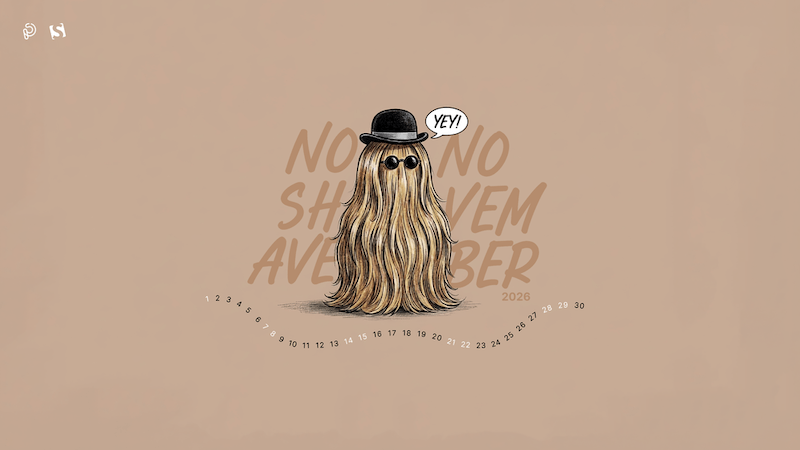
One notable entry, From Spooky to Scruffy, submitted by PopArt Studio in Serbia, utilizes a humorous, character-driven narrative to bridge the gap between post-Halloween culture and the popular "Movember" movement—a global campaign that encourages facial hair growth to raise awareness for men’s health issues. By framing the biological process of hair growth as a form of "extended character cosplay," the design successfully gamifies a social awareness campaign, demonstrating how graphic design can serve as a conduit for public health discourse.
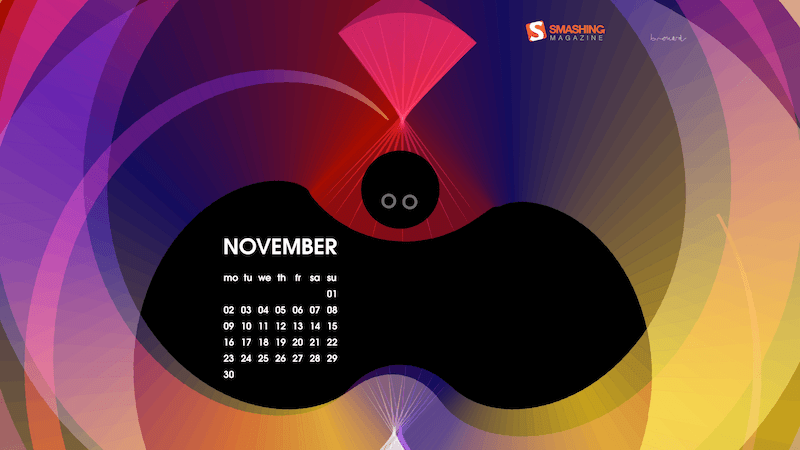
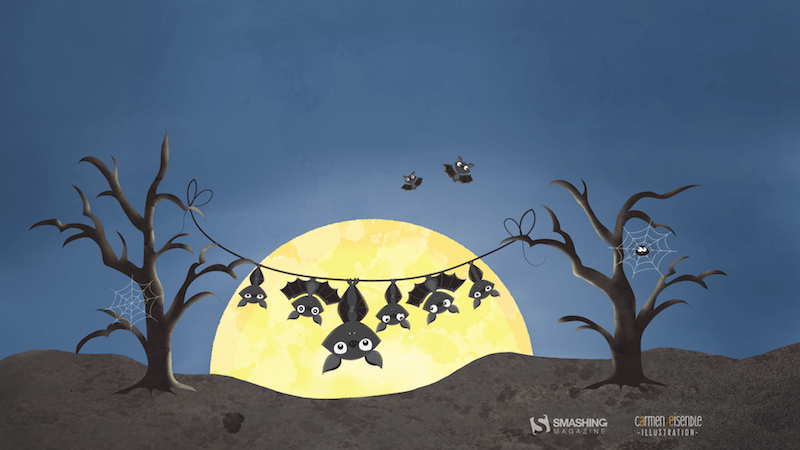
Conversely, the work of Philippe Brouard from France, titled One More Bat, highlights the technical precision of modern digital art. By utilizing parametric curves—mathematical equations used to generate smooth, fluid shapes—Brouard creates a visual interplay between light and shadow. The artist’s commentary on the ecological importance of bats serves as a subtle environmental call to action, framing the digital aesthetic within the broader context of wildlife conservation.

Psychological and Environmental Contexts

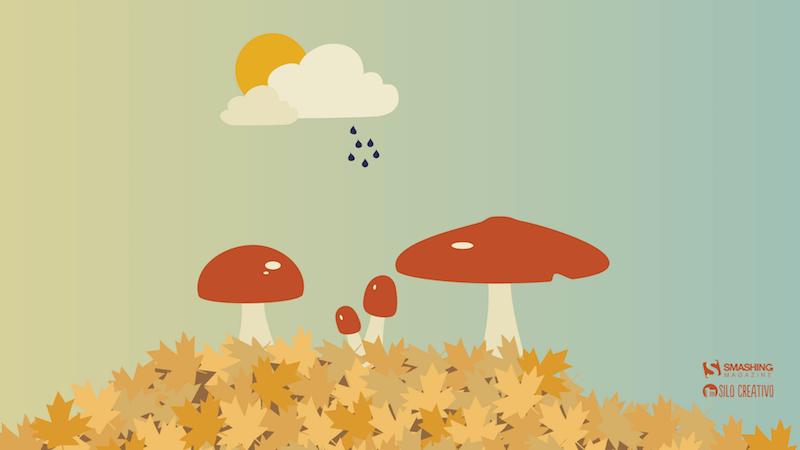
November is frequently characterized in psychological research as a period of transition, often associated with seasonal affective shifts due to decreased daylight hours in the northern hemisphere. The curatorial strategy for this month’s collection explicitly addresses this by prioritizing warmth, color, and light.
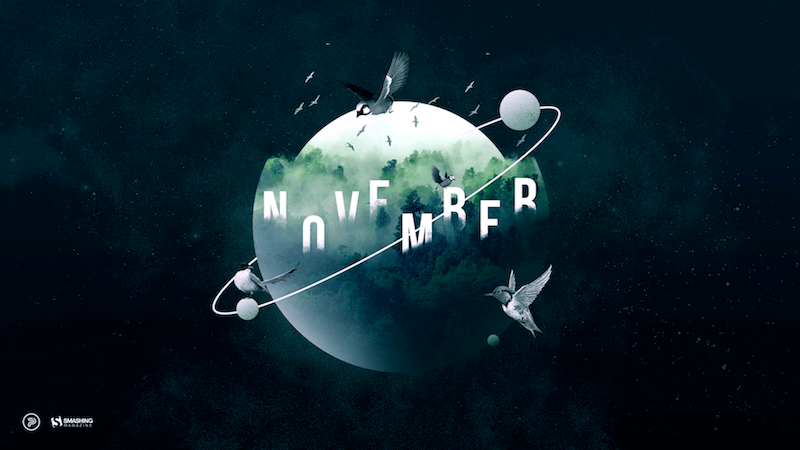
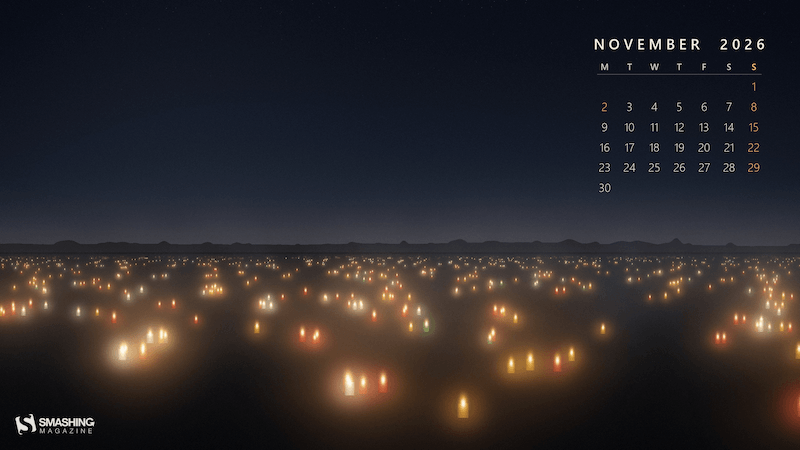
Justas Arbatauskis, a Lithuanian artist, provides a prime example of this thematic focus with his piece, Candlelight November. The artwork draws on Lithuanian traditions of remembrance, where families light candles in cemeteries during early November. By translating this solemn, culturally specific ritual into a "small candle-lit corner" for a desktop screen, the artist offers a digital space for introspection and calm. This demonstrates the capacity for desktop backgrounds to function as "digital environments" that can influence the user’s immediate work-from-home atmosphere.
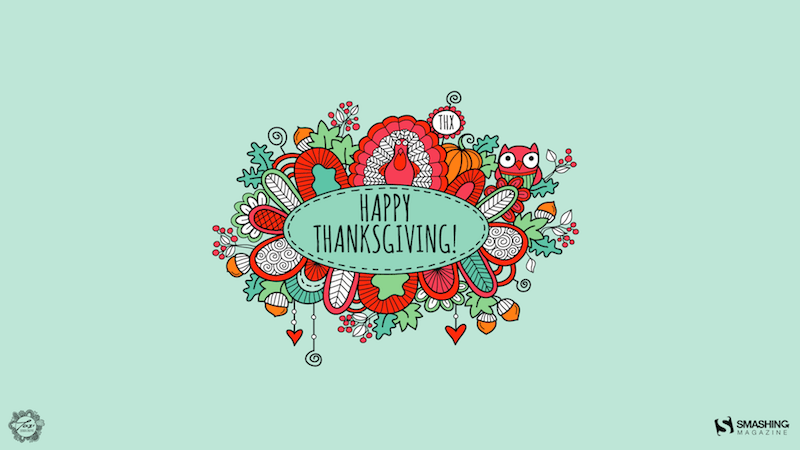
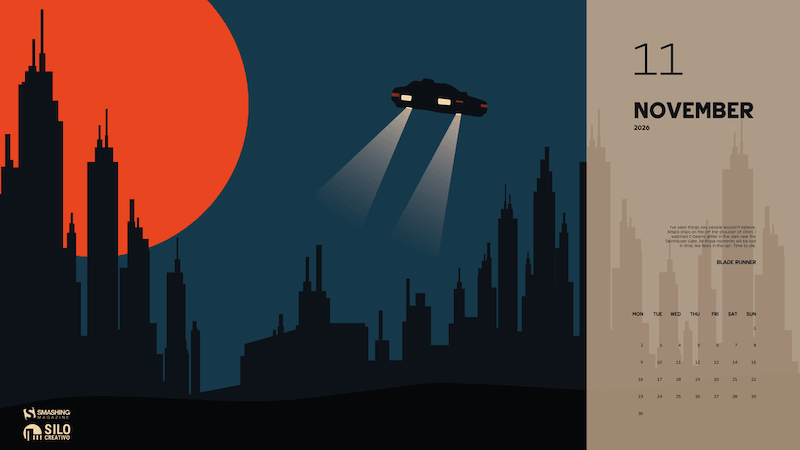
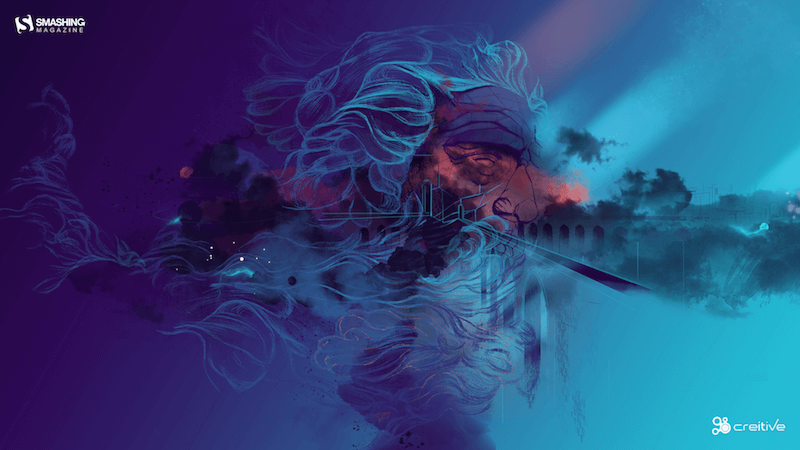
Similarly, Veronica Valenzuela’s Lost in Time integrates literary references, specifically from the film Blade Runner, to contextualize the transient nature of the month. By framing November as a bridge between the present and the winter solstice, the design provides a philosophical grounding for the user, suggesting that digital workspaces can serve as sites of mindfulness.
Statistical and Analytical Overview

The project’s sustainability relies on its scale and reach. While specific download metrics for this month are currently being aggregated, the long-term data for the Smashing Magazine wallpaper series indicates that these assets are viewed and downloaded by hundreds of thousands of users monthly. The platform’s ability to maintain high engagement for over 15 years suggests a continued demand for high-quality, non-commercial digital ornamentation.
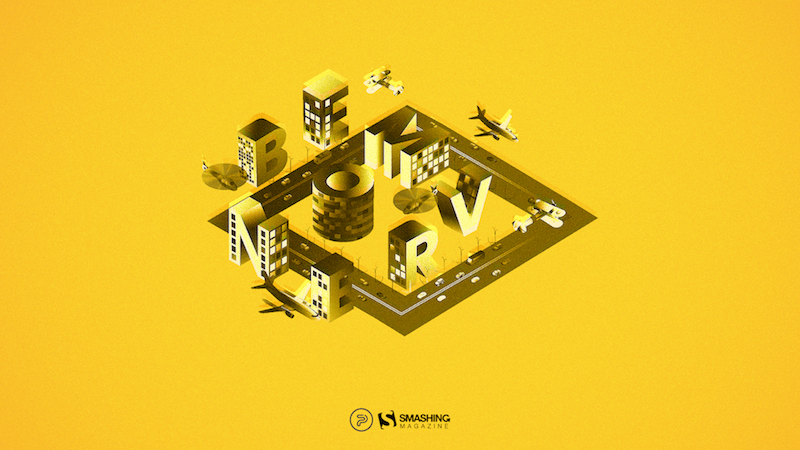
The distribution of contributors also serves as a case study in global creative collaboration. The November 2026 collection features artists from:
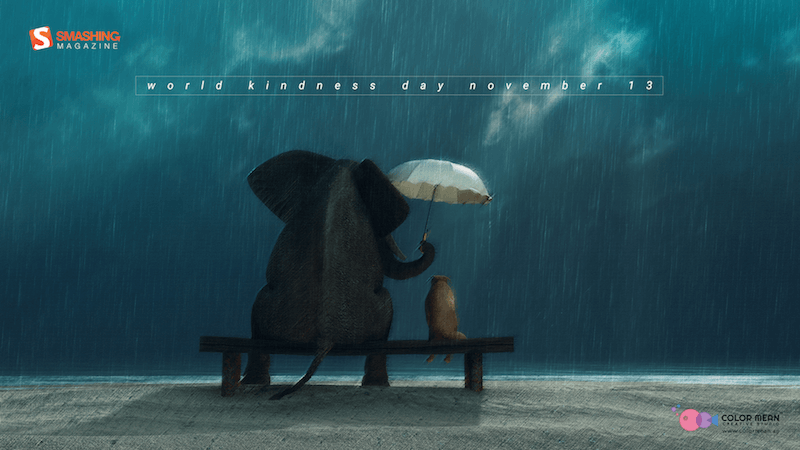
- Europe: Serbia, France, Spain, Lithuania, Belgium, Latvia, Estonia.
- Asia: India, Singapore, China.
- North America: United States.
- Oceania: Australia.
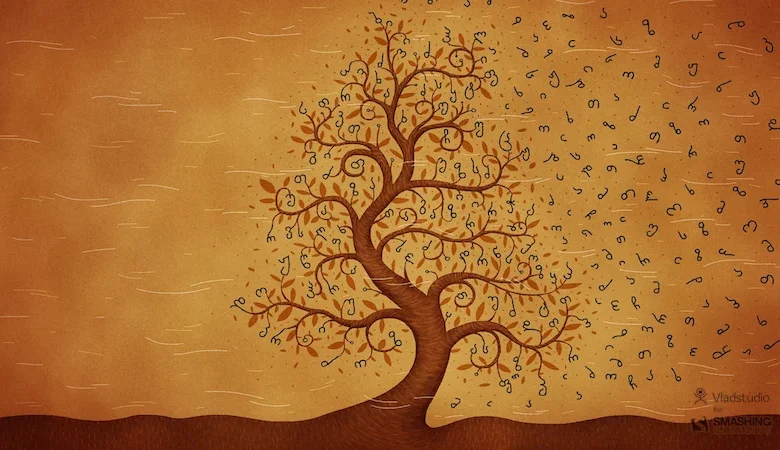
This geographic diversity ensures that the wallpapers are not limited to a Western-centric view of autumn. For instance, the inclusion of the "Anbani" design by Vlad Gerasimov, which focuses on the unique script of the Georgian alphabet, highlights the educational potential of these assets. By exposing a global audience to cultural markers from smaller linguistic groups, the wallpaper project acts as a soft-power instrument for cultural exchange.
Professional Implications for Designers

For the participating designers, the project serves as a low-stakes, high-visibility portfolio opportunity. Being featured in a recurring, high-traffic digital publication provides artists with significant exposure to a community of peers, potential clients, and creative directors. The "Get Featured" invitation extended by the organizers acts as a talent recruitment pipeline, ensuring that the pool of contributors remains fresh and innovative.
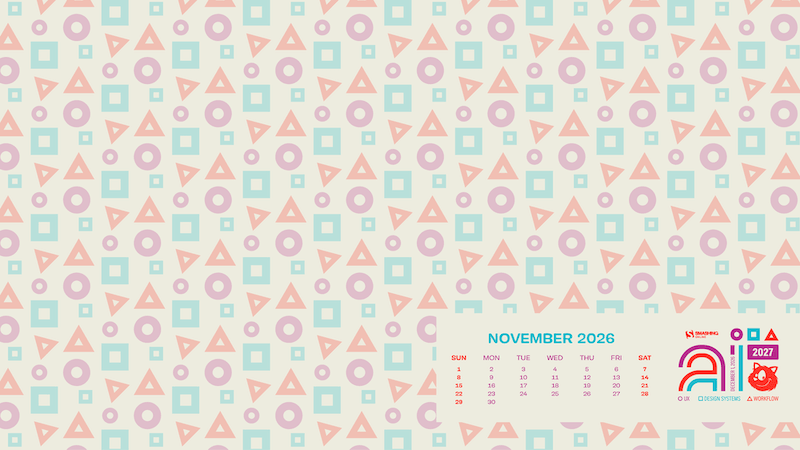
Furthermore, the integration of conference promotion—such as the advertisement for the Smashing AI 2027 Conference—within the wallpaper collection illustrates a sophisticated cross-marketing strategy. By embedding industry-relevant professional development information into aesthetic assets, the organizers provide utility that extends beyond mere decoration.
Future Outlook and Technological Integration
As the industry moves toward 2027, the role of AI in design remains a central point of discussion. The inclusion of the "AI In 2027" conference design, created by the Smashing Magazine team, signals a pivot toward integrating machine learning into the design workflow. This suggests that future iterations of the wallpaper project will likely feature an increasing volume of AI-assisted, generative art, necessitating new editorial standards for transparency and attribution in digital media.

The trend toward "digital wellness"—the intentional design of technology to support human mental health—is also expected to grow. As indicated by works like "Don’t Let Gray Win" by Tartanify, there is a clear demand for desktop backgrounds that act as emotional regulators. The shift toward warmer, texturally rich, and "cozy" designs suggests that users are increasingly looking to their screens to mitigate the stress of digital overload.
Conclusion
The November 2026 collection of desktop wallpapers is more than a simple repository of images; it is a manifestation of a long-term, global creative initiative that provides both aesthetic relief and cultural commentary. By synthesizing the contributions of international designers, the project provides a window into the varied ways that professionals and hobbyists alike process the turning of the seasons.
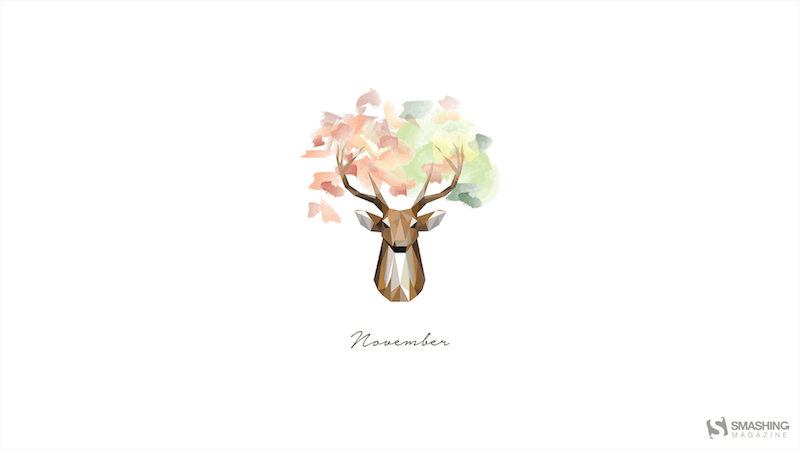
As we look toward the final month of the year, the legacy of this initiative serves as a reminder of the enduring importance of community-driven design. Whether through the mathematical precision of parametric art, the cultural significance of traditional rituals, or the simple comfort of autumnal colors, these digital assets continue to provide a necessary touchpoint for millions of users worldwide, proving that even in an increasingly digitized and automated world, the human element in design remains essential.

The call for submissions for the December collection remains open until the end of November, ensuring that this cycle of global creativity will continue uninterrupted. As the organization prepares to transition into the final phase of 2026, the focus remains on fostering talent, encouraging cross-border collaboration, and maintaining a digital space where beauty and utility coexist.