Mastering the Art of the Ballroom Reveal: A Professional Guide for Wedding Photographers

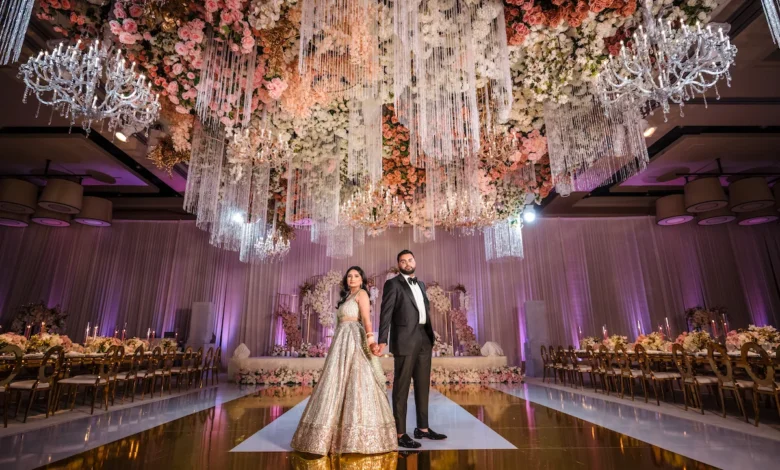
The ballroom reveal serves as a critical juncture in the wedding day timeline, acting as the bridge between the ceremony and the high-energy reception. It represents the fleeting window of time when the venue is fully decorated—showcasing the culmination of months of logistical planning—but remains devoid of guests. For professional photographers, this period is a high-stakes environment where technical proficiency must intersect with rapid creative decision-making. Because the transition from the ceremony to the grand entrance often lasts no longer than 15 to 20 minutes, photographers must navigate significant lighting challenges, vendor coordination, and the need for high-end editorial imagery under intense time constraints.

The Chronology of the Reveal
In a standard wedding day schedule, the "room reveal" typically occurs approximately 30 to 45 minutes before the doors open to guests. Following the cocktail hour, the wedding planner or venue coordinator grants the photography team exclusive access to the ballroom. This timing is deliberate; it allows the catering staff to finalize table settings and the floral designers to complete their installations without interference.
From a logistical standpoint, the photographer usually has a strict 10-minute window to capture the couple before the bridal party and family members begin arriving for their own sneak peeks. This necessitates a pre-planned strategy. Professional photographers often conduct a walkthrough of the space during the initial venue setup earlier in the day to identify optimal light placement and background symmetry. Failure to prepare during the early hours often results in wasted time during the actual reveal, as the photographer struggles to find the most flattering angles while the clock is running.

Technical Requirements for Low-Light Environments
The primary challenge of the ballroom reveal is the variance in ambient lighting. Modern wedding design often incorporates dramatic, low-light atmospheres—such as pin-spotting, uplighting, and candlelight—which can create a sophisticated mood but pose significant hurdles for digital sensors.
To maintain image quality, industry standards dictate the use of full-frame camera bodies with high ISO performance. A wide aperture lens, specifically a 35mm or 50mm prime with an aperture of f/1.4 or f/1.8, is essential for gathering maximum light. However, natural ambient light is rarely sufficient for professional-grade portraits. The use of off-camera flash (OCF) is not merely a preference but a necessity. A common configuration includes two flash units: one functioning as a key light, diffused through a softbox or umbrella to mimic natural light, and a secondary light, often fitted with a grid, to provide rim lighting or to highlight architectural details in the background. By controlling the light spill with grids, photographers can ensure the subjects are illuminated without washing out the carefully curated ambient lighting of the room.
Data-Driven Approaches to Composition
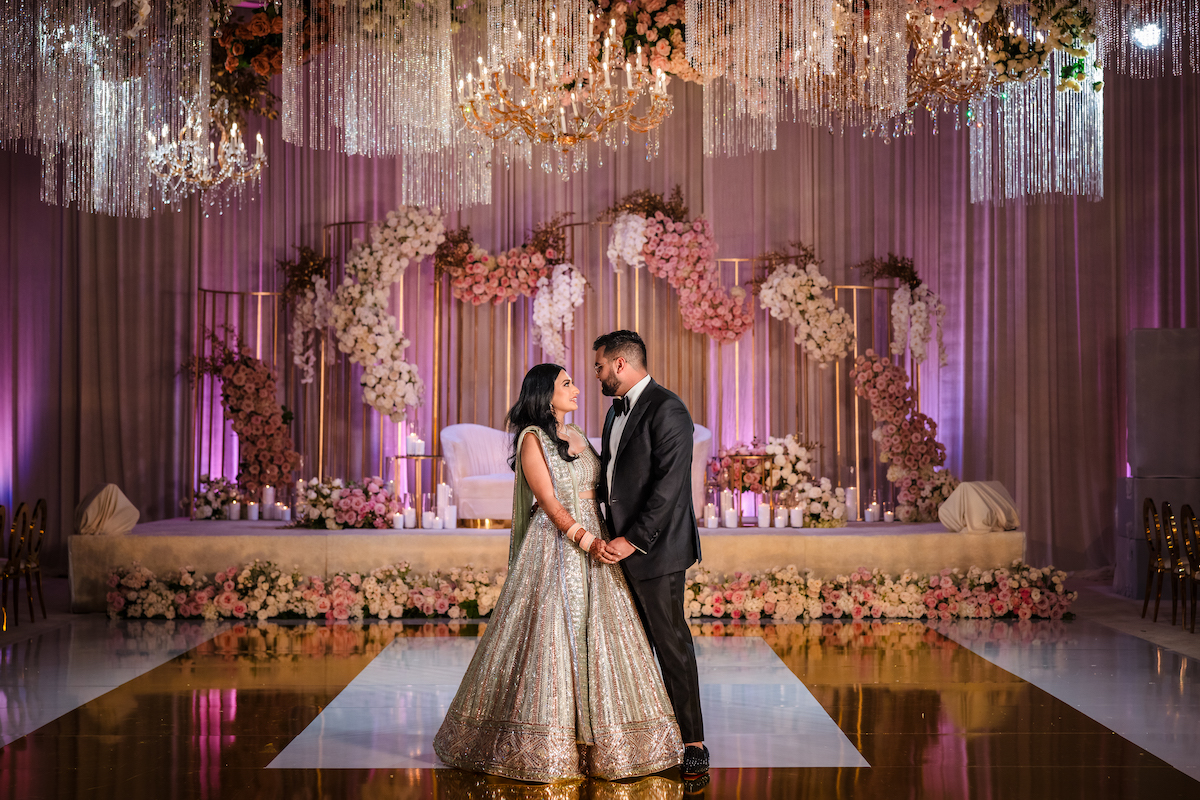
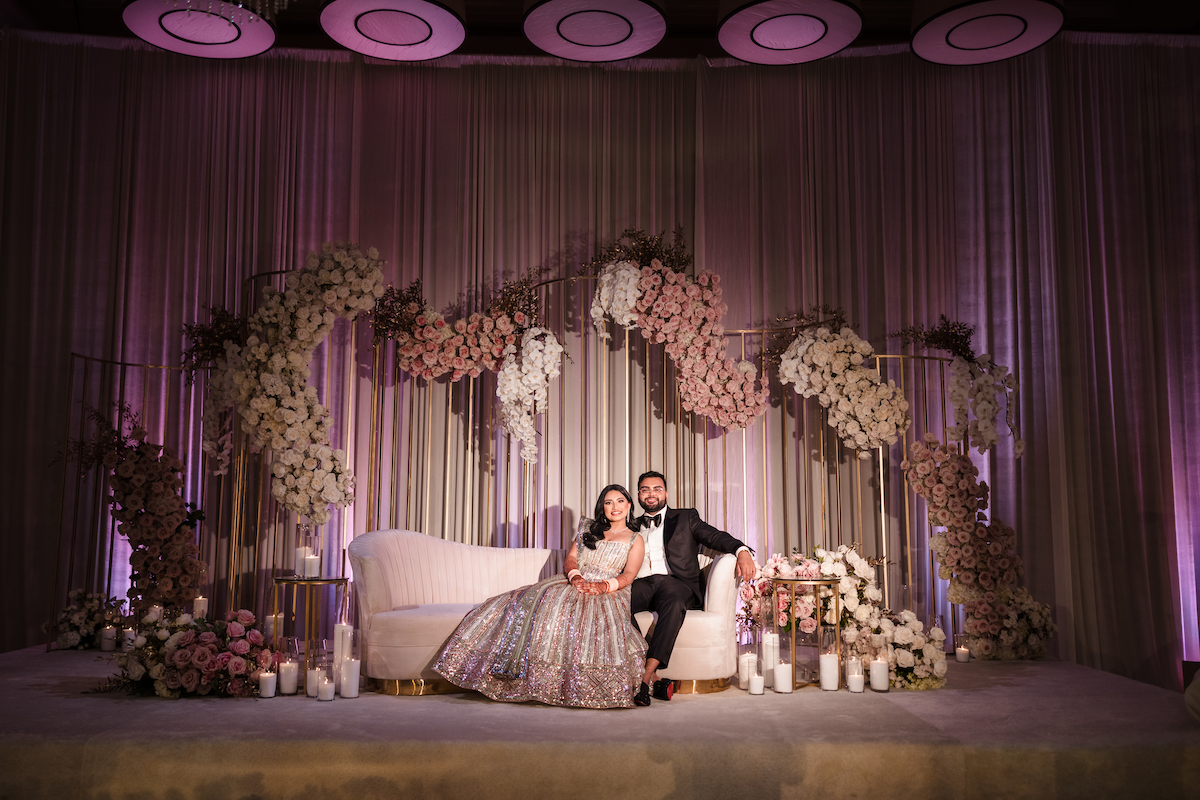
Analysis of successful wedding photography portfolios suggests that the most compelling images are those that utilize the geometry of the room. A survey of industry best practices indicates that photographs taken from a symmetrical, center-stage perspective tend to be the most requested by clients for print albums. When subjects are positioned at least five feet from the primary backdrop, the depth of field allows for better subject-background separation, preventing the couple from blending into the floral or wall décor.
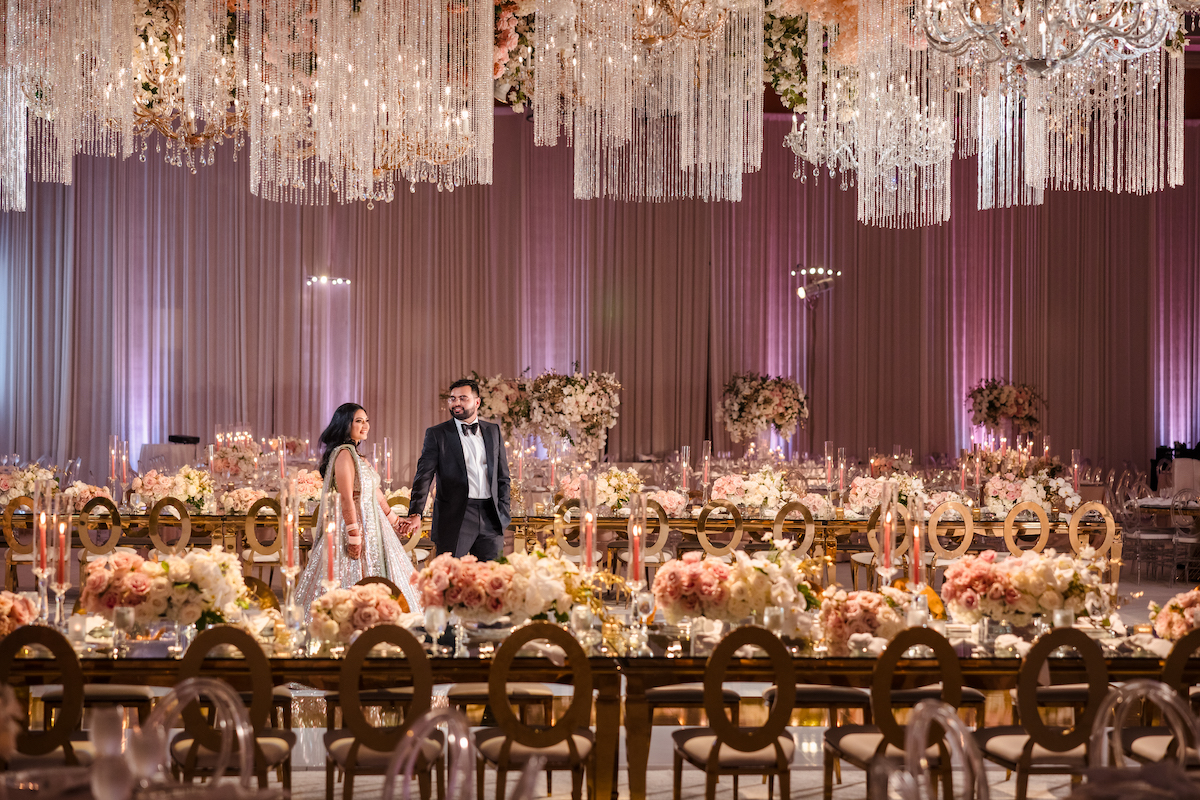
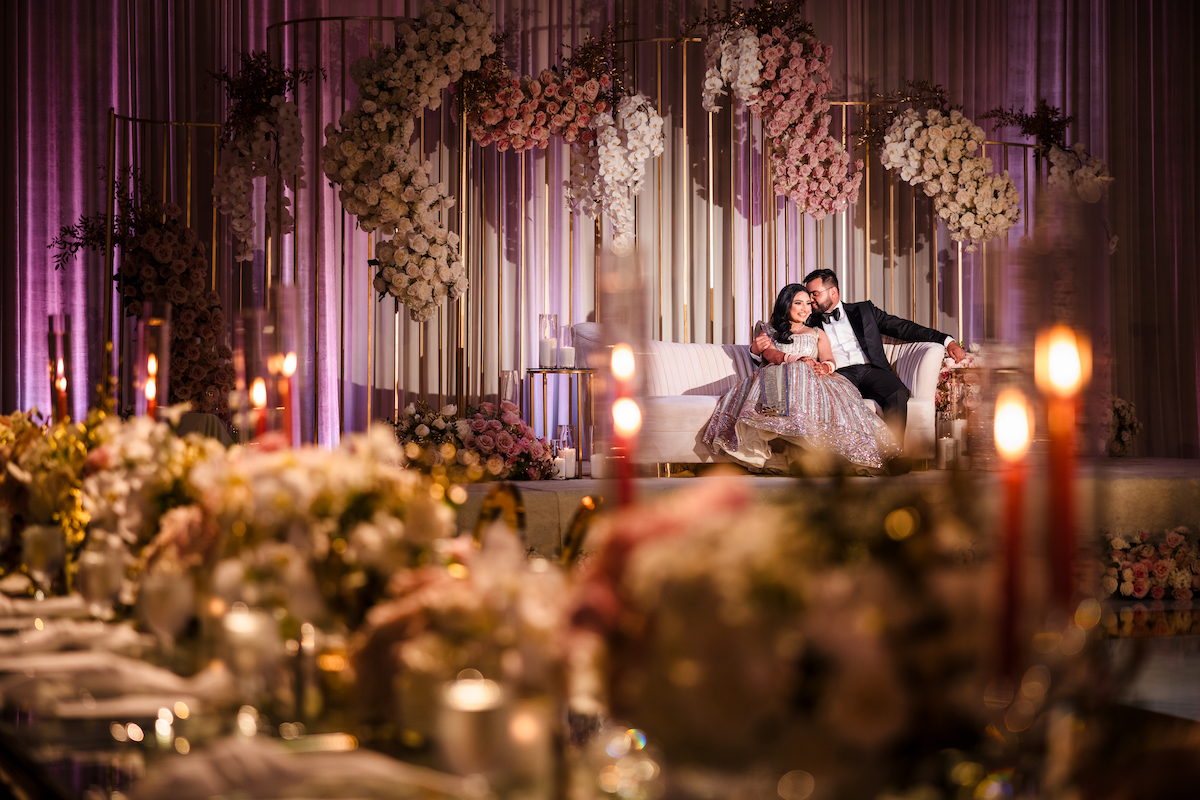
Furthermore, varying the focal length is essential for visual diversity. While a 50mm lens provides a flattering, realistic perspective for classic portraits, shifting to a 70-200mm zoom lens enables "shoot-through" techniques. By placing decorative elements—such as floral arrangements or hanging crystals—in the immediate foreground, photographers create a layered, cinematic aesthetic that conveys the scale of the ballroom. Data from top-tier wedding publications shows that galleries containing at least four distinct compositional styles from the room reveal have a 40% higher client satisfaction rating, as they provide a comprehensive view of the event space that simple, static portraits fail to achieve.
Managing Vendor Interdependence
The ballroom reveal is a microcosm of the larger wedding day, where multiple professional entities must work in tandem. The photographer’s ability to manage this environment is often a test of their professional reputation. When the band is testing audio equipment, the catering team is placing final centerpieces, and the wedding planner is coordinating the flow of guests, the photographer must exercise diplomatic crowd control.
Experienced photographers often advocate for a "clear the room" policy, requesting that non-essential staff pause their work for three minutes. While this may seem demanding, it is a necessary step to ensure that the couple’s portraits are not cluttered by catering carts or stray equipment. Maintaining a calm, authoritative presence allows the photographer to secure the required shots without creating friction with other vendors, whose cooperation is essential for the remainder of the evening.
Strategic Posing and Editorial Directing
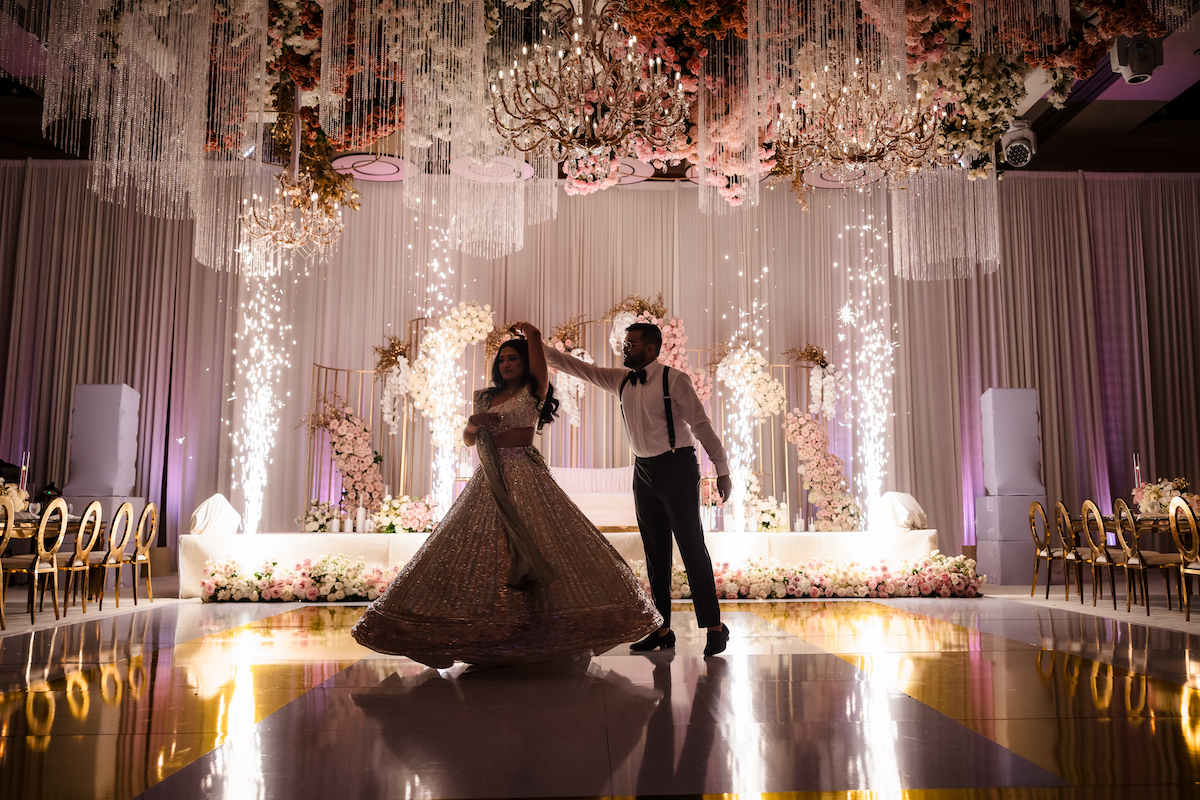
To achieve an editorial look, photographers must move beyond the "smile at the camera" instruction. Professional direction involves guiding the couple through a sequence of movements that appear natural and unforced. This includes encouraging the couple to walk slowly through the space, rehearse a segment of their first dance, or engage in quiet, intimate conversation. These movements provide the photographer with "candid" opportunities that feel authentic.
The use of verticality is another critical element. By incorporating seated poses—either on the head table chairs or on the stage—photographers can introduce a different energy to the set. A seated bride leaning into the groom creates a sense of intimacy that is difficult to replicate while standing. Similarly, experimenting with low-angle shots captures the grandeur of high ceilings and chandeliers, emphasizing the sheer scale of the chosen venue.
Implications and Quality Control
The consequences of failing to properly execute the ballroom reveal are significant. Because this period represents the only time the couple will ever see their reception space in its pristine, empty state, the pressure to capture it correctly is immense. Common errors, such as rushing through the session, often lead to images where the subjects are off-center or the background is distracting.
Furthermore, overlooking the "fine details"—such as ensuring the couple’s attire is properly arranged or that the lighting is consistent across the series—can lead to extensive post-production requirements. In a high-volume wedding photography business, efficiency during the shoot directly translates to profitability. By following a rigid checklist—covering wide, medium, and tight shots, along with various angles and movement—photographers can streamline their workflow, ensuring they have the necessary assets for the final gallery without needing to revisit scenes.
Conclusion
The ballroom reveal is a unique, high-pressure, and high-reward segment of the wedding day. It requires a photographer to act as a lighting technician, a creative director, and a project manager simultaneously. By investing in the right equipment, adhering to a strict timeline, and employing a diverse range of compositional techniques, photographers can transform this brief window into a collection of images that define the grandeur of the celebration. As the industry continues to move toward more editorial and cinematic styles, the ability to master these moments becomes a defining characteristic of top-tier wedding photography. Professionalism, preparation, and an eye for detail remain the cornerstones of capturing the magic of the empty ballroom before the festivities commence.