Fathom Entertainment CEO Jason Brenek Outlines New Strategy for Theatrical Distribution and Audience Engagement at Tokyo International Film Festival

The current theatrical landscape is undergoing a profound transformation, moving away from the traditional, rigid studio-dominated release model toward a more agile, event-driven approach. As Laika’s latest stop-motion feature, Wildwood, enters its third week of release with a robust footprint of 3,103 screens across the United States and Canada, the industry is closely watching the distribution strategy employed by Fathom Entertainment. Speaking from the Tokyo International Film Festival, Fathom CEO Jason Brenek provided insight into the company’s evolving role in the cinematic ecosystem, highlighting how a shift toward human-driven, community-focused content is successfully countering the increasing ubiquity of artificial intelligence in entertainment.
The Evolution of the Fathom Distribution Model
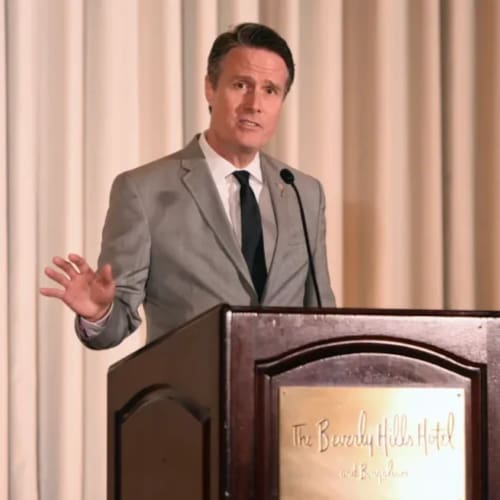
Jason Brenek, who assumed the role of CEO at Fathom Entertainment in July 2026, has been instrumental in reshaping how the company approaches its market. Historically known for event cinema and specialized screenings, Fathom has pivoted toward a more sophisticated model that prioritizes direct collaboration with creators. The release of Wildwood serves as a primary case study for this transition. Unlike the traditional studio system, where production houses often relinquish creative control once a film enters the distribution pipeline, the partnership between Laika and Fathom allows the filmmakers to retain a significant degree of influence over marketing and audience engagement strategies.
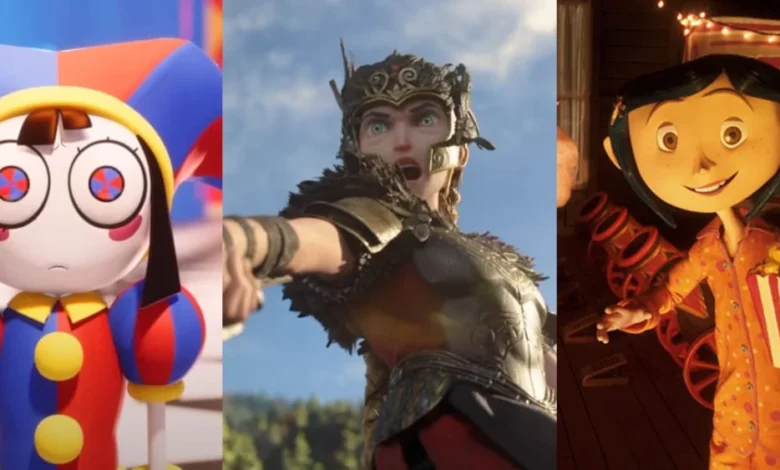
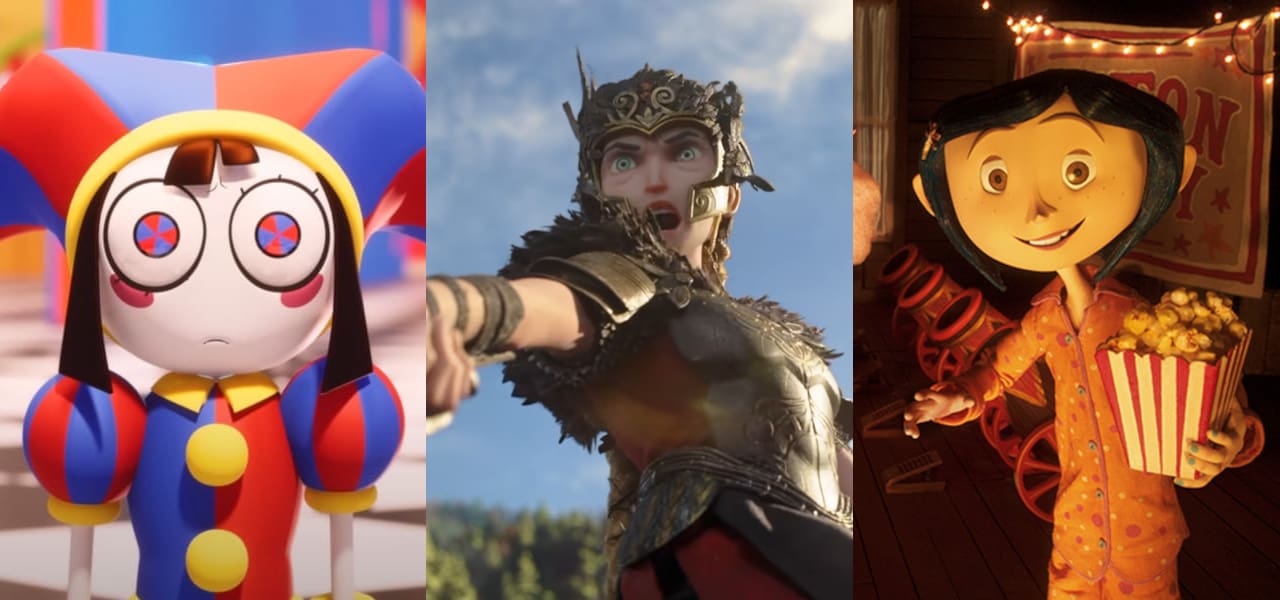
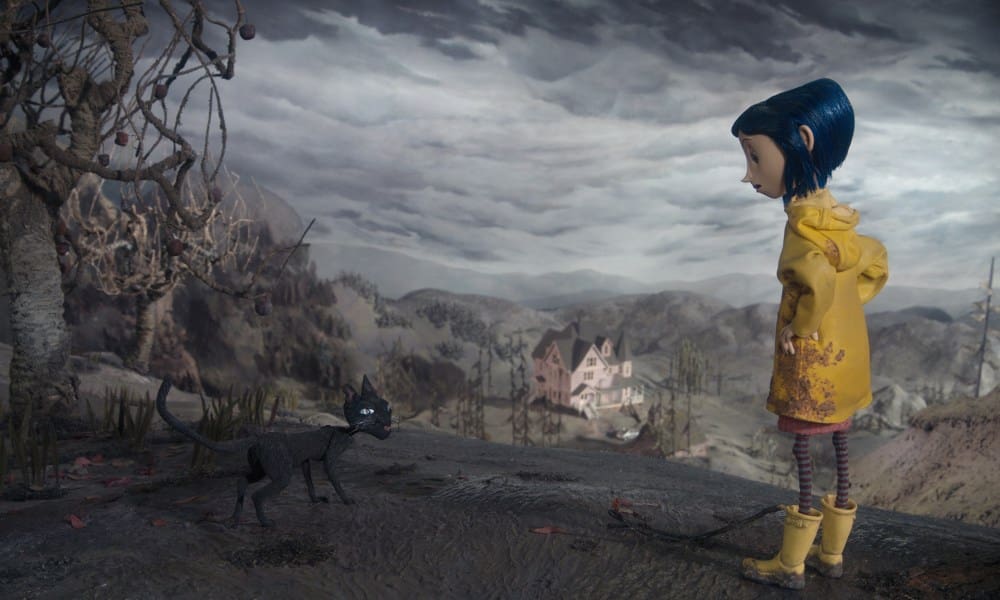
This shift is rooted in a long-standing relationship between the two entities. Fathom has spent years cultivating a loyal audience for Laika’s filmography through recurring annual theatrical releases of titles like Coraline. These "bringbacks" established a reliable, built-in audience demographic, proving that there is a durable appetite for high-quality, physical animation. For Wildwood, a project that spent 16 years in development, the goal was to capitalize on this established trust. By bypassing the conventional, often impersonal, "over-the-wall" distribution process, Laika has been able to ensure that the film’s presentation reflects its internal vision and the meticulous artistry of its stop-motion production.
Data-Driven Success in a Volatile Market
The financial performance of Wildwood offers a compelling argument for this targeted strategy. In its second domestic weekend, the film grossed an estimated $9 million, marking a remarkably modest 27% drop from its opening weekend. This brings the 10-day domestic total to $27.4 million, a figure that signals strong word-of-mouth growth. Furthermore, audience polling conducted by Fathom reveals a high level of viewer satisfaction, with 96% of respondents rating the film as "excellent" or "very good," and 87% indicating they would recommend it to others.
This success is set against a backdrop of a "bonkers" 2026 content cycle, as described by Brenek. The marketplace has been flooded with varied content, yet Wildwood has managed to carve out a significant share of the audience by leaning into its status as a handmade, "human-driven" project. This theme of human-centric artistry is resonating with younger generations, specifically Gen Z and millennials, who are increasingly viewing movie theaters as "third spaces"—social hubs where like-minded fans can gather for shared, tangible experiences that cannot be replicated in a home viewing environment.
The Rise of Online-to-Theatrical Transitions
Beyond traditional animation studios, Fathom is aggressively expanding its reach into content that originates within digital spaces. The theatrical success of The Amazing Digital Circus, which generated $25 million at the box office, served as a watershed moment for the industry. This performance, which surprised even internal Fathom leadership, proved that digital-first creators possess a dedicated, ready-to-convert audience that values communal viewing experiences.
Brenek acknowledges that this shift requires a new approach to talent scouting and market research. The company is now actively engaging with creators from platforms like YouTube and Instagram to identify projects that can sustain a "big canvas" theatrical run. This strategy is not merely about scaling content but about finding the right "eventization" opportunities—transforming screenings into experiences through Q&As, exclusive behind-the-scenes content, and merchandise tie-ins. By treating films as cultural events rather than just inventory, Fathom is effectively addressing the desire for "Instagrammable" and unique, in-real-life (IRL) moments.
International Strategy and the Tokyo Connection
Brenek’s presence at the Tokyo International Film Festival underscores a strategic doubling down on Fathom’s long-standing dominance in the anime distribution sector. As the largest distributor of Japanese animation in the U.S., Fathom is looking to streamline the pipeline between Japanese production committees and American theaters. Historically, the bureaucratic complexity of the Japanese production system often led to significant delays in international releases. Brenek aims to mitigate these lags, ensuring that global fans have access to content in a more timely manner, reflecting the reality of a hyper-connected, digital-first global audience.
This outreach is part of a broader mission to connect more intimately with international production entities. Many Japanese studios, according to Brenek, are unaware that Fathom is the final link in the chain that brings their work to North American audiences. By formalizing these relationships, Fathom hopes to secure earlier access to projects and provide more structured marketing support for foreign films, further solidifying the theatrical experience as a necessity for global fandoms.
Future Implications for the Exhibition Sector
The broader implications of Fathom’s model are significant for the future of cinema exhibition. The company’s ownership structure—comprising the three largest U.S. cinema chains: Regal, Cinemark, and AMC—provides a unique advantage, representing half of the nation’s total screens. This allows for a flexible threshold of release scale, typically hovering around 1,000 screens, which serves as a sweet spot for both the distributor and its owners.
However, the strategy is not without challenges. As the industry grapples with the impact of AI on creative workflows, the market value of "human-driven" art is simultaneously rising. Fathom’s commitment to this niche is a direct response to the perceived homogeneity of modern studio blockbusters. By prioritizing films that possess "heart" and demonstrable, labor-intensive craft—whether that be the stop-motion animation of Laika or the digital creativity of independent online stars—Fathom is positioning itself as a guardian of the theatrical experience.
Looking ahead, Fathom is likely to continue its focus on event-based programming, which has proven successful with franchises such as The Lord of the Rings. By encouraging cosplay, themed refreshments, and interactive fan elements, the company is successfully transforming the theater from a passive venue into an immersive destination. As the industry navigates an increasingly crowded and fragmented landscape, Fathom’s ability to marry traditional theatrical distribution with modern digital community engagement will likely serve as a blueprint for other distributors looking to retain the relevance of the big screen.
In conclusion, the current success of Wildwood and the broader initiatives outlined by Jason Brenek suggest that the future of theatrical distribution lies in the synthesis of human-centric artistry and experiential community building. By listening to the needs of specific fan bases and bridging the gap between digital creators and traditional theaters, Fathom Entertainment is not only surviving the current industry volatility but actively defining the next phase of the cinematic era. The shift is clear: in an age of infinite digital choice, the value of the theater is no longer in the mere availability of the film, but in the quality and exclusivity of the experience surrounding it.