The Ethics of Artificial Intelligence in Wedding Photography: Balancing Artistic Enhancement with Documentary Integrity


The modern wedding photographer is increasingly navigating a precarious divide between technical efficiency and the preservation of historical truth. As the photography industry undergoes a profound technological shift, the rise of generative artificial intelligence has introduced a complex dilemma: when does the optimization of an image transition into the fabrication of a memory? While AI-powered tools have become industry standards for streamlining post-production workflows, they have simultaneously blurred the lines between corrective editing—such as exposure balancing and blemish removal—and the creation of non-existent events. For the contemporary couple, the expectation remains that their wedding album serves as a faithful reflection of their lived experience. For the professional photographer, the challenge is to leverage these powerful tools without compromising the documentary essence of the craft.
The Evolution of the Digital Darkroom
The integration of AI into professional photography did not happen overnight. It is the culmination of a decade-long acceleration in computational photography. In the early 2010s, professional post-production was defined by manual labor, with photographers spending hours adjusting global settings or performing frequency separation to smooth skin. By 2020, machine learning began to automate these tedious tasks, introducing features like subject masking and sky replacement.
The pivotal moment arrived between 2024 and 2026, as generative AI models became embedded directly into industry-standard software suites. Adobe’s 2026 Creators’ Toolkit Report, which surveyed over 16,000 creative professionals across eight global markets, provides empirical evidence of this shift. The report indicates that 75% of digital creators now consider AI tools to be either "integrated" or "essential" to their daily production cycles. This adoption rate reflects a fundamental change in the economics of wedding photography. With couples increasingly demanding shorter delivery timelines for high-resolution galleries, AI has become the primary mechanism for meeting market pressures without sacrificing stylistic consistency.
Defining the Boundaries of Correction
To understand the current professional landscape, one must distinguish between two primary categories of AI application: corrective enhancement and generative fabrication. Corrective enhancement—the removal of distracting exit signs, the correction of exposure, or the softening of skin textures—is widely viewed as a digital evolution of traditional darkroom techniques. These adjustments serve to minimize technical imperfections that would otherwise distract from the subject.
Conversely, generative fabrication involves the introduction of elements that were never physically present at the scene. This includes the artificial insertion of family members into group portraits, the application of digital lighting effects to mimic sunsets that never occurred, or the addition of confetti and atmospheric particles to photos where the environment remained static. Industry experts argue that while the former improves the quality of the record, the latter compromises the integrity of the memory.
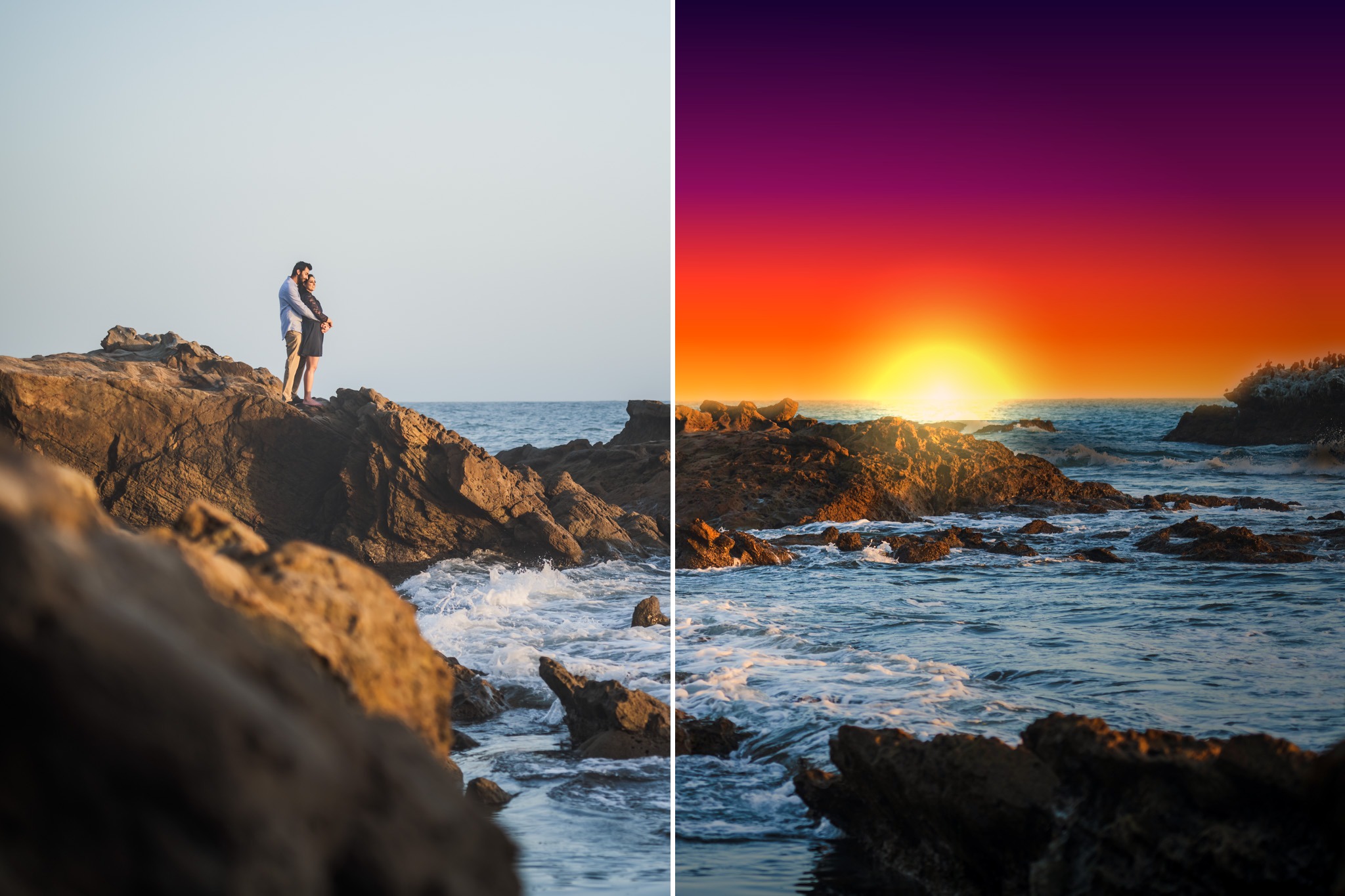
The ethical tension lies in the nature of the transaction. A client hires a photographer to document a sequence of events as they unfolded. When a photographer alters the cast of participants or the physical environment through generative means, the resulting image ceases to be a record of the wedding and becomes a staged composite. The distinction is critical: the former is a professional service that refines the visual narrative, while the latter is a form of creative art that prioritizes aesthetic perfection over documentary veracity.
Industry Standards and Regulatory Signals
The professional community is currently grappling with how to codify these boundaries. A significant indicator of the industry’s stance can be found in the rules governing professional photography competitions. The Professional Photographers of America (PPA), in its International Photographic Competition, has implemented strict prohibitions against the use of generative AI in submitted works. By barring AI-generated elements in both partial and full capacities, the PPA is signaling that the foundation of professional photography remains rooted in the original optical capture.
Other juried organizations have followed suit, often reserving the right to demand raw camera files as proof of an image’s provenance. While these competition standards do not legally bind a photographer’s contract with a private client, they provide a framework for what the industry defines as "professional integrity." If a photographer is unable to substantiate the authenticity of a wedding photo, they risk undermining the trust that is central to their professional relationship with clients.
Technical Challenges in Verification
As the use of AI becomes more pervasive, the quest for reliable verification tools has intensified. At present, third-party AI detectors are largely unreliable for the purposes of historical verification. These tools often provide false positives for highly edited images while failing to detect sophisticated generative manipulations. Furthermore, metadata is frequently stripped during the standard export processes used for social media and client galleries, rendering digital footprints incomplete.
The future of verification may lie in standardized frameworks such as the Coalition for Content Provenance and Authenticity (C2PA). Adobe’s Content Credentials system is one example of how metadata can be embedded to track the provenance of an image, recording the editing history and whether AI-driven generative tools were employed. However, these systems face a significant hurdle: they are easily defeated by screenshots, re-saving files, or basic cropping, which often discard the metadata container. Consequently, the raw file (the original digital negative) remains the primary evidence of the event’s reality.
Contractual Expectations and Client Communication
To navigate this ethical landscape, the burden of communication falls upon the photographer. The most effective way to avoid post-delivery disputes is to establish clear, written guidelines regarding the scope of digital editing. By incorporating a "Retouching and AI Policy" into the standard wedding contract, photographers can manage client expectations from the outset.

A practical framework for such an agreement includes:
- Documentary Baseline: A guarantee that all primary event coverage (ceremony, vows, candid moments) will remain unmanipulated beyond standard color correction and exposure adjustments.
- Defined Retouching: An outline of standard retouching procedures, such as the removal of skin blemishes or minor environmental distractions.
- Generative Disclosure: A clause requiring explicit client consent before any generative AI is used for artistic enhancements or composites, such as portrait retouching that alters physical appearance or the creation of composite images.
- Transparency: A commitment to provide raw or original camera files upon request in the event of a dispute regarding the authenticity of a specific image.
Broader Economic and Cultural Implications
The demand for wedding photography remains remarkably resilient. According to The Knot’s 2026 Real Weddings Study, 88% of couples continue to prioritize professional photography as a non-negotiable expense in their wedding budget. This indicates that despite the accessibility of high-quality smartphone cameras and the ease of AI-generated content, the value proposition for a professional photographer is not just about producing a "pretty picture." It is about the curation of a factual history.
The economic reality is that photographers who effectively communicate their ethical stance on AI often build stronger, more trusting relationships with their clients. When a photographer positions themselves as a custodian of memory rather than merely a digital artist, they differentiate their brand in a saturated market. The temptation to "fix" every image to an unattainable standard of perfection is high, but the potential long-term damage to one’s professional reputation is equally significant.
In conclusion, while the tools of the trade have fundamentally changed, the core mandate of the wedding photographer has not. The integration of AI into the editing room is inevitable and, in many ways, beneficial. However, the boundary of professional practice remains clear: the photographer must enhance the quality of the image without deceiving the observer. By adhering to transparency, documenting the editing process, and respecting the distinction between correction and fabrication, the profession can navigate the rise of AI while maintaining the trust that is essential to documenting the most significant days in their clients’ lives.