Mastering the Art of Smoke and Fog Photography: A Technical Guide for Professionals and Enthusiasts

The inherent volatility of smoke—a subject defined by its fluid, unpredictable, and ephemeral nature—presents a formidable challenge for even the most seasoned photographers. Yet, these same characteristics, which defy static composition, offer a unique opportunity to create abstract, fine-art imagery. Achieving consistent, high-quality results in smoke photography requires more than simply capturing a wisp of incense in a dark room; it demands a rigorous understanding of lighting physics, high-speed synchronization, and precise post-processing workflows. As digital art evolves, the ability to generate and capture custom textures has become a vital asset for commercial retouchers and creative directors alike.

The Technical Evolution of Atmospheric Photography
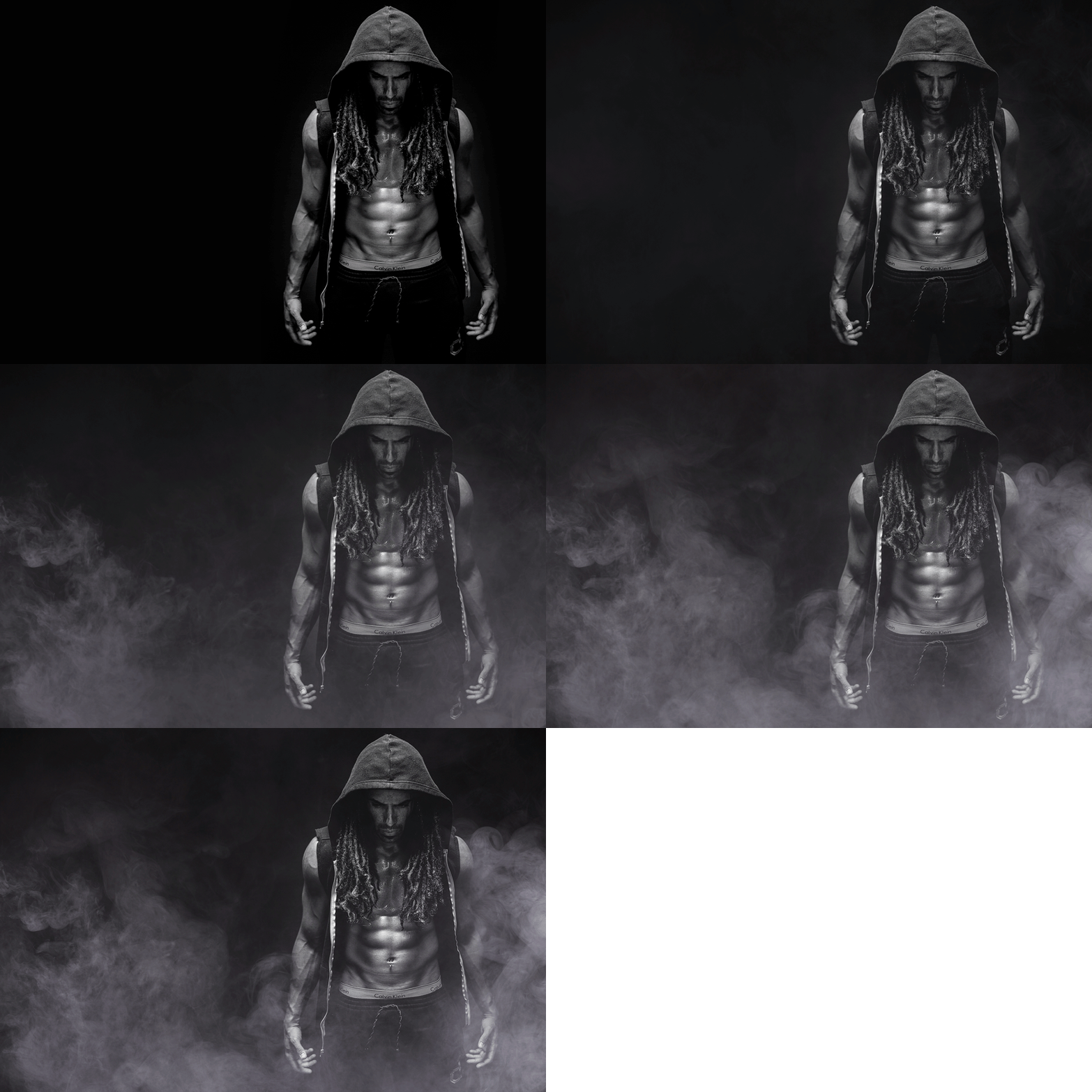
Historically, the use of smoke in photography was limited to practical on-set effects, often requiring heavy chemical smoke bombs or volatile pyrotechnics. Over the last decade, the industry has shifted toward a more controlled, digital-first approach. Today, photographers typically capture high-resolution source textures that are subsequently blended into final compositions. This methodology allows for unprecedented creative control, enabling artists to composite complex atmospheric layers into portraits, automotive shots, and surrealist fine art.

The fundamental shift in this field has been driven by the democratization of high-resolution sensor technology and the development of specialized texture libraries. For professionals, the goal is no longer just the "happy accident" of a smoke plume; it is the systematic creation of a library of assets. Industry experts note that the ability to curate a personal catalog of unique, high-resolution fog and smoke textures can reduce production timelines by up to 40% during the compositing phase of a project.

Core Gear and Environmental Requirements
To successfully document smoke, one must manage the environment with clinical precision. A controlled setting is paramount for fine-art results. Indoors, even minor air currents from a ventilation system can distort the plume, rendering a session unproductive.

Essential Equipment Checklist
- Telephoto Optics: A 70-200mm focal length is widely regarded as the industry standard. This allows the photographer to maintain a distance from the smoke source, which is crucial for safety and for preventing the heat from the source (such as incense or a soldering iron) from impacting the camera sensor or airflow.
- Studio Strobes: Unlike speedlights, which may struggle with consistent recycle times and uniform light distribution, high-end studio strobes provide the stability needed for long-duration sessions.
- Light Modifiers: A strip box equipped with a grid is non-negotiable. The strip box creates a narrow, vertical light source that highlights the contours of the smoke without washing out the entire frame, while the grid limits light spill, ensuring the background remains a deep, absolute black.
- Grip Support: Precision is key. A-clamps and various mounting arms are required to secure the smoke source—whether it be a match, incense stick, or small fog generator—in a fixed, repeatable position.
The Physics of Lighting and Flash Duration
One of the most critical, yet often overlooked, aspects of smoke photography is flash duration. In professional strobe units, the flash duration is the length of time the light is emitted. Because smoke moves with extreme velocity, a long flash duration—common at full power settings—will result in motion blur, stripping the image of its crisp, crystalline detail.

Photographers are advised to use lower power settings on their strobes, as this inherently results in a shorter flash duration, effectively "freezing" the smoke in time. When balancing exposure, one must navigate the inverse relationship between power and duration. Using a higher ISO or a wider aperture can allow for lower strobe power, thus achieving a faster shutter effect even if the camera’s sync speed is capped.

Strategic Workflow: From Capture to Composite
The workflow for professional smoke photography follows a specific, repeatable chronology:

- Preparation and Environment: Ensure the studio is entirely blacked out. Any light spill onto the background will require extensive masking in post-production, which is inefficient.
- The Capture Phase: Shoot in RAW format at the highest possible resolution. Given that smoke is erratic, shooting slightly wider than the desired composition allows for necessary cropping and re-framing without sacrificing essential detail.
- Raw Processing: In software like Adobe Lightroom, the focus shifts to contrast. Increasing the "Clarity" and "Dehaze" sliders helps separate the smoke from the background.
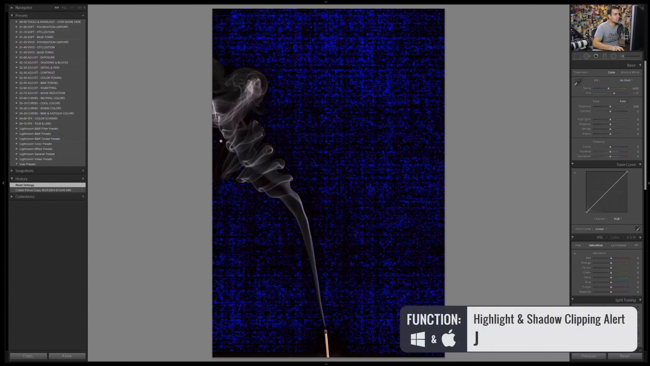
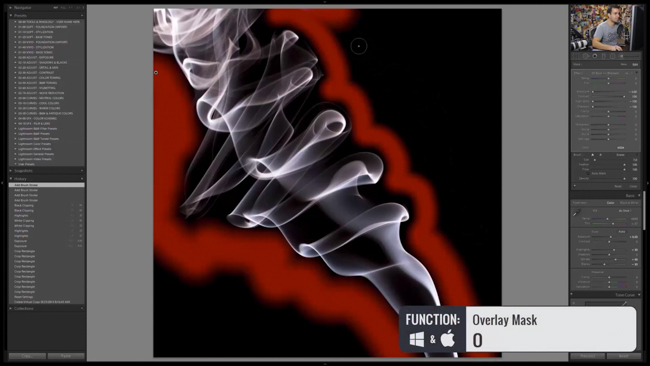
- Cleaning the Artifacts: High-resolution sensors often pick up dust particles floating in the air. Utilizing a brush tool with a strong "Burn" setting—or a manual adjustment of the blacks—is necessary to ensure the background is completely devoid of unwanted artifacts.
- Refining Textures: To achieve a "silky" aesthetic, photographers often apply aggressive noise reduction to the smoke, provided the sharpening is handled separately in Photoshop. This creates a smooth, ethereal texture that blends seamlessly into composite images.
The Role of Post-Processing in Creative Direction
Modern post-processing allows for the transformation of monochromatic smoke into complex color palettes. Through the use of split-toning and curves, artists can map specific colors to the highlights and shadows of the smoke. For instance, a "crimson" look can be achieved by applying a warm-toned curve combined with a red-biased split tone. This level of granular control is what separates amateur snapshots from professional-grade digital assets.

Broader Implications and Industry Impact
The increasing demand for hyper-realistic composites has turned atmospheric photography into a specialized niche within the commercial photography industry. Advertising agencies and film production houses frequently seek out unique smoke and fog assets to add depth and "mood" to high-end campaigns.
From an economic perspective, the rise of stock photography platforms and asset marketplaces has created a secondary market for these textures. Photographers who spend the time to master these techniques can generate passive income by licensing their custom-built libraries of smoke and fog, which are categorized by shape, density, and color.
Conclusion: A Disciplined Approach
Photographing smoke is a testament to the discipline of the photographer. It is a pursuit that balances the chaotic nature of the subject with the rigid requirements of studio lighting. By employing telephoto lenses, maintaining strict control over the environment, and utilizing advanced post-processing techniques, photographers can turn a fleeting, intangible vapor into a permanent and powerful visual element. As digital imaging continues to advance, the ability to control and manipulate these atmospheric elements will remain a key skill for those looking to elevate their portfolio and expand their creative toolkit. Those who master these 10 foundational tips—from equipment selection to the final colorization in Lightroom—position themselves at the forefront of contemporary commercial and fine-art photography.