Paddy Galloway dives deep with us on Video A/B, Ask Studio, and evolving over time

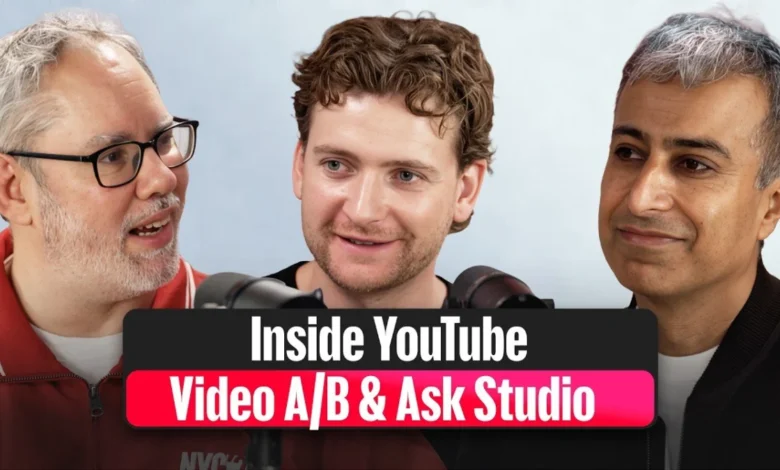
The digital media landscape has evolved from a simple hobbyist video-sharing platform into a sophisticated, highly competitive global ecosystem where creators must master data analytics to survive. YouTube, as the dominant video platform, continues to adapt its Creator Studio to meet these demands, bridging the gap between raw data and actionable strategy. In a recent, comprehensive deep-dive conversation, prominent YouTube strategist and analytics expert Paddy Galloway sat down with Amjad Hanif, YouTube’s Vice President of Creator Product, to discuss the platform’s newest suite of creator tools. The discussion focused heavily on emerging technologies such as Ask Studio, Dynamic Thumbnails, and anticipated Video A/B testing features, shedding light on how data-driven decision-making is reshaping modern content creation.
The intersection of artificial intelligence, machine learning, and content strategy has become a primary focal point for platform developers. Creators historically relied on rudimentary view counts and basic click-through rates (CTR) to gauge success, often operating in a vacuum of fragmented statistics. Today, the introduction of conversational AI assistants and automated testing frameworks is democratizing sophisticated data science. Galloway and Hanif explored how these tools not only streamline workflow efficiencies behind the scenes but also fundamentally alter how creators conceptualize, execute, and optimize their digital storytelling.
The Evolution of Analytics and Ask Studio
Navigating YouTube Studio has traditionally required a steep learning curve. The sheer volume of metrics—ranging from impressions and average view duration to traffic sources and audience demographics—can overwhelm even seasoned creators. Recognizing this friction, YouTube introduced Ask Studio, an AI-powered conversational assistant designed to parse complex datasets and translate them into plain-language, actionable guidance.
Ask Studio functions as an interactive storytelling assistant, allowing creators to workshop conceptual ideas in a draft state before a single frame of video is shot or uploaded. By analyzing historical channel data, audience engagement patterns, and niche-specific trends, the assistant provides tailored suggestions for narrative structure, pacing, and packaging. Furthermore, the tool addresses back catalog optimization by proactively identifying older, underperforming videos that could benefit from modernized thumbnail updates or strategic metadata adjustments to capture renewed algorithmic momentum.
According to Amjad Hanif, the philosophy behind integrating conversational AI into YouTube Studio stems from direct creator feedback. While large production teams often employ dedicated data analysts to interpret channel performance, independent creators lack these resources. Ask Studio bridges this divide, acting as an on-demand analytical partner that surfaces critical insights and explains their practical implications without requiring creators to manually cross-reference dozens of disparate dashboard reports.
Dynamic Thumbnails and Audience Segmentation
Thumbnail optimization has long been considered the holy grail of post-upload video strategy. Because click-through rates heavily influence initial algorithmic distribution, creators invest substantial resources into designing compelling visual hooks. However, traditional approaches treated audiences as a monolithic block, serving the exact same thumbnail to every prospective viewer regardless of their prior relationship with the channel.
The introduction of Dynamic Thumbnails represents a significant leap forward from conventional static A/B testing. Instead of simply pitting two variants against each other to find a single winner, Dynamic Thumbnails empower creators to upload up to three distinct thumbnail designs. The platform’s automated distribution algorithms then segment the audience—serving different variations to regular subscribers, occasional casual viewers, and entirely new audiences—based on real-time predictive performance metrics for each specific demographic pocket.
Paddy Galloway highlighted the significance of this feature, noting that different segments of an audience often require entirely unique psychological triggers to click on a video. Returning subscribers might be drawn to familiar branding or host-centric imagery, whereas cold audiences discovering a video via recommendation feeds may require high-contrast, curiosity-inducing visuals. By automating this segmentation, YouTube is effectively automating strategies that top-tier production agencies have attempted to manufacture manually behind the scenes for years.
Video A/B Testing and the Significance of Retention Curves
While thumbnail optimization dictates initial viewer acquisition, the long-term success of any digital video fundamentally depends on viewer retention. Building upon the success of thumbnail testing frameworks, YouTube is actively moving toward comprehensive Video A/B testing, extending optimization capabilities directly into the core content of the video itself.
The proposed Video A/B testing infrastructure will allow creators to upload alternative edits of specific video sections—most notably the introduction—and run live performance splits. Following a test window, creators are granted a designated seven-day period to evaluate the data and select the superior edit for permanent deployment.
Industry veterans like Galloway emphasize the critical role of video introductions in determining overall retention. A poorly structured opening can alienate a viewer within the first thirty seconds, severely stunting a video’s long-term algorithmic trajectory. By testing alternative narrative hooks, creators can objectively measure which opening maintains audience engagement more effectively.
Crucially, YouTube has deliberately structured the analytics for Video A/B testing to prioritize retention curves over surface-level metrics. Amjad Hanif underscored the importance of this design choice, warning against the dangers of metric saturation. When creators are confronted with a sea of auxiliary data, it is easy to become distracted by vanity metrics that do not necessarily align with long-term channel health. By anchoring the video test results directly to retention curves, the platform provides an authentic window into viewer behavior, revealing precisely where audiences lose interest and validating which creative choices resonate on a deeper level.
Broader Implications for the Creator Economy
The rollout of advanced diagnostic and testing tools within YouTube Studio signals a broader maturation of the creator economy. As competition for consumer attention intensifies across global digital platforms, intuition alone is no longer sufficient to guarantee sustained channel growth. Professionalization requires rigorous testing methodologies, iterative optimization, and a deep understanding of algorithmic distribution dynamics.
By integrating sophisticated data science capabilities directly into creator dashboards, platforms are shifting the burden of technical analysis away from human operators and toward intelligent systems. This technological shift allows individual creators to operate with the analytical rigor of a traditional media corporation. However, it also raises the bar for baseline content quality, as audiences increasingly expect polished pacing, compelling packaging, and highly relevant subject matter.
As features like Ask Studio, Dynamic Thumbnails, and Video A/B testing become standardized components of the content creation workflow, the relationship between creators and their data will continue to transform. The ongoing dialogue between platform architects and industry strategists highlights a shared commitment to reducing operational friction, empowering authentic storytelling, and ensuring that creators can adapt and evolve alongside an ever-changing digital landscape.