Ray Gunn: The Art of the Brad Bird Film and the Three-Decade Journey to the Screen

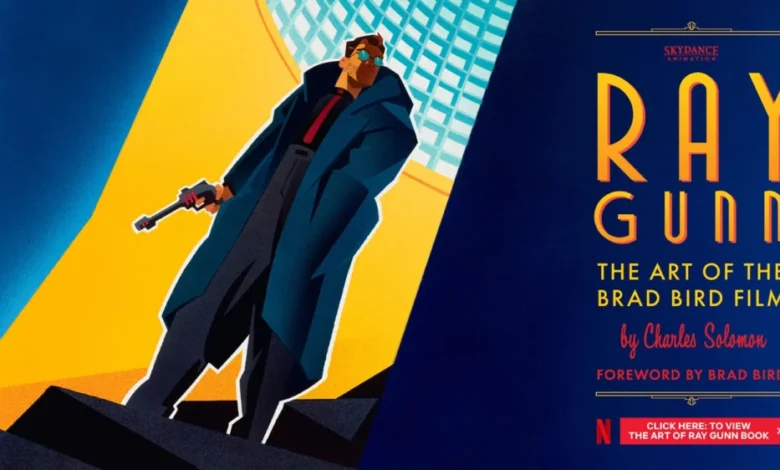
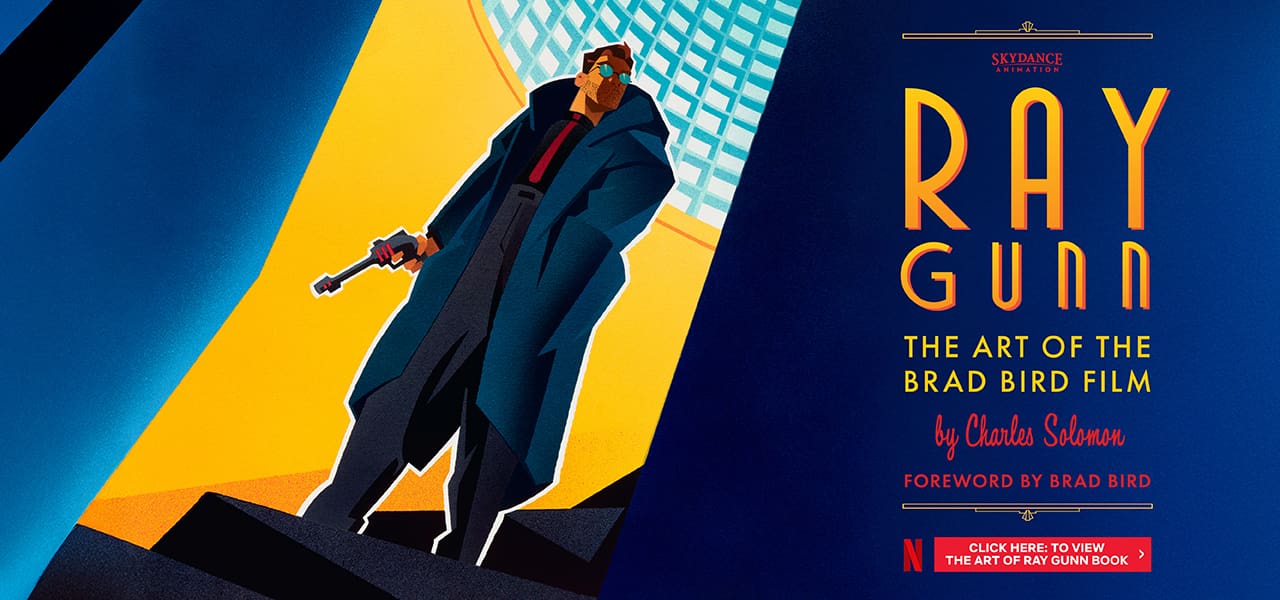
More than 30 years after director Brad Bird first conceptualized his ambitious science-fiction noir project, Ray Gunn is finally arriving in theaters and on streaming platforms this December. The film represents a landmark achievement in modern animation, serving as a testament to the persistence of auteur-driven projects in a corporate-dominated industry. As the December 18 Netflix premiere approaches, following a December 4 limited theatrical run that includes rare 70mm screenings, the discourse surrounding the film has shifted from the "lost project" narrative to a celebration of its technical and aesthetic realization. To coincide with this long-awaited debut, Abrams is releasing a comprehensive 240-page hardcover volume, titled Ray Gunn: The Art of the Brad Bird Film, authored by Charles Solomon. This exclusive digital preview, currently hosted by Cartoon Brew, provides an intimate look at the visual development of a world that has existed primarily in Bird’s imagination since the early 1990s.
A Chronology of a Passion Project
The genesis of Ray Gunn dates back to an era when the animation landscape was drastically different. When Bird initially pitched the concept, major studios were heavily invested in the Broadway-style musical resurgence sparked by Disney’s successes. Bird, however, sought to marry the gritty, atmospheric tension of 1940s detective fiction with the boundless, imaginative canvas of science fiction. He frequently described the project to early stakeholders as a collision between Buck Rogers and The Maltese Falcon—a film noir steeped in shadow and cynical wit, but possessing a kinetic, high-octane energy that defied the conventions of standard animated fare.
The path from that initial pitch to the finished production was anything but linear. Over the subsequent three decades, the project survived multiple corporate mergers, seismic shifts in animation technology—from the dominance of traditional hand-drawn cel animation to the near-total industry transition to computer-generated imagery (CGI)—and the global logistical challenges of the Covid-19 pandemic. Bird’s career trajectory during this "development hell" period saw him direct critically acclaimed classics such as The Iron Giant, The Incredibles, and Mission: Impossible – Ghost Protocol. It was during his tenure with Skydance Animation that the pieces finally fell into place. Reunited with former Pixar colleague John Lasseter, and backed by a robust distribution agreement between Skydance and Netflix, the project finally moved into active production, with the visual effects and animation heavy lifting performed by Cinesite in Montreal and Vancouver.
The Aesthetic of Metropia: Design and World-Building
Central to the appeal of Ray Gunn is the city of Metropia. The design team, led by a collective of visionary artists and overseen by Bird, aimed to create a world that felt both retro and futuristic—an interpretation of the future as seen through the lens of 1939. This specific "Art Deco-futurism" informs every aspect of the film’s visual language, from the towering, tiered skyscrapers that scrape the clouds to the minute details of the characters’ wardrobes.
Costume designer Neysa Bové, who has been instrumental in defining the film’s unique look, noted during a presentation at the Ottawa International Animation Festival that the team avoided standard sci-fi tropes. Instead, they scoured archives of period technology for inspiration. The speaker grilles of vintage radios, for instance, became the primary design reference for the fabrics and textures found in the ties and suiting of the film’s characters. This granular attention to detail serves to ground the film’s fantastical elements in a tangible, historical reality, creating an immersive experience that differentiates it from contemporary digital animation. The 240-page art book serves as an archival repository for these design choices, documenting the evolution of the city’s architecture and the character designs that define the film’s noir sensibilities.

Technical Milestones and Industry Implications
The transition of Ray Gunn from a concept to a finished feature film highlights the evolving capabilities of modern animation studios. By utilizing the technical infrastructure of Cinesite, the production was able to maintain a distinct, stylized aesthetic while utilizing the advanced lighting and rendering capabilities of modern CGI. This hybrid approach—marrying the sensibilities of classic 2D noir storytelling with the depth and fluid camera work of 3D animation—marks a significant milestone for Skydance Animation.
From a business perspective, the release of Ray Gunn is a high-stakes play for Netflix. By securing a high-profile, auteur-driven project from a director of Bird’s stature, the streaming giant continues to solidify its position as a major player in the animation industry. The decision to host limited theatrical screenings, including 70mm prints, suggests a strategy aimed at prestige and awards consideration, signaling to the industry that Netflix is interested in more than just volume—it is interested in legacy-defining content. The broader implication is that studios are increasingly willing to look toward "prestige animation," or projects that prioritize director-led vision over standardized franchise-building.
Official Perspectives and Creative Tributes
In the foreword to the newly released art book, Brad Bird reflects on the grueling, decades-long journey of the film. He frames the production not as a solitary achievement, but as a collective victory for the artists who remained committed to the vision despite the project’s repeated stalls. "This book is a tribute to the believers," Bird writes, acknowledging the U.S.-based team and the vast, dispersed crew at Cinesite that navigated the technical and logistical hurdles of recent years.
For the animation community, the release of this book and the film itself represents a rare opportunity to see the "pre-history" of a project. By exposing the early concept art, character sketches, and world-building notes alongside the final, polished frames, the publication provides a masterclass in the persistence required to bring an original property to the screen. It validates the idea that even in a landscape dominated by sequels, remakes, and intellectual property recycling, there remains a vital place for long-gestating, original narratives.
Looking Ahead: The December Release
As December 15 approaches, the release of the companion book by Charles Solomon will serve as an essential primer for audiences and critics alike. The book’s comprehensive scope—covering the thematic, technical, and artistic layers of the film—is expected to deepen the public’s understanding of the creative labor behind the scenes.
The two-tiered release strategy, beginning with the theatrical window on December 4, is intended to build momentum for the December 18 Netflix global premiere. For fans of Bird’s previous work, the film is poised to be an essential watch, not merely for its connection to his previous portfolio, but for its role as a bridge between the traditional animation styles of the late 20th century and the hyper-sophisticated digital reality of today. Whether Ray Gunn ultimately achieves the critical and commercial success of Bird’s past works remains to be seen, but its arrival in the cultural consciousness is already being viewed as a historic moment in the timeline of animation production. By the time the credits roll on the final scene, the film will have proven that a story with enough vision, and the right team of believers, can overcome the constraints of time, corporate shifting, and the ever-changing technological tide.