Understanding YouTube CPM vs RPM: How Much Creators Actually Make Per View


The question of how much YouTube creators earn per view is a complex one, fundamentally hinged on understanding two key metrics: Cost Per Mille (CPM) and Revenue Per Mille (RPM). While often used interchangeably by the uninitiated, these terms represent distinct aspects of YouTube monetization, with one reflecting advertiser expenditure and the other indicating creator earnings. A thorough grasp of CPM versus RPM is essential for anyone seeking to demystify YouTube AdSense revenue and the broader landscape of YouTube monetization.
Deconstructing the Metrics: CPM and RPM Explained
At its core, CPM stands for "cost per mille," with "mille" being the Latin word for thousand. Therefore, CPM translates to "cost per thousand." This metric signifies the amount of money advertisers are willing to pay for every 1,000 times their advertisement is displayed on YouTube videos. It’s crucial to understand that CPM represents the advertiser’s cost, not the creator’s direct income.
RPM, conversely, stands for "revenue per mille," or "revenue per thousand." This metric directly reflects the actual earnings a creator receives for every 1,000 total views their content garners, after all deductions and revenue shares have been accounted for. This includes YouTube’s platform fee, potential cuts to music rights holders, and other monetization factors.
The historical roots of these terms can be traced back to the late 19th century, when newspapers would set advertising rates based on the number of subscribers. In an era where Latin was a common part of formal education, "cost per mille" became the standard for pricing advertisements per thousand readers. This convention, though archaic in its original form, has persisted in digital advertising terminology, leading to the adoption of CPM and RPM.
Delving into YouTube CPM: The Advertiser’s Perspective
YouTube CPM provides insight into what advertisers are spending to reach audiences on the platform. The formula for calculating CPM is straightforward:
CPM = (Total Ad Cost / Total Impressions) * 1,000

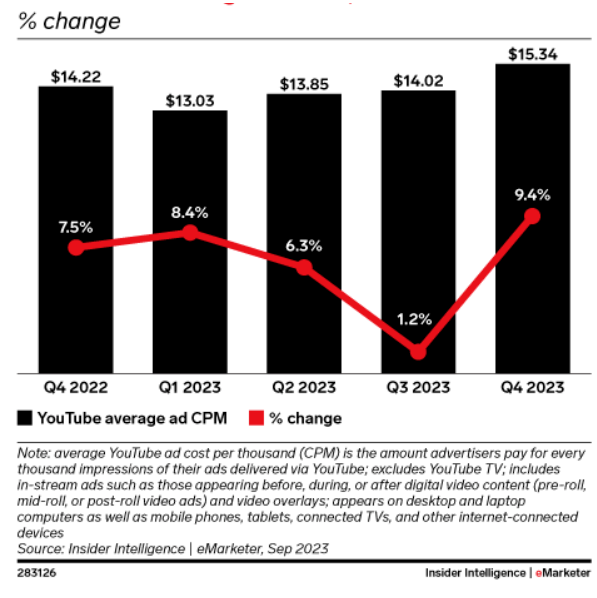
An "impression" refers to an instance where an advertisement is displayed. Therefore, CPM is essentially the cost an advertiser incurs for 1,000 ad impressions. The CPM rate on YouTube is not static; it fluctuates significantly based on a multitude of factors. These include the specific content niche of the video, the geographical location of the viewers, the time of year (with higher ad spend often observed during holiday seasons), and overall advertiser demand. For instance, a video targeting business professionals in a developed country is likely to command a higher CPM than a general entertainment video reaching a global audience with less purchasing power.
Understanding YouTube RPM: The Creator’s Bottom Line
While CPM indicates advertiser spending, RPM reveals the creator’s actual earnings. It accounts for various revenue streams beyond just ad views, including revenue from channel memberships, YouTube Premium subscriptions, Super Chats during live streams, and other monetization features. The formula for RPM is:
RPM = (Total Creator Earned Revenue / Total Views) * 1,000
The key differentiator for RPM is that it reflects the net earnings after YouTube takes its share. YouTube typically retains 45% of the ad revenue generated from a video, leaving the creator with the remaining 55%. This percentage can be further reduced if the video utilizes copyrighted music. For example, if a creator uses music from a third-party library, the rights holder may claim a significant portion, or even all, of the revenue generated by ads shown on that specific video. YouTube’s Creator Music library offers a solution, but even then, rights holders can take a substantial cut, such as 50%.
Key Distinctions: CPM vs. RPM for Creators
For YouTube creators, RPM is the more critical metric to monitor. While CPM offers context about the value advertisers place on a particular audience or niche, it does not represent the creator’s take-home pay. RPM, on the other hand, directly translates to the money that lands in the creator’s bank account. Understanding the nuances between these two metrics is vital for setting realistic income expectations and making informed decisions about content strategy.
While CPM can be a useful indicator when selecting a YouTube niche, suggesting which topics might attract higher ad bids, it’s the RPM that ultimately dictates the financial success of a video. The difference between CPM and RPM can be substantial, highlighting the impact of platform fees, copyright claims, and other revenue-sharing agreements.
Related Monetization Metrics: CPC and CPV

Beyond CPM and RPM, two other important metrics provide further clarity on YouTube’s advertising ecosystem:
-
Cost Per Click (CPC): This metric measures how much advertisers pay each time a viewer clicks on their advertisement. CPC focuses on driving direct action from potential customers, whereas CPM is primarily concerned with ad visibility. The formula is: CPC = Total Ad Cost / Total Clicks.
-
Cost Per View (CPV): CPV quantifies the cost an advertiser incurs for each view of their video advertisement. This is particularly relevant for skippable video ads, where advertisers pay when a viewer watches a certain duration of the ad or interacts with it. The formula is: CPV = Total Ad Cost / Total Views.
It is imperative for creators to understand that their AdSense earnings are primarily based on ad views, not total views. YouTube’s revenue-sharing model ensures that creators receive the majority share (55%) of the ad revenue, with the platform taking the remaining 45%. This model has seen YouTube distribute over $100 billion to creators globally in recent years, a figure that also encompasses payments to media companies, rights holders, and other stakeholders.
Factors Influencing CPM and RPM
There is no single, universal CPM or RPM rate for YouTube creators. The actual earnings per view are influenced by a dynamic interplay of several factors:
- Content Niche: Certain niches attract advertisers willing to pay higher rates. Topics like finance, technology, real estate, and business education often command higher CPMs due to the perceived value of their audience to advertisers. Conversely, entertainment, vlogging, or gaming content might have lower CPMs but can compensate through sheer volume of views.
- Audience Demographics and Location: Advertisers are particularly interested in audiences with high purchasing power and specific demographic profiles. Viewers in developed countries like the United States, Canada, the UK, and Australia generally generate higher ad revenue than viewers in regions with lower average incomes.
- Seasonality: The advertising industry experiences peak seasons, most notably the fourth quarter leading up to the holidays. During this period, advertisers often increase their budgets, leading to higher CPMs and potentially higher RPMs for creators. Conversely, slower months may see a dip in ad rates.
- Advertiser Demand and Competition: The AdSense business model operates on an auction system. Advertisers bid on keywords and ad placements, and the competition among them directly influences the cost of advertising. High demand for specific keywords or ad inventory can drive up CPMs.
- Video Length and Ad Placement: Longer videos (typically over 8 minutes) provide more opportunities for mid-roll ads, which can increase overall ad revenue. However, the effectiveness of mid-roll ads depends on viewer retention. Creators must balance the desire for more ad placements with the need to maintain viewer engagement.
- Viewer Engagement and Watch Time: Videos that keep viewers engaged for longer durations are more valuable to advertisers. High watch time indicates that viewers are actively consuming the content, making them more receptive to advertisements.
Navigating the YouTube Monetization Landscape
The AdSense business model is inherently auction-based and fluctuates dynamically. Advertisers are constantly bidding on keywords within an inventory of ad slots. The value of these keywords varies significantly, directly impacting the profitability of different YouTube content niches. This is why understanding the specific dynamics of one’s channel and audience is crucial for maximizing earnings.
Strategies to Enhance YouTube RPM
While creators cannot directly control advertiser bids, they can implement strategies to improve their RPM over time:
- Target High-Demand Keywords: Researching and utilizing relevant, high-demand keywords in video titles, descriptions, and tags can help YouTube’s algorithm connect your content with more valuable ads. Tools like TubeBuddy’s Keyword Explorer and SEO Studio can assist in identifying these lucrative search terms. It is paramount that keywords accurately reflect the video’s content to avoid misleading viewers and advertisers.
- Focus on Viewer Engagement and Watch Time: Creating compelling content that holds viewers’ attention for extended periods is key. Longer watch times not only contribute to higher ad revenue through mid-roll placements but also signal to YouTube that your content is valuable and engaging, potentially leading to better ad placements in the future. Avoid artificially inflating video length solely for ad insertion; prioritize providing genuine value to the audience.
- Optimize Content for a Desired Audience: Understanding your target audience and tailoring content to their interests can attract advertisers specifically seeking to reach that demographic. This can lead to higher-value ad placements and, consequently, an improved RPM.
- Diversify Revenue Streams: While ad revenue is a significant component of YouTube monetization, creators can further enhance their income by exploring other avenues such as channel memberships, merchandise sales, affiliate marketing, and sponsorships.
Looking Ahead: YouTube CPM and RPM Predictions for 2026
Forecasting future trends in YouTube monetization involves considering the evolving digital advertising landscape, platform policy changes, and global economic factors. While precise predictions are challenging, several trends are likely to shape CPM and RPM rates in 2026:
- Continued Growth in Video Advertising: The shift towards digital video consumption is expected to continue, driving increased advertiser investment in platforms like YouTube. This sustained demand could lead to stable or even increasing CPMs.
- AI and Machine Learning in Ad Targeting: Advancements in artificial intelligence will likely lead to more sophisticated ad targeting capabilities, allowing advertisers to reach highly specific audiences. This could result in higher CPMs for channels that cater to niche, high-value demographics.
- Focus on Brand Safety and Content Moderation: As advertisers become more concerned about brand safety, YouTube’s efforts in content moderation and advertiser-friendly guidelines will play a crucial role in attracting and retaining ad spend. Channels that adhere to these guidelines may see more consistent and higher-value ad opportunities.
- Creator Economy Expansion: The growth of the creator economy is likely to foster innovation in monetization tools and strategies. Creators may find new ways to diversify their income beyond traditional ad revenue, potentially impacting the overall revenue landscape.
- Economic Influences: Global economic conditions, inflation rates, and shifts in consumer spending habits will undoubtedly influence advertiser budgets and, consequently, CPM and RPM rates.
Frequently Asked Questions: Demystifying YouTube Earnings
What is a good CPM on YouTube in 2026?
A "good" CPM on YouTube in 2026 typically falls within the range of $8 to $20, though this is highly dependent on the creator’s niche, audience location, and the prevailing advertiser demand. Niches such as finance, technology, and business often command higher CPMs due to the strong commercial intent of their audiences. Conversely, general entertainment or lifestyle content might experience lower CPMs, necessitating a focus on volume. It’s vital to remember that CPM represents what advertisers pay, not the creator’s net earnings.
What is the average YouTube RPM for creators?
The average YouTube RPM for creators in 2026 is generally estimated to be between $2 and $8 per 1,000 views. This figure can be higher for creators with audiences in affluent regions or those whose content attracts premium advertisers. RPM provides a more accurate reflection of actual earnings because it incorporates YouTube’s revenue share and other monetization factors.
How much money do YouTubers make per 1,000 views?
Earnings per 1,000 views can vary significantly, but many creators see revenue in the low single-digit dollar range for that number of views. Channels with strong advertiser demand, extended viewer watch times, and viewers from advertiser-friendly geographic locations tend to earn more. There is no fixed payout rate, making RPM a more reliable metric for tracking income over time than focusing on individual video earnings.
Does niche affect YouTube AdSense earnings?
Absolutely. The niche of a YouTube channel plays a pivotal role in its AdSense earnings. Advertisers are willing to spend more on content categories where viewers are more likely to make a purchase or take a desired action, such as finance, education, software reviews, and health and wellness. Entertainment and general content channels often rely on achieving a high volume of views to generate substantial revenue, rather than high ad rates.
How can I increase my YouTube RPM fast?
Increasing YouTube RPM quickly involves attracting higher-value advertisements and ensuring viewers remain engaged with your content for longer durations. This can be achieved by creating content around topics that are currently in high demand, optimizing video titles and descriptions for better search visibility, and carefully targeting the right audience. Utilizing tools like Keyword Explorer can help identify valuable search terms, while SEO Studio can assist in optimizing videos to better align with both advertiser interests and viewer preferences. Ultimately, consistent creation of high-quality, engaging content remains the most sustainable path to improved monetization.
Related posts: