Slow Design and the Evolution of the Modern Studio: A Deep Dive into Pat Austin’s Portland Office

The contemporary interior design industry is frequently characterized by rapid turnarounds and the pressure to present a polished, "finished" image to the public. However, the Portland-based design firm Pat Austin is challenging this paradigm by championing a philosophy of incremental growth and intentionality. Founded by Candace Cohu and Ally Hasche, the studio has spent nearly four years transforming its headquarters in the Historic Cully Building into a living testament to the "Slow Design" movement. Rather than treating their office as a static showroom intended for immediate client consumption, Cohu and Hasche have allowed the 1,200-square-foot space to evolve in tandem with their practice, creating a workspace that functions as both a laboratory for experimentation and a sanctuary for creative thought.
The Architectural Foundation: Portland’s Historic Cully Building
The story of the Pat Austin studio begins with its location. Situated in Portland’s Central Eastside, the studio occupies a portion of the Historic Cully Building, a structure dating back to 1884. For Cohu and Hasche, the choice of location was a critical first step in defining the studio’s identity. The Central Eastside Industrial District (CEID) has long been a hub for makers, artisans, and creative professionals, but the duo found that many available spaces lacked the inherent soul required for their vision.
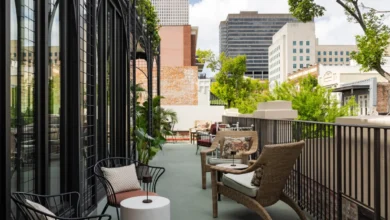
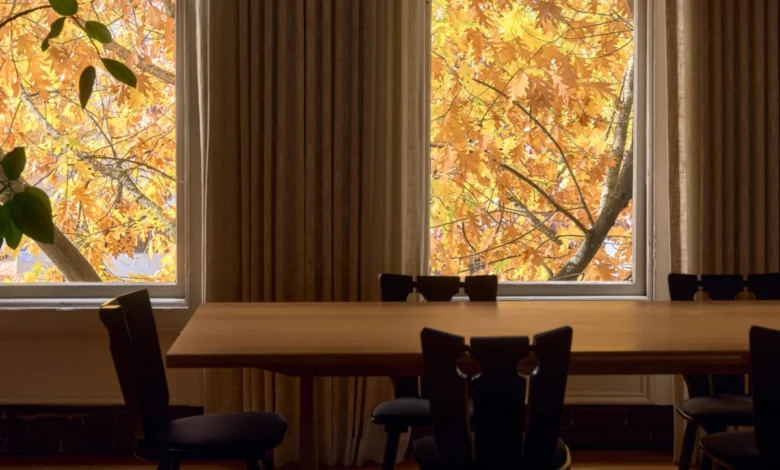
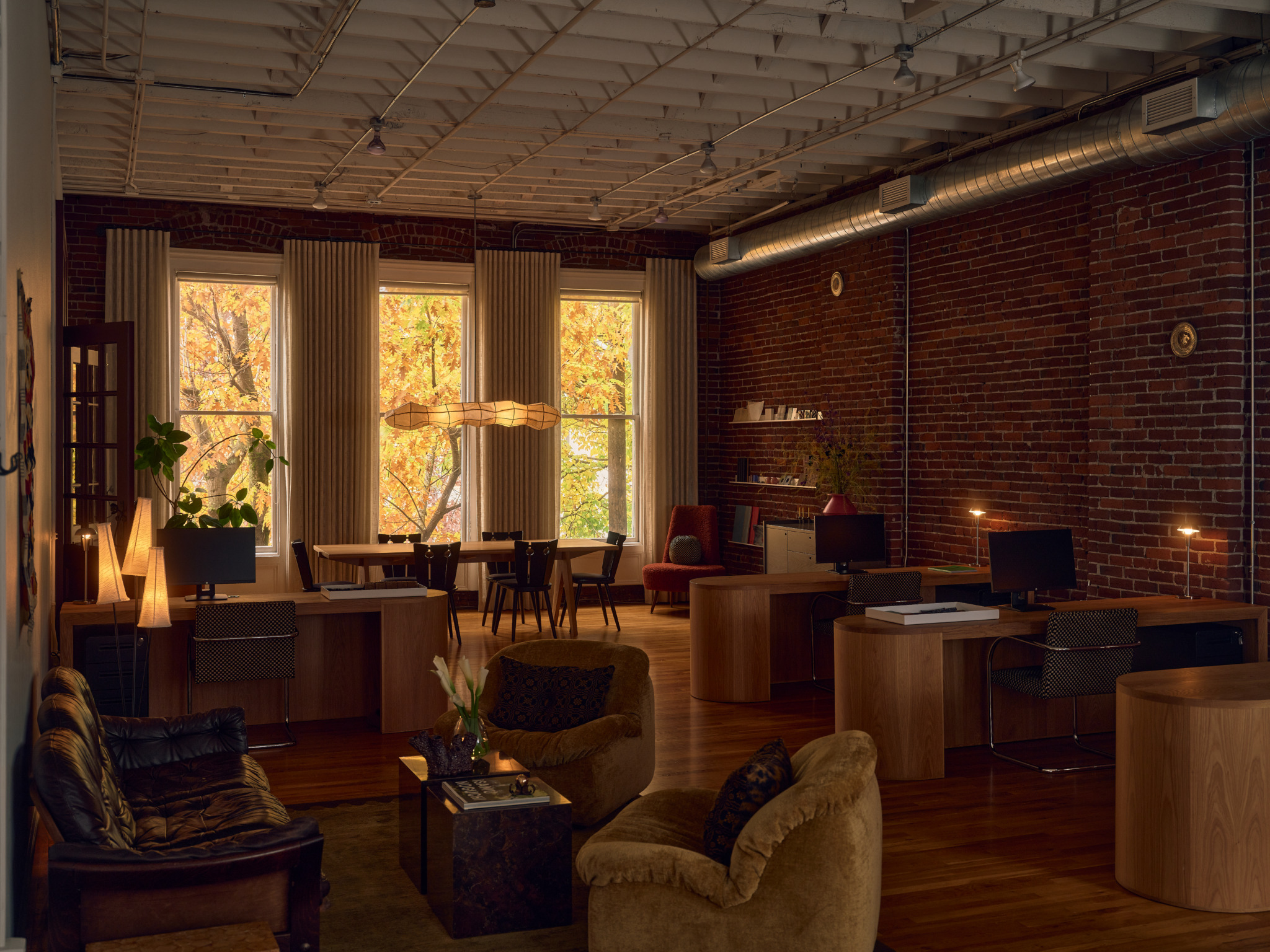
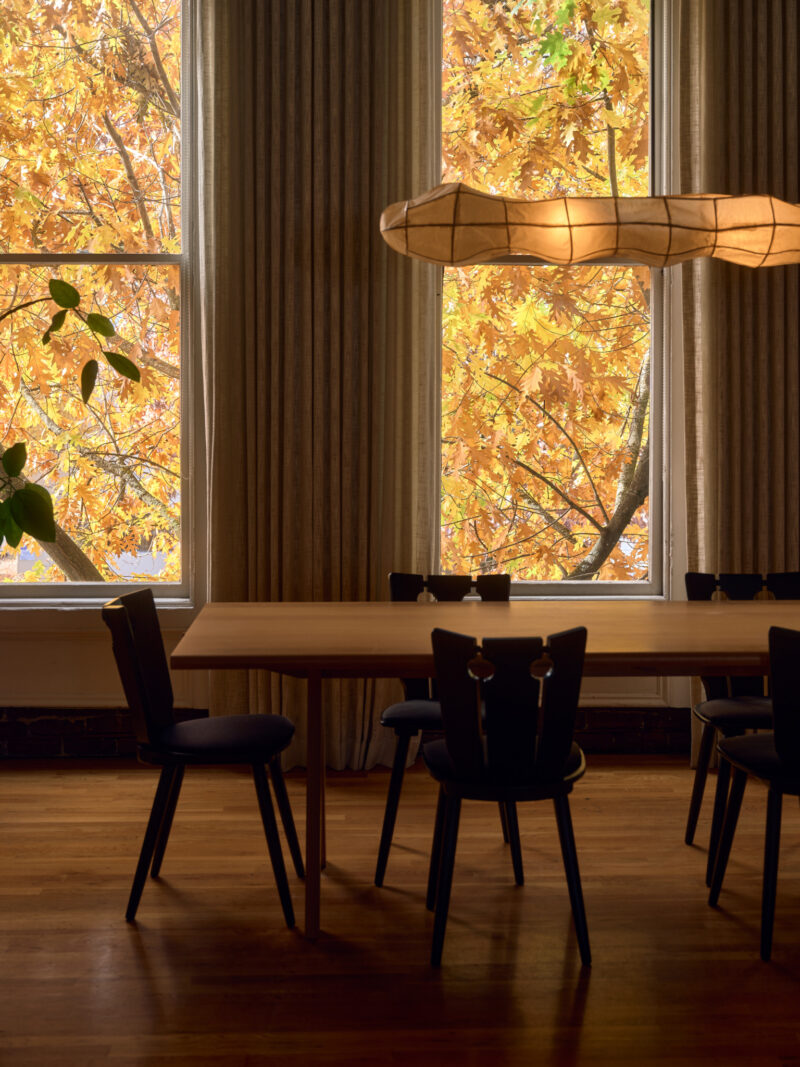
The Cully Building offered a distinct departure from the cold, expansive warehouses common in the area. With its exposed brick walls, heavy timber construction, and large windows that frame a massive oak tree outside, the space provided a sense of history and warmth. According to the founders, the architecture felt more reminiscent of the storied creative lofts of New York City or Chicago than the standard industrial offerings of the Pacific Northwest. This architectural "bone structure" served as the permanent framework for what would become a multi-year interior evolution.
A Chronology of Intentional Growth: 2022 to 2025
The development of the Pat Austin office was notably non-linear, adhering to a timeline that prioritized refinement over speed. The studio officially moved into the Cully Building in 2022, but the founders made a conscious decision not to "complete" the interiors immediately.
From 2022 to 2024, the space served as a functional baseline. The designers utilized this period to test different furniture iterations, observe how light moved through the space across the seasons, and curate a collection of vintage pieces that felt authentic to their aesthetic. This phase was characterized by a "test-and-learn" approach, where custom maple desks were integrated alongside rotating rugs and artwork.
In late 2025, the studio underwent a significant phase of refinement that solidified its current aesthetic. This update included the installation of custom upholstery and sophisticated drapery that softened the hard edges of the 19th-century timber and brick. One of the most technical additions during this period was the installation of an upholstered acoustic wall in the materials library. This addition addressed the auditory challenges of high-ceilinged historic buildings while adding a layer of tactile luxury. A sculptural pendant was also added above the conference table, serving as a focal point that bridges the gap between the building’s industrial past and the studio’s modern sensibilities.
The Slow Design Philosophy and Residential Fusion
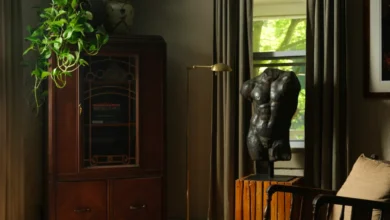
At the heart of the Pat Austin office is the concept of "Slow Design." This movement, which mirrors the Slow Food movement, emphasizes quality, local sourcing, and the idea that a space should be "grown" rather than "built." For Cohu and Hasche, this meant resisting the urge to fill every corner with new, trend-driven furniture. Instead, they opted for an eclectic mix of vintage finds and custom-designed pieces that tell a story of curation over time.
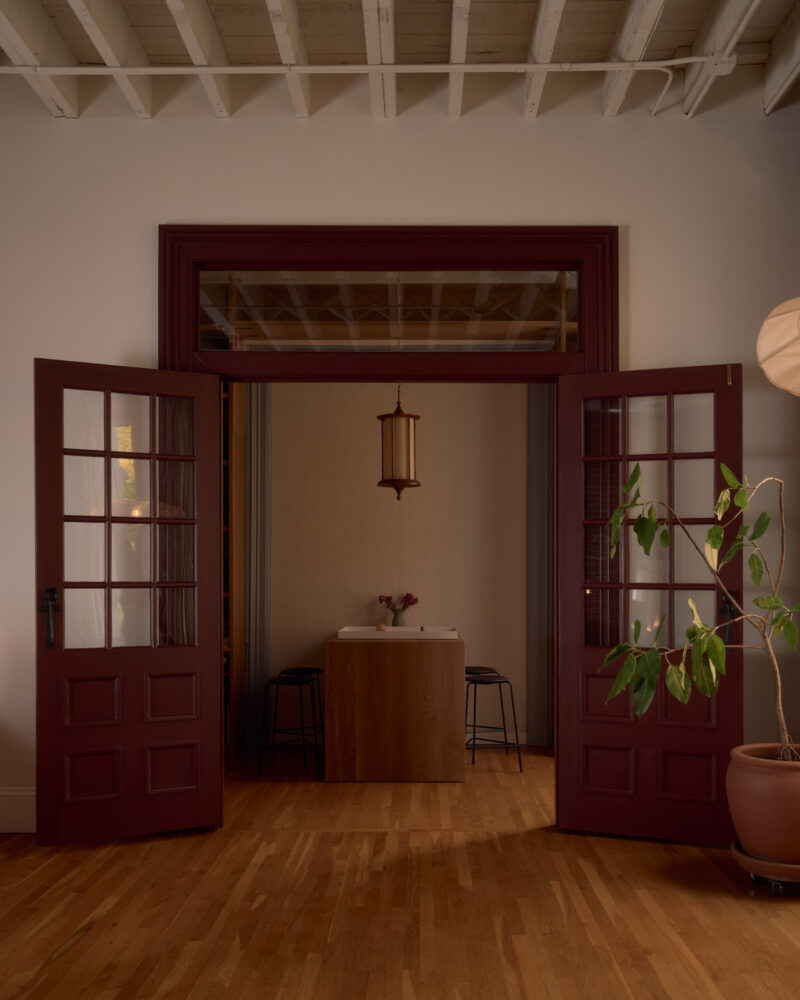
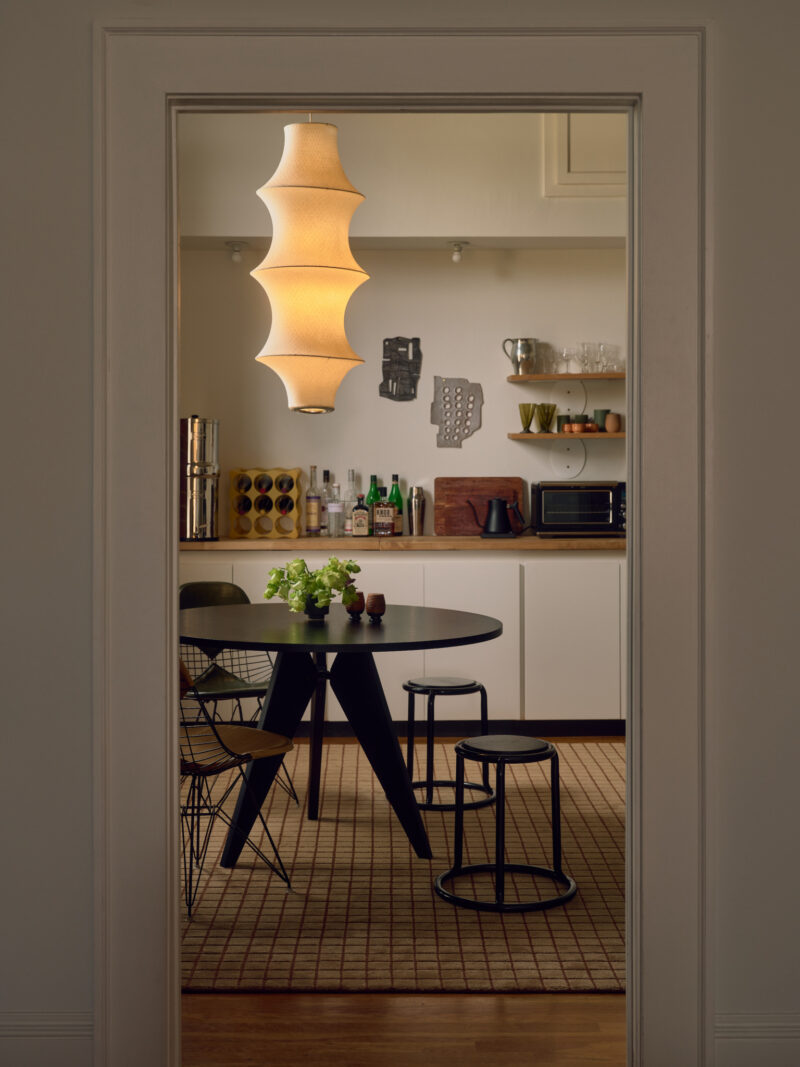
The office is structured to blur the lines between commercial and residential design. While the open workspace accommodates the rigors of a professional practice with custom maple workstations, the inclusion of a residential-style lounge and a fully equipped kitchen encourages a more relaxed, collaborative atmosphere. This fusion is a direct response to the changing nature of work in the post-pandemic era, where the boundaries between professional and personal environments have become increasingly porous. By creating a space that feels "home-like," the designers argue that they can foster deeper creativity and more informal, fruitful conversations with clients and collaborators.
Materiality and Aesthetic Cohesion
The aesthetic of the Pat Austin studio is defined by a sophisticated palette of earth tones and natural materials. The white walls act as a gallery-like backdrop, allowing the textures of wood, stone, and woven fibers to take center stage. This neutral foundation is essential for a working design studio, as it prevents the environment from clashing with the various material boards and color palettes being developed for clients.
The use of custom maple for the studio’s desks and tables provides a warm, light-reflective surface that complements the darker tones of the historic timber beams. Stone elements and vintage furniture pieces add weight and history to the space, ensuring that the office feels grounded. The designers have noted that their appreciation for eclecticism allows the space to feel fluid; it can shift as new pieces are acquired or as the studio’s focus evolves, without losing its core identity.
Patty Studios: The Symbiosis of Product and Place
The office also serves as the headquarters for Patty, a bespoke rug collection launched by Cohu and Hasche in collaboration with Studio Director Max Pluenneke. The development of Patty highlights the symbiotic relationship between the firm’s interior design practice and its product design arm.
Inspired by the founders’ travels through the South of France, the Patty collection emphasizes craftsmanship and the use of natural materials—values that are also reflected in the office’s design. The studio acts as a living laboratory for these rugs, where they are tested for durability, visual impact, and tactile quality within a real-world setting. The designers have noted that their deep understanding of how people interact with interior spaces informs the dimensions, textures, and palettes of the rugs they create. Conversely, the process of designing rugs has opened up new avenues of thinking regarding color theory and textile application within their broader interior projects.
Industry Implications: The Studio as a Process-Driven Space
The approach taken by Pat Austin reflects a broader trend within the global design community toward "process-driven" spaces. In an era of digital perfection and AI-generated renderings, there is an increasing value placed on the physical, the tactile, and the imperfect. By allowing their office to remain in a state of perpetual evolution, Cohu and Hasche are signaling to their clients that design is not a one-time transaction, but a long-term relationship with one’s environment.
This strategy also has practical business implications. A studio that evolves over time allows for better capital management, as investments in high-quality pieces can be spread out. Furthermore, it serves as a powerful marketing tool; clients who visit the studio see a space that is lived-in and thoughtfully curated, which builds trust in the designers’ ability to create similar depth in residential projects.
Conclusion: The Future of Pat Austin
As the Pat Austin studio enters its fourth year in the Historic Cully Building, the space remains a work in progress—by design. The founders remain committed to the idea that the best interiors are those that are allowed to breathe and change. The 2025 updates were not a final chapter but rather a milestone in a continuing journey of experimentation.
In a world that often demands immediate results, the Pat Austin office stands as a quiet but firm rebuttal. It proves that by taking the time to test ideas, collect meaningful objects, and respond to the unique character of a historic building, designers can create workspaces that are not just productive, but truly artful. The evolution of the Portland office mirrors the growth of the practice itself: steady, intentional, and deeply rooted in a commitment to warmth and character. Through their embrace of the "slow" process, Candace Cohu and Ally Hasche have created more than just an office; they have created a manifesto for the future of interior design.