Mastering the Art of Black and White Photography: Strategic Background Choices for Timeless Imagery


Black and white photography possesses an enduring allure, capable of transforming ordinary scenes into instant classics while simultaneously evoking a profound sense of nostalgia. By stripping away the vibrancy of color, a new narrative emerges, offering a fresh perspective that invites viewers to engage with the subject matter as if encountering it for the first time. This powerful medium, however, demands meticulous attention to detail, extending far beyond a simple grayscale conversion. The success of a compelling monochrome image hinges on intentionality, with every element, from styling and mood to the foundational background, carefully considered and executed. Often relegated to an ancillary role, the background in a black and white photograph deserves significant consideration. It acts as the silent narrator, either harmonizing with the subject to create a cohesive and impactful image or inadvertently undermining the intended mood and message. This article delves into three critical considerations for photographers when selecting and utilizing backgrounds in their black and white work, aiming to elevate their creations from mere conversions to deliberate artistic statements.
The Power of Monochrome: A Historical Perspective
The evolution of photography has seen black and white serve as its foundational language. From the early daguerreotypes of the 19th century to the iconic works of Ansel Adams and Henri Cartier-Bresson in the 20th century, monochrome has consistently provided a timeless and artistic means of expression. This medium predates widespread color photography, meaning much of our visual history is preserved in shades of gray. This historical context contributes to the inherent nostalgia associated with black and white imagery. Furthermore, the absence of color forces a deeper appreciation for form, texture, light, and shadow – the fundamental building blocks of photographic composition. In a world saturated with digital color, the deliberate choice to embrace black and white can be a powerful artistic statement, offering a respite and a different way of seeing. The technical advancements in digital sensors and post-processing software have made achieving high-quality black and white images more accessible than ever, yet the core principles of thoughtful composition and intentionality remain paramount. Understanding these principles, particularly concerning the background, is crucial for any photographer seeking to harness the full potential of this classic medium.
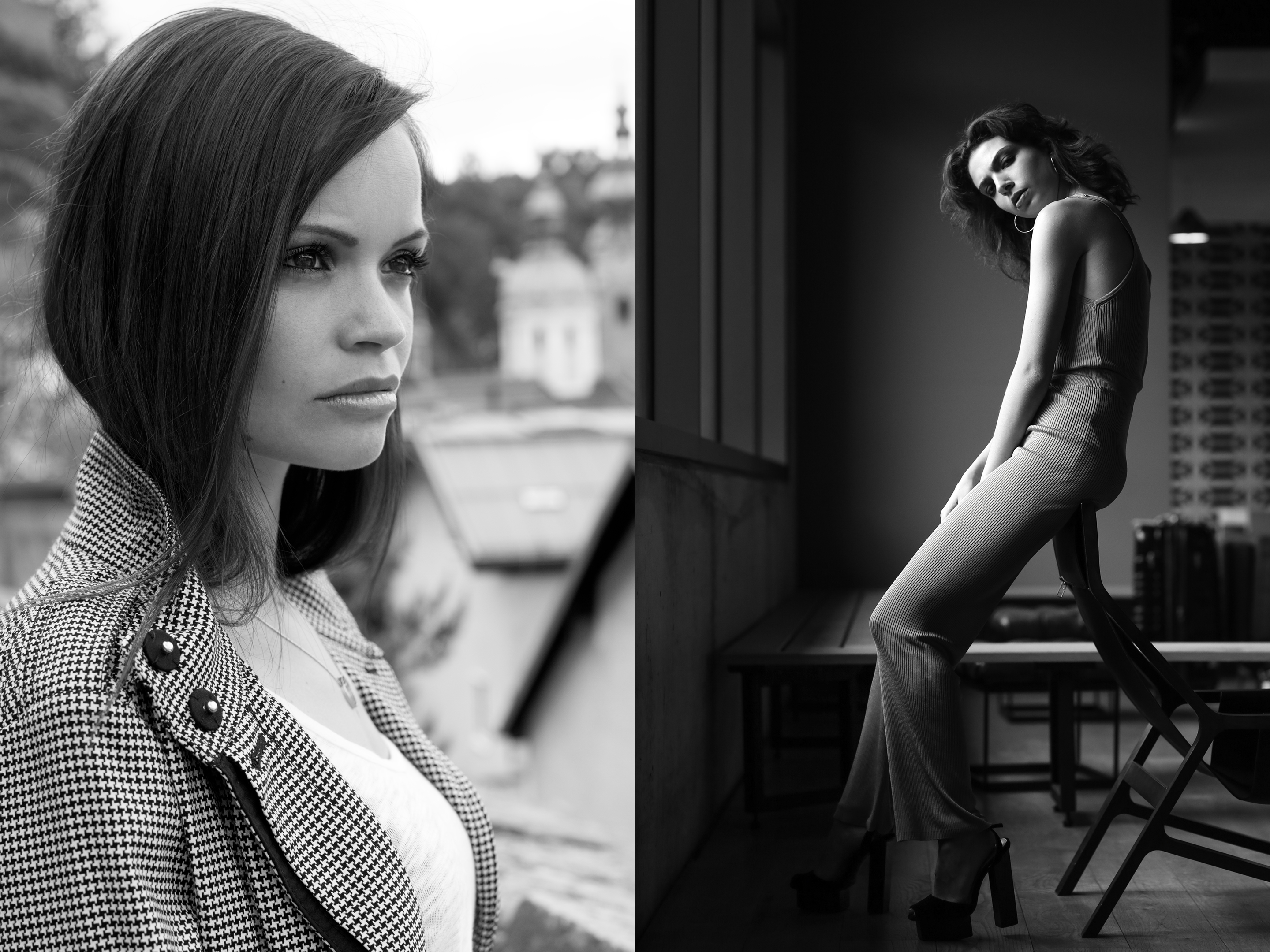
Tip 1: Studio Versus Location – Defining the Narrative Canvas
The initial decision point for a black and white photograph’s background often lies in choosing between the controlled environment of a studio or the dynamic unpredictability of an on-location shoot. This choice is intrinsically linked to the intended focus and narrative of the photograph.
Studio as a Controlled Environment: Studio settings are frequently favored for monochrome images within the fashion and beauty genres. In these scenarios, the primary objective is often to place the spotlight squarely on the subject’s styling, makeup, and inherent form. The controlled lighting and lack of external distractions in a studio allow for a precise manipulation of light and shadow, emphasizing textures and contours without the interference of environmental elements. A seamless backdrop, whether a solid color or a subtly textured paper, can serve to isolate the subject, ensuring that every detail of their presentation is the sole focus of the viewer’s attention. This approach allows for a minimalist aesthetic that can be incredibly powerful, relying on the subject’s presence and the photographer’s lighting technique to convey emotion and narrative. Historically, studio portraiture in black and white was the standard for formal portraits, lending an air of gravitas and timelessness that continues to resonate today.
Location as a Narrative Extension: Conversely, location shoots are typically reserved for environmental portraits or when the model, styling, and setting are intended to coalesce into a specific, overarching narrative. The background in these instances is not merely a passive element but an active participant in storytelling. Whether the chosen locale is a bustling urban street, a serene natural landscape, a vintage car interior, or a historically significant building, the environment itself contributes to the visual language of the image. It can evoke a sense of place, time, or atmosphere that complements and enhances the subject’s portrayal. For instance, a fashion editorial set in a derelict industrial space might communicate a sense of rebellion or raw edginess, while a portrait against a backdrop of rolling hills could suggest freedom and tranquility.

The crucial consideration for on-location shoots is ensuring that the chosen background aligns harmoniously with the styling and the narrative. A background that is too visually "busy" or distracting can detract from the subject, diluting the intended mood and message. The photographer must carefully assess how the elements of the location – its textures, lines, and inherent character – will translate into grayscale and how they will interact with the subject. The goal is for the background to enhance, not overwhelm, the central theme, acting as a complementary element that enriches the overall visual story. The early days of photojournalism, for example, heavily relied on location shoots, with the background providing essential context and a sense of immediacy to the captured moments. This practice underscores the narrative power of environmental backdrops.
Supporting Data and Analysis: Research in visual perception indicates that backgrounds significantly influence how viewers interpret a subject. In black and white, the absence of color cues can amplify the importance of compositional elements like lines, shapes, and tonal contrast. A study published in the Journal of Vision found that varying background complexity can alter perceived depth and focus. For black and white photography, this means a cluttered background, even in monochrome, can lead to a loss of visual hierarchy, making it difficult for the viewer to discern the primary subject. Conversely, a well-chosen background can guide the eye, add depth, and reinforce the intended emotional resonance of the image. The implication for photographers is clear: the background is not an afterthought but a strategic choice that directly impacts the image’s communicative power and aesthetic success.
Tip 2: Understanding Mood and Tonality – Sculpting Emotion with Light and Shadow
The atmospheric quality of a black and white photograph is heavily influenced by its tonal range and the mood it seeks to convey. When selecting a background, photographers must consider how its luminance and textural qualities will contribute to the overall emotional impact of the image. This involves an understanding of high-key, low-key, and midtone compositions.

High-Key and Low-Key Aesthetics: High-key photography is characterized by a preponderance of light tones, often with minimal shadows and a bright, airy feel. A lighter background is instrumental in achieving this effect, creating a sense of softness, serenity, and optimism. Such backgrounds can be achieved through ample studio lighting, selecting bright, naturally lit environments, or by post-processing techniques that lift the shadows and highlights. This aesthetic is often employed in portraiture to present subjects in a flattering and gentle light, or in product photography to highlight delicate items.
In contrast, low-key photography employs a dominance of dark tones, with deep shadows and a more dramatic, intense atmosphere. Darker backgrounds are essential for establishing this mood, lending a sense of mystery, seriousness, or even foreboding. This can be achieved through directional lighting that creates strong shadows, or by shooting in environments that are inherently darker, such as dimly lit interiors or at twilight. The use of a dark background in black and white can intensify the perceived volume and form of the subject, making them appear more substantial and impactful. Historically, film noir cinema masterfully utilized low-key lighting and dark backgrounds to create suspense and psychological tension, a technique that continues to influence visual storytelling.
The Versatility of Midtones: A background composed primarily of midtones offers a highly versatile and balanced approach. This tonal range, falling between pure black and pure white, provides a sense of neutrality and depth without leaning towards extreme brightness or darkness. Midtone backgrounds are particularly advantageous when shooting on location, as they can adapt to a wider range of lighting conditions and still maintain visual coherence. They allow for a more nuanced interplay of light and shadow on the subject, offering a safe and effective choice, especially for photographers who are still developing their understanding of tonal control. Midtone backgrounds can support a variety of moods, from contemplative to subtly dramatic, making them a reliable option for diverse photographic projects.
Timeline and Evolution of Tonal Control: The mastery of tonal control in black and white photography evolved significantly with advancements in film sensitivity, developing processes, and printing techniques. Early photographic materials had a limited dynamic range, making precise tonal rendering a challenge. The Zone System, developed by Ansel Adams and Fred Archer in the mid-20th century, provided photographers with a systematic method for controlling exposure and development to achieve a full spectrum of tones, from the deepest blacks to the brightest whites. This system revolutionized the way photographers approached tonal control, emphasizing the deliberate planning of light and shadow to achieve specific moods and visual effects. The principles of the Zone System remain relevant in digital photography, guiding photographers in their understanding and manipulation of tonality, which is intrinsically linked to background choices.

Statements and Reactions (Inferred): While direct statements from photographers on background choices are not provided in the source material, it can be inferred that experienced professionals consistently prioritize this element. A hypothetical statement from a seasoned portrait photographer might read: "For me, the background in a black and white portrait is never an accident. It’s a deliberate choice that either amplifies the subject’s essence or distracts from it. I’m always thinking about how the tones and textures of the setting will harmonize with the model’s expression and the overall feeling I want to evoke. Sometimes a simple, dark wall is all you need; other times, a complex environment can add layers of meaning." This sentiment reflects the professional understanding of the background’s crucial role.
Tip 3: Finding the Contrast – Enhancing Drama or Softening the Narrative
The relationship between the subject and the black and white background, specifically their level of contrast, is a critical factor in shaping the overall mood and impact of an image. This interplay is influenced by the desired aesthetic, the lighting conditions, and the overarching narrative.
High Contrast for Dramatic Impact: A significant difference in luminance between the subject and the background, known as high contrast, tends to amplify the mood and introduce a sense of drama. This can be achieved through strong, directional lighting that casts distinct shadows on both the subject and the background, or by positioning a brightly lit subject against a dark background, or vice versa. High contrast draws immediate attention to the subject, making them pop from the frame and creating a bold, graphic quality. This approach is often favored for creating powerful, impactful portraits, highlighting the sculptural qualities of forms, or for emphasizing a sense of tension or intensity. The iconic imagery of classic Hollywood films often employed high-contrast lighting and backdrops to enhance the dramatic performances and create a visually striking aesthetic.

Low Contrast and Tonality for Storytelling: Conversely, a more subtle difference in luminance between the subject and the background, characterized by less contrast and a greater emphasis on tonality, can be beneficial when the background plays an integral role in the narrative. In such cases, the background is not intended to be a stark separation but rather a harmonious extension of the scene, providing context and depth without overpowering the subject. This approach allows for a softer, more nuanced visual experience, where the viewer’s eye can move more freely between the subject and their surroundings. This is particularly effective for environmental portraits where the setting is crucial to understanding the subject’s life or story, or for capturing atmospheric scenes where the overall mood is paramount. The use of a wider range of midtones helps to create a sense of depth and complexity within the image, fostering a more immersive viewing experience.
Lighting and Styling Synergy: The type of lighting employed – whether natural or artificial – is a key determinant in achieving the desired contrast. Natural light, with its inherent diffusion and variations, can create softer transitions and more subtle tonal gradations. Artificial lighting, on the other hand, offers greater control and the ability to sculpt light precisely, allowing for the creation of sharp contrasts and defined shadows. The overall styling of the subject also plays a crucial role. The textures, colors (which will translate to tones in black and white), and patterns of the subject’s attire and any props must be considered in relation to the background to ensure a cohesive and intentional visual dialogue.
Broader Impact and Implications: The strategic use of backgrounds in black and white photography has far-reaching implications for how images are perceived and remembered. In an era dominated by ephemeral digital content, timeless black and white imagery, carefully crafted with attention to background elements, can offer a lasting impact. It can elevate a photograph from a mere snapshot to a work of art, capable of evoking deep emotional responses and sparking thoughtful reflection. The ability to manipulate contrast and tonality allows photographers to imbue their images with a distinct voice and a unique perspective. This mastery of the monochrome palette, informed by a keen understanding of background selection, is a testament to the enduring power of visual storytelling. Furthermore, as artificial intelligence continues to advance in image generation and editing, the fundamental artistic principles of composition, lighting, and intentional background selection in black and white photography will remain a critical differentiator for human creativity and artistic vision. The ability to imbue an image with genuine mood and narrative through these foundational elements is a skill that transcends technological trends.