Mastering the Art of Autumn Foliage Photography: A Comprehensive Guide to Seasonal Imagery

The arrival of autumn signals a dramatic shift in the landscape, a meteorological and botanical phenomenon that has become one of the most significant events for the photography industry in North America. As temperatures drop and daylight hours shorten, deciduous trees undergo a physiological transition, ceasing chlorophyll production and revealing the vibrant carotenoids and anthocyanins that produce the signature red, orange, and yellow hues of the season. For both amateur hobbyists and professional photographers, this transition period represents a brief, high-demand window for capturing the natural world, fueling a substantial surge in tourism and localized economic activity across regions like New England, the Great Lakes, and the Pacific Northwest.
The Science and Timing of Peak Foliage
The timing of peak foliage is dictated by complex variables, primarily ambient temperature, moisture levels, and the photoperiod—the length of daylight. According to botanical data from the U.S. Forest Service, the progression of color change generally follows a north-to-south and high-elevation-to-low-elevation trajectory. In northern latitudes, such as Maine or Vermont, the process can begin as early as mid-September, whereas in the temperate climates of the West Coast or the southern Appalachian Mountains, the "peak" may not occur until late October or early November.

Predictive modeling for foliage has become a precise science. Organizations like Explore Fall and various state forestry departments now utilize satellite imagery and historical weather data to provide color-change forecasts. Photographers must align their travel schedules with these dynamic maps, as the peak duration for any single location is often limited to a 7-to-10-day window. Unseasonable weather events, such as early frost or heavy windstorms, can truncate this window significantly, often leading to "leaf drop" before the colors reach their full saturation.
Strategic Planning and Compositional Theory
Effective autumn photography requires moving beyond the traditional, singular tree portrait. Professional photographic standards emphasize the importance of environmental storytelling. This involves integrating the foliage into the broader context of the season. Photographers are encouraged to scout locations for elements that provide scale and texture, such as riparian zones where reflections in water double the impact of the color, or architectural elements that provide a sharp contrast to the organic chaos of the forest floor.
The "essence of fall" can be captured through macro photography—focusing on the intricate vein patterns of a single leaf—or through wide-angle landscape shots that capture the undulating topography of a mountainside. Perspective is critical; ground-level shots can lead the viewer’s eye along a leaf-strewn path, while elevated vantage points offer a panoramic view of the forest canopy. The use of a tripod is strongly recommended for those aiming to capture sharp, high-resolution imagery, particularly when utilizing lower ISO settings or exposure bracketing to manage high-dynamic-range scenes.

Technical Parameters and Lighting Dynamics
The quality of light during the autumn months is fundamentally different from the harsh, high-angle sun of mid-summer. As the sun sits lower on the horizon, the "golden hour"—occurring shortly after sunrise and shortly before sunset—provides a soft, warm light that complements the existing yellow and orange pigments in the foliage.
From a technical standpoint, managing the camera settings during this period requires an understanding of color balance. Many digital cameras default to an "Auto White Balance" setting, which may inadvertently neutralize the natural warmth of an autumn scene. Professional photographers often manually adjust their white balance to "Cloudy" or "Shade" settings to preserve and enhance the golden tones. Furthermore, slight underexposure is frequently employed to prevent the overexposure of bright yellows and reds, which can lose detail in the highlights. When shooting in RAW format, these adjustments can be fine-tuned during post-processing, providing the photographer with greater latitude in saturation and contrast adjustments.
Advanced Lighting Techniques: The C.A.M.P. Framework
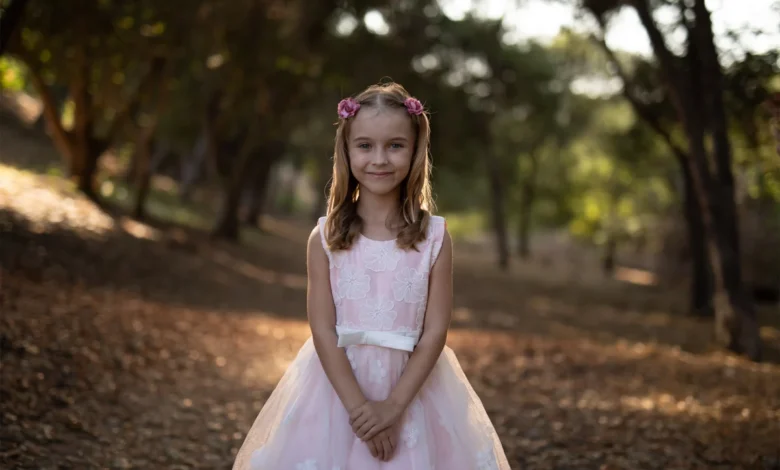
In professional portraiture set against a fall backdrop, lighting often requires a hybrid approach. The C.A.M.P. framework—Composition, Ambient Light, Modify Light, and Pose—offers a structured methodology for managing complex outdoor scenes.

When photographing subjects in a forest, the ambient light can be uneven, creating distracting highlights and shadows. To mitigate this, photographers often set a wide aperture (such as f/1.4) to compress the depth of field, effectively blurring the busy background and focusing attention on the subject. To further isolate the subject, external lighting—such as a portable strobe or flash—is used as a backlight or edge light. By positioning a light source behind the subject and using a Color Temperature Orange (CTO) gel, photographers can mimic the natural warmth of the sun, creating a "halo" effect that separates the subject from the foliage. This requires the use of high-speed sync (HSS) to balance the artificial light with the ambient environment.
Economic and Environmental Implications
The rise in "leaf-peeping" tourism has profound economic implications for rural communities. Small towns that rely on seasonal revenue often see significant influxes of visitors during the autumn months. Local businesses, from hospitality to guided tour operators, have adapted their marketing strategies to capitalize on the aesthetic appeal of the season.
However, this surge in traffic brings environmental challenges. Land managers and park rangers frequently report issues related to soil compaction, trail erosion, and the disruption of local ecosystems. The photographic community has increasingly adopted the "Leave No Trace" ethos, which advocates for staying on marked trails, respecting private property, and minimizing the physical impact on the environment. Photographers are urged to consider their footprint, as the repeated trampling of vegetation to achieve a specific angle can lead to long-term degradation of the very scenery they aim to capture.

Analytical Perspectives on Modern Imagery
The proliferation of digital photography and social media has fundamentally changed how autumn is documented. While professional photography continues to emphasize technical precision, there is a growing trend toward "authentic" documentation. The inclusion of human elements—people engaged in seasonal activities like apple picking or traversing hiking trails—adds a layer of relatability to the landscape.
Furthermore, the integration of composite imagery has become a standard practice in high-end commercial work. By capturing multiple frames of falling leaves or varying lighting conditions and merging them in post-production, photographers can create a "perfected" version of a fleeting moment. This practice highlights the intersection of traditional artistic vision and modern computational photography.
Conclusion
The documentation of the autumn season is a confluence of timing, technical proficiency, and environmental awareness. As the window for peak color remains subject to the whims of climate and seasonal shift, the ability to predict, adapt, and creatively frame the environment remains the hallmark of a skilled photographer. Whether capturing a quiet, misty woodland or a complex, strobe-lit portrait, the objective remains the same: to distill the fleeting, ephemeral nature of the season into a lasting visual record. By adhering to sound technical principles and maintaining a respectful relationship with the landscape, photographers can ensure that the beauty of the autumn transition remains a sustainable subject for generations to come.