The Genesis of Girl Power: How the Spice Girls Conquered the Global Charts and Redefined 1990s Pop Music

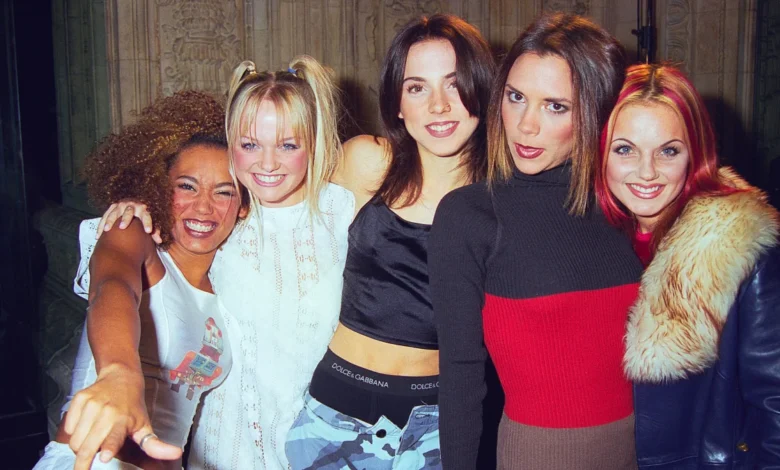
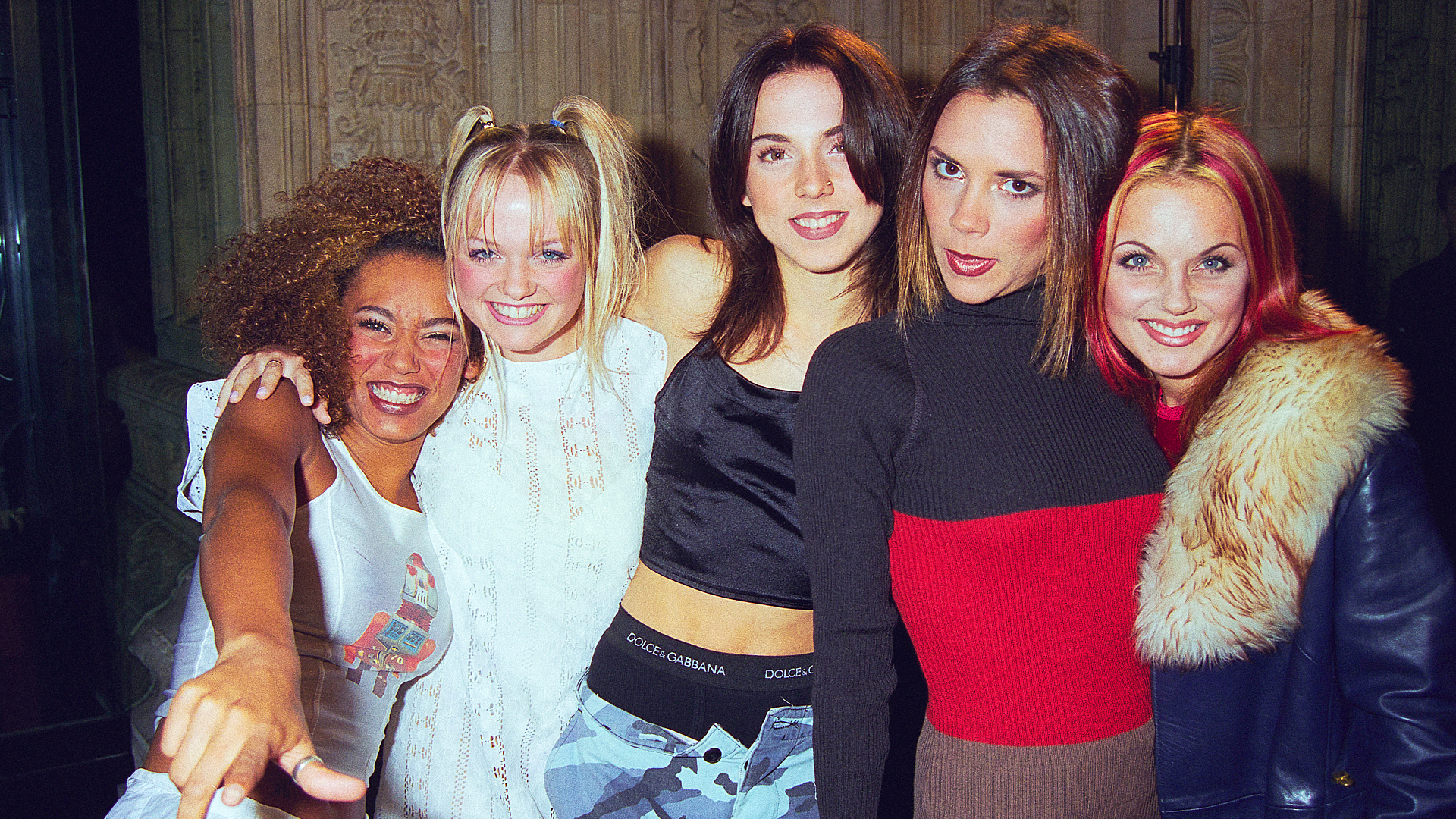
As the mid-1990s wave of Britpop began to lose its commercial and cultural momentum, a new, vibrant, and fiercely independent force emerged to dominate international chart music. From 1996 onward, the Spice Girls—comprising Sporty, Posh, Ginger, Scary, and Baby Spice—reenergized the global pop landscape with an infectious brand of joyful, life-affirming energy. Yet, what many casual observers perceived as a meticulously calculated commercial phenomenon was, in reality, a hard-fought triumph driven by creative autonomy, strategic defiance, and an unbreakable sisterhood. Without a series of resolute and often risky decisions made by the five members themselves, the group could easily have dissolved into obscurity alongside countless underperforming pop acts of the era.
The Origins: From Heart Management to a Maidenhead Commune
The assembly of the group initially began as a traditional talent search orchestrated by the father-and-son management duo Bob and Chris Herbert through their company, Heart Management. Operating in an industry heavily saturated by successful boy bands such as Take That and Boyzone, Chris Herbert recognized a distinct gap in the market. He theorized that a dynamic, well-packaged girl group could capture a broader demographic by appealing equally to male and female listeners, effectively doubling their market potential.
Rather than aiming for uniform presentation, the Herberts sought to curate a diverse ensemble of distinct personalities capable of appealing to varied segments of the consumer base. Following auditions that drew upwards of 400 hopefuls, the initial lineup was cemented with Geri Halliwell, Victoria Adams, Melanie Brown, and Melanie Chisholm, alongside initial member Michelle Stephenson, who was later replaced by Emma Bunton.
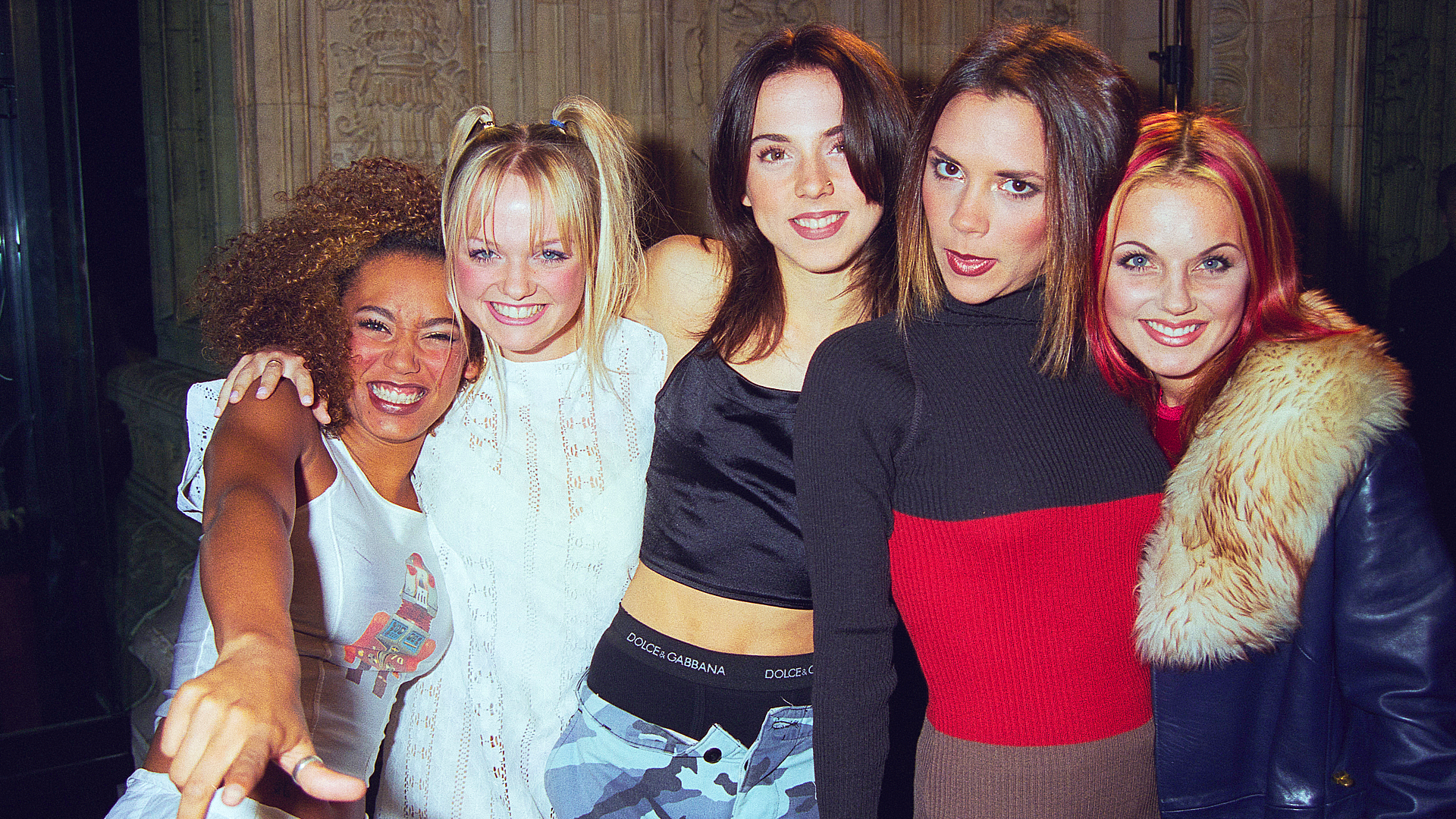
Initially performing under the moniker Touch before briefly rebranding as Spice and finally settling on the Spice Girls, the quintet took up residence together in a three-bedroom house in Maidenhead, just outside London. This domestic arrangement proved pivotal. Living in close quarters, the members spent their days rehearsing pre-prepared vocal tracks and tightening intricate dance routines. More importantly, the shared living space forged an authentic and enduring bond. Geri Halliwell, the eldest at 22, assumed a natural leadership role, while the dynamic among the remaining members blended youthful exuberance, fierce camaraderie, and shared artistic ambition. Recognizing that their collective chemistry transcended a mere corporate marketing strategy, the group soon began to assert creative control, demanding that their management align with their collective vision.
The Turning Point: The Nomis Studios Showcase and the Birth of Wannabe
Growing impatient with the pace of their development, the girls pressured Heart Management to organize an industry showcase in December 1994 at Nomis Studios in Shepherd’s Bush, London. This pivotal event was designed to attract record label executives and potential songwriters.
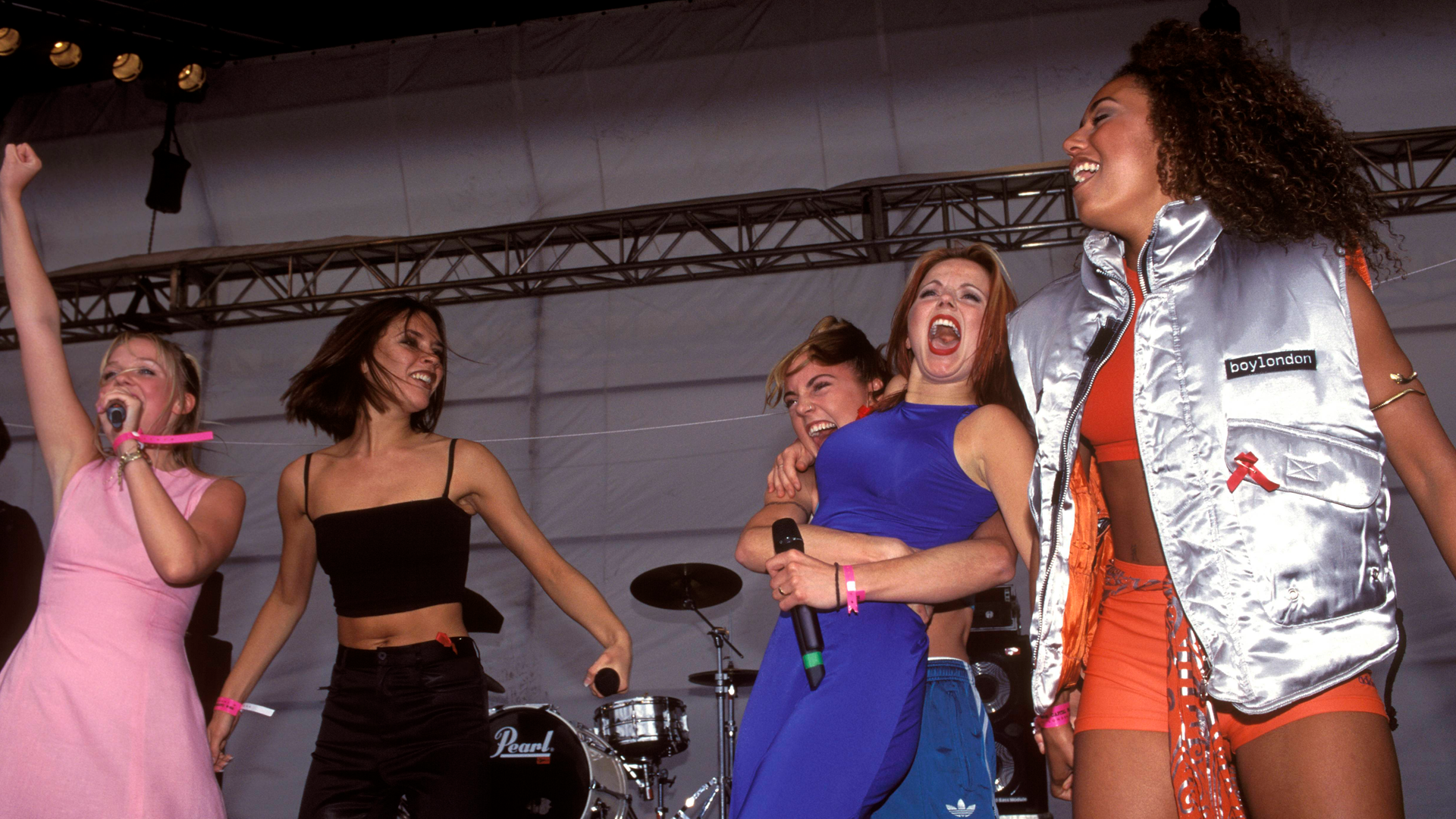
By sheer coincidence, songwriter and producer Richard "Biff" Stannard—fresh off his success co-writing the track Steam for East 17—was at Nomis for a scheduled meeting with pop singer Jason Donovan. Intrigued by the chaotic, high-energy presence of Melanie Brown (Scary Spice), Stannard was drawn into the group’s orbit. Following an impromptu three-song performance delivered exclusively for him, Stannard was captivated. He promptly enlisted his songwriting partner, Matt Rowe, inviting the group to London’s Strongroom studios to record fresh material.
Initial recording sessions yielded an R&B-leaning track titled Feed Your Love, which the members ultimately deemed too mature for a debut single. Recognizing the group’s unashamed confidence and formidable unity, Stannard and Rowe resolved to write a track that captured the essence of their collective strength.

Working in Stannard and Rowe’s studio, the musical foundation of Wannabe was constructed using a staccato piano riff layered over a 110bpm drum loop programmed on an Akai MPC3000 sampler. Given complete creative freedom with the lyrics and vocal melodies, the group utilized a collaborative cut-and-paste method. Rather than adhering to a traditional verse-chorus structure, the members contributed individual chants, raps, and vocal hooks. Remarkably, the lyrics to Wannabe were written in less than 30 minutes.
The resulting track opened with the instantly recognizable and assertive hook, "I’ll tell you what I want, what I really, really want," establishing a tone of unyielding female agency. Lyrically, the song prioritized platonic loyalty over romantic validation, declaring that a prospective romantic partner must embrace the protagonist’s friends. This straightforward, relatable message resonated deeply with younger demographics, particularly pre-teenage audiences who valued peer relationships. Furthermore, the track served as an early manifesto for "Girl Power," a feminist slogan that would come to define the group’s cultural footprint.

Executive Skepticism and the Road to Masterpiece Mixing
As industry buzz intensified, the group made the decisive move to sever ties with Heart Management, signing instead with manager Simon Fuller and securing a five-album recording contract with Virgin Records in July 1995. Despite this major milestone, Virgin executives expressed profound skepticism regarding the group’s insistence that Wannabe serve as their lead single. Executives feared the track’s unconventional structure was too high a commercial gamble.
An initial attempt by American producer David Way to remix the track pushed it into a slick R&B direction that stripped away the raw, anarchic energy prized by the group. Halliwell famously dismissed this alternative mix as "bloody awful." To salvage the project, acclaimed mix engineer Mark "Spike" Stent was brought in to refine the original demo. Over a rigorous six-hour session, Stent balanced the vocal interplay and preserved the raw, punchy aesthetic that defined the recording. Reluctantly yielding to the group’s contractual creative control, Virgin released the track as the lead single.
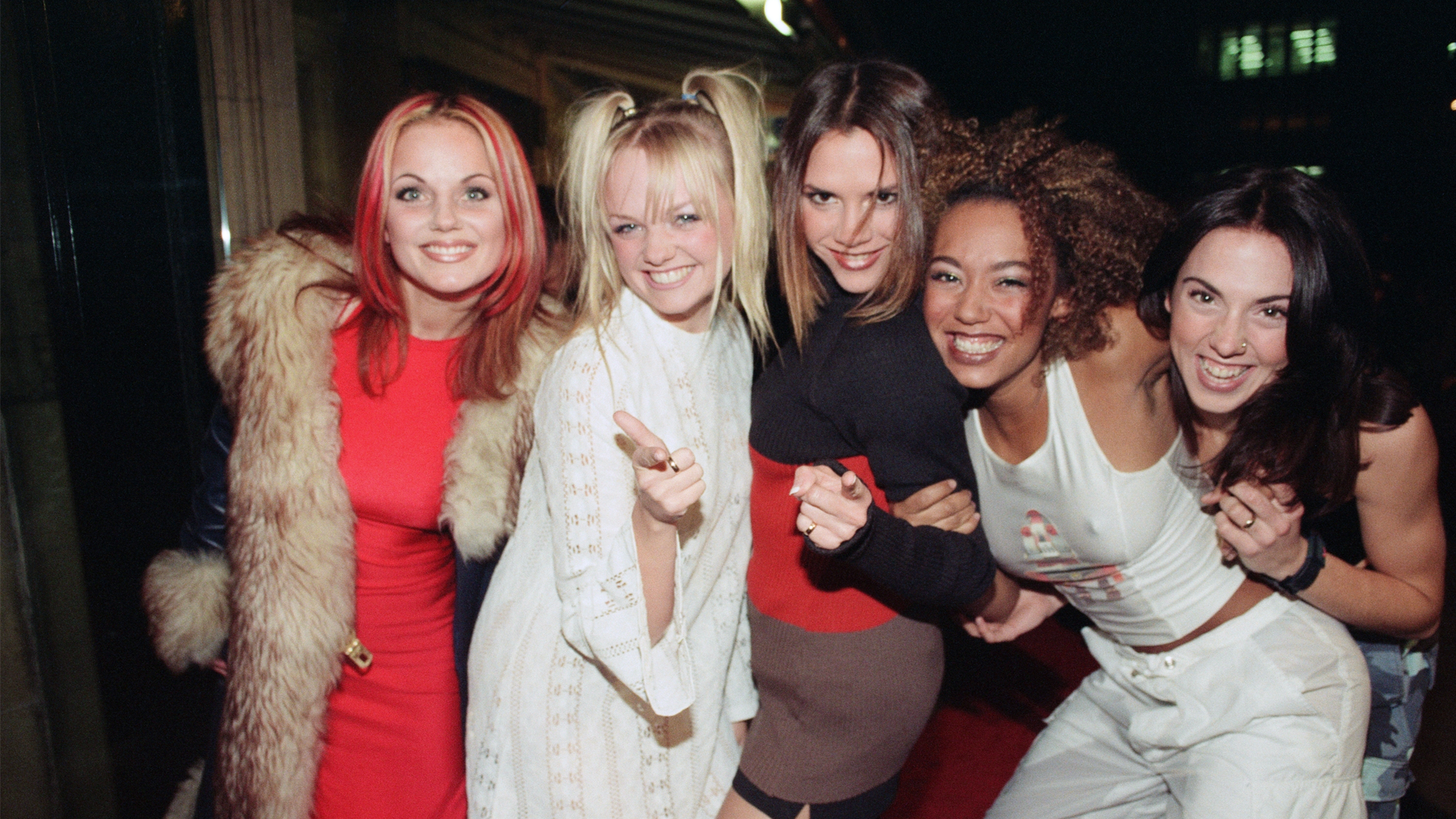
To accompany the single, director Johan Camitz captured the group’s anarchic spirit in a famous single-take music video filmed at the Midland Grand Hotel at St Pancras, London. The visual featured the members disrupting upper-class propriety, mirroring the real-life guerrilla tactics they employed when pitching themselves to record labels.
Global Impact and Enduring Legacy
Released on July 8, 1996, Wannabe became a historic commercial juggernaut. The single topped the charts in 37 countries, ultimately selling more than seven million physical copies. In the United Kingdom, the track spent seven consecutive weeks at number one, while simultaneously topping the US Billboard Hot 100 for four weeks. It remains the best-selling debut single by a female group in chart history.

The cultural resonance of the track was further validated decades later. In a 2014 scientific study conducted by the University of Amsterdam and Manchester’s Museum of Science and Industry—titled Hooked On Music—more than 12,000 participants identified Wannabe in an average of just 2.29 seconds, ranking it as the most instantly recognizable song in modern pop history.
Looking back, the success of Wannabe and the rapid ascent of the Spice Girls established a blueprint for modern pop group curation while empowering a generation of young listeners through the ethos of Girl Power. What began as a commercial experiment in a Maidenhead housing estate evolved into a cultural movement that permanently altered the trajectory of international popular music.
Related posts: