How Garagevfx Brought Magical Realism and Historical Authenticity to Prime Video’s The House of the Spirits


Adapting a literary masterpiece into a visually arresting television epic requires an exceptional synthesis of art, history, and technical precision. For Prime Video’s ambitious series adaptation of Isabel Allende’s landmark 1982 novel, The House of the Spirits, the visual effects team faced a uniquely delicate challenge. The narrative spans over five decades of political, social, and familial upheaval in an unnamed South American nation heavily inspired by Chile. It effortlessly weaves sweeping historical drama with the distinct nuances of magical realism. Entrusted with bringing this complex world to life was Santiago-based visual effects studio Garagevfx, under the leadership of Visual Effects Supervisor and Founder Tomás Roca, working in close coordination with general Visual Effects Supervisor Alejandro Valente.
Delivering approximately 140 meticulously crafted shots, Garagevfx navigated a diverse array of technical disciplines, ranging from sprawling digital environments and historical period reconstructions to complex CGI animals and environmental destruction. Rather than relying on the bombastic, fantastical aesthetics typical of contemporary superhero or science-fiction franchises, the studio committed itself entirely to a grounded, realistic visual language. This meticulous approach ensured that even the most supernatural or extraordinary occurrences felt organically tethered to the physical world, maintaining the raw emotional and historical weight of Allende’s original text.
Bridging Historical Fiction and Magical Realism through VFX
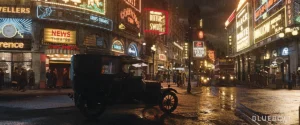
The foundational mandate given to Garagevfx was to anchor the series in uncompromising realism. The narrative explores the generational trials of the Trueba family against a backdrop of deep societal transformation. Because many of the physical locations described in the novel either no longer exist or have been drastically altered by decades of modern urban development, digital artists had to step in to reconstruct history.
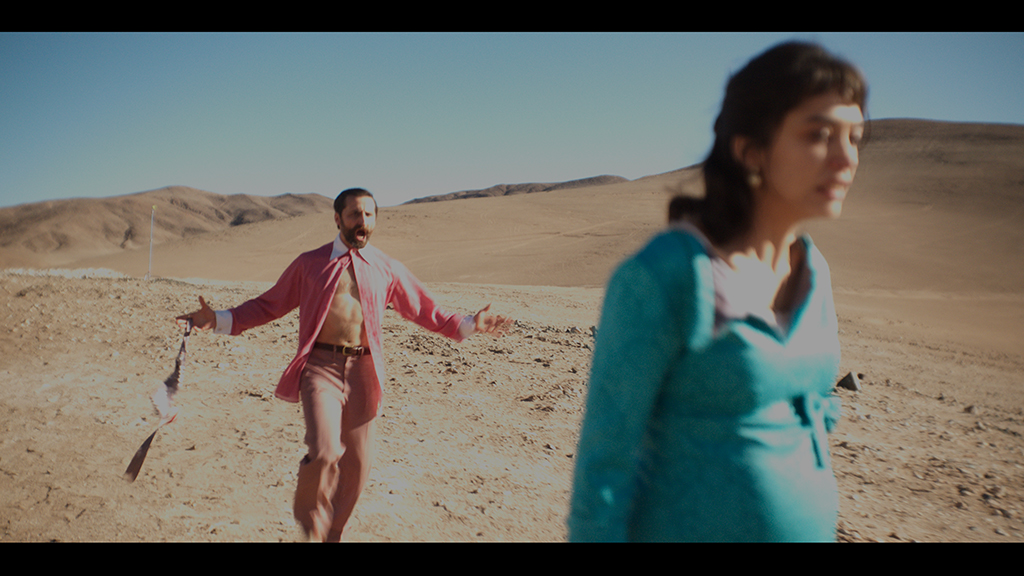
From pre-production onward, the studio engaged in deep collaboration with showrunners Francisca Alegría, Fernanda Urrejola, and Andrés Wood. Visiting physical locations before principal photography allowed the team to assess geographical limitations and plan efficient visual effects strategies. During filming, the crew captured comprehensive reference data, including High Dynamic Range Imaging (HDRIs), drone footage, ground-based photography, measurements, and extensive photogrammetry. These data sets proved invaluable for capturing precise geometry and high-resolution textures, serving as the bedrock for digital environment extensions, asset development, and seamless live-action integration.
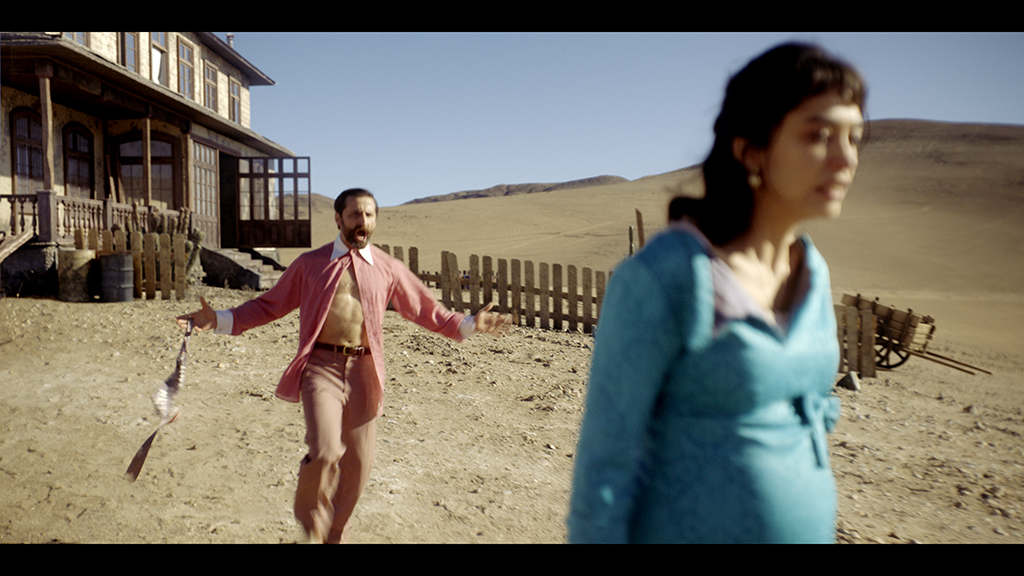
Operating within a robust 4K ACES color pipeline, Garagevfx utilized a powerful software suite including Maya, Houdini, 3ds Max, Nuke, Fusion, Resolve, and Photoshop. Rather than relying on a single isolated technique, most shots demanded a hybrid workflow combining matte painting projections, complex 3D CGI modeling, and sophisticated compositing inside Nuke.
The Evolution of Las Tres Marías: A Living Character
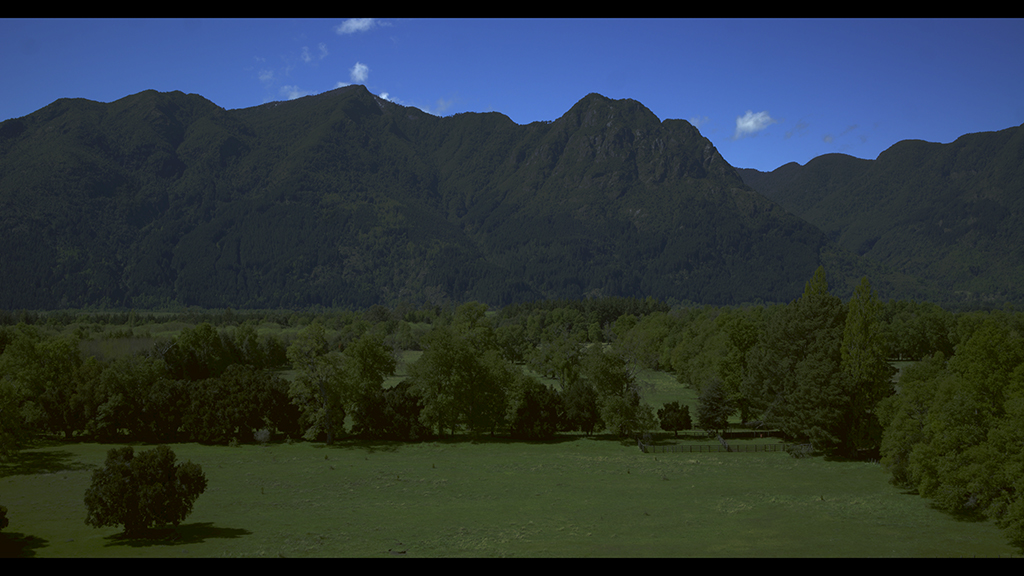
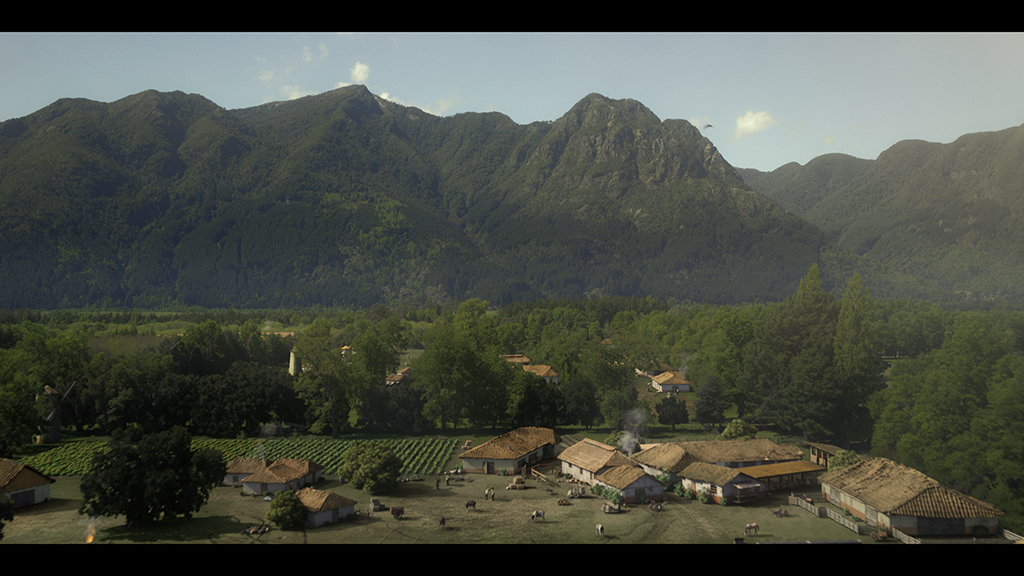
One of Garagevfx’s most monumental responsibilities was the creation and evolution of Las Tres Marías, the iconic family estate that serves as the crucible for the Trueba family’s fortunes. The practical location chosen for the estate was an authentic, centuries-old farmhouse near Santiago that successfully captured the rustic essence of a traditional Chilean adobe property. However, it lacked the sweeping, dramatic landscapes detailed in Allende’s novel.
To bridge this gap, Garagevfx integrated the practical farmhouse with background plates photographed in the striking landscapes of southern Chile, while building large-scale CGI establishing shots to define the estate’s geography. Because the story unfolds over fifty years, Las Tres Marías had to visually evolve alongside the characters. The estate transitions through distinct eras: it first appears in a state of haunting abandonment, later flourishes during its prosperous years, and ultimately suffers catastrophic structural damage from a massive earthquake.
To maintain absolute continuity, the team treated the estate as a single, living environment rather than an isolated collection of shots. Every digital modification—whether expanding vegetation, aging buildings, or introducing human intervention—respected the established architecture and atmosphere.
While the earthquake itself was executed practically during production, Garagevfx managed its dramatic aftermath. Transforming the estate required digitally fracturing walls, modifying both interior and exterior spaces, and reconstructing large portions of the ruined structure. Replicating traditional Chilean adobe construction presented a unique hurdle. Unlike generic concrete or brick, damaged adobe must reveal the distinct earthen textures, layered compositions, and color variations inherent to historical mud-brick architecture. Achieving this level of authenticity required rigorous asset creation, precise camera tracking, and meticulous compositing.
The Atacama Desert Mansion and Digital Zoology
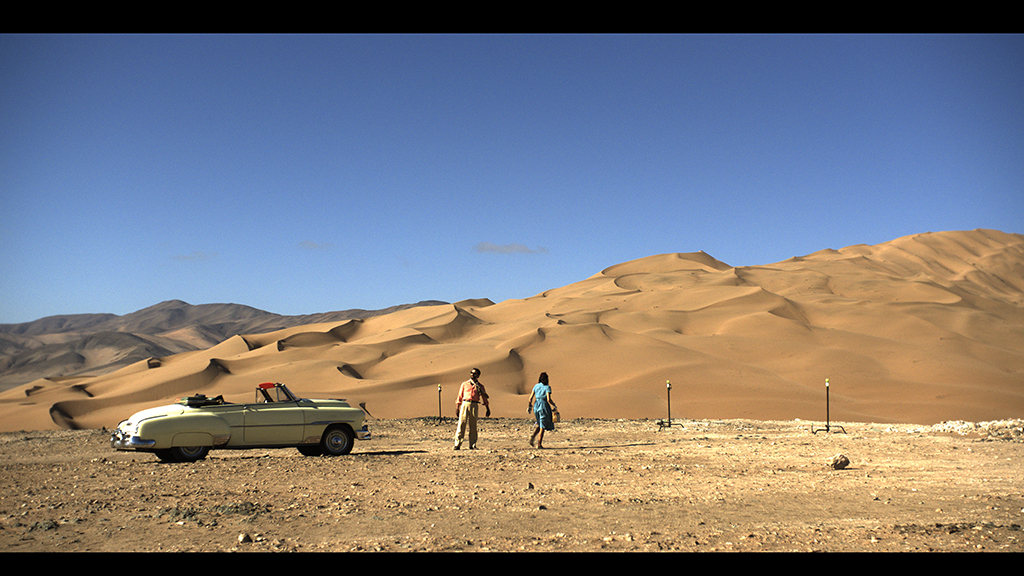
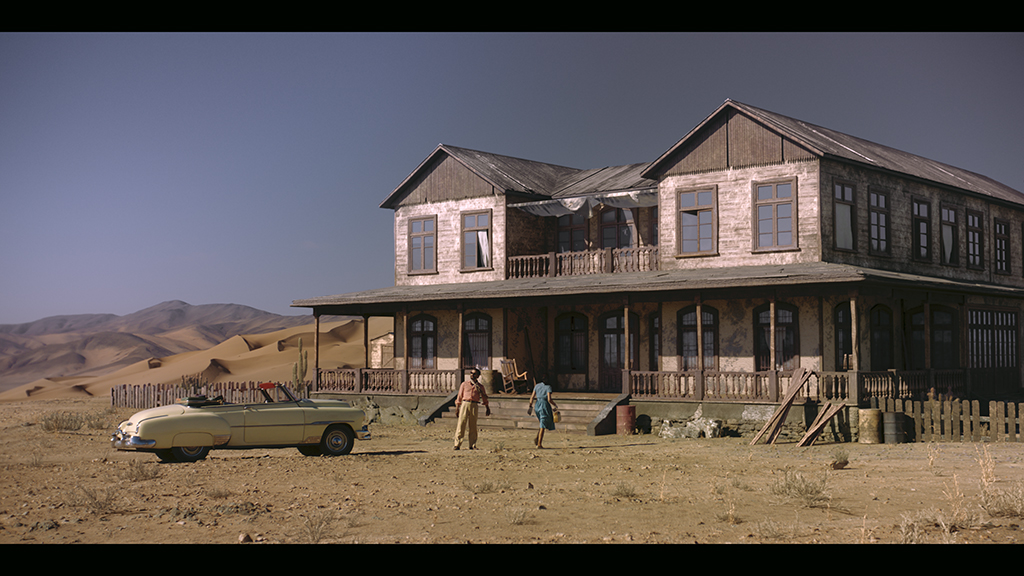
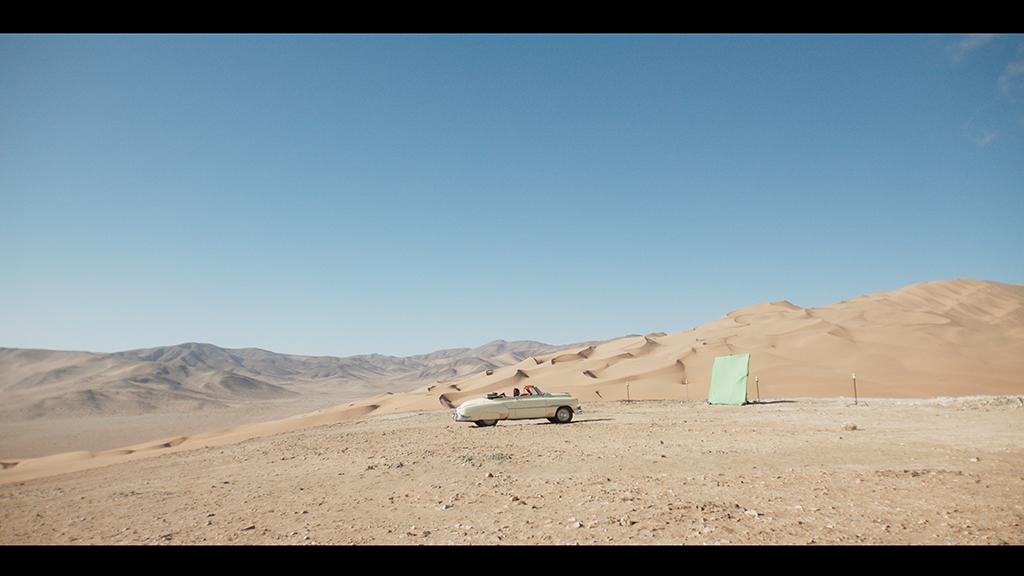
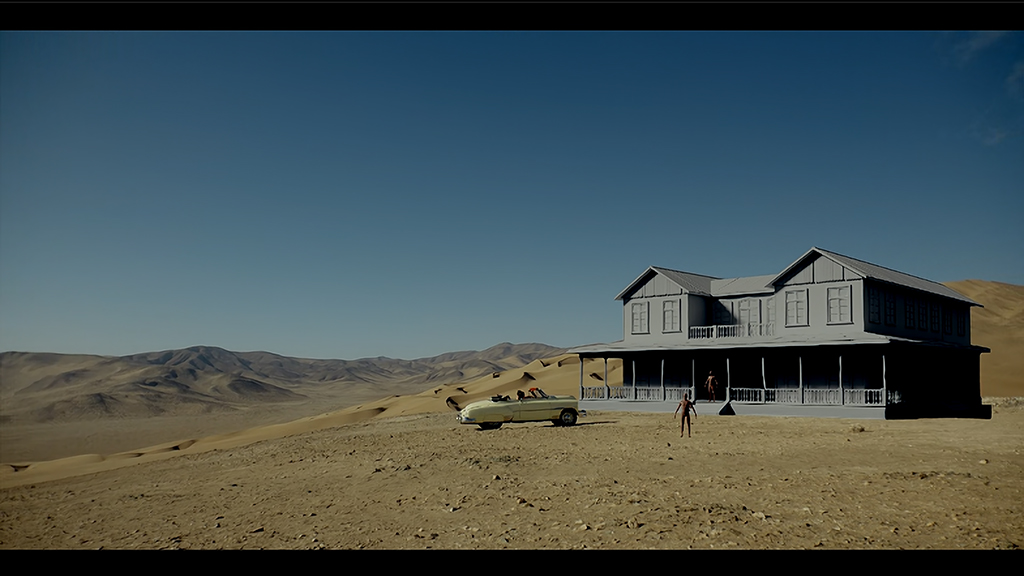
In stark contrast to the rustic agricultural setting of Las Tres Marías, the Desert Mansion required an entirely different conceptual approach. Situated deep within the Atacama Desert—one of the driest and most isolated environments on Earth—the mansion drew architectural inspiration from the historic nitrate mining offices and settlements of northern Chile.
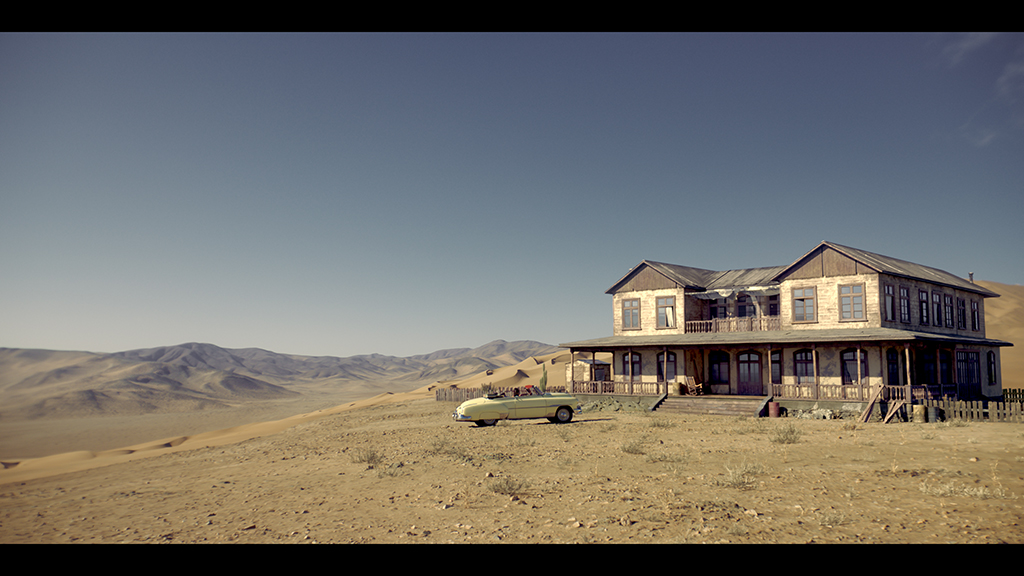
Despite its brutal, isolated surroundings, the mansion could not look abandoned or derelict. It had to project permanence, elegance, and the continued presence of a wealthy, affluent family. Furthermore, the desert mansion became the canvas for subtle magical realism. During a poignant sequence depicting Clara’s psychological breakdown, she tears wallpaper from the walls and crafts intricate paper sculptures resembling mythical animals. Garagevfx scanned existing practical props from the set to build digital assets that matched the tactile reality of the physical sculptures.
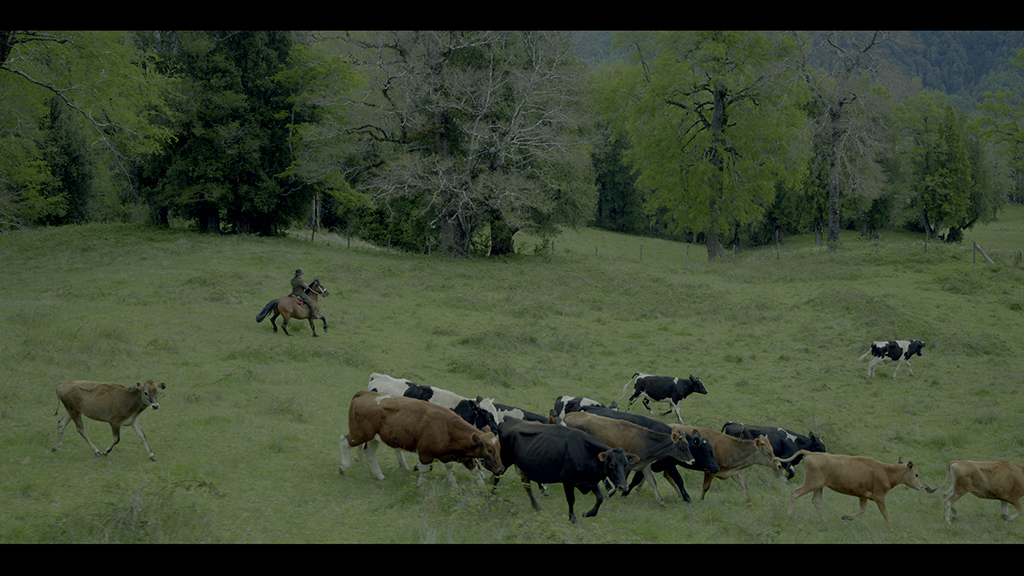
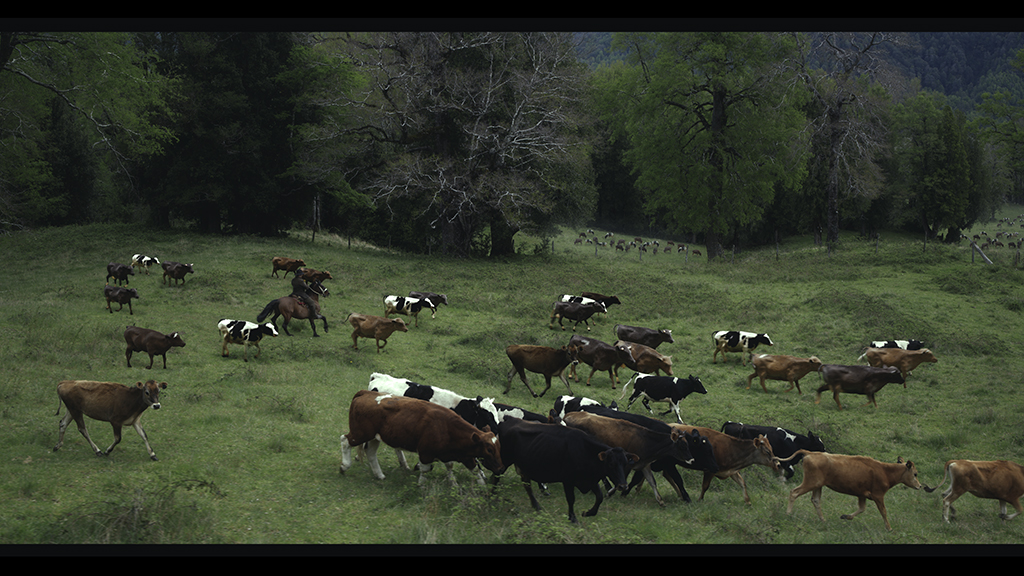
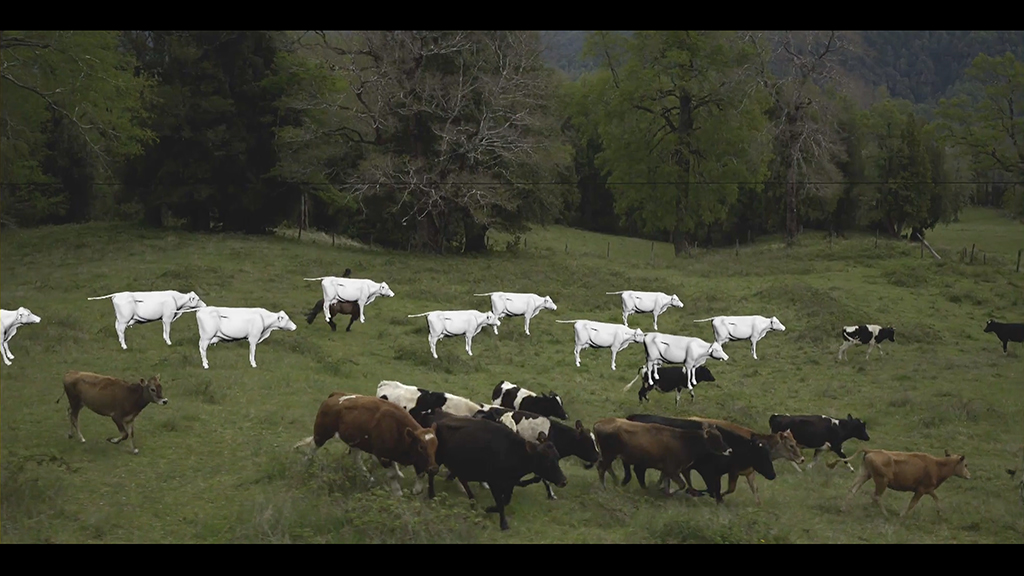
Another formidable technical hurdle involved expanding a practical herd of cattle using digital animals. Sharing the frame with real livestock, the CGI cows had to exhibit the identical weight, rhythm, and unpredictable behavioral patterns of living animals. Small timing discrepancies or unnatural body mechanics would instantly shatter the illusion. The digital cows also had to interact dynamically with the environment, casting accurate shadows, responding to on-set lighting, and maintaining flawless contact with the terrain.
Traditional Workflows and Unforgettable Sequences
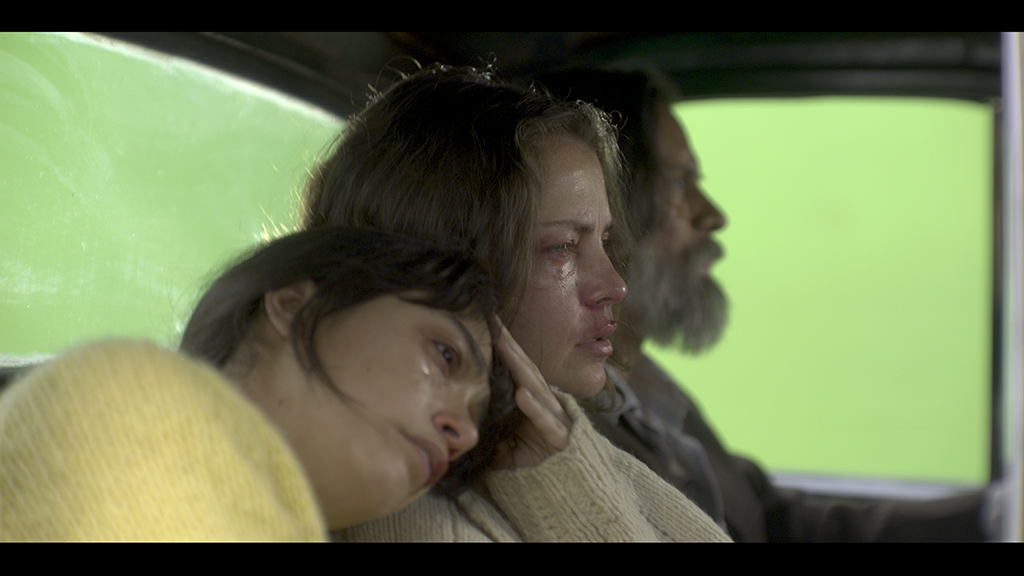
Esquewing modern LED volumes or virtual production stages, the series relied on traditional bluescreen workflows for its driving sequences. Garagevfx supervised these shoots closely, capturing exhaustive camera data and lighting conditions to ensure that reflections, perspective, and illumination matched seamlessly in post-production. Background plates were thoroughly modified to align with the narrative geography and dynamic camera movements of each scene.
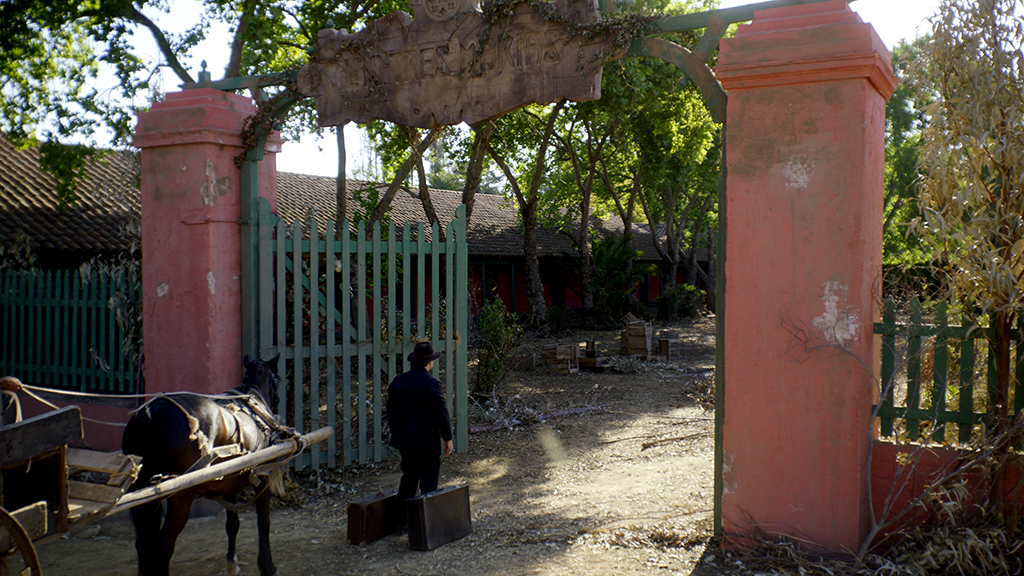
Among the myriad shots delivered by Garagevfx, two particular sequences stand out for their technical complexity and emotional resonance. The first is Esteban Trueba’s arrival at the long-abandoned Las Tres Marías. Shot as an uninterrupted, lateral tracking sequence without the aid of a greenscreen, the scene demanded flawless camera tracking and extensive rotoscoping. The studio populated the entrance with large adobe pillars, weathered wooden signage, cracked surfaces, faded paint, and arid vegetation to visually communicate the estate’s decades of neglect before a single word of dialogue was spoken.
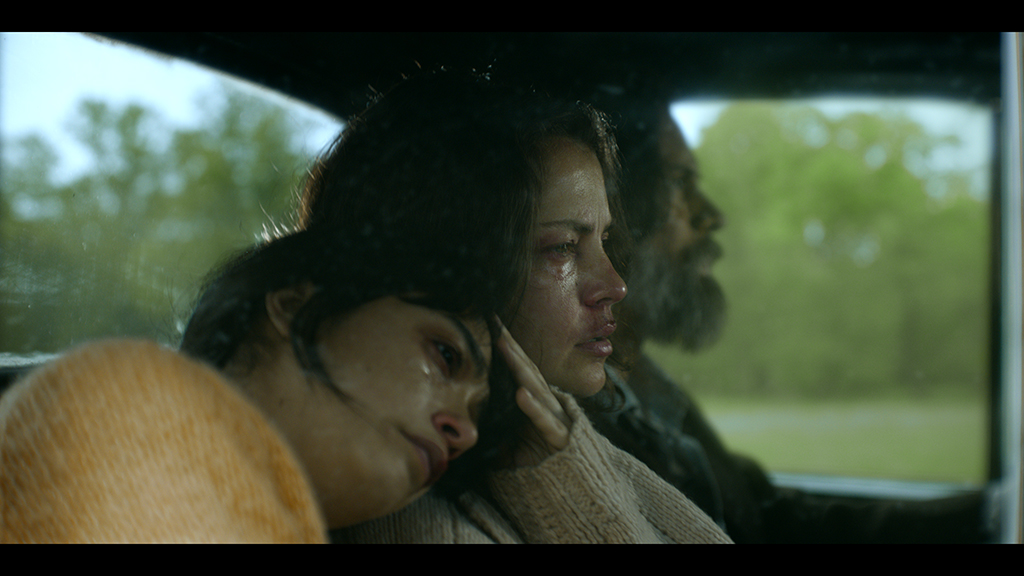
The second moment is much quieter, yet deeply symbolic: Clara’s arrival at the Desert Mansion, marked by a single digital tear running down her cheek before falling onto the desert sand. Though subtle enough to easily escape the notice of casual viewers, the CGI tear exemplifies the philosophy of Garagevfx—visual effects designed not to draw attention to themselves, but to quietly amplify the emotional truth of the narrative.
Broader Implications for Latin American VFX
The completion of Prime Video’s The House of the Spirits represents a significant cultural and industrial milestone. Produced through a collaboration between Fabula, FilmNation, and Amazon MGM Studios, the series brought together a cast and creative crew hailing from across Latin America. For Garagevfx, contributing to a project based on one of the region’s most revered literary pillars highlights the expanding capabilities of local production houses.
As Roca observes, the success of the project demonstrates that Latin American studios possess the technological infrastructure, artistic sensitivity, and collaborative vision required to execute world-class entertainment on an international scale. By proving their ability to handle complex period reconstructions, seamless environment extensions, and nuanced character-driven effects, Garagevfx has helped pave the way for increased trust in regional creative partnerships, signaling a bright future for ambitious storytelling originating from South America.
Related posts: