Where Renaissance Grandeur Meets Contemporary Couture: Inside Palazzo Sogni, Florence’s Newest Design Hotel

Steps away from the iconic Duomo in the heart of Florence, a newly transformed 16th-century palazzo has opened its doors as Palazzo Sogni, an exclusive 30-room hotel that redefines the intersection of historic architectural preservation and high-end contemporary interior design. Conceived by designers Elena and Giulia Sella of Design by Gemini, the property represents a meticulous exercise in balancing centuries-old heritage—including monumental stone nymphaeums and multi-era frescoes—with a bespoke, playful interior identity rooted in Florentine craftsmanship. Rather than replicating a conventional historical restoration, the design duo has curated a space where classical ornamentation and modern luxury coexist, driven by a unifying concept of "dreaming" that flows seamlessly from the building’s grand salons to its intimate guest suites.
Historical Foundations and Architectural Significance
The history of Palazzo Sogni is deeply embedded in the aristocratic fabric of Renaissance Florence. Originally constructed in the 16th century as part of the broader Palazzo Testa by the influential Martelli family, the building carries immense architectural and artistic pedigree. Among its most defining features is a monumental nymphaeum housing a stone fountain traditionally attributed to the renowned sculptor Baccio Bandinelli, a towering figure of the Florentine Renaissance.

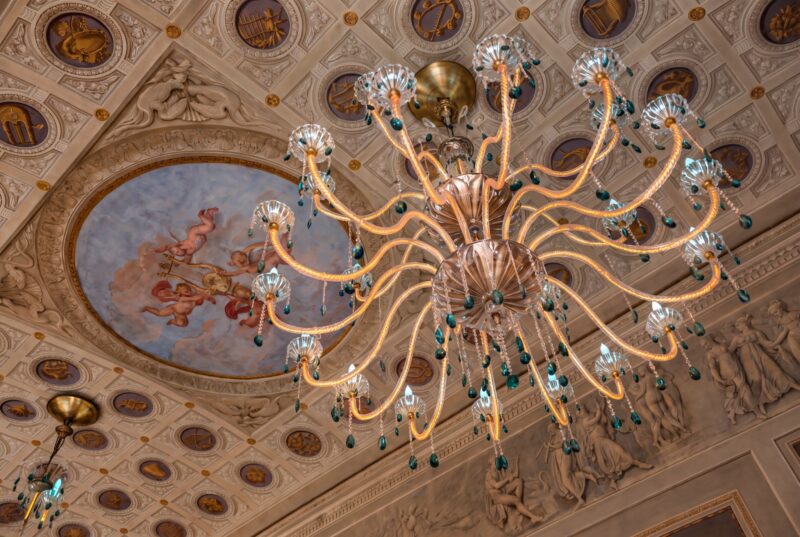
Furthermore, the palazzo’s walls and ceilings serve as a canvas of centuries-old artistic expression, featuring preserved frescoes executed by notable masters such as Luigi Catani and Antonio Marini. The rigorous conservation process required removing decades, and in some cases centuries, of accumulated paint layers to uncover original decorative schemes that had long been obscured from view. Rather than treating these restored masterpieces as mere historical backdrops, Elena and Giulia Sella leveraged them as the primary informants for the property’s contemporary color palettes, spatial layouts, and material selections.
The Chronology of Restoration and Bespoke Design
The transformation of Palazzo Testa into Palazzo Sogni unfolded as a multi-year collaborative endeavor involving local historians, master artisans, and specialized regional workshops. The chronology of the project prioritized structural and decorative conservation before any modern layers were introduced.
Phase one involved the painstaking restoration of the building’s original ceiling frescoes and the recreation of traditional marble flooring configured in a classic checkerboard pattern, echoing the historic layout of the palazzo. Once the structural and decorative envelope was stabilized, phase two commenced: the conceptualization and fabrication of a fully bespoke furniture and textile collection.
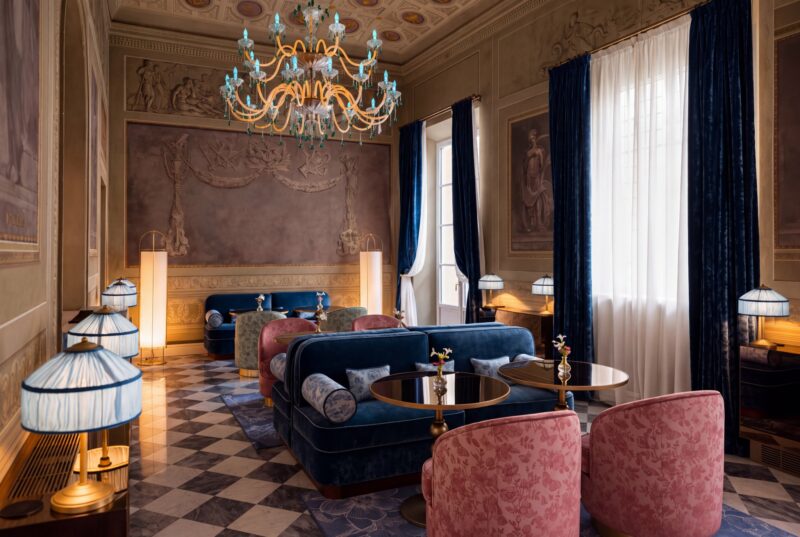
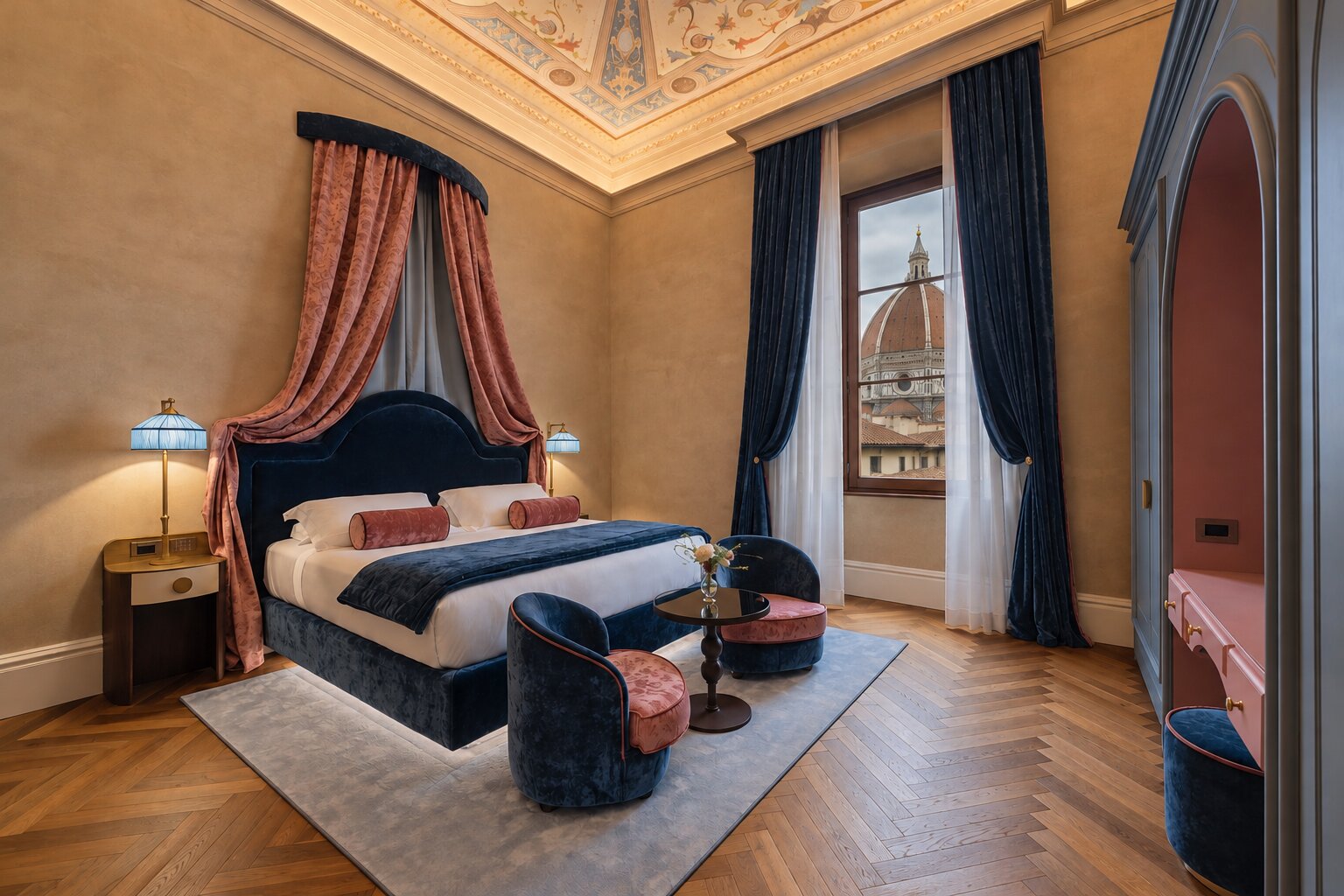
Rejecting standard commercial hospitality furniture catalogs, Elena and Giulia Sella partnered exclusively with regional artisans in Florence and the surrounding Tuscan countryside to design every piece from scratch. This custom "couture design collection" encompasses sculptural wardrobes, four-poster canopy beds, upholstered headboards, benches, armchairs, occasional tables, and architectural lighting fixtures tailored to the unique dimensions of each of the hotel’s 30 rooms.
Materiality, Color Theory, and Craftsmanship

The aesthetic vocabulary of Palazzo Sogni is defined by a sophisticated interplay of color, texture, and light. The overarching palette draws direct inspiration from the historic decorative programs discovered during the restoration. Powder blue serves as the property’s signature shade—symbolizing the conceptual theme of the "dream"—and is prominently featured throughout the reception areas, corridors, and the hotel boutique. Complementary hues of mint green, blush pink, and ochre add warmth and visual depth, meticulously paired with tactile surfaces such as iridescent velvets, rich silks, and warm metallic accents.
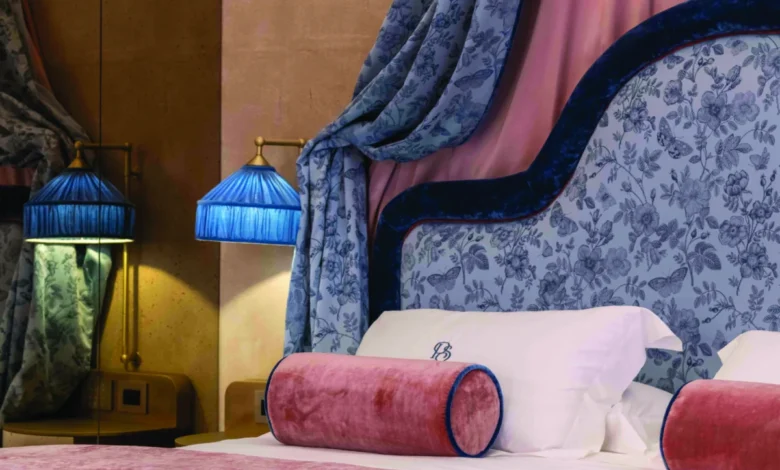
Textile innovation plays a critical role in the hotel’s interior narrative. In collaboration with the historic Florence-area textile house Alessandro Bini, the designers developed a signature "Floral Butterfly" pattern. Alessandro Bini set up a dedicated loom specifically for the project, translating the intricate motif into a silk-based jacquard fabric characterized by distinct texture and relief. This fabric is utilized extensively for bed canopies, armchair upholstery, and the interiors of custom wardrobes. Additional layers of tactile luxury are provided by bespoke bed linens and terry collections from Italian manufacturer Rivolta Carmignani, alongside custom tableware by Ginori 1735, which reinterpreted its classic Antico Doccia collection in the hotel’s signature powder blue.

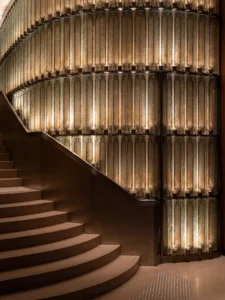
Another defining material signature across the property is aged amber mirror. Integrated into bathrooms, elevators, and major architectural surfaces, the reflective material serves a dual purpose: it visually lightens the substantial volumes of the historic palazzo while casting a warm, enveloping glow that connects disparate interior spaces.
Public Spaces and Curated Guest Experiences

Beyond its 30 distinct guest rooms and suites, Palazzo Sogni offers a series of meticulously curated public spaces, each offering a unique perspective on the building’s historical narrative.
The heart of the ground-level experience is the Secret Garden, anchored by the historic nymphaeum and Bandinelli fountain. A carefully aligned visual axis from the entrance draws visitors toward the stone water feature, framed by contemporary landscape planting inspired by traditional Italian gardens and discreet architectural lighting.

Culinary and social spaces within the hotel further bridge past and present. Segreto, the property’s signature restaurant, combines botanical references with direct views of the courtyard garden. Meanwhile, La Sala della Musica preserves the opulent atmosphere of a historic salon through its intact ceiling frescoes and sophisticated contemporary seating arrangements. Crowning the property is the Sotto le Stelle rooftop terrace, which offers panoramic open-air views of the Florentine skyline, dominated by Brunelleschi’s nearby Duomo.
Balancing reverence with whimsy, the designers also integrated unexpected elements of modern hospitality, such as brass "Press for Champagne" buttons installed in guest rooms, demonstrating a commitment to creating multi-sensory guest experiences that extend beyond visual appreciation.

Implications for Historic Hospitality Design
The completion of Palazzo Sogni marks a significant case study in adaptive reuse and luxury hospitality design within UNESCO-protected urban centers like Florence. As historic city centers face increasing pressure to modernize accommodations for global travelers, projects that successfully integrate stringent heritage conservation with uncompromising contemporary luxury set a new benchmark for the industry.

By refusing to dilute the palazzo’s 16th-century architectural integrity with generic luxury tropes, the Sella sisters have established a viable economic and aesthetic model for historic preservation. The property demonstrates that contemporary design, when executed through localized artisanal collaboration and profound respect for historical context, can enhance rather than overshadow architectural heritage. Palazzo Sogni stands not merely as a hotel, but as a living archive where the Renaissance past continues to evolve through the lens of modern Italian craftsmanship.