From Classical Conservatories to Hip-Hop Chart-Toppers: The Technical Artistry and Studio Evolution of Producer Rogét Chahayed

The trajectory of modern hip-hop has been increasingly defined by a return to high-level musicianship, moving away from the simplistic loop-based structures of the early digital era toward a more complex, multi-layered, and harmonically rich soundscape. At the forefront of this movement is Rogét Chahayed, a producer whose career serves as a masterclass in blending classical discipline with contemporary street-level innovation. Before his name became a staple in the credits of Diamond-certified records and Grammy-winning hits, Chahayed was a conservatory-trained pianist, a background that continues to serve as the bedrock of his creative identity and his sought-after "studio alchemy."
The Foundation of a Musical Architect
Rogét Chahayed’s journey did not begin in a basement with a drum machine, but rather at the ivory keys of a piano. As a conservatory-trained musician, Chahayed spent his formative years immersed in the rigors of classical theory, counterpoint, and composition. This technical pedigree provided him with a structural understanding of music that many self-taught producers lack. While the "beatmaker" archetype often relies on intuition and sampled loops, Chahayed operates as a composer, understanding the emotional weight of a chord progression and the intricate physics of sound frequency.
His transition from the world of classical performance to the upper echelons of the recording industry was catalyzed by a high-stakes apprenticeship. Working under the tutelage of Dr. Dre and Mel-Man, Chahayed was exposed to the exacting standards of Aftermath Entertainment. Dr. Dre, known for his obsession with sonic clarity and "big" drums, provided Chahayed with a secondary education in the art of the mix and the importance of professional session work. This period saw Chahayed evolving from a session musician into a primary architect of sound, learning how to translate his classical knowledge into the heavy-hitting, atmospheric textures required for modern hip-hop and R&B.
A Chronology of Chart Dominance
The past decade has seen Chahayed contribute to some of the most culturally significant tracks in the industry. His ability to adapt his sound across genres—while maintaining a signature "expensive" and polished feel—has made him a favorite collaborator for A-list talent.
In 2016, Chahayed broke into the mainstream consciousness with his work on D.R.A.M.’s "Broccoli" featuring Lil Yachty. The track’s playful, piano-driven melody was a stark departure from the darker "trap" sounds dominating the airwaves at the time, showcasing his ability to craft infectious, earworm hooks. However, it was his contribution to Travis Scott’s 2018 masterpiece, ASTROWORLD, that cemented his legacy. Chahayed was a key contributor to "Sicko Mode," a track that famously defied traditional song structure with its three distinct movements. The song went on to achieve Diamond certification from the RIAA, representing over 10 million units moved, and remains a benchmark for experimental mainstream production.
More recently, Chahayed’s versatility was on full display with Doja Cat’s "Kiss Me More" featuring SZA. The track, which leans heavily into disco-pop and funk influences, earned Chahayed a Grammy Award for Best Pop Duo/Group Performance. His ability to pivot from the dark, brooding atmospheres of Travis Scott to the vibrant, shimmering pop of Doja Cat underscores the value of his classical training. Most recently, his work on Drake’s For All The Dogs—specifically the track "Janice STFU"—continues a streak of chart-topping successes that show no signs of slowing.
The Inner Workings of a Modern Hit Factory
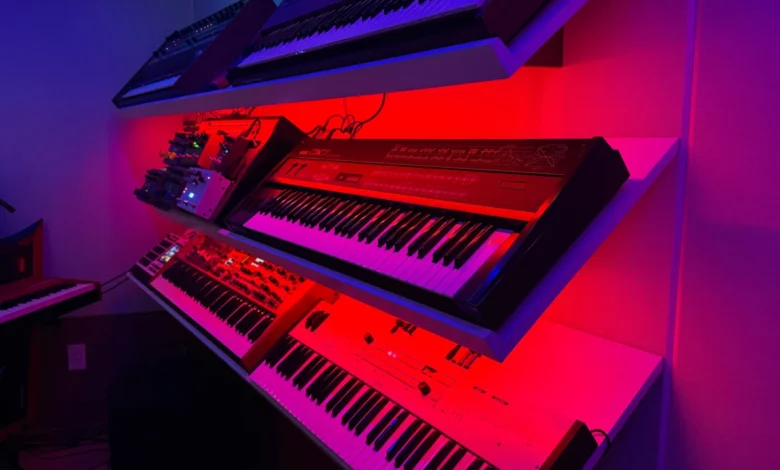
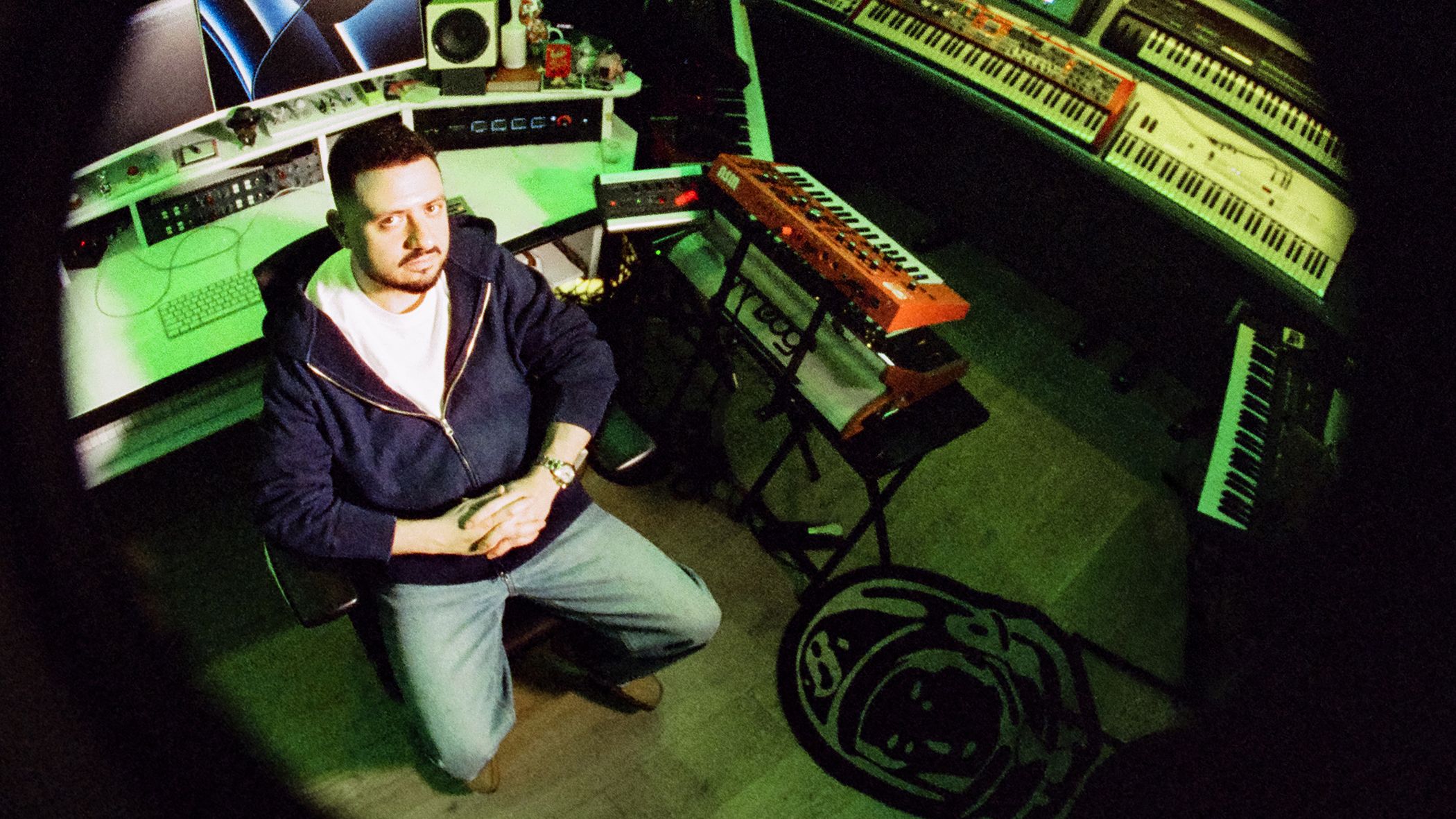
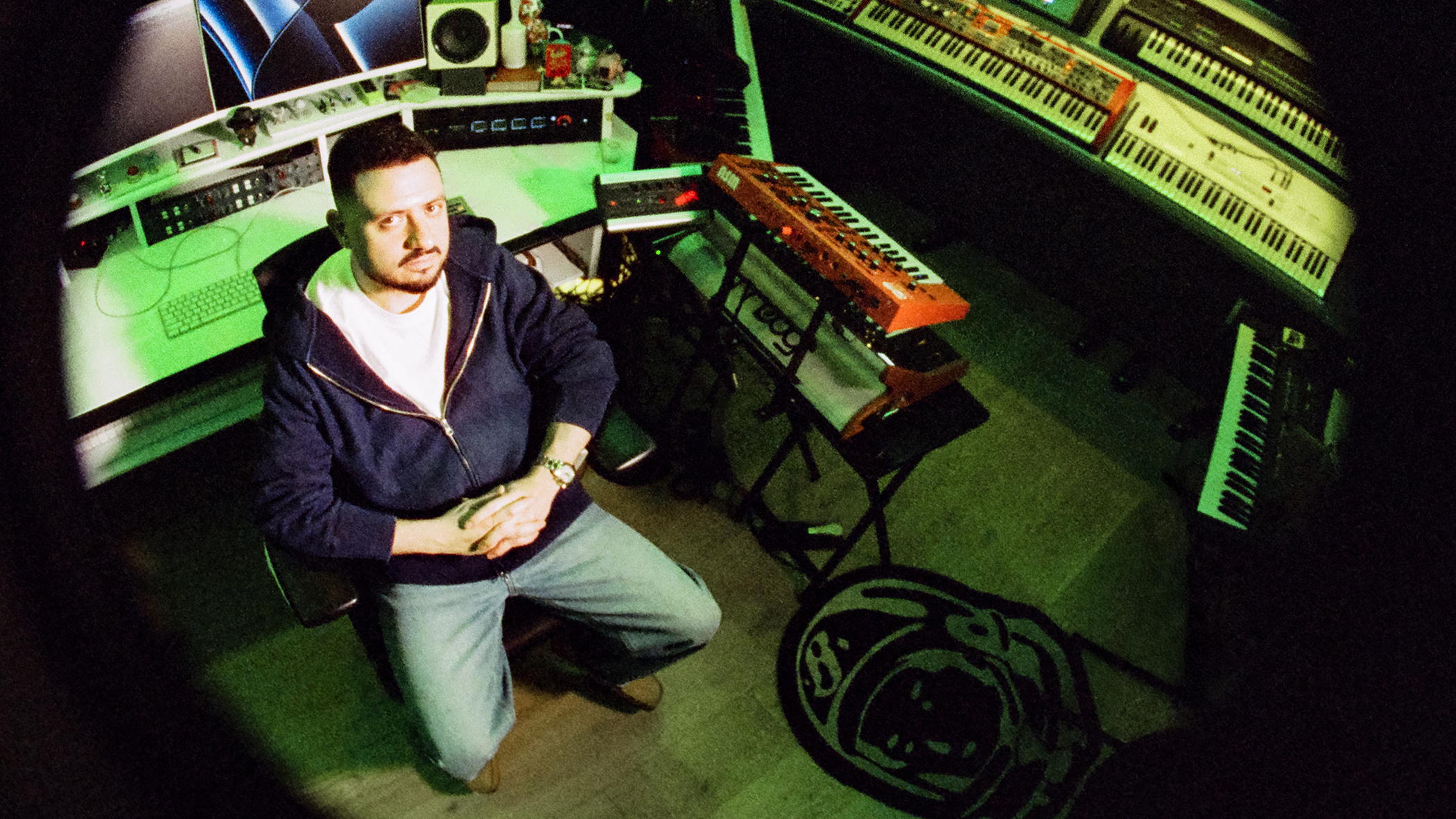
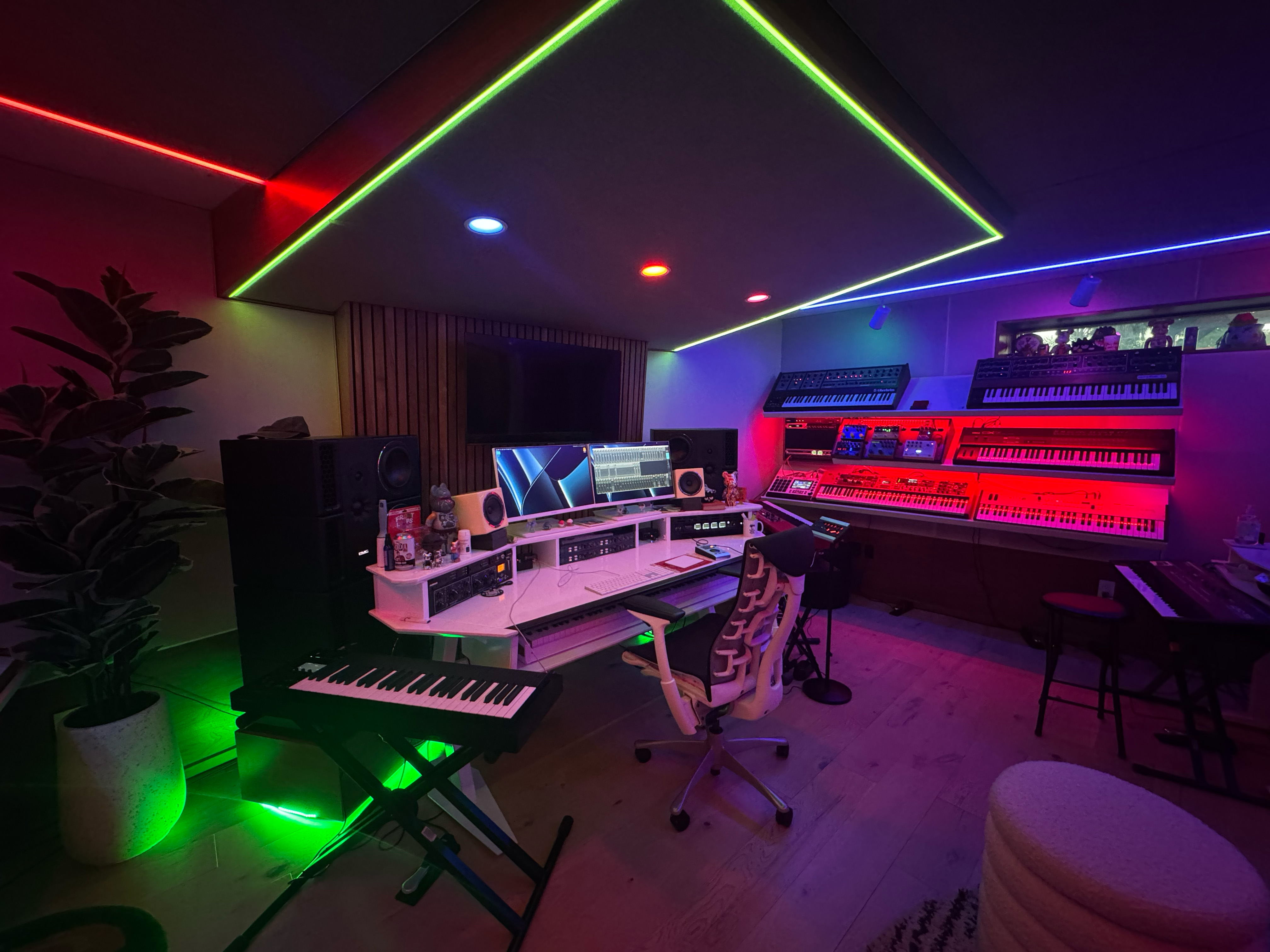
Chahayed’s studio is a physical manifestation of his "hybrid" philosophy. It is a space where the 18th-century tradition of the grand piano meets the 21st-century power of digital signal processing. While he owns an extensive collection of hardware, Chahayed remains selective about the tools that make it onto a final record.
The Performance Powerhouse: Nord Stage 4
Central to his workflow is the Nord Stage 4. For Chahayed, the Nord is more than just a synthesizer; it is a performance instrument. He notes that the Stage 4, combined with sounds from the Stage 3, allows for a level of muscle memory that is essential during high-pressure sessions. "If I was going away on a trip for a week and could only bring one keyboard, I’d bring that one," Chahayed says, emphasizing that the "performance" aspect of the hardware resonates differently on a record than a static MIDI input.
The Texture Specialists: Korg KRONOS and Prophet X
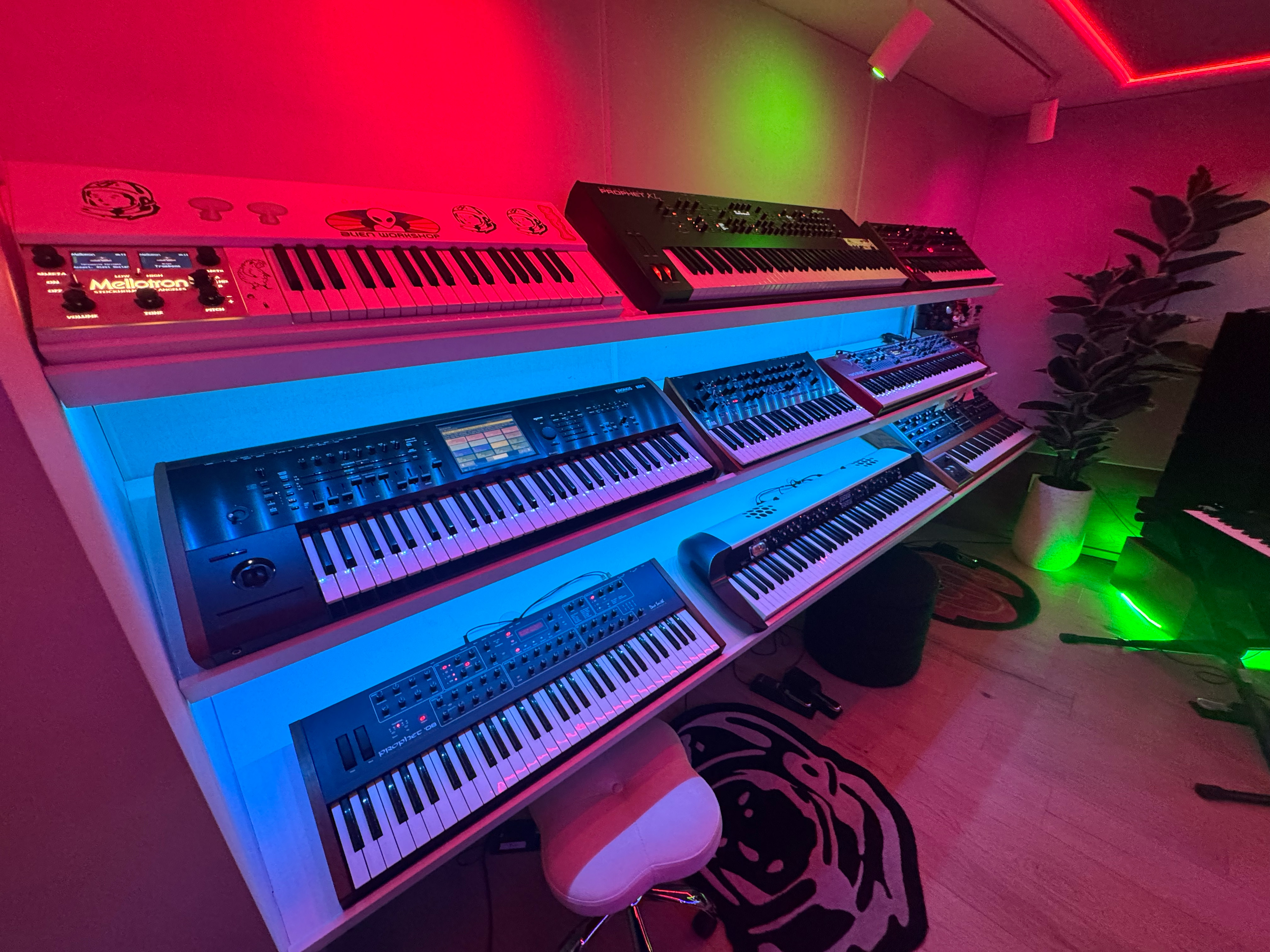
To build the "walls of sound" heard on tracks like "Sicko Mode," Chahayed turns to the Korg KRONOS and the Sequential Prophet X. The KRONOS is utilized for its category-spanning library and its ability to layer "low-tier" sounds with high-fidelity ones to create unique timbres. The Prophet X, meanwhile, brings a cinematic quality to his productions. Utilizing the 8Dio sound engine—the same technology found in industry-standard Kontakt libraries—the Prophet X allows Chahayed to weave orchestral-scale textures into hip-hop beats, creating a sense of scale and drama.
The Grounding Force: The Steinway Model B
Despite the dozens of synths lining his studio walls, the Steinway Model B grand piano remains the heart of his creative process. For Chahayed, the acoustic piano is the ultimate "grounding" tool. It is the instrument where he discovers the "movement" of a song before it is ever translated into a digital format. The presence of a world-class Steinway alongside a Fender Rhodes and a full drum kit highlights his commitment to organic sound in an increasingly synthesized industry.
Data and Industry Implications: The Rise of the Musician-Producer
The success of Rogét Chahayed reflects a broader shift in the music industry’s economic and creative landscape. Data from recent years suggests that tracks with "live" instrumentation or complex harmonic structures are seeing a resurgence in streaming longevity. While "type beats" and algorithm-friendly loops dominate the lower tiers of the industry, the "Top 40" is increasingly being reclaimed by producers who can play, arrange, and compose.
Chahayed’s collaboration with his engineer, Julian Vasquez, represents the modern "artillery" of production. By organizing millions of digital sounds—strings, brass, woodwinds, and basses—into an easily accessible system, Chahayed can act as a conductor in real-time. This efficiency is vital in an era where major artists often expect tracks to be built from scratch during a single session.
The "Sicko Mode" effect—the acceptance of non-linear, multi-part songs—has also opened doors for producers with Chahayed’s skill set. As listeners become more sophisticated, the demand for "cinematic" production grows. This trend is backed by the commercial success of producers like Mike Dean, Ludwig Göransson, and Chahayed, all of whom bridge the gap between traditional film scoring and pop music.
Broader Impact and the Future of the Home Studio
Chahayed’s recent completion of his home studio signifies a new era for his output. Moving away from the nomadic lifestyle of a session player, he has curated a space that houses 30 to 40 synthesizers, a Steinway piano, and a high-end digital interface. This "fortress of sound" allows for a level of experimentation that is rarely possible in rented commercial studios.
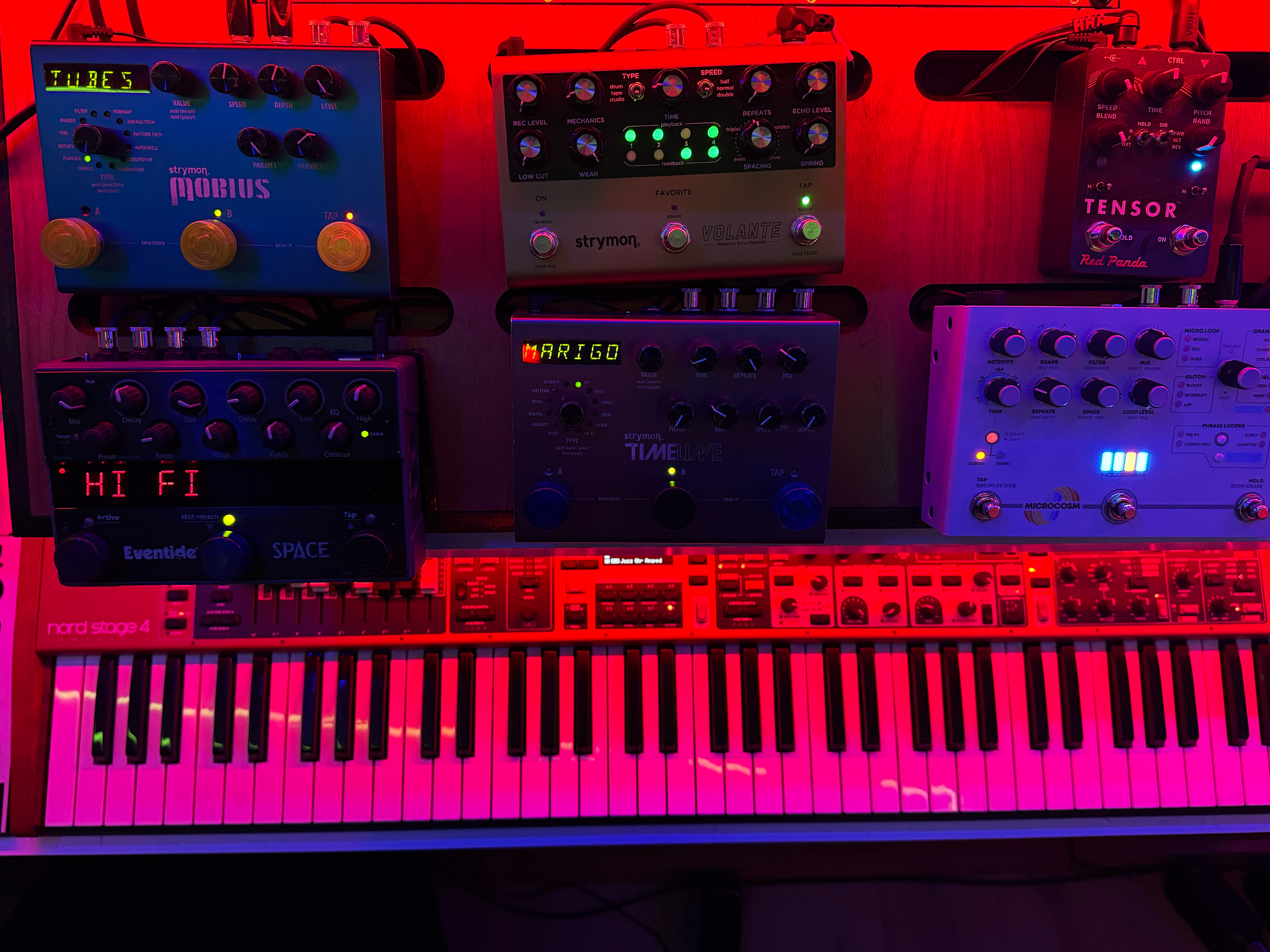
The implication for the wider industry is clear: the most successful producers of the next decade will likely be those who treat the studio as an instrument in itself. Chahayed’s reliance on Native Instruments’ Play Series and Kontakt libraries alongside his hardware shows that the "analog vs. digital" debate is largely over. In its place is a "best of both worlds" approach where the soul of a performance is captured on a Steinway and then manipulated through the infinite possibilities of a MacBook Pro.
As hip-hop continues to evolve into a global art form that incorporates elements of jazz, classical, and electronic music, the role of the "musician-producer" will become even more central. Rogét Chahayed’s career serves as both a blueprint and an inspiration for the next generation of creators. He has proven that a deep understanding of music theory does not "stifle" creativity in hip-hop; rather, it provides the tools necessary to break the rules in ways that resonate across the charts and the culture. From the quiet halls of the conservatory to the roaring speakers of stadium tours, Chahayed’s journey is a testament to the enduring power of technical mastery in the digital age.
Related posts: