Daffy Season: An In-Depth Look at the Oscar-Qualifying Animated Short and its Artistic Evolution

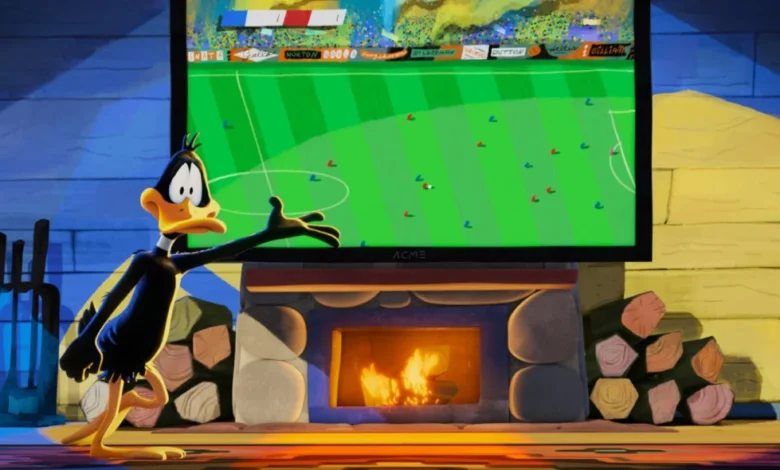
The race for the 99th Academy Awards is officially underway, and among the standout contenders vying for the Oscar in the Best Animated Short Film category is the Warner Bros. Pictures Animation production Daffy Season. Directed by industry veterans Hamish Grieve and Todd Wilderman and produced by Susan Slagle Rogers, the seven-minute short has secured its place on the qualification list through a strategic theatrical run. Featuring the legendary Daffy Duck, the film represents a sophisticated intersection of classic animation heritage and modern CG capabilities, offering a narrative that subverts the traditional "hunter-and-prey" dynamic that defined the Looney Tunes legacy for nearly a century.
A New Narrative Arc for a Classic Icon
The premise of Daffy Season centers on a radical shift in character motivation. In a departure from the iconic "duck season/rabbit season" tropes, the narrative finds Elmer Fudd—typically the aggressor—completely distracted by his newfound obsession with World Cup soccer. The humor is derived from a psychological role reversal: Daffy Duck, accustomed to being the central focus of Elmer’s hostile attention, finds himself relegated to the background. His pathological need for validation forces him to escalate his antics, moving from mere annoyance to high-stakes theatricality in an attempt to drag Elmer back into their familiar, violent dance.
Directors Hamish Grieve and Todd Wilderman have described this narrative pivot as the "key" that unlocked the project. By positioning Daffy’s narcissism above his survival instinct, the directors lean into the character’s inherent ego, effectively transforming a hunter-prey standoff into a dark, character-driven comedy. The directors noted during interviews that they envisioned the visual landscape of the short as a "cartoon Dario Argento movie," injecting a stylized, suspense-filled atmosphere that deviates from the bright, flat aesthetics of the 1940s and 50s shorts while remaining tethered to the essential spirit of the characters.
Artistic Methodology and Technical Execution
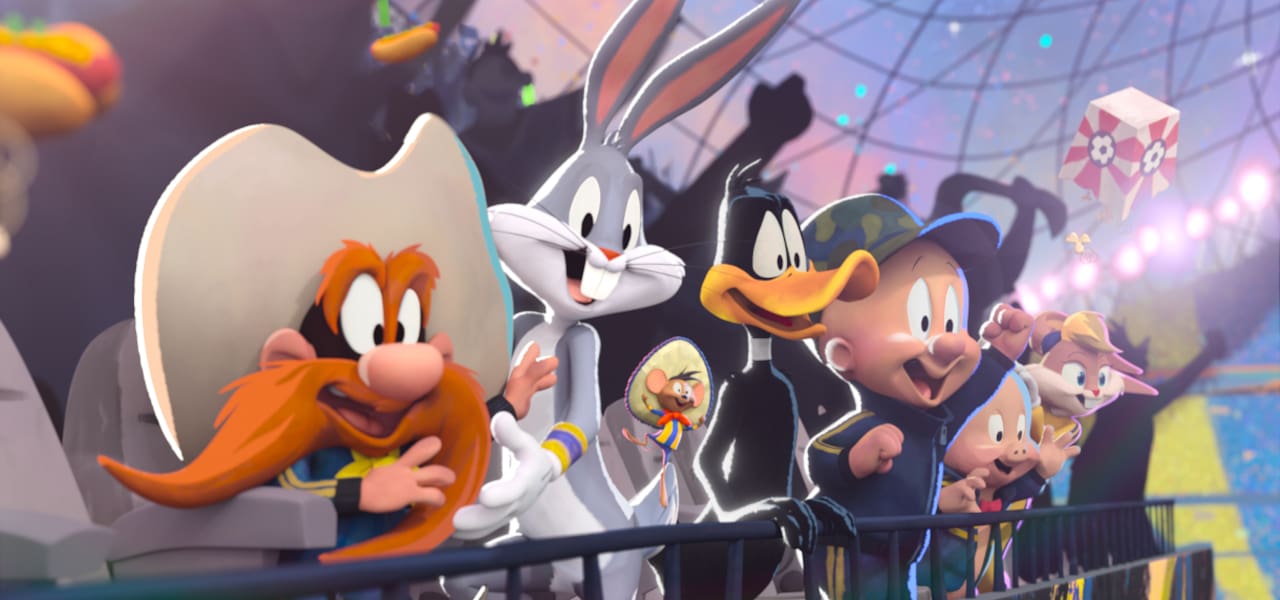
The production of Daffy Season, animated by DNEG Animation, is notable for its refusal to rely solely on the "glossy" look often associated with contemporary computer-generated imagery. Instead, the filmmakers sought to honor the aesthetic legacy of Maurice Noble, the legendary background artist and layout genius of the Termite Terrace era. The film utilizes a complex hybrid approach: CG models are textured with painterly, manual brushwork, and the animation incorporates hand-drawn effects—such as the specific, exaggerated spittle from Daffy’s beak—to ground the digital characters in a tactile, human-made reality.
The visual evolution of the short is designed to mirror the narrative journey. It begins with a muted, grain-heavy palette that mimics the feel of mid-century celluloid, complete with mono sound and proscenium-style staging that emphasizes depthless, theatrical framing. As the story descends into the "horror-inflected" world of Daffy’s escalating madness, the visual and auditory language shifts. The camera work becomes more fluid and expansive, the color saturation increases, and the sound design transitions into a fully immersive Dolby Atmos experience. This technical progression serves to underline the shift from the classic, contained world of traditional Looney Tunes to the modern, high-intensity environment of a global stadium.
The Legacy of Termite Terrace and Modern Innovation
The challenge of working with intellectual property as entrenched in pop culture as the Looney Tunes cannot be overstated. Grieve and Wilderman approached the project with the reverence of historians. The production team spent significant time analyzing the pacing and gag-structure of the original shorts, aiming to understand the "milking of poses" that defined Chuck Jones’ work.
In the history of animation, few studios have held as much influence as Termite Terrace. From the 1930s through the 1960s, the artists at Warner Bros. redefined the possibilities of character animation, prioritizing personality-driven performance over strict realism. Modern filmmakers often struggle to balance this legacy with the expectations of contemporary audiences, who are accustomed to more complex lighting, dynamic camera movement, and high-fidelity textures. Daffy Season serves as a case study in how to bridge this gap. By utilizing CG as a tool to expand upon the principles of 2D squash-and-stretch, the production avoids the "uncanny valley" that often plagues legacy characters transitioned into 3D, instead offering a stylized interpretation that feels both nostalgic and fresh.

Broader Implications for the Animated Short Category
The inclusion of Daffy Season in the Oscar race highlights a growing trend among major studios to utilize the short-film format as a sandbox for experimental storytelling and technical R&D. While feature films are often constrained by the necessity of broad market appeal and rigid narrative structures, the short-film format allows for the testing of new aesthetic styles and the exploration of niche genres—such as the horror-comedy aesthetic Grieve and Wilderman employed here.
Furthermore, the qualification of the film via a theatrical run underscores the continued importance of the "big screen" experience for animated shorts, even as streaming platforms dominate the distribution landscape. For Warner Bros. Pictures Animation, this project serves as a prestige piece that reinforces the studio’s commitment to its classic library. It demonstrates that these characters are not merely museum pieces to be rebooted in endless sequels, but flexible icons capable of inhabiting different genres and visual styles.
Chronology and Qualification Status
For a film to be eligible for the Academy Award for Best Animated Short Film, it must meet specific criteria set forth by the Academy of Motion Picture Arts and Sciences. Daffy Season met these requirements by completing a qualifying theatrical run in a commercial cinema, a path that remains one of the most prestigious routes to consideration.
- Pre-Production: Focused on the synthesis of Maurice Noble-inspired design with modern CG workflows.
- Production: Integration of DNEG Animation’s technical pipeline with traditional hand-drawn effects to maintain the "hand of the artist" aesthetic.
- Theatrical Run: The film completed its commercial engagement in late 2026, satisfying the Academy’s eligibility rules for the 2027 Oscars.
- Awards Season: The film is currently being screened at key festivals and specialized venues to build momentum ahead of the nomination voting period.
Future Perspectives
As the industry moves toward an era where AI-generated content and purely digital workflows threaten to homogenize animation styles, the deliberate, labor-intensive approach seen in Daffy Season stands as a testament to the enduring value of artistic intent. The directors have expressed that the project functioned as a "boot camp" for their own development, forcing them to refine their understanding of character timing and gag-based storytelling within a constrained timeframe.
The success of the film will ultimately depend on its ability to resonate with Academy voters who must choose from a diverse field of entries. However, regardless of the final outcome, Daffy Season has already succeeded in its primary creative goal: proving that Daffy Duck, after nearly 90 years of existence, still possesses the capacity to surprise. By shifting the character’s focus from the survival of his own skin to the validation of his own ego, the film breathes new life into a classic dynamic, ensuring that the legacy of Termite Terrace remains a living, evolving force in the world of modern animation.
As the 2027 awards season progresses, industry analysts will be watching closely to see if this marriage of classic character-driven comedy and modern technical ambition is rewarded with the industry’s highest honor. For now, the film stands as a bold, humorous, and technically accomplished entry that honors the past while pushing the boundaries of what is possible for a short-form animated feature in the modern age.
Related posts: