Character Design as Narrative Worldbuilding: An In-Depth Profile of Concept Artist Pavel Hristov and the Evolving Digital Art Landscape

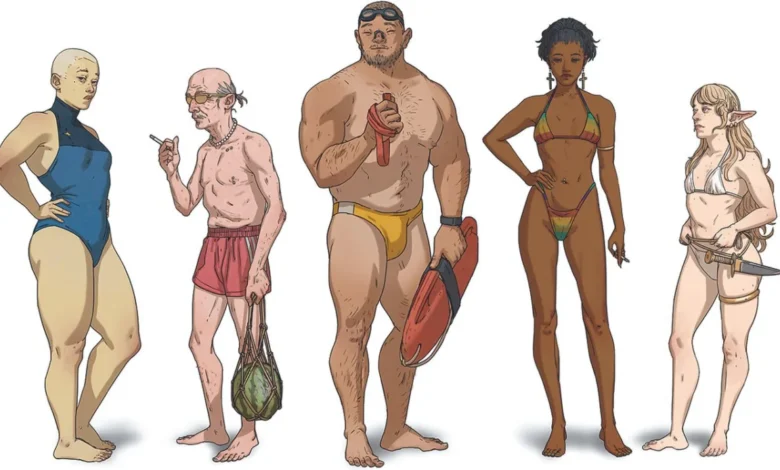
Pavel Hristov, a prominent freelance concept artist with an established tenure in the global gaming sector, has emerged as a distinctive voice in digital illustration by prioritizing narrative-driven worldbuilding over conventional aesthetic impact. Unlike many contemporary character artists who focus on idealized or exaggerated forms, Hristov’s portfolio is defined by a "snapshot" quality, capturing figures that feel lived-in and historically grounded. This approach reflects a broader shift within the entertainment industry, where character design is increasingly viewed as the primary vehicle for environmental storytelling and deep lore integration.
The Philosophy of the Snapshot: Street Fashion as Visual Narrative
Central to Hristov’s creative identity is an unconventional source of inspiration: street fashion photography. While many fantasy artists draw primarily from historical armor or previous iterations of the genre, Hristov cites Japanese street fashion magazines from the pre-social media era as a foundational influence. This medium provided a raw, uncurated look at individual expression, emphasizing how real people inhabit their clothing and environments.
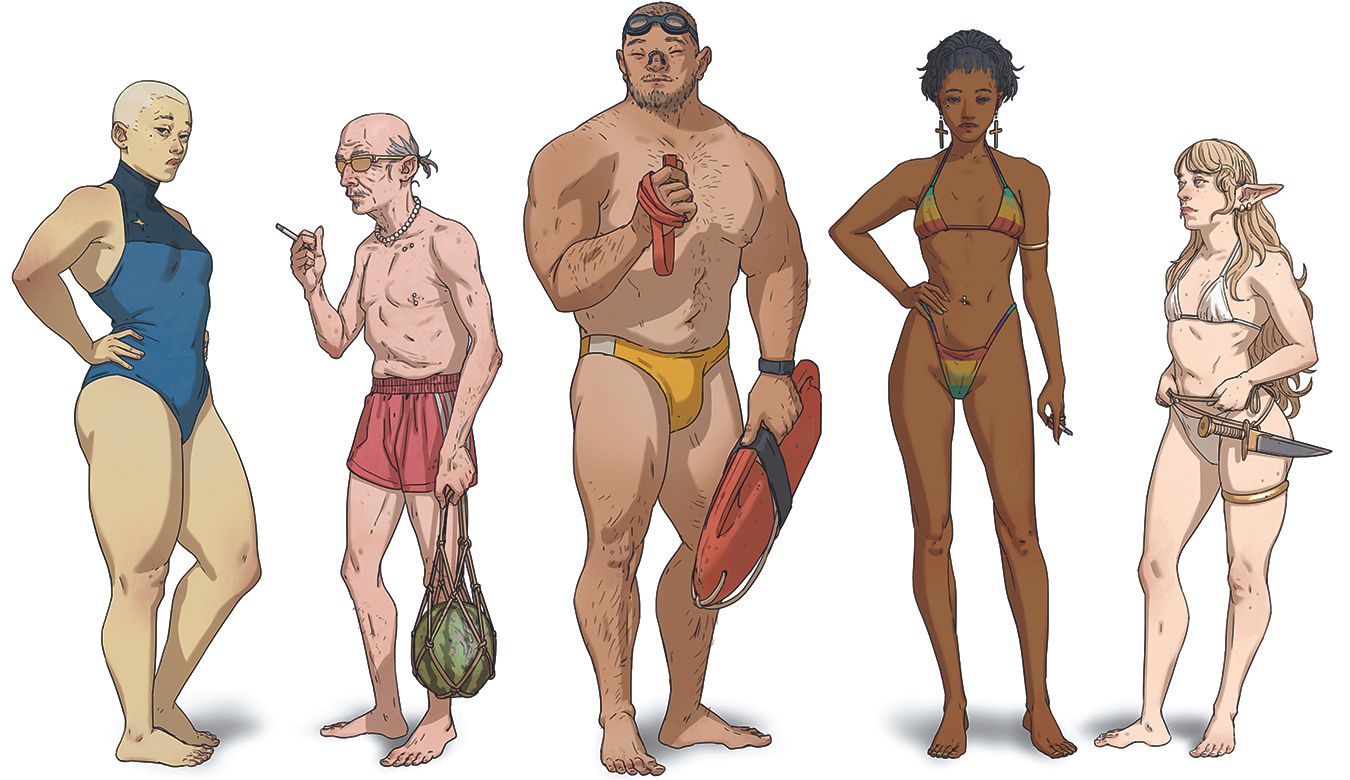
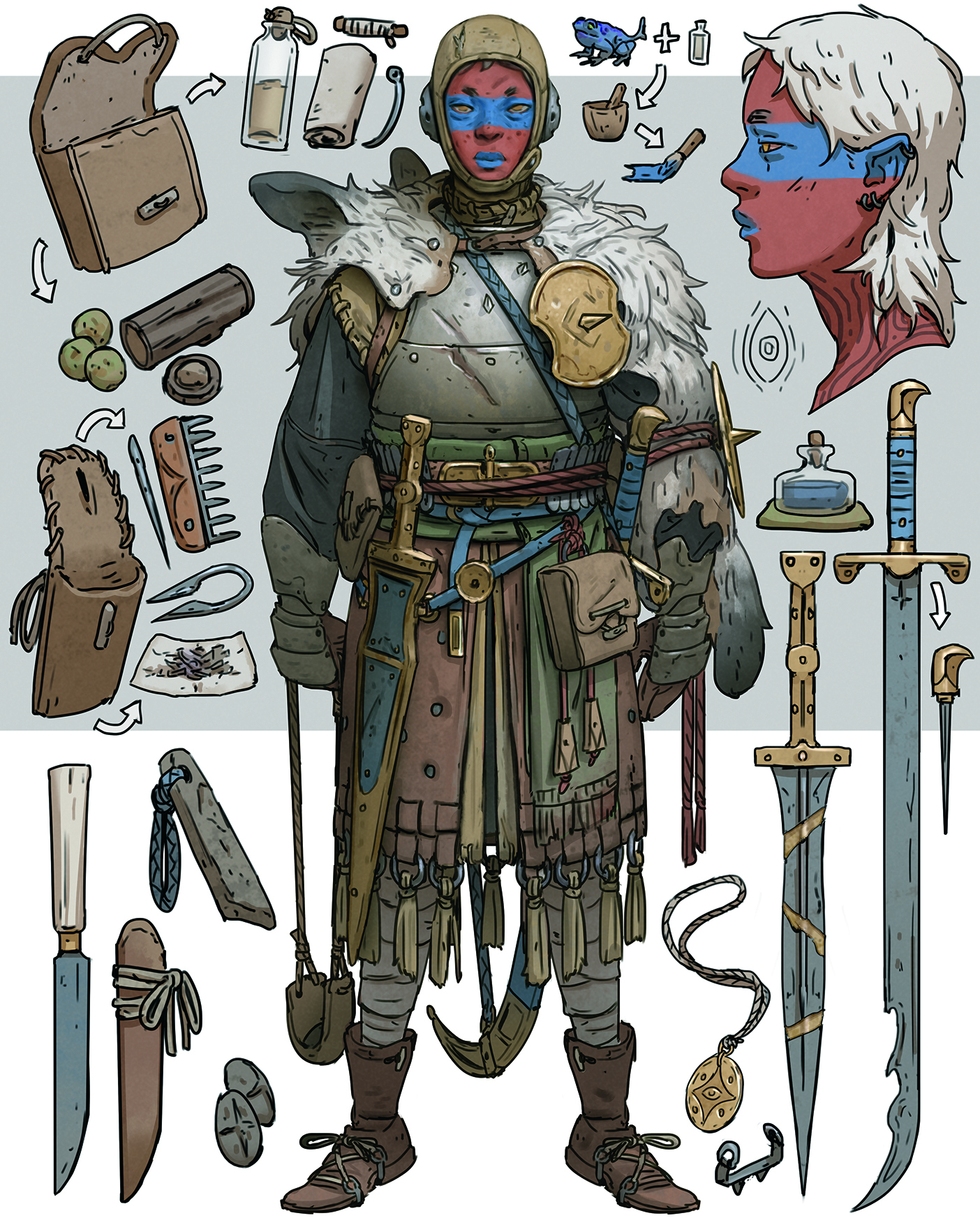
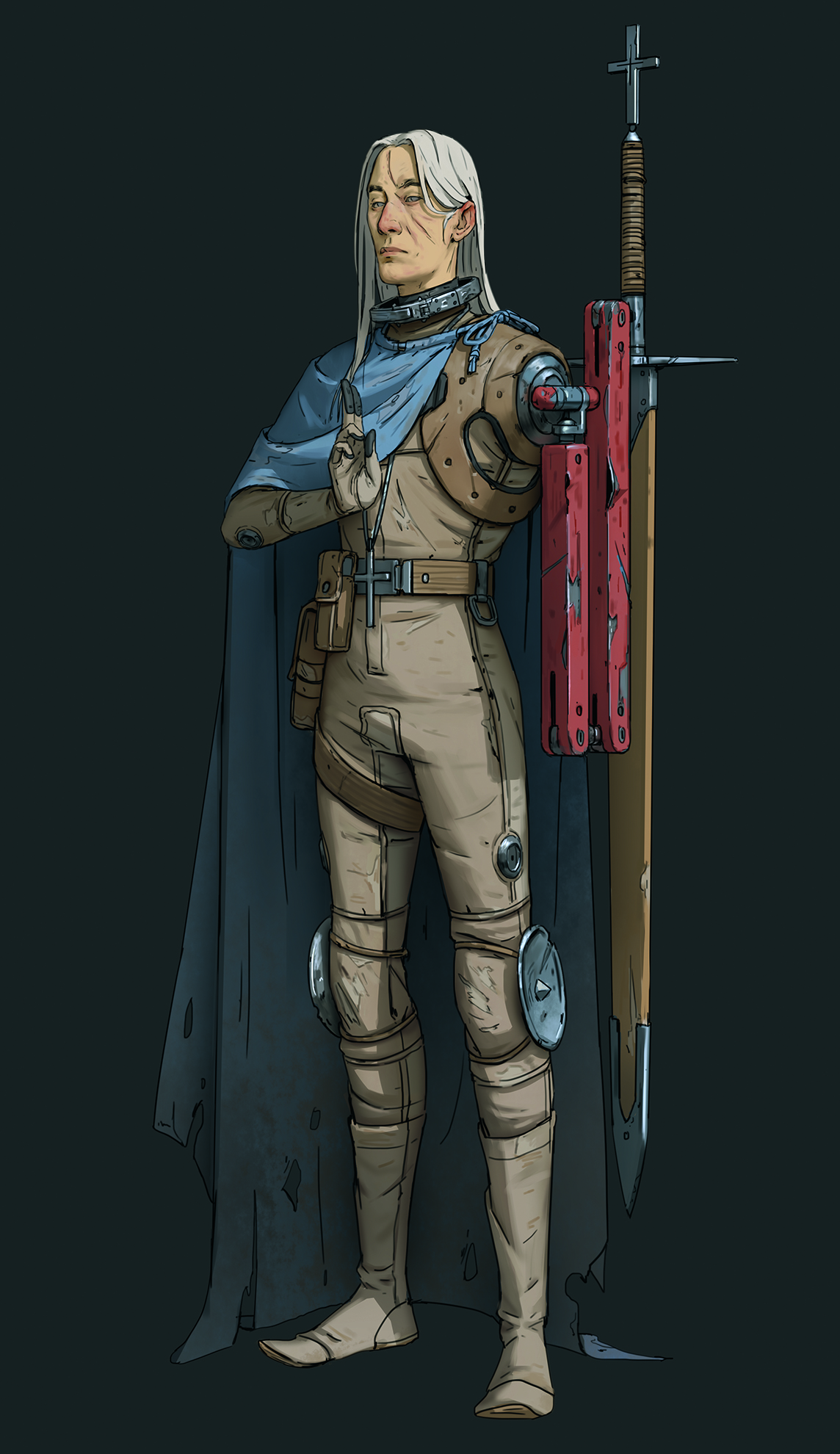
In a professional landscape often saturated with "heroic" proportions and symmetrical designs, Hristov seeks to capture the "artificiality-free" essence of a random moment. By treating a character concept as a candid photograph rather than a staged portrait, he imbues his work with a sense of authenticity. This technique is particularly effective in worldbuilding, as it suggests a world that exists beyond the frame—a reality where the character has a history, a routine, and a social context. His "nomadic hunter" and "apostle of the One Religion" concepts serve as prime examples, where the attire and equipment are not merely decorative but functional responses to the character’s specific environmental challenges.
The Accidental Professional: A Chronology of Career Development
Hristov’s path to the upper echelons of the freelance concept art world was notably non-linear, reflecting a common trajectory for many artists of his generation who entered the field during the digital art boom of the 2010s.
- The Non-Artistic Foundation: Hristov began his academic journey in a field entirely unrelated to digital illustration. This period of study provided a diverse intellectual background that would later inform the logical consistency of his worldbuilding.
- The Discovery Phase: While pursuing his original studies, Hristov began experimenting with digital tools, eventually securing an entry-level position that pivoted his career toward the gaming sector.
- Industry Integration: Over several years, he transitioned from a student of the craft to a professional freelancer, working alongside industry-leading artists and contributing to high-profile projects.
- Current Status: Today, Hristov operates as a high-level freelancer, balancing client work with expansive personal projects such as "Beyond the Void," a sci-fi exploration of space and theology.
His career evolution highlights a significant trend in the creative economy: the diminishing barriers to entry provided by digital tools, contrasted with the increasing difficulty of maintaining a long-term freelance career in a globalized market.
The Digital Art Market: Data and Economic Realities
The sector in which Hristov operates is part of a massive global industry. As of 2023, the global game art and design market is valued in the billions, with a compound annual growth rate (CAGR) that continues to outpace many traditional creative sectors. However, the rise of the "gig economy" within the arts has created a hyper-competitive environment.
According to industry surveys, freelance concept artists often face significant administrative burdens, including contract negotiation, tax management, and self-promotion. Hristov notes that while the "crazy" reality of being paid to design goblins or cosmic apostles is a dream realized, the logistical side of the profession is "more challenging than I could’ve ever imagined." This sentiment is echoed across the freelance community, where the "middle class" of artists must navigate a landscape of fluctuating project budgets and the constant need for skill acquisition.
Technical Foundations and the "Fundamentals" Debate
A recurring theme in Hristov’s advice to aspiring artists is the absolute necessity of mastering the "fundamentals"—anatomy, lighting, perspective, and composition. In the modern era of "one-click" filters and advanced software, the temptation to bypass traditional training is high. However, Hristov argues that neglecting these studies sets an artist up for long-term failure.
The digital art community is currently engaged in a rigorous debate regarding the role of formal education versus self-taught mastery. Platforms like ArtStation and ImagineFX have democratized access to high-level tutorials, yet the saturation of the market means that "good enough" is no longer a viable professional standard. Hristov emphasizes that even established professionals must avoid complacency, as the market is "oversaturated with amazing people" who possess decades of experience.
The Impact of Generative AI and Algorithmic Shifts
Hristov’s career coincides with what many describe as a "tectonic shift" in digital art, driven by the emergence of generative Artificial Intelligence (AI) and changes in how social media platforms distribute creative content.
The integration of AI into the creative workflow has sparked intense controversy. On one hand, it offers tools for rapid prototyping; on the other, it poses an existential threat to entry-level "production" art roles. Hristov views the current state of the industry as a "mixed bag." While accessibility to learning resources is at an all-time high, the algorithmic nature of platforms like Instagram and X (formerly Twitter) often prioritizes engagement metrics over artistic merit, making it difficult for nuanced, story-driven work to find an audience.
Furthermore, the treatment of artists by major corporations remains a point of contention. As companies seek to optimize costs, the human element of concept art—the "soul" and narrative intent that Hristov champions—is sometimes undervalued in favor of speed and volume.
Personal Projects as a Path to Autonomy
In response to the volatility of the freelance market, many artists, including Hristov, are turning toward independent content creation. Personal projects like "Beyond the Void" allow artists to retain creative control and build a direct relationship with their audience. This shift is supported by a growing infrastructure of crowdfunded platforms (such as Patreon and Kickstarter) and educational marketplaces (such as Gumroad).
For Hristov, personal projects are not just a creative outlet but a strategic necessity. They serve as a laboratory for testing new ideas—such as his recent interest in animation—and as a portfolio that demonstrates a unique vision to potential high-end clients. By moving beyond "just character concepts" and into the realms of world-building and movement, Hristov is positioning himself to remain relevant in a post-AI landscape where "human" creativity and complex narrative integration are the primary differentiators.
Broader Implications for the Future of Concept Art
The story of Pavel Hristov is emblematic of the broader challenges and triumphs of the modern digital artist. His journey suggests that the future of the industry lies not in technical wizardry alone, but in the ability to synthesize disparate influences—like Japanese street fashion—into a cohesive, believable world.
As the industry moves forward, several key implications emerge:
- The Premium on Narrative: As AI masters the "look" of high-fidelity art, the value of an artist will shift toward their ability to make narrative choices that AI cannot—creating characters that feel like "snapshots" of a real life.
- Diversification of Skills: The line between concept art, 3D modeling, and animation is blurring. Artists who can navigate multiple stages of the pipeline will have a significant competitive advantage.
- The Importance of Community: Despite the challenges of social media algorithms, the community fostered by publications like ImagineFX and platforms like Creative Bloq remains essential for the exchange of knowledge and the maintenance of professional standards.
Hristov’s immediate goals are grounded in the perpetual pursuit of improvement. "There’s always so much to learn," he states, a mantra that serves as both a warning and an invitation to the next generation of digital creators. In a world of rapid technological change, the artist’s role as a storyteller remains the most stable foundation for a career in the visual arts.