If Emmett Till Lived: Freedom on American Ground Exhibition Imagines an Unstolen Future

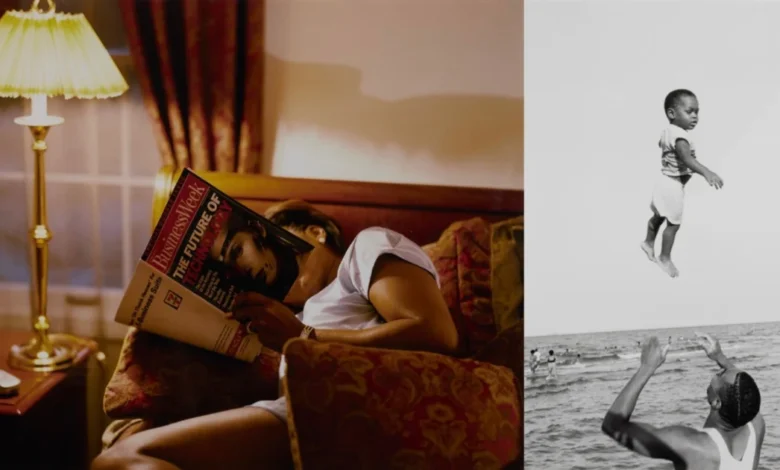
The Museum of Contemporary Photography (MoCP) at Columbia College Chicago has opened a profound and deeply reflective exhibition that confronts one of American history’s most enduring tragedies by reimagining it through the lens of potential. Titled If Emmett Till Lived: Freedom on American Ground, the exhibition runs through December 19, 2026. Rather than focusing solely on the brutality of the 1955 lynching that cut his life short, the curation utilizes the museum’s extensive permanent image collection to ask a haunting, transformative question: What would the life of a 14-year-old boy from Chicago have looked like had he been permitted to grow old?
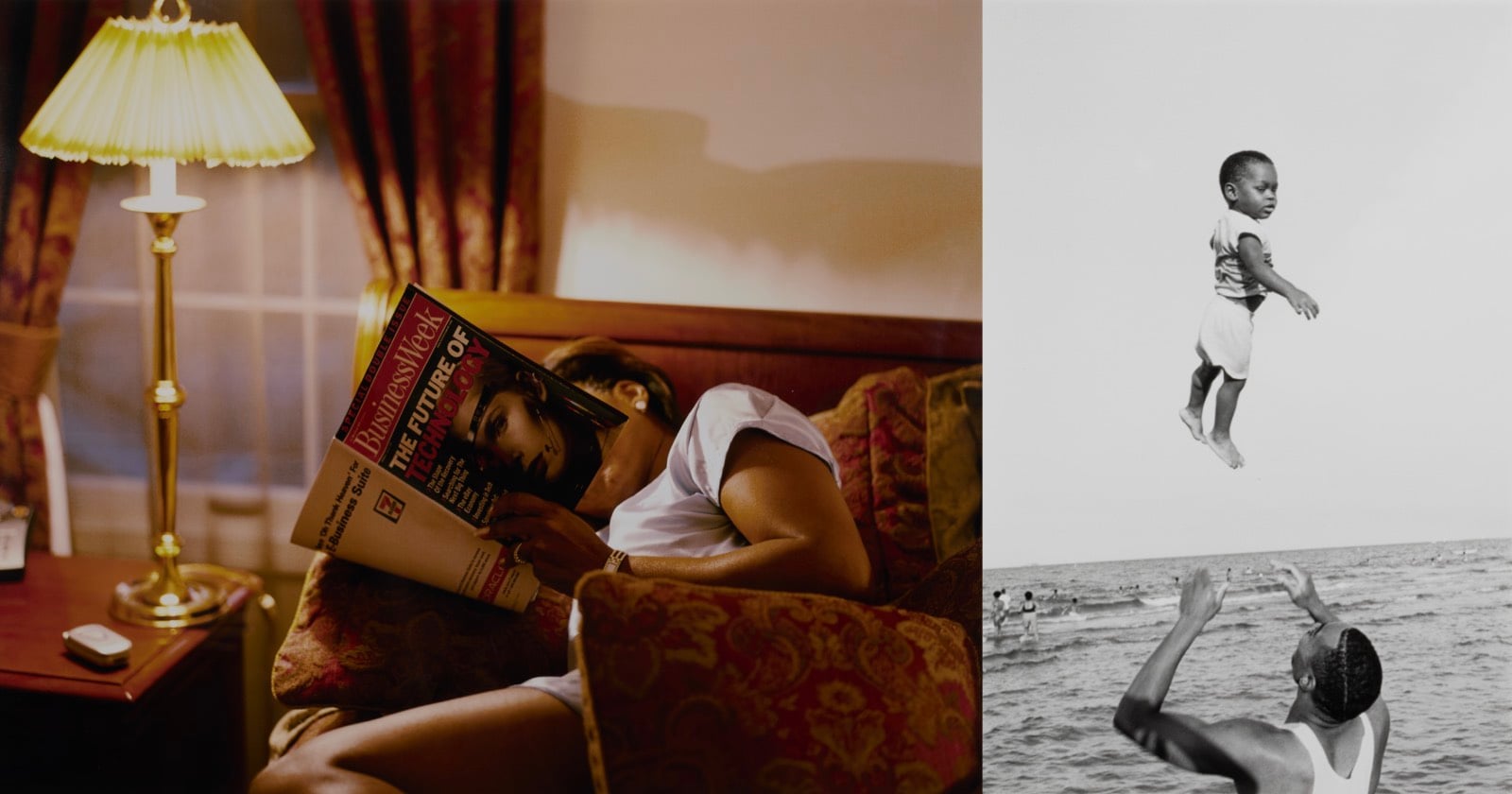
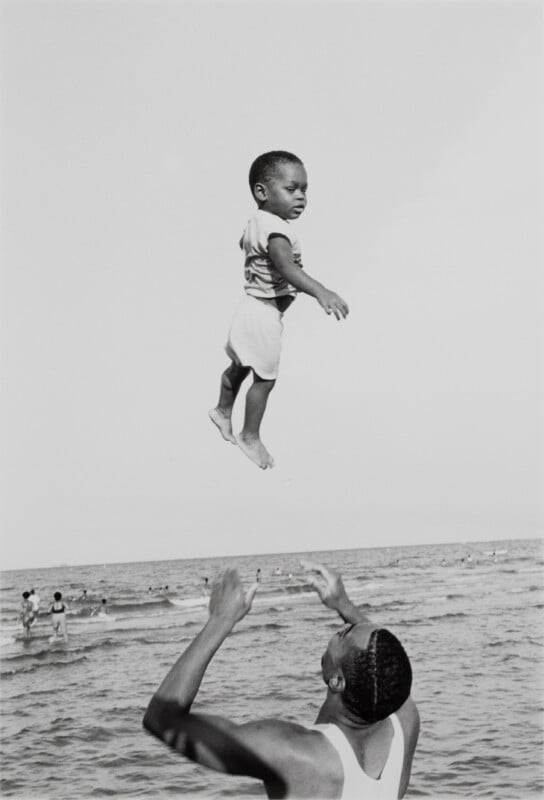
Curated by scholar and writer Sarah Lewis, the exhibition brings together works from several generations of iconic photographers. Through imagery that captures cross-country train tracks, everyday neighborhood interactions, family milestones, and monumental historical shifts—including the civil rights movement, the Chicago Bulls’ golden eras, and the historic election of Barack Obama—the showcase serves as a visual monument to a life denied. It reframes archival photography not just as a record of the past, but as a map of an untaken journey spanning roughly 70 years.
The 1955 Tragedy and Its Catalyst for Change
To understand the weight of the exhibition, one must return to the historical crucible of 1955. Emmett Till, a 14-year-old African American boy living in Chicago, traveled south to visit family in Money, Mississippi, during the summer. On August 28, 1955, Till was accused of making advances toward a white female cashier named Carolyn Bryant at a local grocery store.
Several days later, in the dead of night, Bryant’s husband, Roy Bryant, and his half-brother, J.W. Milam, abducted Till from his great-uncle’s home. The perpetrators subjected the teenager to a vicious beating, shot him in the head, tied a heavy cotton gin fan to his neck with barbed wire, and threw his mutilated body into the Tallahatchie River.
When Till’s body was recovered three days later, his mother, Mamie Till-Mobley, made the courageous and agonizing decision to hold an open-casket funeral in Chicago. Tens of thousands of mourners viewed his battered remains, and photographs published in black-owned media outlets like Jet magazine exposed the brutal reality of Jim Crow violence to the world. Despite overwhelming evidence, an all-white Mississippi jury acquitted Bryant and Milam of murder after a swift trial lasting just over an hour. Months later, the confessed killers gleefully detailed their crime in a paid Look magazine interview, insulated by double jeopardy.
The miscarriage of justice galvanized a nation. The brutality inflicted upon a child catalyzed the American Civil Rights Movement in ways that reverberated across legislative halls and public streets alike.
A Chronology of Consequence
The impact of Emmett Till’s murder was neither isolated nor fleeting; it served as a primary domino in a sequence of historic civil rights milestones:
- August–September 1955: Emmett Till is murdered in Mississippi; his open-casket funeral draws international outrage, followed by the swift acquittal of his killers.
- November 27, 1955: A mass rally is held in Montgomery, Alabama, featuring speeches by local activists and a then-little-known minister named Martin Luther King Jr., focusing heavily on the tragedy in Mississippi.
- December 1, 1955: Rosa Parks refuses to surrender her bus seat to a white passenger in Montgomery. Parks would later explicitly state that the image of Emmett Till was on her mind when she made her historic stand.
- September 1957: Following intense congressional debates influenced by the national outcry over civil rights abuses—including the Till case—President Dwight D. Eisenhower signs the Civil Rights Act of 1957, establishing federal protections for African American voting rights.
- 2022: President Joe Biden signs the Emmett Till Antilynching Act into law, officially designating lynching as a federal hate crime after decades of legislative delays.
- 2026: The Museum of Contemporary Photography hosts If Emmett Till Lived, marking what would have been Till’s 85th year of life.
Curatorial Vision and Archival Scope
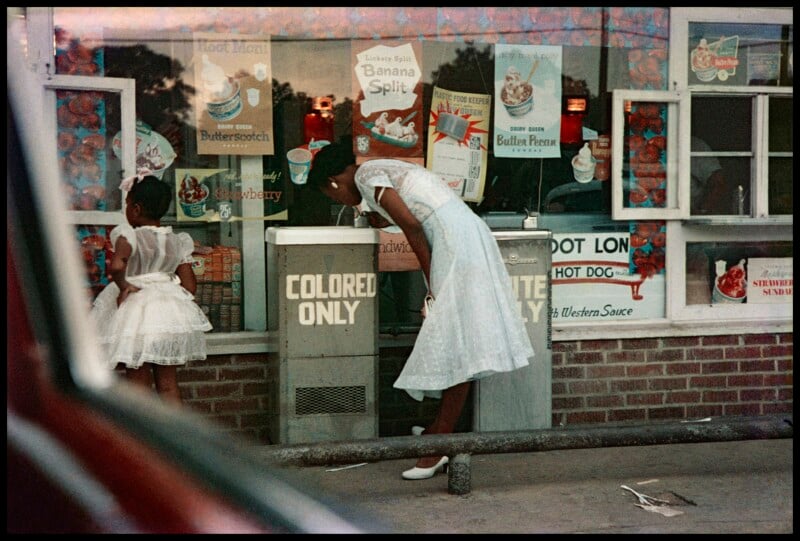
If Emmett Till Lived rejects the notion that Black history must be defined exclusively through suffering and victimization. Instead, it stakes a claim on the ordinary, beautiful, and complex milestones of a complete life.
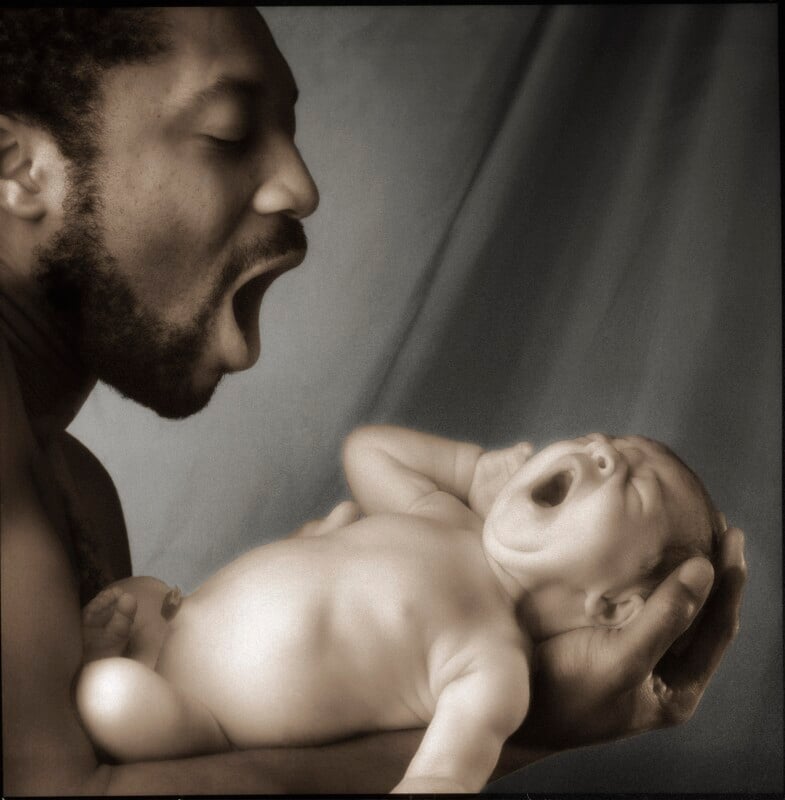
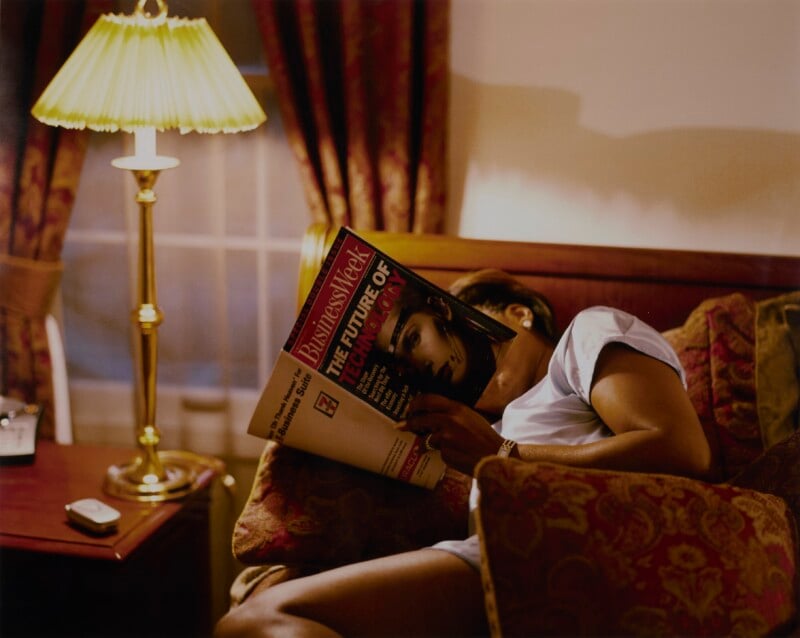
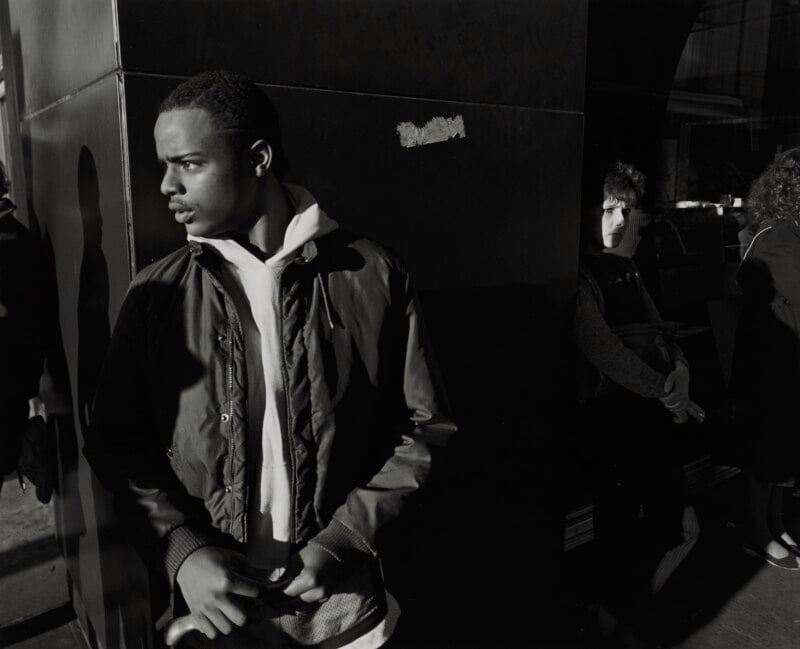
The exhibition weaves together photographs by renowned masters and contemporary artists—including Henri Cartier-Bresson, Dorothea Lange, Gordon Parks, Dawoud Bey, Teju Cole, Laylah Amatullah Barrayn, Carrie Mae Weems, Stephen Marc, and Sheila Pree Bright. The curation juxtaposes intimate family portraits, scenes of fatherhood, quiet domestic moments, and urban street life with iconic cultural flashpoints of the late 20th and early 21st centuries.
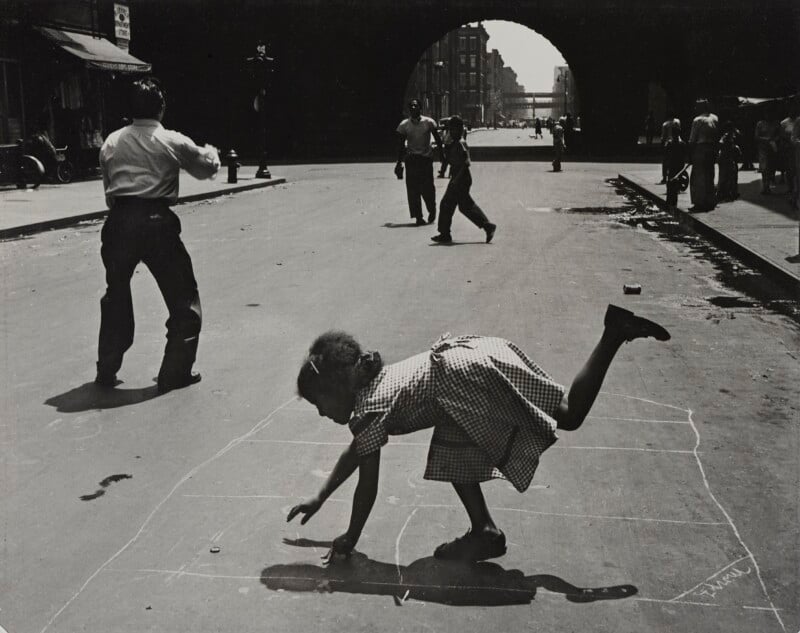
By placing Till conceptually within this timeline, the exhibition allows viewers to visualize him navigating adulthood through the turbulent 1960s, the cultural shifts of the 1970s and 80s, and into the modern era. Photographs of children playing behind American flags, commuters waiting for buses in Syracuse, and neighborhood life in Chicago construct a speculative biography rooted in dignity and presence.
Official Perspectives and Statements
Exhibition curator Sarah Lewis framed the necessity of the project through both a moral and historical lens, emphasizing that the questions raised by Till’s murder remain persistently unanswered in contemporary American society.
"Why create this show and publication now?" Lewis asked in an official statement released by the museum. "Because more than seventy years after Emmett Till’s death, we are still asking, have we made good on the sacrifice of his life? We should not have to ask this question."
Lewis elaborated on the emotional and artistic urgency driving the exhibition, noting that the project seeks to reclaim a stolen destiny.
"This show and the book that is its counterpart should not have to exist—and that is why I felt called to make them. They claim the ground of Till’s untaken journey from Mississippi back to Chicago," Lewis added. "His life is the epitome of the question we still grapple with today: Who has a right to the ground, to claim the right to stand? This exhibition and book are a creative monument to the life that Till—that anyone, any black or brown boy—has a right to live."
Broader Impact and Implications
The implications of If Emmett Till Lived extend far beyond the gallery walls of Columbia College Chicago. In an era where educational curricula regarding race, systemic violence, and civil rights face targeted legislative restrictions and cultural pushback across various states, the exhibition offers a vital counter-narrative. It insists on remembrance not as an act of mourning alone, but as an assertion of humanity.

By visualizing a life that was stolen, the exhibition challenges visitors to consider the collective loss borne by society when young Black lives are cut short by racial violence. It transforms historical empathy into an active, imaginative exercise, forcing an evaluation of the progress—and the persistent failures—of the American promise of equality and freedom.
As visitors walk through the galleries before the exhibition closes on December 19, 2026, they are invited not just to look at the photography of the past century, but to bear witness to a parallel universe where Emmett Till grew up, raised a family, cast votes, watched the Chicago skyline evolve, and walked freely on American ground.