The Ultimate Guide to Capturing Emotional First Look Moments in Wedding Photography

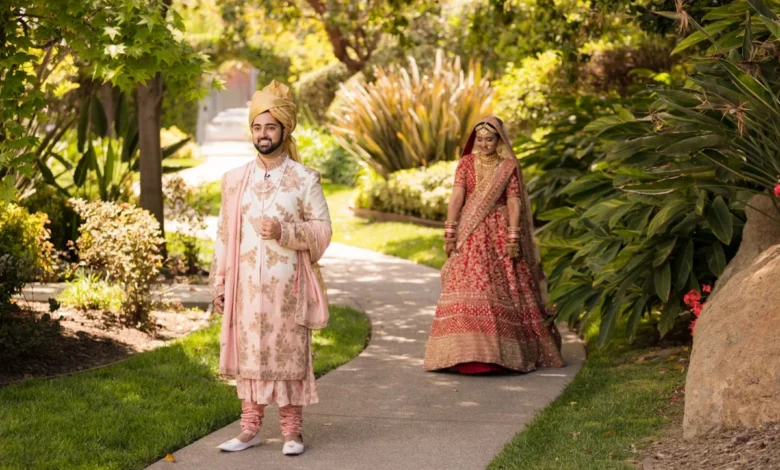
The first look has emerged as a cornerstone of modern wedding photography, representing a significant departure from long-standing cultural traditions. Historically, many Western wedding customs dictated that the bride and groom should not see each other until the moment the bride began her procession down the aisle. However, contemporary data from the wedding industry suggests a dramatic shift; recent surveys from major wedding planning platforms indicate that over 40% of couples now opt for a pre-ceremony private reveal. This transition is driven by a combination of logistical necessity and the desire for a more intimate, emotionally centered experience.

A first look is defined as a private, orchestrated meeting between the couple, occurring in a secluded location hours before the official ceremony begins. By moving this milestone to an earlier point in the day, couples are able to bypass the intense, public scrutiny of the aisle walk, allowing for a raw, unfiltered reaction. For professional photographers, this shift requires a high level of technical precision and strategic planning, as the window for capturing genuine emotion is brief and often unrehearsed.

The Logistical Advantages and Industry Implications
The primary driver for the rising popularity of the first look is the optimization of the wedding day timeline. Traditional schedules often force couples to squeeze all portrait sessions—including family, bridal party, and couple-only photos—into the narrow "cocktail hour" window between the ceremony and the reception. By conducting a first look, the couple can complete the vast majority of their formal portraits before the ceremony even begins.

From an operational standpoint, this allows for a seamless transition from the ceremony to the reception, which significantly improves the guest experience by reducing wait times. Furthermore, the first look mitigates the "ceremony stress" often felt by couples, as the private reveal serves as a grounding mechanism, allowing them to reconnect and settle their nerves before facing their guests. Photographers note that couples who opt for a first look generally exhibit more relaxed body language during the ceremony, as the initial adrenaline spike associated with seeing their partner has already been processed in a private setting.

Strategic Scouting and Environmental Considerations
The success of a first look rests heavily on the photographer’s ability to control the environment. Unlike the ceremony, where the setting is fixed, the first look offers the opportunity to curate a backdrop that enhances the emotional narrative. Professional standards dictate that photographers must scout the venue at least one hour before the scheduled reveal.

An ideal location should be characterized by high-quality, diffused light—typically found in open shade or indoors near large, north-facing windows. A cluttered background, such as a parking lot or an area with high foot traffic, can distract from the intimacy of the moment. Photographers look for "clean" compositions where the background depth of field can be compressed, ensuring the focus remains entirely on the subjects’ facial expressions. For indoor scenes, architects and venue managers often recommend spaces with neutral color palettes and architectural features that provide depth without competing with the couple for visual dominance.

Technical Requirements for Professional Execution
Capturing a high-stakes moment like a first look requires a disciplined approach to camera settings and equipment. Because the action is spontaneous, there is no opportunity for a "second take" that captures the same level of surprise.

- Lens Selection: A versatile zoom lens, such as a 28-70mm f/2 or a 70-200mm f/2.8, is considered the industry standard. These lenses allow the photographer to maintain a respectful distance while simultaneously capturing wide environmental shots and tight, intimate close-ups of expressions.
- Exposure Consistency: Photographers must shoot in manual mode. Relying on auto-exposure in a dynamic, high-emotion situation can lead to inconsistent results, particularly if the lighting changes as the couple moves. A shutter speed of at least 1/500th of a second is recommended to freeze motion, especially if the couple is moving toward one another.
- Synchronization: When working with a team, all camera internal clocks must be synchronized to the exact second. Post-production workflows depend on this alignment to ensure that the sequence of events, from the bride’s approach to the groom’s initial reaction, can be reconstructed in perfect chronological order.
Team Coordination and The "Second Shooter" Protocol
In professional wedding photography, the lead shooter is typically responsible for capturing the bride’s approach, while the second shooter is positioned to observe the groom. This coordination is essential. Before the reveal, the second shooter must communicate with the lead via radio or hand signals to ensure the groom is perfectly positioned.

The groom should be directed to face away from the bride’s entry point. The second shooter must act as a "buffer," ensuring that the groom does not turn prematurely. A common technique involves the bride tapping the groom on the shoulder, a controlled action that signals the start of the interaction. This moment is often the most critical in the entire wedding collection, and both photographers must remain invisible to each other to avoid crossing into the other’s frame.

Expanding the First Look: Beyond the Couple
While the term "first look" is synonymous with the couple, the practice has expanded to include other significant figures in the wedding party. Professional photographers are now frequently booked to document first looks between the bride and her father, or the bride and her bridesmaids.

These moments serve as a bridge between the private preparations and the public celebration. For instance, the "reveal" to bridesmaids is often characterized by high energy and joy, providing a stark contrast to the quiet, romantic tone of the couple’s first look. These images are increasingly valued by clients as they document the breadth of support and familial relationships that define the wedding day.

Navigating the Collaboration with Cinema Teams
Modern weddings often feature both a photo and a cinema (video) team. Tension can arise if roles are not clearly defined during the first look. Best practice in the industry involves a "staged" approach: the photographers capture the authentic, candid reaction first, followed by a brief, controlled re-enactment for the videographers. This allows the cinema team to utilize equipment like gimbals and sliders to capture cinematic motion, without obstructing the photographers’ clean angles. Clear communication between the lead photographer and the head videographer in the days leading up to the event is mandatory to prevent conflict.

The Long-Term Impact on Wedding Documentation
The first look has fundamentally altered the aesthetic and emotional arc of wedding albums. By removing the pressure of the aisle-walk reveal, the ceremony itself becomes a more ritualistic experience rather than a high-pressure performance. Data shows that albums featuring a first look often contain a higher density of candid, emotional portraits, as the couple has already moved past the initial shock of seeing one another in their wedding attire.

As the industry continues to evolve, the first look remains a testament to the prioritization of the couple’s emotional well-being over rigid adherence to traditional timelines. It is a moment of professional discipline meeting human vulnerability, requiring the photographer to act as both a technical master and a silent, unobtrusive observer of one of life’s most significant personal milestones. Whether the event is an intimate elopement or a grand, multi-day affair, the successful execution of a first look remains a hallmark of a well-planned and thoughtfully documented wedding.
Related posts: