Veo Unveils Rover: How Denver’s New Electric Trike Is Redefining Inclusive Urban Micromobility

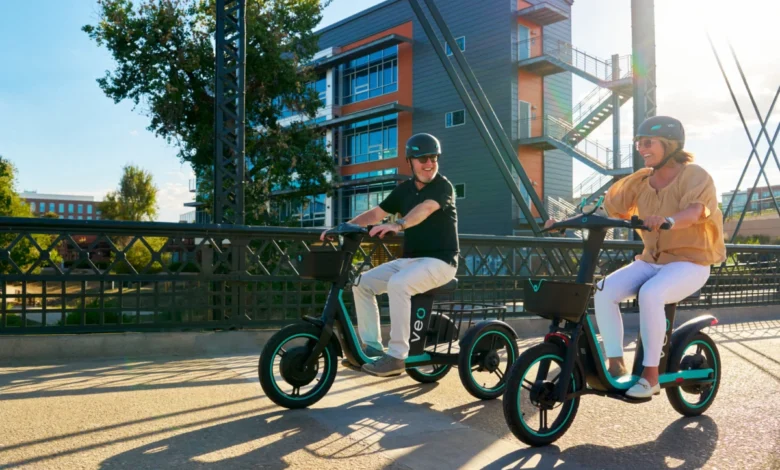
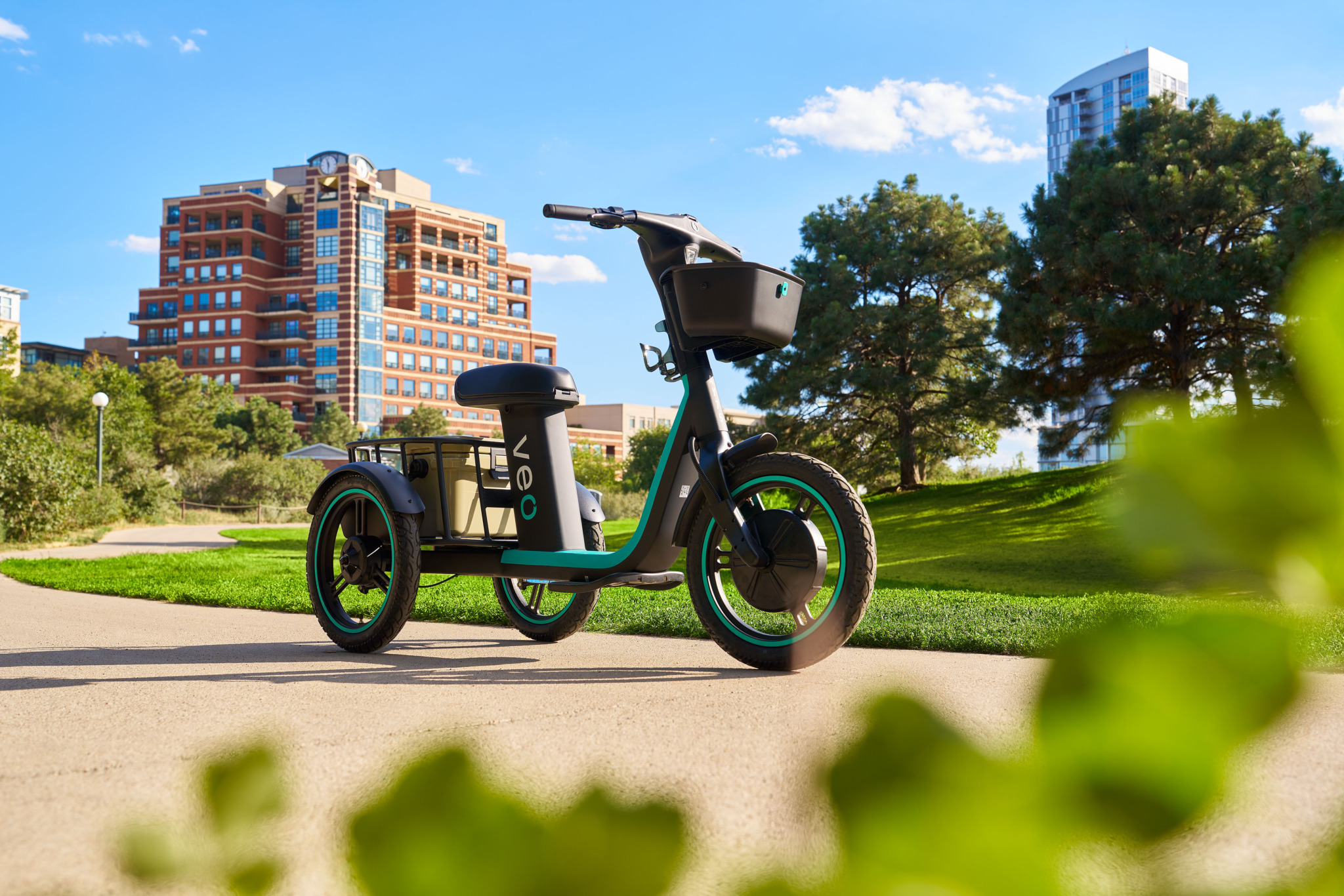
The landscape of urban transportation is undergoing a quiet yet profound transformation, one designed to bridge the gap between traditional mobility solutions and the diverse needs of modern city dwellers. In downtown Denver, a distinctive new vehicle has begun making its rounds among the standard fleet of shared e-bikes and standing scooters. Low to the ground, equipped with a cushioned seat, and featuring dual cargo baskets at either end, the Rover electric tricycle represents a significant leap forward in the design of shared micromobility. Manufactured and deployed by Veo—a prominent shared micromobility provider operating across more than 60 cities and university campuses—an initial fleet of 50 Rover units is currently operational in Denver. This rollout serves as a crucial testing ground for gathering rider feedback before the company launches a full, citywide deployment.
The introduction of the Rover is not merely an expansion of vehicle variety; it is a calculated response to long-standing criticisms regarding the exclusivity of contemporary shared transit options. For years, the rapid growth of urban e-scooters and dockless bikes has offered efficient, environmentally friendly transit for able-bodied commuters while inadvertently sidelining seniors, individuals with mobility impairments, and those uncomfortable with the physical demands of standing or balancing on two wheels. By reimagining the form factor of the shared electric vehicle, Veo’s latest offering aims to democratize urban travel, ensuring that micro-transit networks serve entire communities rather than select demographics.
From Concept to Curb: The Collaborative Development Timeline
The journey toward the Rover’s debut on Denver’s streets spans several years of intensive research, human-centered design iterations, and strategic partnerships. Recognizing that in-house manufacturing provided a unique advantage in custom vehicle development, Veo initiated its inclusive design initiative in early 2024. Rather than relying solely on internal engineering assumptions, the company established a collaborative network involving hundreds of riders and more than 20 specialized organizations.
Among these partners were prominent advocacy groups such as the Parkinson’s Foundation and Capitol Hill Village, organizations intimately familiar with the daily transit challenges faced by older adults and individuals with neurodegenerative conditions or physical disabilities. These partnerships ensured that every phase of the Rover’s physical architecture—from its mounting height and riding posture to its center of gravity and cargo capacity—was scrutinized through an accessibility lens.
Further refining this developmental approach, Veo integrated data from its comprehensive 2025 annual rider survey. Notably, 24 percent of the survey’s respondents explicitly identified as having a disability. This statistical insight directly informed the vehicle’s ergonomic adjustments, confirming a substantial market demand for a stable, seated alternative to traditional scooters. The convergence of targeted organizational feedback and quantitative survey data culminated in a vehicle tailored specifically to bridge the accessibility gap in shared public transit.
Engineering for Stability and Practical Utility

The Rover distinguishes itself through a meticulous balance of safety engineering, functional utility, and user-friendly performance specifications. At its core, the vehicle utilizes a three-wheel architecture, which inherently eliminates the balancing act required by conventional e-bikes and standing scooters. This stability is particularly advantageous for riders with conditions affecting balance, motor control, or joint strength.
Equally central to the Rover’s design is its emphasis on cargo capacity and physical ease. The vehicle features dual baskets—positioned at the front and rear—capable of accommodating up to 100 pounds of combined payload. This spacious storage arrangement allows users to transport groceries, personal luggage, or vital mobility aids, transforming the trike from a simple commuting tool into a practical utility vehicle for daily errands.
To mitigate physical exertion, the Rover incorporates a responsive throttle-assist system. This feature reduces the strain of pedaling or navigating inclines, making urban topography accessible to riders with limited stamina or strength. Geared specifically for neighborhood transit, the electric trike maintains a capped top speed of 10 miles per hour. This velocity strikes a deliberate balance between efficient neighborhood travel and pedestrian safety, ensuring riders can navigate shared pathways and dense urban environments with confidence and control.
Industry Perspectives and the Push for Inclusive Infrastructure

The arrival of the Rover has drawn praise from urban planners, transit advocates, and disability rights organizations who have long championed a more inclusive approach to city mobility. Anna Zivarts, director of the Nondrivers Alliance and author of When Driving Is Not an Option, has been a vocal critic of the exclusionary nature of early micromobility trends.
“For too long, shared micromobility has excluded many disabled people and others who don’t feel comfortable using a standing scooter or pedal bike,” Zivarts notes, highlighting the systemic barriers built into modern urban transport systems. The exclusion of non-drivers—whether by choice, age, economic circumstance, or physical ability—has historically restricted access to employment, healthcare, and social engagement. Vehicles like the Rover, transit experts argue, represent a vital correction, validating the principle that public infrastructure must accommodate all members of society.
Veo’s leadership echoes this sentiment, framing the Rover as a milestone in the evolution of shared transit. Candice Xie, co-founder and CEO of Veo, emphasizes that the future of the industry hinges on psychological and physical accessibility.
“The future of micromobility is about giving more people the confidence to ride,” says Xie. Reflecting on the company’s trajectory, she notes that Veo has spent years pioneering seated scooters and developing specialized hardware in tandem with disability advocates and older adults. “Rover is our most community-informed vehicle to date, shaped in partnership with the people it was built to serve.”

Broader Implications for Denver and the Micromobility Sector
The deployment of the 50 trial units in Denver integrates into an already established urban ecosystem. Veo maintains a substantial presence in the Mile High City, boasting a fleet of approximately 9,000 shared bikes and scooters. The introduction of the Rover alongside four other Veo vehicle types positions Denver as a primary testing ground for multimodal, highly segmented fleet management.
From a municipal planning perspective, the integration of accessible tricycles addresses city-level carbon reduction and traffic mitigation goals by expanding the demographic pool willing to forego private automobile use for short trips. When older adults and individuals with disabilities can reliably access shared micro-transit, cities unlock new pathways for active aging and independent living.
Furthermore, the success of the Rover pilot in Denver could establish a new regulatory and operational benchmark for other metropolitan areas across North America. As municipal contracts for shared mobility services increasingly emphasize equity, accessibility, and universal design, operators failing to offer inclusive vehicle options may find themselves at a competitive disadvantage.

Looking Ahead: Availability and Market Positioning
While the Rover represents a significant technological and social advancement in shared fleets, access to the vehicle remains strictly controlled. At present, the electric trike is available exclusively through Veo’s shared micromobility network in Denver and is not offered for individual consumer purchase. This operational model ensures proper maintenance, equitable distribution across neighborhoods, and compliance with local municipal transit regulations.
As the pilot phase progresses, data gathered from the initial Denver deployment will likely guide the timeline for wider geographic expansion. For the residents testing the vehicles today, the Rover is more than just a new way to get across town—it is a tangible acknowledgment of their right to move freely through their city.
Related posts: