Reflections at Tribeca: Twenty-Five Years of Bridget Jones’s Diary and the Enduring Power of Unglamorous Authenticity


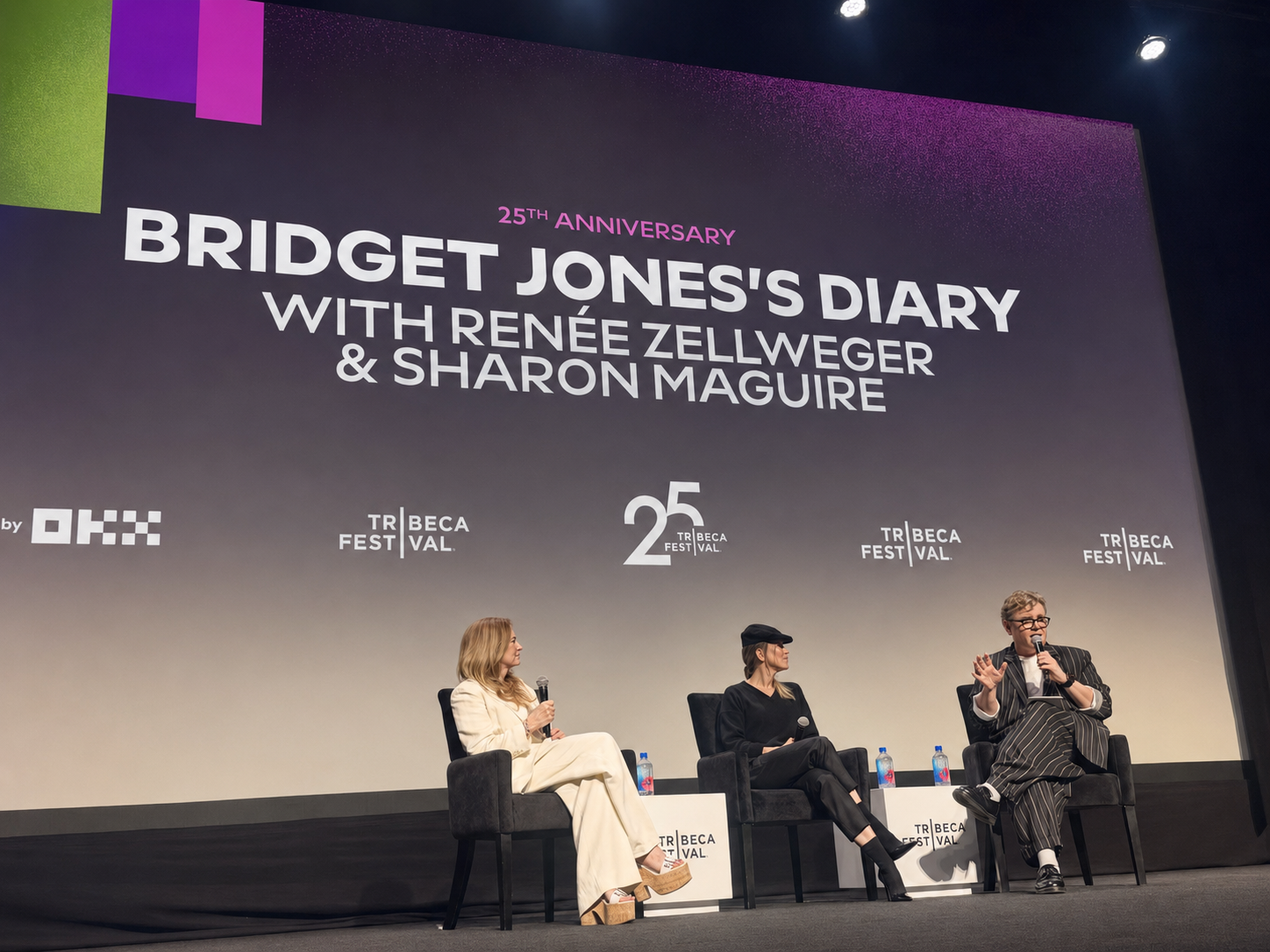
The 2026 Tribeca Festival marked a quarter-century since the theatrical release of Bridget Jones’s Diary by hosting a landmark retrospective screening that brought together director Sharon Maguire, lead actress Renée Zellweger, and moderator H. Alan Scott. The event served not merely as a celebration of a cinematic milestone, but as a critical examination of how the romantic comedy genre has evolved over the past twenty-five years. Against the backdrop of a shifting media landscape and shrinking budgets for mid-tier feature films, the anniversary screening provided a rare opportunity to dissect the production history, cultural impact, and lasting design philosophy behind a film that redefined modern cinematic character development.
From Unfinished Cuts to Box Office Success: A Chronology of the 2001 Release

The journey of Bridget Jones’s Diary to the silver screen was fraught with last-minute hurdles and widespread industry skepticism. In the days leading up to its initial release in the spring of 2001, the production team was working against the clock. Director Sharon Maguire was still completing the final audio dub minutes before the film’s very first screening for critics. Not present in the auditorium, Maguire learned of the film’s potential resonance only when a producer phoned to report that several critics had spontaneously stood up and applauded at the credits.
This unexpected positive reception preceded formal reviews or a major New York premiere. When the official Ziegfeld Theatre premiere finally arrived, actor Hugh Grant—who had not yet seen a complete cut of the film—sat directly behind Maguire. Ten minutes into the screening, Grant offered a whispered assessment: "Shars, this is actually quite good." Shortly thereafter, another tap on the shoulder yielded a more self-deprecating critique: "You know what’s worse? Mrs. Firth is actually better than me." Grant’s in-joke on set, where he and Colin Firth referred to each other as Mr. Grant and Mrs. Firth, underscored the formidable comedic and dramatic presence Zellweger brought to the title role.
Despite these promising internal indicators, the pre-release period was defined by intense public scrutiny and skepticism, particularly regarding the casting of an American actress as a definitive British literary icon. Written by Helen Fielding and adapted from her bestselling novel, the character of Bridget Jones was deeply rooted in the specific socio-cultural landscape of 1990s London. The announcement that Texan-born Renée Zellweger would assume the role triggered severe tabloid criticism and widespread doubts across the British press.
Beyond the casting controversy, the initial press cycle was heavily preoccupied with Zellweger’s physical transformation for the role. To embody Bridget, Zellweger gained approximately twenty pounds, a creative decision that media outlets frequently treated as the primary headline rather than a secondary facet of a character performance. Publications including the New York Post and Variety ran headlines and reviews that fixated on the actress’s weight and appearance, a critical framework that persisted even through the release of the sequel three years later. Despite this hostility, Zellweger’s flawless adoption of the British accent and her uncompromising physical commitment ultimately silenced detractors and cemented her status as an international cinematic icon.
The Design Philosophy of Unglamorous Specificity
During the Tribeca retrospective panel, the conversation shifted from historical trivia to an analysis of the film’s enduring creative choices. Maguire emphasized that the core strength of the adaptation lay in its preservation of texture rather than a strict adherence to traditional plot structures. The film leaned heavily into specific, everyday cultural markers: turkey curry buffets, mini-breaks, office email flirtations, chardonnay, and the now-iconic control-top underwear colloquially known as "big pants."
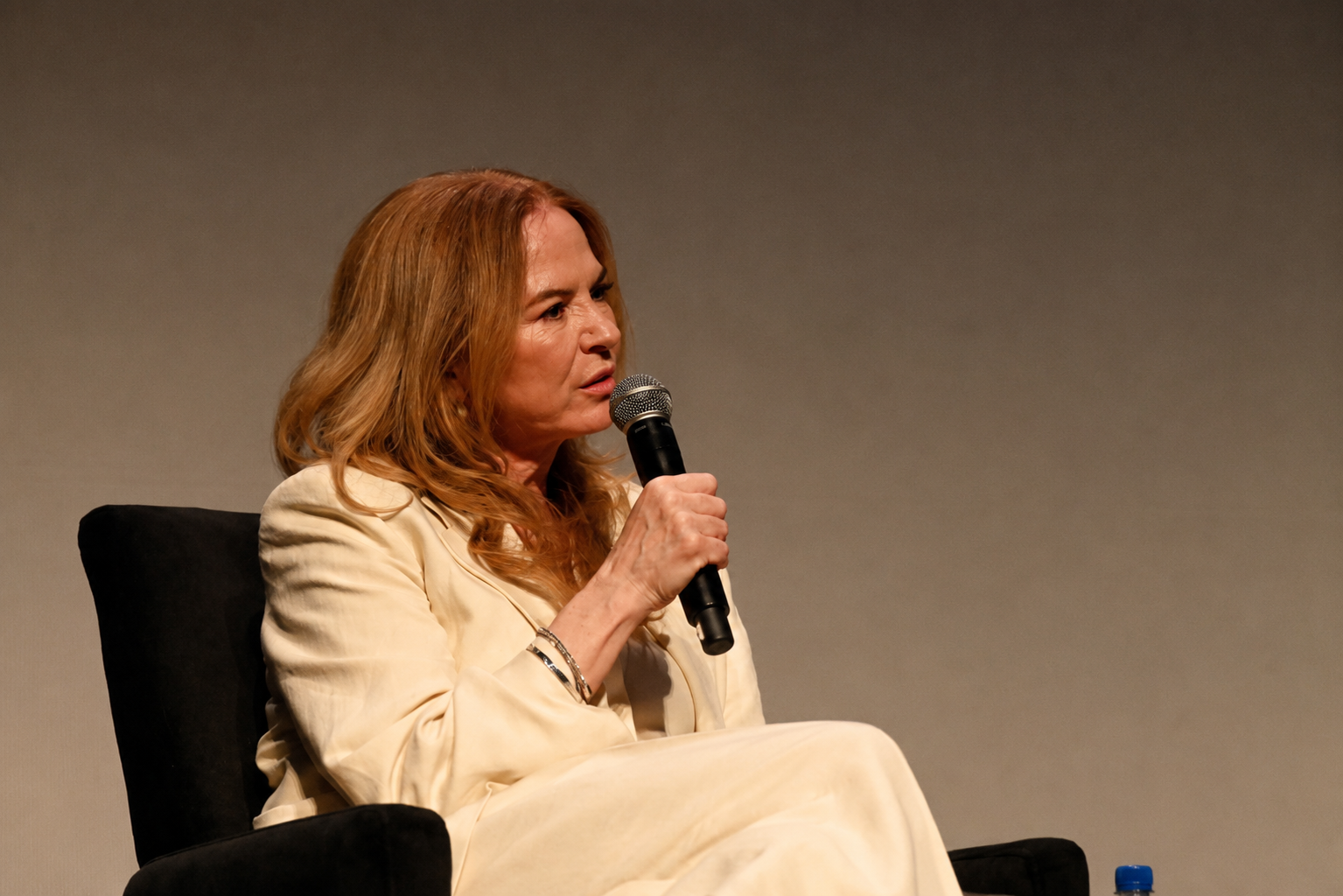
Maguire recalled that male members of the production crew initially struggled to comprehend the narrative significance of the undergarments. She was forced to explain their practical function: control-top shapewear worn on a first date that must be meticulously removed before romantic escalation. This reliance on hyper-specific, unglamorous details became the foundational design philosophy of the project. While traditional romantic comedies prior to 2001 typically featured polished, aspirational heroines designed to fit a narrow beauty paradigm, Bridget Jones’s Diary deliberately discarded that template.
This commitment to authenticity extended directly to Zellweger’s physical performance. The actress noted the rare professional freedom she experienced on set—permission to cry with running mascara, sport a snotty nose, or let her hair unspool in the wind without constant intervention from hair and makeup departments between takes. This lack of vanity was not treated as a limitation, but as the core engine of the character work. By refusing to soften the character’s physical flaws or awkward vulnerabilities, the filmmakers created a protagonist whose life felt genuinely lived-in. Consequently, a narrative built around the specific neuroses of one British woman achieved universal resonance across global audiences who recognized their own daily anxieties in Bridget’s behavior.
Industry Shifts, Financing Realities, and Economic Implications

The retrospective also addressed the broader economic realities of contemporary filmmaking, highlighting the vast chasm between the industry standards of 2001 and those of the mid-2020s. Maguire noted that the original budget for Bridget Jones’s Diary was approximately $46 million—a robust mid-tier financial footprint that allowed for extensive shooting schedules and careful artistic development.
In contrast, contemporary filmmakers attempting to mount a comparable mid-budget romantic comedy or character-driven drama today face severe systemic hurdles. Panelists observed that a similar project in the current market would likely struggle to secure $11 or $12 million, compressed into an accelerated seven-week production schedule. Zellweger attributed this contraction to the fragmentation of audience attention and the gradual erosion of the shared theatrical window that once guaranteed reliable box office returns. Describing the current climate for independent and mid-tier creators, Zellweger offered a pragmatic assessment of the artistic resilience required to navigate the modern studio ecosystem.
Despite these economic challenges, both creators continue to drive significant projects forward. Maguire recently completed production on a new feature starring Colin Firth, Julianne Moore, and Laura Linney, which explores the cultural phenomenon surrounding the 1972 sex manual The Joy of Sex. Meanwhile, Zellweger’s production company, Big Picture, spearheaded a three-generation family drama titled A Woman in the Sun, starring Zellweger alongside Sissy Spacek, which launched to international buyers at the Cannes Film Festival. These ongoing ventures underscore the continued viability of character-driven storytelling, even as industry financing structures undergo radical transformation.

Legacy and Cultural Afterlife
Twenty-five years after its theatrical debut, Bridget Jones’s Diary occupies a unique space in contemporary culture. During the Tribeca conversation, Zellweger remarked that everyday interactions with the public have fundamentally changed; strangers rarely approach her as a detached celebrity, instead immediately sharing their own personal "Bridget" anecdotes or debating which of their friends best embodies the character. Maguire echoed this sentiment, noting that she still recognizes aspects of her own personality in Bridget—a fitting parallel, given that author Helen Fielding originally modeled Bridget’s fictional friend Shazzer on Maguire herself.
The enduring success of the film offers a lasting lesson for creators across disciplines—whether in narrative filmmaking, animation, or brand design. The project demonstrates that lasting cultural impact is rarely achieved through generalized polish or manufactured perfection. Instead, it is the embrace of hyper-specific, embarrassing, and unglamorous truths that allows a character or a world to transcend its initial release window and establish a permanent place in the cultural lexicon.