When Fine Jewelry Meets Home Design: Inside the L’OBJET x Jessica McCormack Collaboration

The intersection of luxury home decor and fine jewelry craftsmanship has reached a new milestone with the debut of the L’OBJET x Jessica McCormack collection. This collaboration marks a significant departure from conventional decorative arts, treating marine-inspired motifs—such as shells, spirals, and ropes—not merely as surface ornamentation, but as foundational architectural building blocks. By translating the exacting precision, intimate scale, and meticulous detail characteristic of high-end jewelry into functional domestic objects, the London-based jewelry designer Jessica McCormack and the luxury design house L’OBJET have established a fresh design vocabulary for the modern table and living space.
Main Facts of the Collection

Encompassing an expansive array of home goods, the collaborative line features champagne and ice buckets, decorative platters, serving bowls, mirrors, a sculptural caviar dish, picture frames, vases, and L’OBJET’s inaugural line of cutlery. Rather than simply applying nautical patterns to pre-existing silhouettes, the creators integrated marine forms into the actual structure of the items. For instance, a naturalistic shell directly forms the body of a serving dish, while a geometric spiral acts as a functional mirror stand.
The material palette reinforces the connection to fine jewelry-making. Fine bisque porcelain is juxtaposed with hand-painted 24-karat gold, while complex hand-sculpting techniques and intricate metalwork elevate everyday items to objects of high art. The incorporation of a twisted corde motif—borrowed directly from fine jewelry construction—serves as a visual thread throughout the entire series. Whether outlining the perimeter of a serving platter or forming the structural handle of an ice bucket, this continuous line creates a cohesive aesthetic across products with vastly different domestic functions.
Chronology and Background of the Partnership
The creative partnership between L’OBJET and Jessica McCormack did not materialize overnight; it represents the culmination of years of mutual professional admiration between L’OBJET founder and creative director Elad Yifrach and McCormack. Both designers had independently explored nautical themes in their previous portfolios. McCormack notably engaged with the subject in her acclaimed 2023 "Beaches" jewelry collection, which explored coastal geometry and organic forms through precious metals and gemstones. Similarly, marine references have long been embedded in the design lexicon of L’OBJET, a brand renowned for its luxurious interpretations of the natural world.
However, according to Yifrach, the collaboration was catalyzed less by a shared visual motif and more by a shared ethos. The conceptual phase began with an intangible feeling centered on the intimacy and precision inherent to fine jewelry—qualities that are rarely afforded to domestic objects. The dialogue between the two designers focused on how to scale down the meticulous standards of wearable art so that they could be successfully applied to objects held in the hand or placed at the center of a dining table.
Supporting Data and Design Evolution

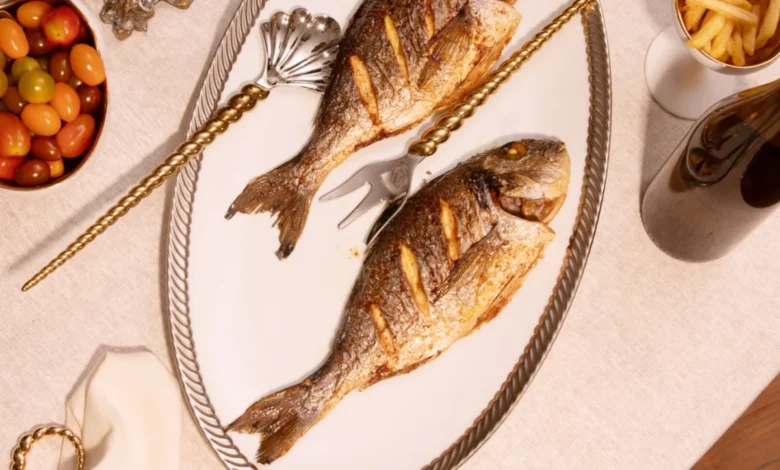
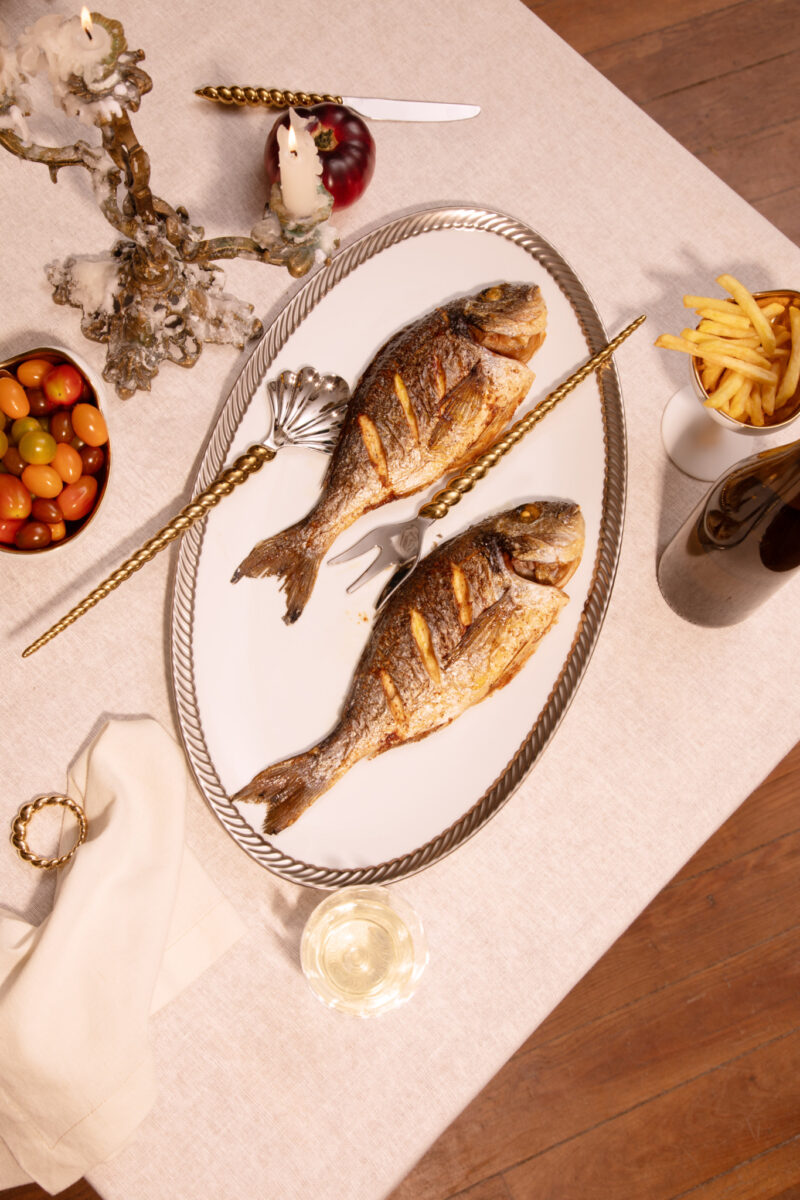
A primary triumph of the collection is the introduction of L’OBJET’s first-ever cutlery line. Developing flatware presented a unique engineering and artistic challenge: ensuring that utensils functioned ergonomically while retaining the light-capturing properties and fine details of a luxury ring or necklace.
The flatware handles merge several distinct motifs from the collection, transitioning seamlessly from a braided corde texture into an organic shell shape before terminating in a sharp, elegant spiral at the tip. This multi-stage design logic is emblematic of the broader collection strategy. By shifting the scale of these objects—ranging from a piece of cutlery held delicately between the fingers to a heavy champagne bucket anchoring a tablescape—the designers ensured that the pieces maintained their sculptural integrity regardless of size.
Official Responses and Statements

Industry reactions to the partnership emphasize its innovative approach to luxury material culture. Elad Yifrach has been vocal about the conceptual guardrails established during the design process, noting the inherent risks of working with nautical themes.
"The danger with shells and spirals is that they can tip into souvenir territory very quickly," Yifrach observed during the collection’s rollout. "What kept us honest was treating them as structure rather than ornament… When a form is doing something functional, it earns its place. That’s always been true across L’OBJET’s work, and here, with Jessica, it meant the sea stayed a sensibility rather than a theme."
Elaborating on the transition from wearable adornment to home decor, Yifrach explained the rationale behind entering the flatware category. "I didn’t want our first set to be an obvious one—I wanted it to feel like jewelry you’d pick up at the table," he said. "Flatware is essentially wearable-scale object design: It has to sit beautifully in the hand, catch light the way a ring does, hold detail at a very small size."

Jessica McCormack echoed these sentiments, highlighting how the venture allowed her to transpose signature design elements into an entirely new physical context. "This collection brings together some of my favorite design motifs and perfectly translates the intimacy and craftsmanship of jewelry into everyday pieces for the home," McCormack stated. "Jewelry has always been a source of inspiration for me—its intimacy, its precision. With Elad, we wanted to bring that sensibility into the home, to create objects that feel both personal and essential."
Broader Market Impact and Industry Implications
The launch of the L’OBJET x Jessica McCormack collection reflects a broader contemporary trend within the luxury design sector: the blurring of lines between fashion, fine jewelry, and interior architecture. As high-net-worth consumers increasingly view their living spaces as extensions of their personal style and collections of wearable art, collaborations between fashion and home brands have multiplied.

By utilizing precious metals like 24K gold and employing high-end jewelry techniques—such as lost-wax casting and intricate hand-finishing—within a domestic context, L’OBJET and McCormack have elevated consumer expectations for tabletop and functional decor. The collection challenges manufacturers to reject mass-produced uniformity in favor of narrative-driven, structurally complex home goods that demand the same emotional and financial investment as fine ornaments.
Ultimately, the collaboration succeeds by avoiding literal translation. By elevating familiar symbols of the sea into rigorous architectural components, L’OBJET and Jessica McCormack have created a definitive benchmark for modern luxury craftsmanship, proving that the intimacy of the jeweler’s bench can successfully migrate to the dining room table.