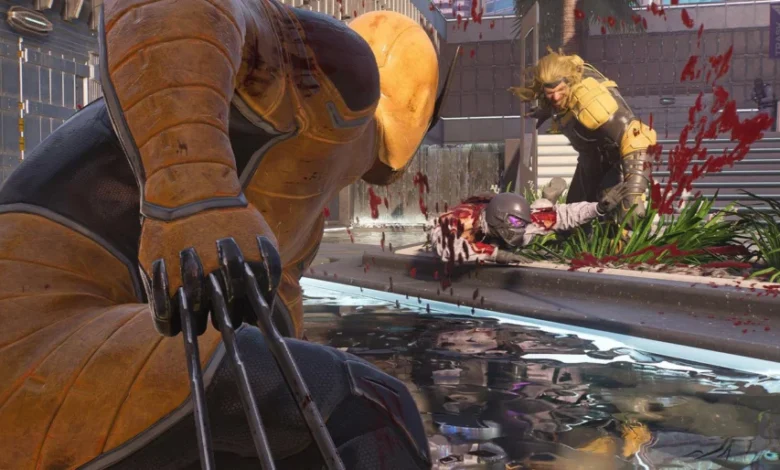
Insomniac Games, a studio under the PlayStation Studios umbrella, has officially released its latest high-profile title, Marvel’s Wolverine, on September 15. The game, available exclusively on the PlayStation 5, represents a significant addition to the developer’s expanding library of Marvel-licensed projects. Following the immense commercial and critical success of the Marvel’s Spider-Man series, expectations for Insomniac’s take on the iconic X-Man were exceptionally high. However, the finished product presents a complex duality: it is a technical marvel of visual design and narrative delivery that simultaneously struggles with rigid, repetitive gameplay mechanics that contrast sharply with the character’s volatile nature.
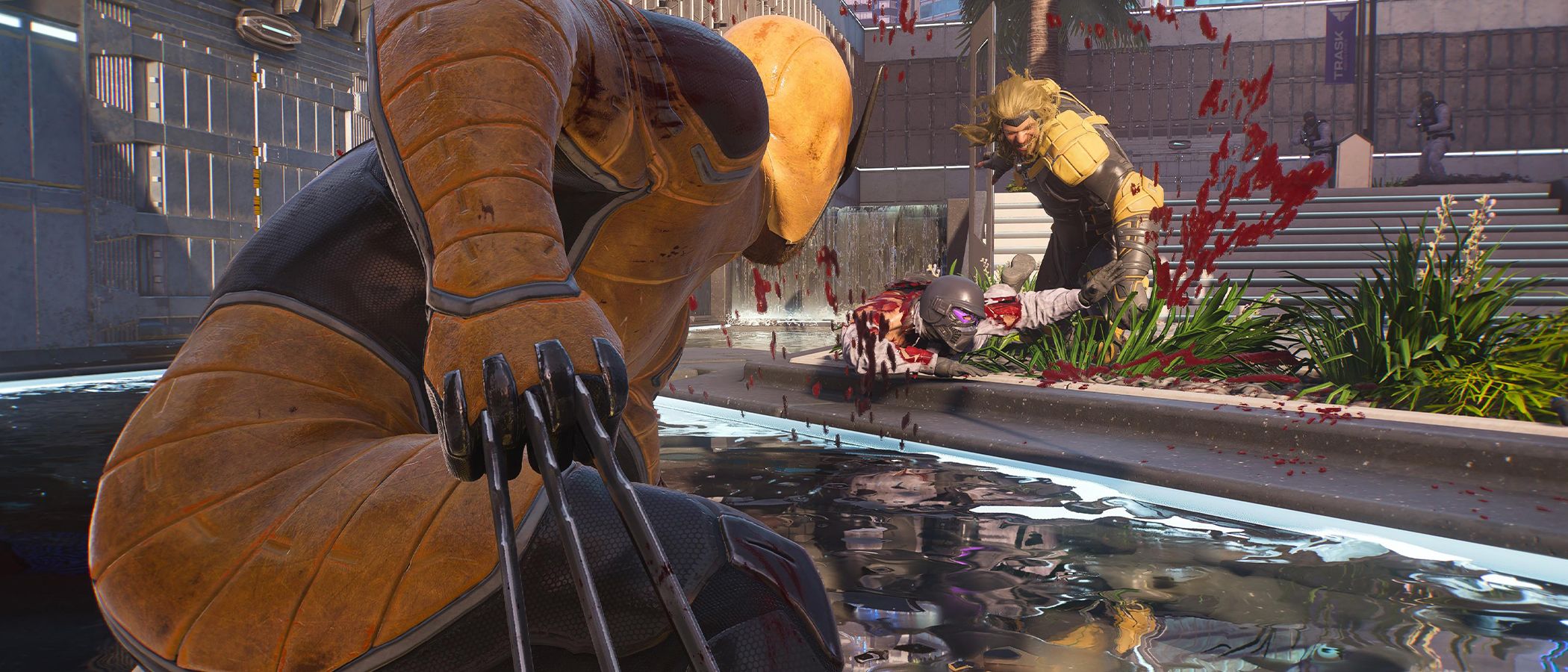
The narrative architecture of the game picks up three years after the protagonist, Logan, severs ties with the covert "Team X." The plot reintroduces key figures from the Marvel universe, including Mystique and Sabretooth, as they are drawn back into a conflict involving the industrialist Bolivar Trask. Trask, portrayed as an antagonist driven by ideologies of human superiority, serves as the primary catalyst for a story that traverses global locales, including Canada, Madripoor, and Japan. This departure from the New York-centric focus of the Spider-Man franchise provides a refreshing change of scenery, allowing for a more diverse set of environmental storytelling opportunities.
Technical Performance and Design Philosophy
From a technical standpoint, Marvel’s Wolverine exemplifies the current standard of Sony’s first-party titles. The visual fidelity, particularly in the rendering of environments and character models, is consistent with the high benchmarks set by Insomniac in previous years. The animation team has prioritized the physical weight of Logan, ensuring that his movements—from his signature lunges to the environmental destruction caused during combat—convey a sense of raw, unrefined power.

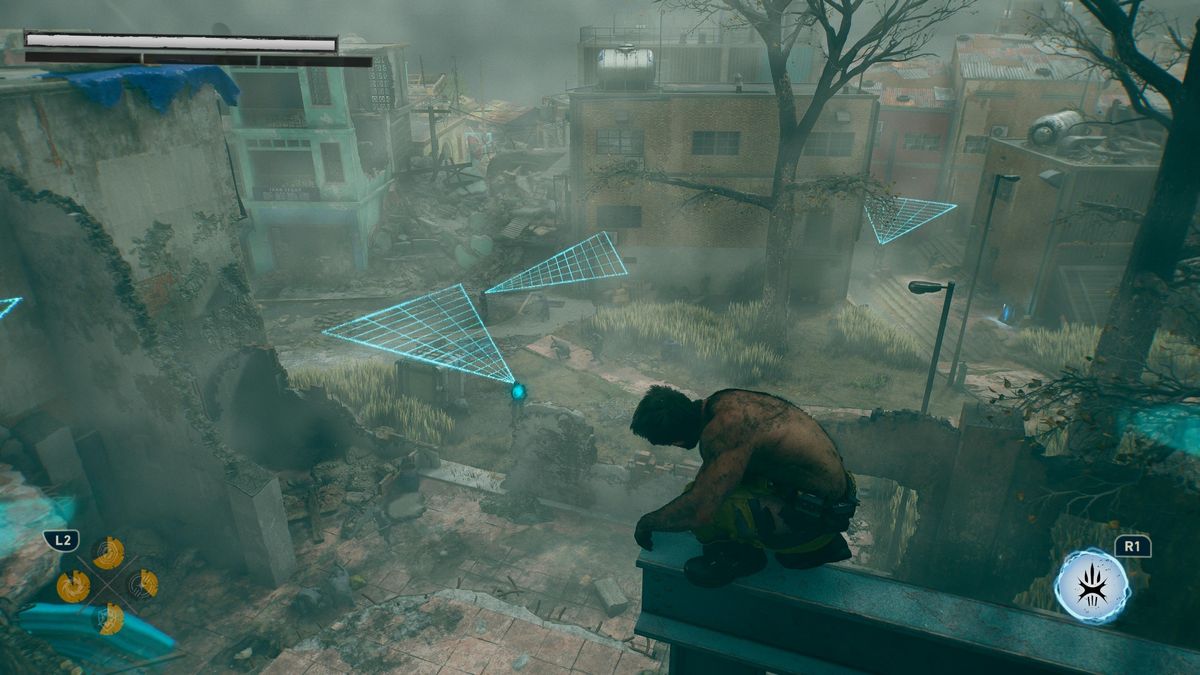
The implementation of the DualSense controller’s haptic feedback and adaptive triggers is notably effective. For instance, the use of the controller’s touchpad to simulate the tactile experience of navigating environments through Logan’s heightened senses adds an immersive layer to the gameplay. This mechanic is utilized in puzzle-solving segments, such as identifying keycodes or tracking scents, which effectively leverages the proprietary hardware to deepen the player’s connection to the character’s unique mutant abilities.
Gameplay Mechanics: The Conflict Between Spectacle and Agency
Despite the technical polish, the core gameplay loop has become a point of contention for players and critics alike. The combat system, which relies on a combination of basic attacks, parries, and dodges, often defaults to a repetitive rhythm. While the game includes "Special Techniques" such as the Tornado Spin and Knee Breaker, and a three-tier Rage system intended to reward aggressive play, the actual execution often feels constrained.
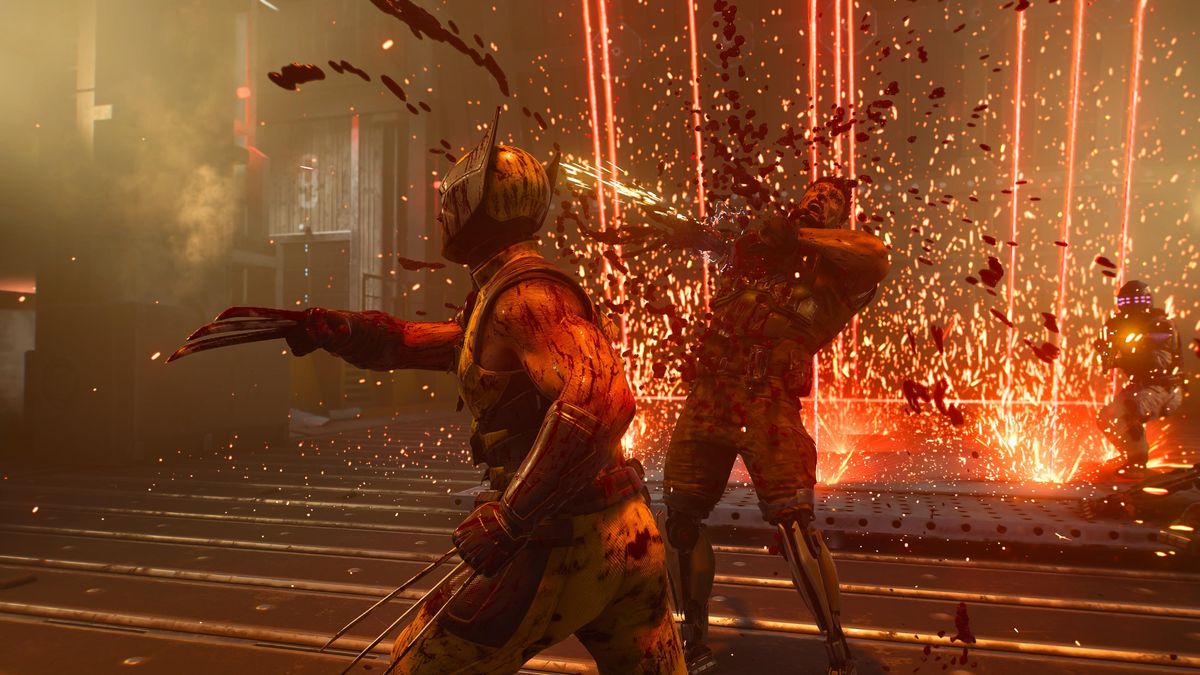
The primary issue lies in the lack of combat flexibility. While the game provides the necessary tools for complex engagement, the player is often funneled into a defensive loop: waiting for an enemy tell, executing a parry, and delivering a counter-attack. This "wait-and-punish" cycle diminishes the sense of agency that one might expect from a character defined by his berserker rage. When compared to genre-leading titles like Ninja Gaiden or Hi-Fi Rush—which prioritize fluidity, complex combo strings, and experimental play—Marvel’s Wolverine often feels tethered to a restrictive design philosophy that emphasizes cinematic spectacle over mechanical depth.
Chronology and Development Context
The development of Marvel’s Wolverine has been closely watched by the industry, particularly given Insomniac’s recent history of rapid-fire releases. Following the release of Marvel’s Spider-Man 2, the studio faced the challenge of balancing the high-octane pace of their previous work with the grittier, more intimate tone required for a Logan-centric title. The game’s 14-hour main narrative is notably tighter and more linear than the sprawling open-world maps found in the Spider-Man franchise. This linearity appears to be a deliberate design choice aimed at focusing the narrative, but it also highlights the limitations of the game’s combat systems when stripped of secondary activities.
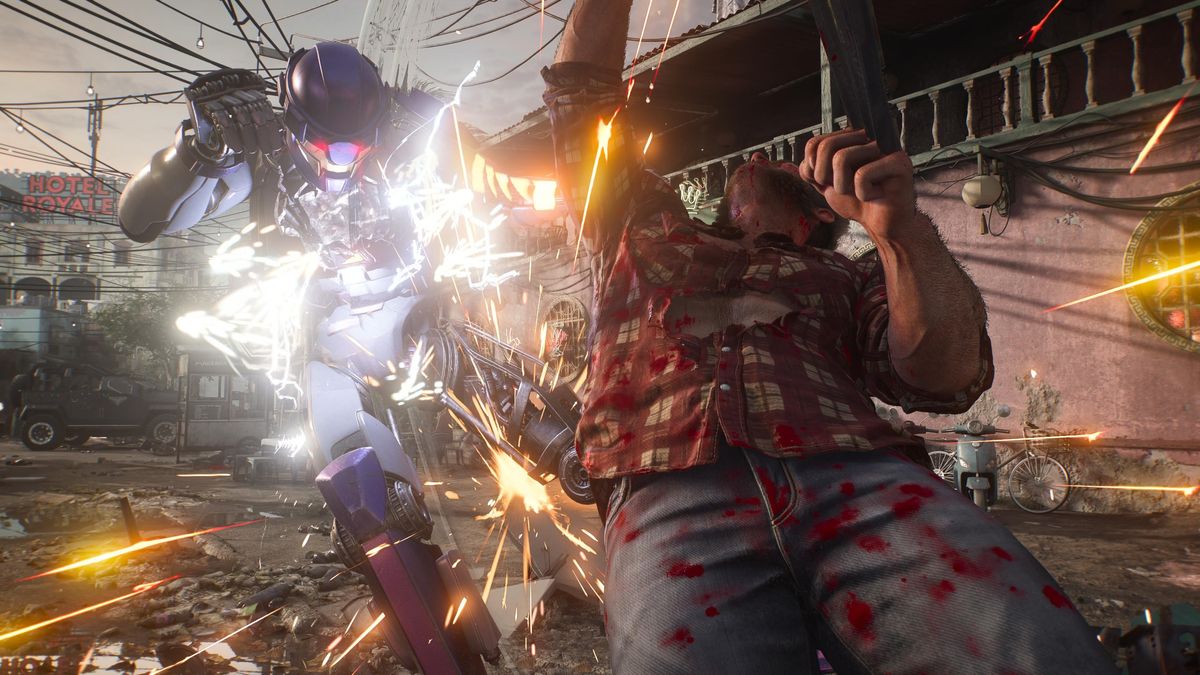
The inclusion of various unlockable costumes—modeled after iconic appearances in comics, films, and animation—serves as a primary incentive for exploration. However, these additions are largely aesthetic, failing to offer the build-crafting or gameplay-altering variables that could have added much-needed longevity to the combat experience.
Official Responses and Industry Reception
While Insomniac Games has not issued a formal statement regarding the specific critiques of the combat repetition, the studio’s track record suggests a reliance on a "formula" that prioritizes accessibility and broad appeal. By making the game approachable for a wide audience, Insomniac has ensured that the cinematic experience remains the focal point. However, this focus on accessibility has, in this instance, seemingly come at the cost of the mechanical complexity desired by more hardcore action-game enthusiasts.
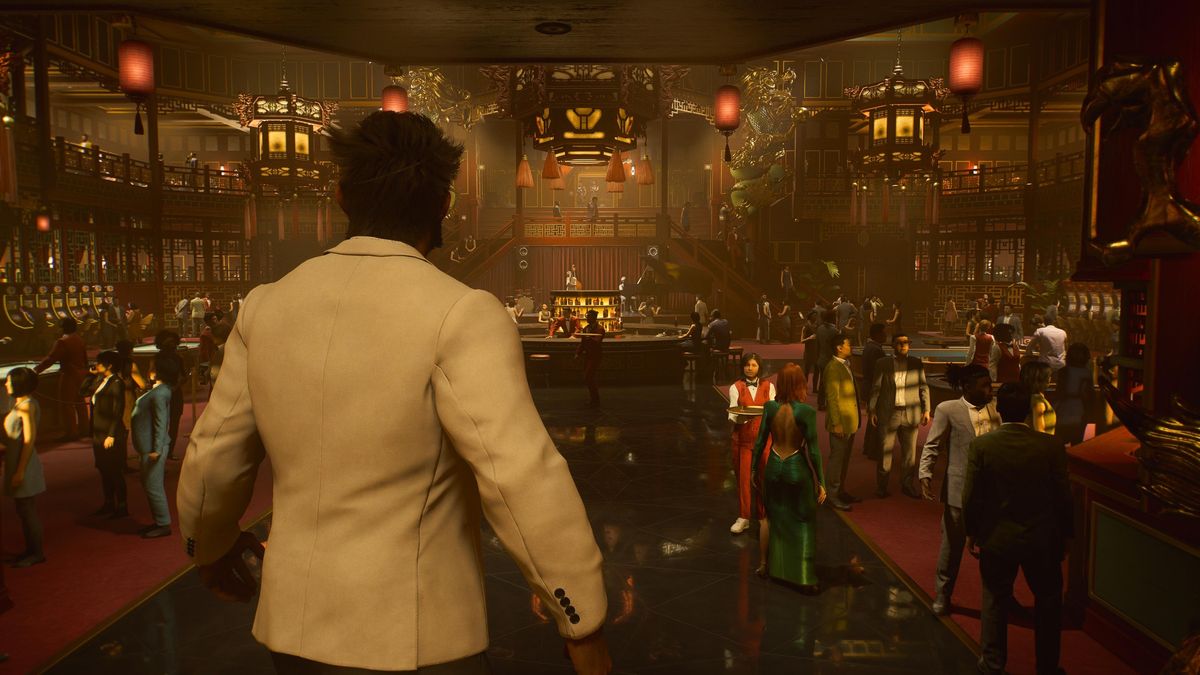
The technical issues reported by some players—ranging from NPC geometry bugs to AI pathfinding stutters—are largely uncharacteristic of the developer’s usual quality control. These glitches, while infrequent, suggest a game that might have benefited from additional polishing to match the seamlessness of the Spider-Man series.
Broader Implications and Future Outlook
The release of Marvel’s Wolverine serves as a cautionary tale for major studios navigating the "prestige" superhero game market. As the industry moves further into the current console generation, the expectation for innovation in gameplay systems is rising. The success of a title is no longer defined solely by its visual fidelity or its narrative strength; it is increasingly measured by the depth and flexibility of its player interactions.
The implications for future Marvel-licensed games are significant. If the "Sony formula"—characterized by high-production-value, linear, cinematic experiences—is to remain the industry standard, developers must find ways to integrate more agency and depth into their systems to prevent player fatigue. The "safeness" observed in Marvel’s Wolverine may prove to be a point of friction for future projects if the studio cannot find a balance between the narrative-first approach and the evolving demands for mechanical innovation.
Ultimately, Marvel’s Wolverine is a testament to the talent of the team at Insomniac, but it also reflects the limitations of a studio adhering too closely to a successful, yet aging, design blueprint. The game succeeds as a piece of interactive fiction and a visual showcase for the PlayStation 5, but it leaves much to be desired in terms of mechanical evolution. As fans look toward the future of the X-Men in the gaming space, the industry will be watching closely to see if Insomniac—or other developers—can synthesize the spectacle of the big screen with the technical nuance of the best action games on the market.