The Digital Menace: How an AI-Generated Cat in the Hat Meme Sparked Nationwide School Security Crises

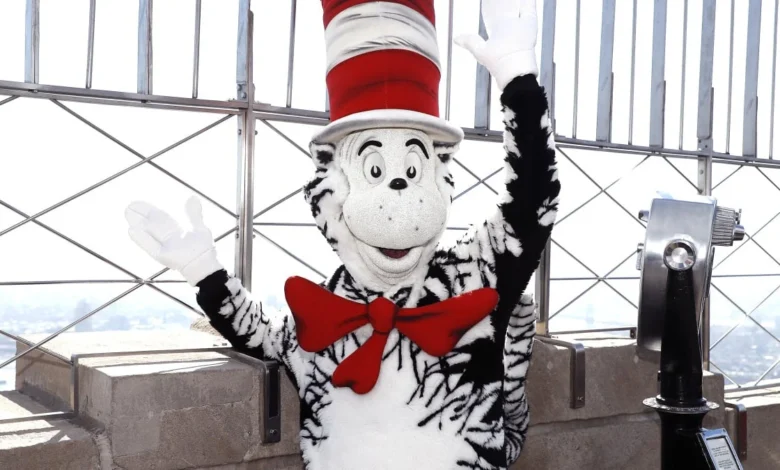
The whimsical, rhyming world of Dr. Seuss has been violently upended by a disturbing digital phenomenon, as a viral internet trend involving a malevolent version of the Cat in the Hat has moved from the fringes of social media to the center of serious law enforcement and educational scrutiny. What began as a dark-humored aesthetic exercise has metastasized into a series of credible-sounding threats against students and faculty across the United States, prompting lockdowns, police investigations, and at least one juvenile arrest. This unfolding crisis highlights the accelerating danger of generative artificial intelligence when weaponized to amplify local anxieties and exploit the vulnerabilities of school security protocols.
The Genesis of a Viral Nightmare
The trend traces its origins to late June, when a TikTok user paired a clip of the unsettling 2003 film adaptation of The Cat in the Hat—starring Mike Myers—with a discordant, eerie soundtrack. The original post, which featured a heavily edited, distorted version of the character, garnered over 4 million views in a single week. The imagery of the character’s hollow eyes and stiff, grotesque movements proved to be a fertile canvas for internet horror enthusiasts.
The trend gained additional momentum due to a bizarre convergence of events: the recent public auction of the original, weather-worn costume from the 2003 film. High-resolution images of the screen-used suit, devoid of the movie’s colorful set design, appeared significantly more sinister in isolation. This provided content creators with "authentic" source material to craft localized horror narratives. By mid-summer, users had begun to weave a loose, fictional "creepypasta" story regarding a serial killer stalking neighborhoods in the United Kingdom and Ireland, utilizing AI-generated video tools to place the character in familiar, residential settings.
Chronology of Escalation
The evolution of this meme from a niche internet joke to a public safety concern occurred in three distinct phases:
- The Aesthetic Phase (Late June – July): Early memes focused on general "sightings," often using AI tools to composite the character into doorbell camera footage or dark street-view imagery. These were largely understood by the digital community as works of horror fiction.
- The Localized Targeting Phase (August): As the trend migrated from the UK to the United States, it underwent a dangerous transformation. Users began moving away from generic horror toward targeted harassment. By mid-August, the narrative shifted from "the Cat is stalking" to "the Cat is coming for [Specific School/Student]."
- The Institutional Response Phase (Late August – Present): Schools in Kentucky, Texas, Michigan, and Oklahoma began reporting specific threats. The sheer volume of posts, combined with the specificity of the targets, forced school districts to treat the digital content as a legitimate threat to student safety.
The Impact on Educational Institutions
The disruption of the school day has been profound. In Kentucky, which has become an epicenter for these incidents, the fallout was immediate. At Assumption High School in Louisville, the administration was forced to transition to remote learning and cancel all extracurricular activities following a wave of social media posts that named specific individuals.
Oldham County and Bullitt County school districts followed suit, issuing urgent alerts to parents. These alerts were not merely bureaucratic; they were necessary responses to the climate of fear generated by posts that utilized real names and school logos to frame their threats. In Allen County, the cycle of digital threats met the reality of the judicial system when a juvenile was arrested and formally charged in connection with the creation and dissemination of these menacing messages.
The ripple effect continued across the country. In Texas, school districts implemented increased police presence and perimeter security sweeps. A high school in Michigan initiated a "precautionary lockdown" after a specific account threatened their student body, and officials in Oklahoma similarly tightened security following the discovery of a concerning Snapchat post. The Tennessee Office of Homeland Security has since established a formal tracking mechanism to monitor these posts, emphasizing that the department is treating the trend as a serious threat assessment priority.
The Dangers of Generative AI and Digital Mimicry
Security experts argue that this specific trend is a dangerous evolution of the "killer clown" panic of 2016. However, the current situation is fundamentally different due to the barrier of entry. During the 2016 clown sightings, individuals had to physically don a costume and appear in public, which often led to immediate discovery or apprehension. Today, AI-powered image and video generators allow individuals to manufacture "evidence" of a threat without ever leaving their bedrooms.
The sophistication of these tools makes it increasingly difficult for the average student or parent to distinguish between a malicious digital prank and a genuine threat. This creates a state of "information overload" for law enforcement, who must expend significant resources to verify the origin of each post. Every hour spent investigating a deepfake of a fictional character is an hour diverted from actual public safety concerns.
Official Responses and Legal Repercussions
Law enforcement agencies, including the Louisville Metro Police Department’s Homeland Security Unit, have repeatedly clarified that they have not found evidence of a physical, coordinated threat involving the character. Nevertheless, the legal consequences for participants remain severe.
Legal experts note that even if a student creates a post as a "joke," the threshold for a criminal threat is determined by the perception of the recipient. If a student is placed in reasonable fear of their safety, or if the operation of a school is materially disrupted, the creator of that content can face charges ranging from harassment and cyberstalking to making terroristic threats.
"We are seeing a trend where the digital and the physical worlds are colliding in a way that creates real-world trauma," said a representative from a state-level threat assessment center. "Parents and students must understand that there is no ‘internet exemption’ for threatening language. Whether the threat is directed at a real person or a fictional character, if it disrupts the educational environment, it becomes a law enforcement matter."
Implications for the Future
The Cat in the Hat phenomenon serves as a case study for the volatility of the digital age. It demonstrates how easily public institutions can be paralyzed by the combination of AI-driven media and social media algorithms that prioritize engagement over verification.
As school districts look toward the remainder of the academic year, the focus is shifting toward digital literacy and proactive threat management. Schools are increasingly working with cybersecurity firms to monitor for mentions of their institutions on platforms like TikTok and Snapchat. However, the primary challenge remains the decentralized nature of these platforms.
The incident also underscores a broader societal anxiety regarding the permanence of digital misinformation. Even when authorities debunk the sightings, the visual memory of the "creepy cat" remains in the minds of students, sustaining a climate of anxiety that can last far longer than the initial social media trend.
For now, the advice from school administrators and police remains clear: treat all online threats as serious, report them immediately to the appropriate authorities, and refrain from participating in the dissemination of such content. The "Cat in the Hat" may be a beloved figure of literature, but in the hands of anonymous, malicious actors, the character has become a tool for psychological warfare—one that districts across the nation are working hard to neutralize before the next digital trend takes its place.