Yinka Ilori Redefines Modern Design Through Playful Storytelling and Vibrant Color in New Monograph Chairman

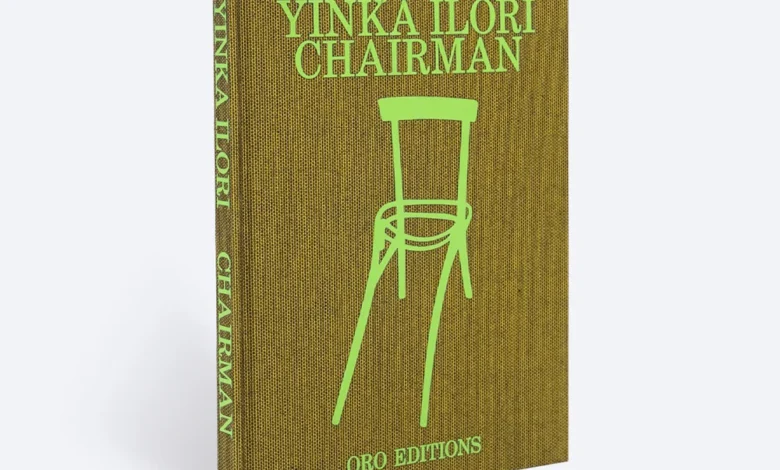
The contemporary design landscape has long been dominated by minimalist restraint, muted neutral palettes, and strict functionalism. In a cultural climate that often feels visually muted and emotionally serious, the British-Nigerian designer and artist Yinka Ilori has emerged as a vibrant antidote to convention. Widely celebrated as an “architect of joy,” Ilori challenges the austere parameters of modern interiors by injecting unapologetic color, intricate pattern-working, and a sense of childlike silliness into the built environment. This philosophy of radical optimism and storytelling forms the bedrock of Chairman, the first comprehensive monograph dedicated exclusively to Ilori’s pioneering furniture design practice. Published by ORO Editions, the newly released hardcover volume chronicles more than a decade of imaginative exploration, capturing how a humble household object can be radically transformed into a vessel for narrative, memory, and social connection.
The Genesis of an Architect of Joy: Background and Early Practice
To understand the cultural weight of Chairman, one must examine the trajectory of Yinka Ilori’s career, which bridges the worlds of traditional craftsmanship and contemporary spatial design. Born in London to Nigerian parents, Ilori’s creative foundation is deeply rooted in a dual heritage that marries the bustling, colorful street markets of Lagos with the structured, urban architecture of the British capital. This multicultural upbringing instilled in him a deep appreciation for textiles, storytelling, and communal gatherings.
Before establishing himself as a global design powerhouse working across architecture, public installations, and product design, Ilori began his journey with a deeply intimate and humble medium: vintage chairs sourced from local charity shops across London. Rather than viewing these discarded, anonymous pieces of furniture as blank canvases or mere utility objects, Ilori approached them as living entities carrying rich, hidden histories.
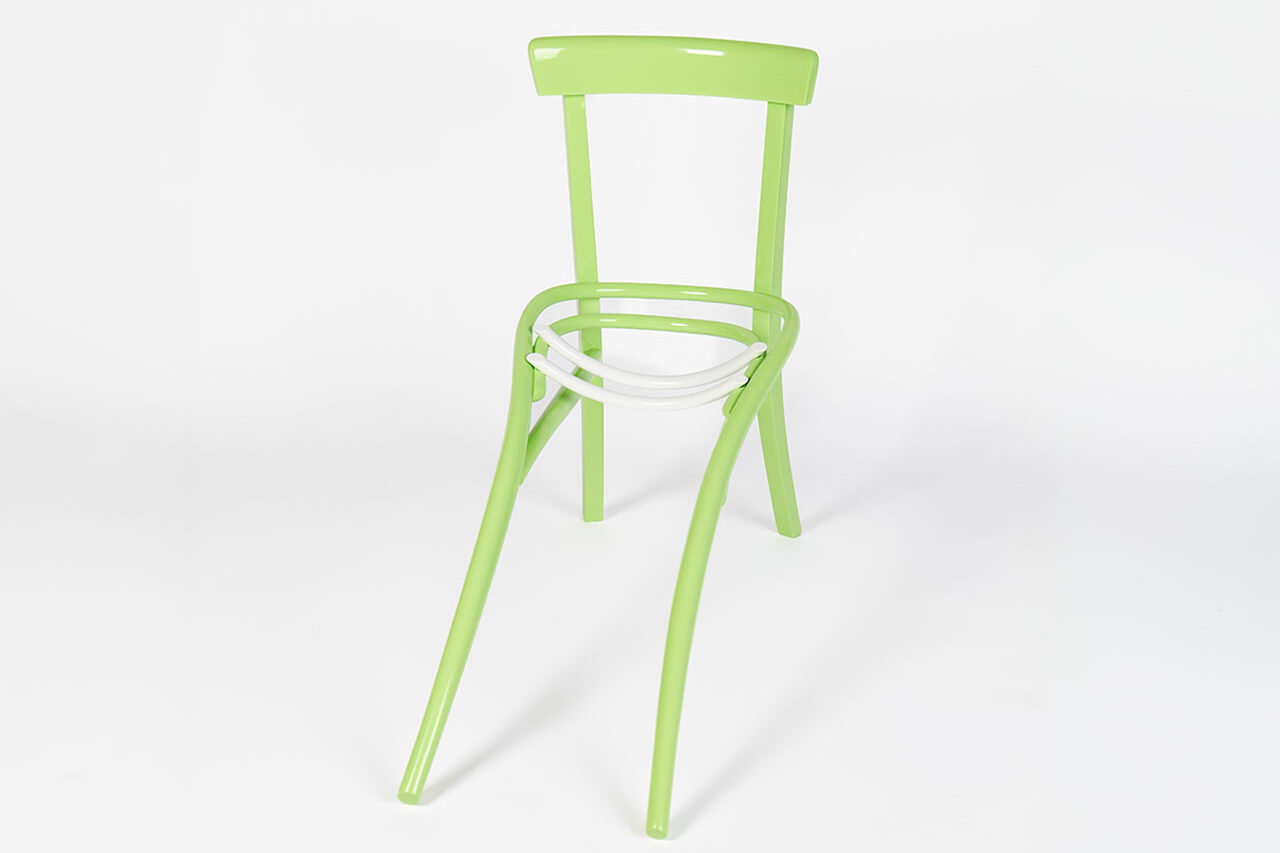
Between the early 2010s and the present day, his furniture practice evolved from a localized upcycling project into an internationally recognized design language. His early works involved rescuing old wooden chairs, stripping them down, and rebuilding them with vibrant colorblocking, high-gloss lacquers, and mixed-media elements such as textiles, built-in candles, artificial succulents, and bespoke structural extensions. In Ilori’s perspective, the physical wear and tear on a secondhand chair—a scuff mark, a faded stain, an uneven leg—spoke to a human life lived, making each piece an ideal collaborator in a broader artistic dialogue.
A Chronological Journey Through a Decade of Furniture Design
Chairman serves as a detailed chronological archive of this evolution, mapping Ilori’s transition from a grassroots upcycler to a visionary spatial designer shaping public squares, galleries, and global brand partnerships.

The book traces his initial phase of experimentation, characterized by narrative-driven furniture pieces inspired by traditional Nigerian parables and British fables. During this period, Ilori frequently paired chairs to represent characters in a story, giving inanimate objects names, personalities, and interpersonal dynamics. This narrative methodology allowed him to subvert the traditional hierarchy of fine art versus functional craft, elevating everyday furniture to the status of sculptural storytelling.
As the decade progressed, Ilori’s practice scaled upward. The intimate scale of charity-shop chair restoration naturally expanded into immersive interior architecture, large-scale public art installations, and playground designs across London and international cities. Throughout this scaling process, however, the chair remained his ultimate testing ground—a microcosm of his broader design philosophy. Whether applied to a single wooden chair with mismatched pink and green legs or a complex seating structure featuring geometric paneling and attached clothing hangers, his core methodology remained consistent: to disrupt expectations and evoke emotional resonance.
Defying Minimalism: The Aesthetics of Excess and Intention
In the broader context of contemporary interior design, minimalism has enjoyed decades of supremacy. The prevailing wisdom of modern spaces relies on clean lines, reduced visual noise, and a reliance on beige, white, and gray tones to cultivate calm. Ilori’s body of work, as highlighted in Chairman, stands as a direct and joyful rebellion against this aesthetic orthodoxy.

The designer frequently utilizes high-gloss lacquer, clashing contrasting hues, and dense decorative patterns—elements that many modernist purists might consider chaotic or overwhelming. Yet, industry critics and design historians note that Ilori’s maximalism is never arbitrary. It is underpinned by rigorous spatial intention and cultural storytelling. By applying these rich, sensory-heavy layers to a ubiquitous object like a chair, he forces observers to confront their own biases regarding what constitutes "serious" or "valuable" design.
According to design theorists, Ilori’s work taps into a psychological need for play in adult spaces. Play is frequently quarantined to childhood, while adulthood is associated with functional grayness and emotional containment. By reintroducing humor, whimsy, and bright chromatic explosions into utilitarian objects, Ilori creates spaces and items that invite psychological release, encouraging users to lower their guard and engage with their environment on a more visceral, emotional level.
Critical Reception and Industry Implications
The release of Chairman has been met with widespread acclaim from the global design community, architectural critics, and cultural institutions. By cementing his furniture practice in print, the monograph offers emerging designers a masterclass in how to infuse personality, heritage, and sustainability into functional objects.

Industry analysts emphasize several key implications of Ilori’s work and the publication of this monograph:
- Sustainability Through Storytelling: By championing the reuse and transformation of vintage and discarded furniture, Ilori models a sustainable approach to design that moves beyond clinical eco-friendly minimalism. His work proves that sustainability can be deeply romantic, personal, and aesthetically lavish.
- Decolonizing Design Spaces: As a British-Nigerian designer, Ilori’s integration of West African storytelling traditions, vibrant color palettes, and cultural motifs into Western design canons helps broaden the geographical and cultural scope of what is considered high design.
- The Humanization of Public and Private Spaces: In an era marked by digital isolation and increasingly sterile corporate architectures, Ilori’s human-centric, playful approach demonstrates the tangible power of design to foster joy, community interaction, and mental well-being.
Availability and Legacy
Published by ORO Editions, Chairman is now available worldwide through major booksellers, museum shops, and design outlets. Featuring lush photography, detailed project breakdowns, and personal reflections from the designer himself, the monograph is poised to become an essential text for interior designers, collectors, students, and anyone interested in the intersection of art, play, and functionality.
Ultimately, Chairman does more than document ten years of furniture design; it issues a challenge to the design world and its occupants alike. Through the transformative lens of Yinka Ilori, a chair is never just a chair. It is a stage for memory, a celebration of heritage, and an open invitation for adults to rediscover the lost art of play.