The Immortal Blueprint of Buddy Guy: How a Louisiana Sharecropper’s Son Forged Modern Rock and Transformed the Electric Guitar Forever

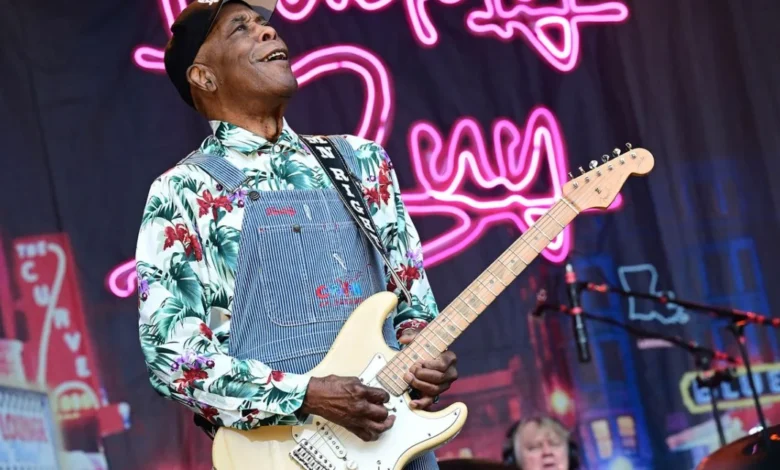
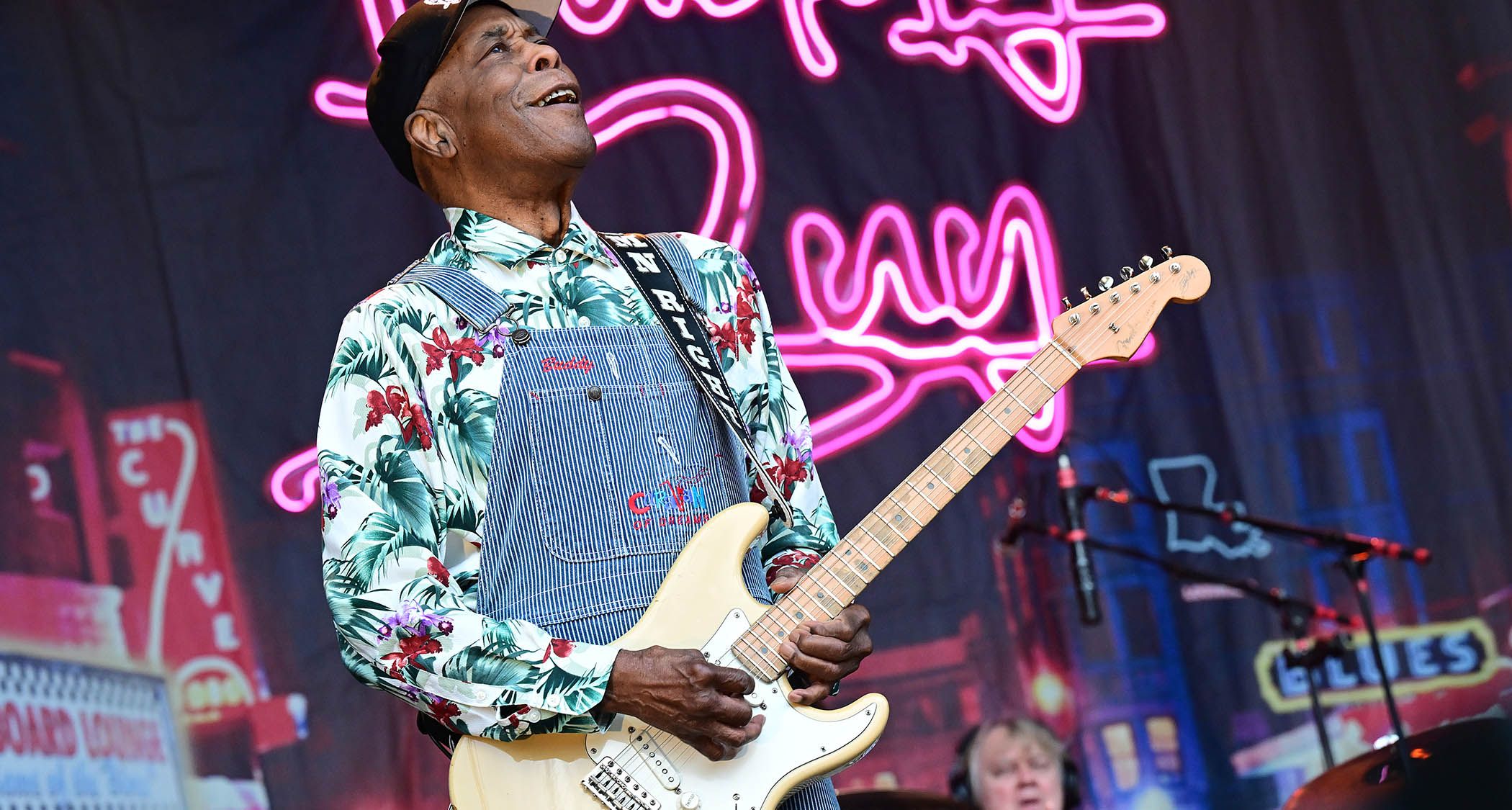
When George "Buddy" Guy arrived in the bustling, industrial sprawl of Chicago in the autumn of 1957, the city’s South Side blues circuit was already a fiercely competitive proving ground. Born to sharecroppers Sam and Isabel Guy in the rural farming community of Lettsworth, Louisiana, on July 30, 1936, Guy brought with him little more than a homemade two-string guitar built from a piece of firewood and window screen wire, alongside a profound reverence for the southern Delta blues tradition. Yet, within a few short years, the quiet, unassuming newcomer would fundamentally rewire the DNA of popular music. Introduced to the legendary Muddy Waters by Otis Rush at the Bronzeville institution known as the 708 Club, Guy stepped into an ecosystem populated by heavyweights like Sonny Boy Williamson and B.B. King. While he initially viewed himself as an outsider peering into a world of giants, Guy was quietly orchestrating a sonic revolution. By synthesizing the theatrical showmanship of Guitar Slim with the deep-seated emotional vocabulary of the blues, he birthed an explosive performance style that would directly inspire the architects of the British blues invasion and the godfathers of psychedelic rock, cementing his status as the undisputed greatest living bluesman.
The Chronology of a Cultural Catalyst: From Chicago Clubs to the Marquee
The trajectory of Guy’s influence shifted from regional acclaim to international phenomenon in 1965, when he crossed the Atlantic to participate in the prestigious American Folk Blues Festival tour. At London’s intimate Marquee Club, a young Eric Clapton—then searching for a musical identity that transcended traditional bounds—watched from the audience as Guy took the stage. For Clapton, the encounter was nothing short of a religious awakening. In subsequent reflections, including his speech at Guy’s 2005 Rock and Roll Hall of Fame induction alongside B.B. King, Clapton likened the impact of that performance to the cultural jolt Elvis Presley delivered to America a decade prior. Everything about Guy—his impeccably sharp suits, his dynamic stage movement, and most crucially, his sunburst Fender Stratocaster—radiated a modern, rebellious star power that shattered any lingering notions that the blues was an antiquated, dying art form.
The ripple effects of that single London performance were immediate and historic. Within weeks of witnessing Guy’s Marquee set, Clapton departed The Yardbirds to join John Mayall & the Bluesbreakers, serving as the vanguard of the British blues explosion. More profoundly, when Clapton grew creatively constrained within Mayall’s rigid structure, it was the memory of Guy’s high-octane trio format—backed solely by bass and drums—that inspired him to forge a new path. That revelation directly led to the formation of Cream alongside Jack Bruce and Ginger Baker. Clapton noted that Guy’s freedom of expression proved that a soloist could dictate the entire direction of a band through sheer virtuosity and uninhibited emotional delivery. Jimmy Page and Jeff Beck, fellow alumni of the British guitar elite, similarly absorbed the shockwaves of Guy’s early overseas appearances, recognizing that the boundaries of electric guitar performance had just been permanently redrawn.
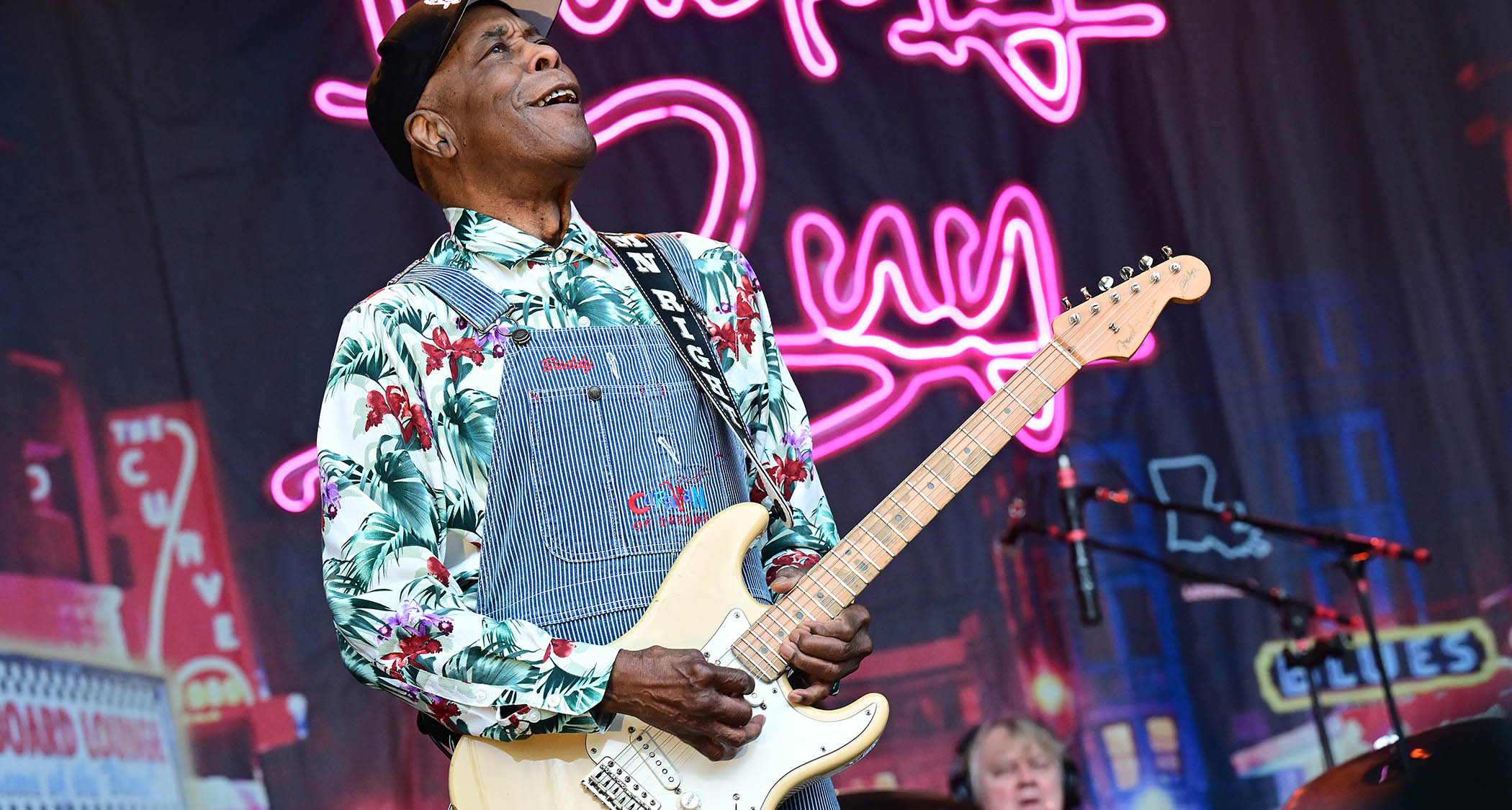
Redefining the Instrument: The Stratocaster and Sonic Radicalism
Prior to Guy’s emergence, the Fender Stratocaster was widely pigeonholed as a country-and-western instrument, favored by Nashville pickers and largely ignored by gritty urban blues artists who gravitated toward the warm, thick humbucker tones of Gibson guitars. Guy’s adoption of the Stratocaster challenged industry orthodoxy. He weaponized the instrument’s bright attack, exceptional sustain, and robust build quality, utilizing high-volume amplification, feedback, and distortion long before those techniques were mainstream staples.
His physical approach to the instrument was equally revolutionary. While blues purists at Chess Records frequently lamented his penchant for sonic chaos and feedback during 1960s recording sessions, audiences were mesmerized by his theatricality. Long before Jimi Hendrix made it his signature, Guy was playing the guitar behind his head, with his teeth, and with his feet, occasionally tossing the instrument into the air and catching it mid-chord without missing a beat. Jeff Beck famously remarked that Guy had successfully transitioned the blues from musical performance into high theater. By bending strings far beyond conventional limits and infusing his solos with a reckless, dangerous energy, Guy expanded the expressive vocabulary of the guitar, teaching subsequent generations that vulnerability and technical audacity could coexist.
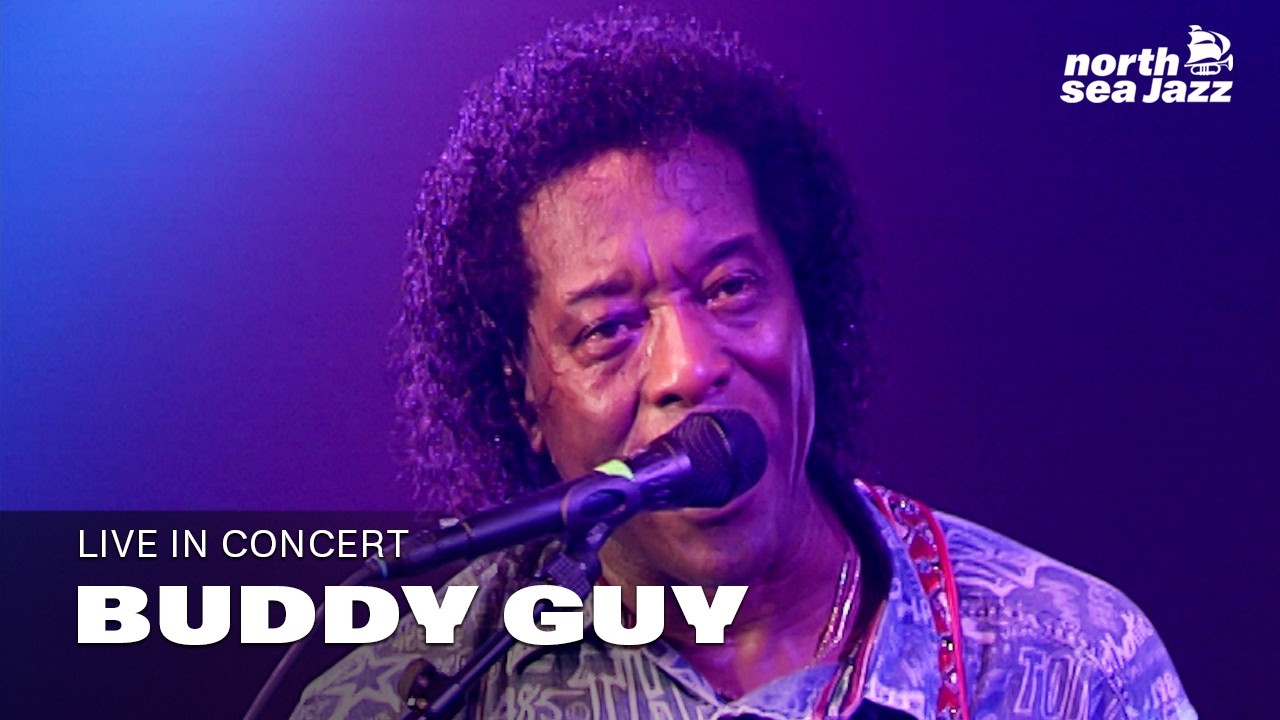
Passing the Torch: The Hendrix Connection and Multi-Generational Impact
The lineage connecting Buddy Guy to Jimi Hendrix is among the most vital threads in modern music history. The two guitar icons first crossed paths in 1967, and their subsequent informal jams—including a legendary 1968 session at Steve Paul’s New York club, The Scene, on the evening of Martin Luther King Jr.’s assassination—left an indelible mark on both men. Guy recalled how an inquiring Hendrix asked if he could record his playing, marveling at the older musician’s innovation. Hendrix would subsequently adopt and amplify elements of Guy’s vocabulary, incorporating extreme string bends, theatrical stage antics, and eventually the wah-wah pedal—a device Guy frequently utilized to devastating effect on tracks like his definitive covers of Hendrix’s "Voodoo Chile."
This cascading wave of influence extended far down through the decades, capturing the imaginations of subsequent guitar titans such as Stevie Ray Vaughan, Zakk Wylde, Kenny Wayne Shepherd, Jonny Lang, Gary Clark Jr., and Christone "Kingfish" Ingram. During the 2014 Experience Hendrix Tour, hard-rock virtuoso Zakk Wylde explicitly credited Guy as the primary source code for modern rock guitar, noting that every rock guitarist ultimately draws from the stylistic well that Guy dug. Similarly, contemporary standard-bearers like Gary Clark Jr. and Kingfish Ingram have frequently cited Guy’s fearless refusal to stay locked in stylistic amber as their guiding light. Rather than simply preserving historical artifacts, Guy continually pushed the envelope—venturing into heavy, modern blues-rock textures on albums like 2001’s Sweet Tea—proving that the genre must evolve to remain vital.
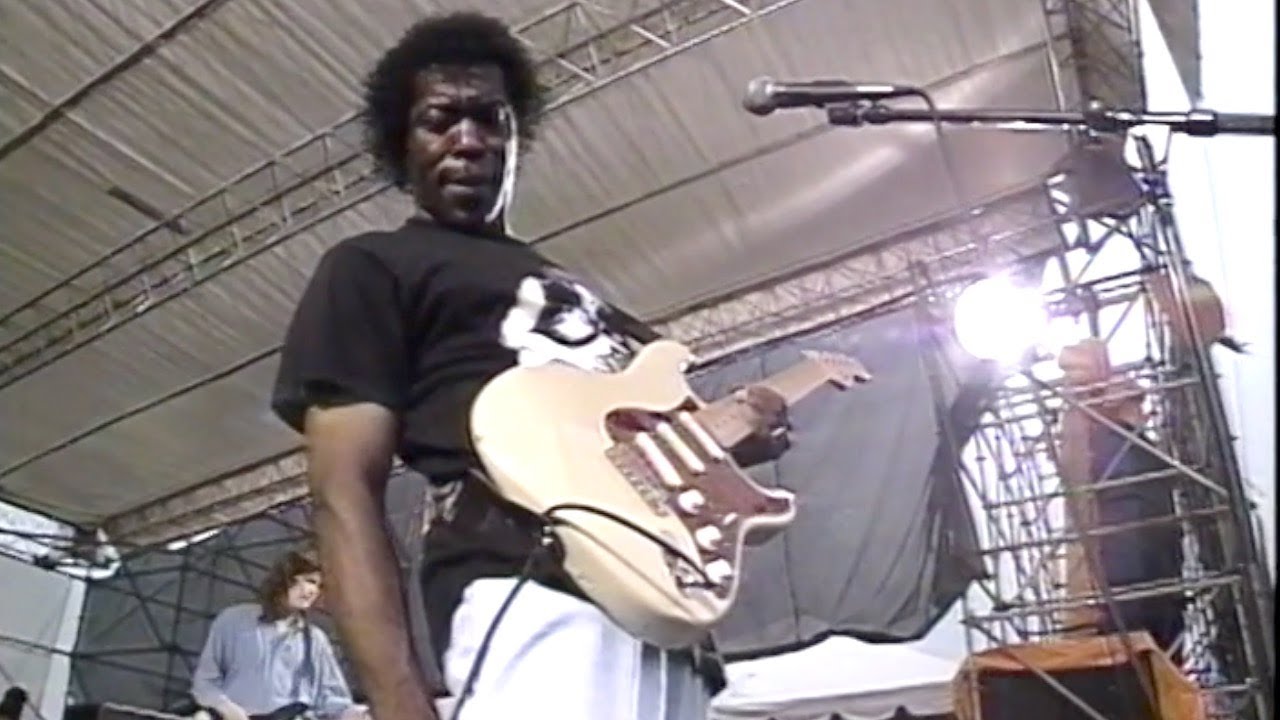
Enduring Legacy and the BG90 Milestone
Despite tongue-in-cheek retirement announcements tied to his 2023 "Damn Right Farewell Tour," Buddy Guy has demonstrated a tireless work ethic that defies conventional aging. Operating his iconic Chicago blues club, Buddy Guy’s Legends, while maintaining an active international touring schedule, the legendary artist embarked on the extensive BG90 Tour. This celebratory run of dates culminated on October 1 in Midtown Manhattan with a landmark concert at Radio City Music Hall entitled Buddy’s Got The Blues: A 90th Birthday Concert.
The star-studded event featured an assembly of music royalty paying homage to the master, including Eric Clapton, John Mayer, Gary Clark Jr., Joe Bonamassa, Susan Tedeschi, Derek Trucks, Eric Gales, Billy Gibbons, Bobby Rush, Robert Randolph, and Kenny Wayne Shepherd. The gathering served not merely as a retrospective of a storied career, but as a living testament to an artist whose contributions fundamentally shaped the contours of twentieth- and twenty-first-century music. As Buddy Guy takes the stage, armed with his polka-dot Stratocaster and an unyielding commitment to leaving every ounce of his soul under the stage lights, he remains the definitive living bridge between the roots of the Delta blues and the limitless future of the electric guitar.