Sigma 20-60mm f/2.8-4 DG Contemporary Review: A Lightweight Ultra-Wide Zoom That Redefines Value

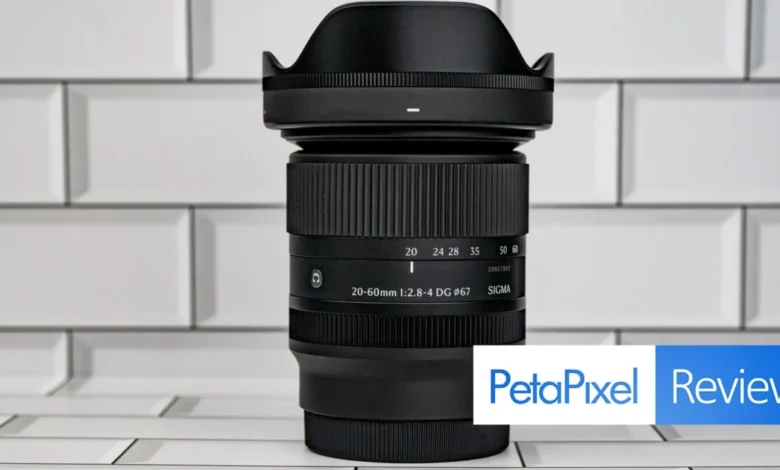
The contemporary landscape of digital photography and videography continues to shift toward maximizing portability without sacrificing core optical capabilities. Modern creators increasingly prioritize compact, versatile equipment capable of covering ultra-wide fields of view, eliminating the necessity of carrying multiple specialized lenses in the field. Addressing this rising demand for streamlined travel and hybrid shooting kits, independent lens manufacturer Sigma has officially introduced the Sigma 20-60mm f/2.8-4 DG Contemporary lens. Available for both Sony E-mount and Leica L-mount systems at a competitive retail price of $849, this new optic enters a crowded market of versatile zooms, aiming to carve out a distinct advantage by offering a brighter maximum aperture at the ultra-wide end than its established competitors.

Main Facts and Market Positioning
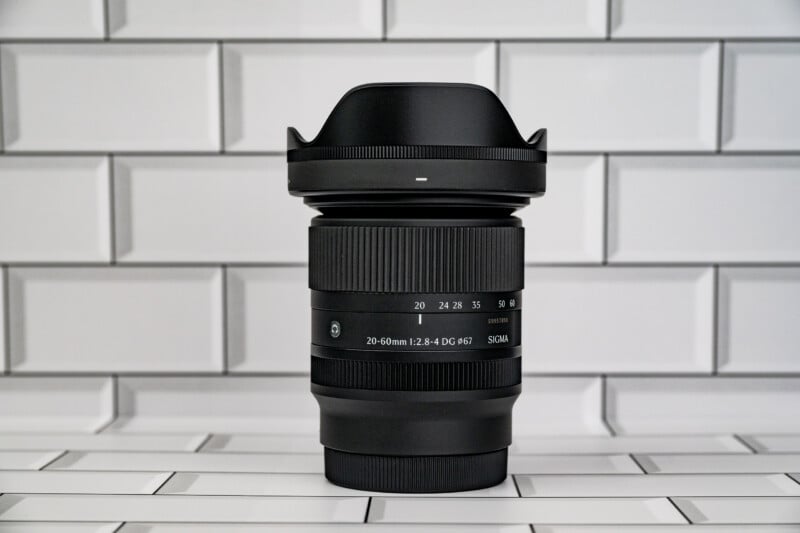
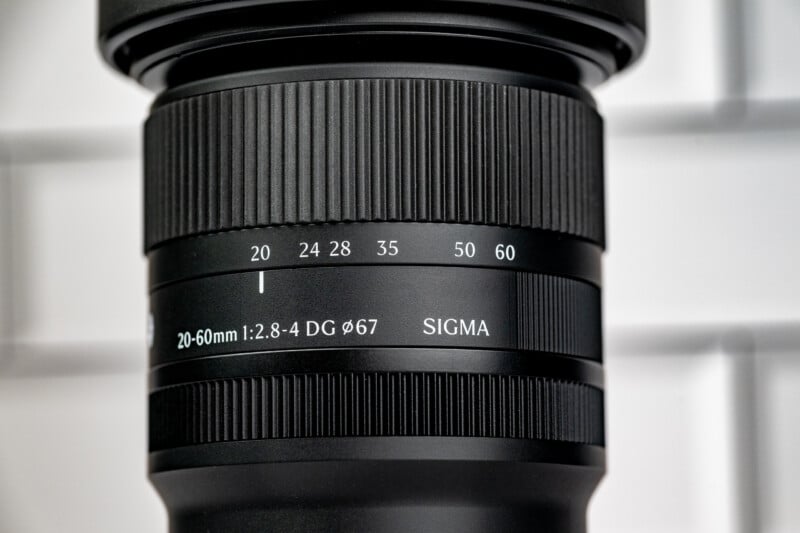
The newly announced Sigma 20-60mm f/2.8-4 DG Contemporary is designed to serve as an all-in-one everyday zoom lens for mirrorless camera users. Weighing in at a remarkably light 13.2 ounces (375 grams) and featuring a manageable 67mm filter thread diameter, the lens undercuts several of its primary rivals in terms of physical bulk. For comparison, it is slightly lighter than the popular Sony 20-70mm f/4 G and provides a significantly faster aperture than the Panasonic 20-60mm f/3.5-5.6.
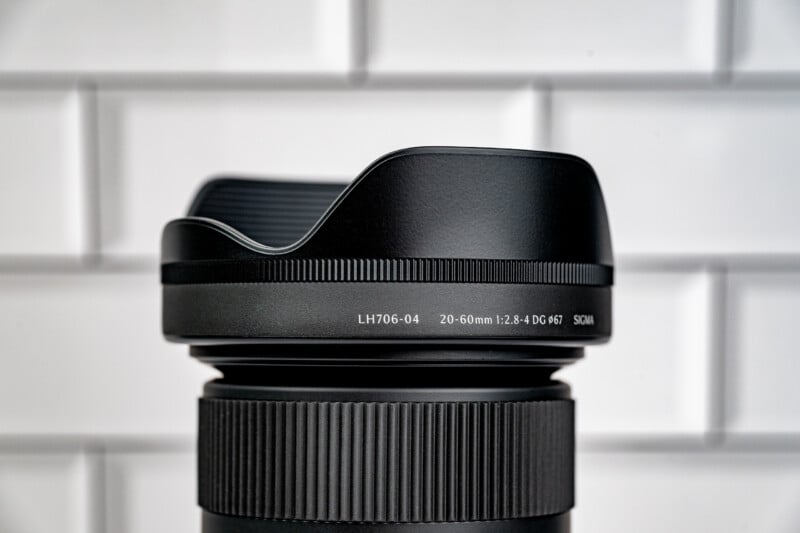
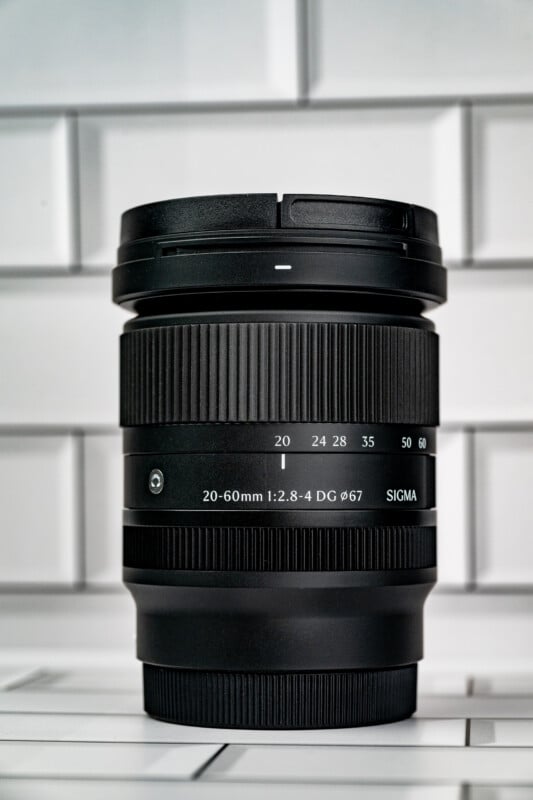
Priced at $849, the Sigma 20-60mm f/2.8-4 sits comfortably below the $1,200 price point of the Sony 20-70mm f/4, positioning it as an attractive financial alternative for budget-conscious creators who refuse to compromise entirely on low-light performance. Like many lenses within Sigma’s Contemporary product line, this model includes essential dust- and splash-resistant weather sealing, along with a standard lens hood included in the box. However, to maintain its compact form factor and accessible price point, the lens barrel features a simplified external design devoid of physical autofocus/manual focus toggle switches or customizable function buttons, relying instead on the camera body interface for advanced settings adjustments.

Chronology and Development Context
The arrival of the Sigma 20-60mm f/2.8-4 DG Contemporary follows years of iterative evolution in wide-angle zoom design. Traditionally, standard professional zooms began at 24mm, limiting landscapes, architectural interiors, and vlogging perspectives unless paired with a dedicated ultra-wide prime lens. The introduction of 20mm starting focal lengths by manufacturers like Panasonic and Sony redefined what photographers could expect from a single walk-around optic.

Sigma first showcased and tested early iterations of this optical formula before officially debuting the finalized 20-60mm f/2.8-4 variant at industry gatherings, including the Sony Kando event. Industry analysts note that Sigma’s strategic focus on the L-mount alliance (comprising Leica, Panasonic, and Sigma) alongside the ubiquitous Sony E-mount ecosystem allows the company to capture a substantial share of the hybrid creator market. By balancing an unconventional variable aperture of f/2.8 at the wide end tapering to f/4 at the telephoto end, Sigma engineers sought to solve a persistent engineering compromise: delivering a fast aperture where it matters most for low-light architecture and nightscapes, while keeping the optical glass elements small enough for comfortable all-day carrying.
Supporting Data and Optical Performance Analysis

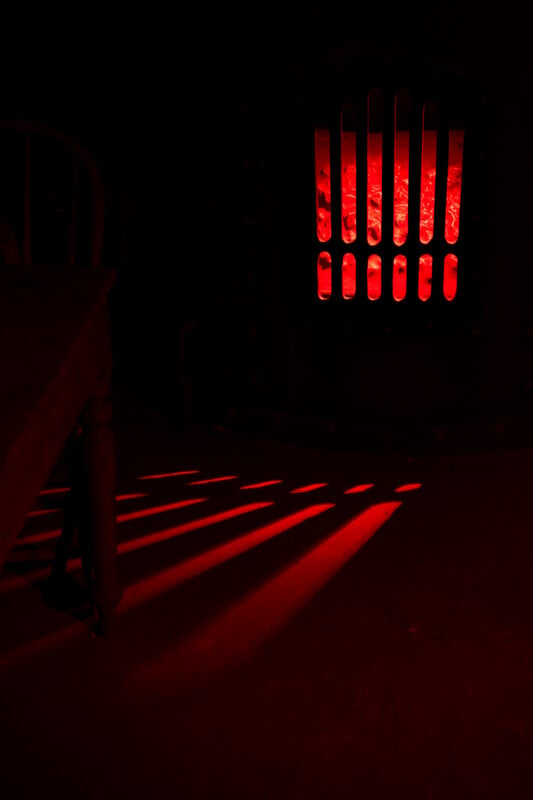
Independent optical bench testing and field evaluations reveal a nuanced portrait of the Sigma 20-60mm f/2.8-4 DG Contemporary’s capabilities. Chromatic aberrations and flare resistance represent key metrics for wide-angle optics. Testing at the 20mm focal length and widest aperture of f/2.8 demonstrates that Sigma’s proprietary lens coatings perform exceptionally well, effectively suppressing veiling flare. While stopping down the aperture introduces minor purple ghosting diagonally across the frame, overall performance remains robust. However, sunstars produced by the aperture blades are decidedly average, lacking the crisp, distinct points favored by landscape purists.

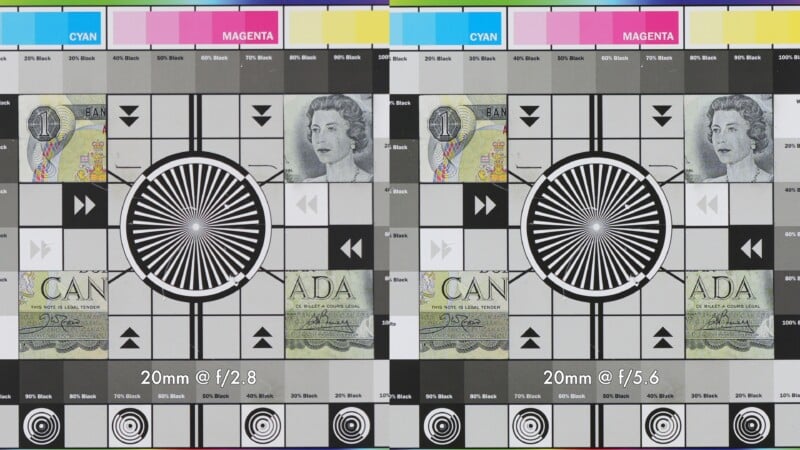
Sharpness metrics show favorable results. At 20mm and wide open at f/2.8, the lens delivers solid central contrast and detail, though the extreme corners exhibit noticeable softness that improves significantly upon stopping down to smaller apertures. At the 60mm end, the lens punches above its weight class, providing consistent center-to-corner sharpness at f/4.

An unexpected strength of the lens lies in its macro capabilities. The optical formula achieves its highest reproduction ratio of 1:2.3 near the 35mm focal length, enabling photographers to capture detailed close-ups of flora and fauna. Conversely, bokeh rendering is functional rather than luxurious; out-of-focus background highlights exhibit mild harshness and visible "onion-ring" textures, placing the background blur squarely in the average category. Longitudinal chromatic aberration (LoCA) is minimal, appearing strictly at the 20mm setting when shot wide open at f/2.8.

Official Responses and Industry Implications

While Sigma has not released formal executive statements beyond its standard product launch press releases, industry feedback from early reviewers and beta testers highlights the lens’s strong viability for hybrid content creation. Videographers operating single-operator setups, such as vloggers and gimbal users, stand to benefit significantly from the design. The faster f/2.8 aperture at the wide end accommodates low-light interior shooting, and the physical center of balance shifts minimally throughout the zoom range, reducing strain on motorized gimbals.

Nevertheless, cinematographers must account for a moderate degree of focus breathing, where the effective field of view shifts noticeably as the focal plane is adjusted. The inclusion of a high-speed linear autofocus motor ensures rapid and silent subject tracking, aligning with modern hybrid video standards.
Comparative Market Impact: Sony and Panasonic Ecosystems

The introduction of the Sigma 20-60mm f/2.8-4 DG Contemporary directly challenges existing native offerings from primary camera manufacturers.

For Sony E-mount users, the primary point of comparison remains the Sony FE 20-70mm f/4 G. While the Sony option offers an extra 10mm of reach on the telephoto end and a constant f/4 maximum aperture, it carries a substantially higher retail price of approximately $1,200. The Sigma alternative provides a brighter f/2.8 maximum aperture at the wide end for $350 less, presenting a compelling value proposition for event photographers and landscape shooters who frequently operate in dim environments.

For Panasonic L-mount users, the Sigma lens serves as a premium upgrade over the native Panasonic Lumix S 20-60mm f/3.5-5.6. Although the Panasonic optic is widely praised as an exceptional budget entry point—often found heavily discounted in camera bundles—its slower variable aperture limits its utility in low light. The Sigma model dramatically outperforms the Panasonic kit lens in light-gathering capability and overall construction, effectively bridging the gap between budget kit glass and expensive professional-grade zooms.

Broader Industry Impact and Consumer Guidance

The expansion of 20mm-start zoom lenses signals a broader structural shift in photographic gear manufacturing. Camera users increasingly reject the paradigm of heavy, specialized f/2.8 constant zooms in favor of lighter, highly adaptable alternatives that trade a fraction of telephoto reach or aperture consistency for enhanced portability.
For consumers navigating the current market, the Sigma 20-60mm f/2.8-4 DG Contemporary represents an exceptionally well-rounded investment. It successfully delivers superior light transmission at the crucial 20mm focal length, dependable sharpness across the frame, and robust build quality without imposing a heavy physical or financial burden. Whether deployed for travel documentation, street photography, vlogging, or casual macro work, this lens provides a highly versatile, cost-effective solution for both Sony and L-mount system owners.
Related posts: